
What Your Check Engine Light Is Telling You: Avid Autocare’s Cincinnati Guide
June 25, 2025

Making car care simple for every driver from Oakley to Hyde Park


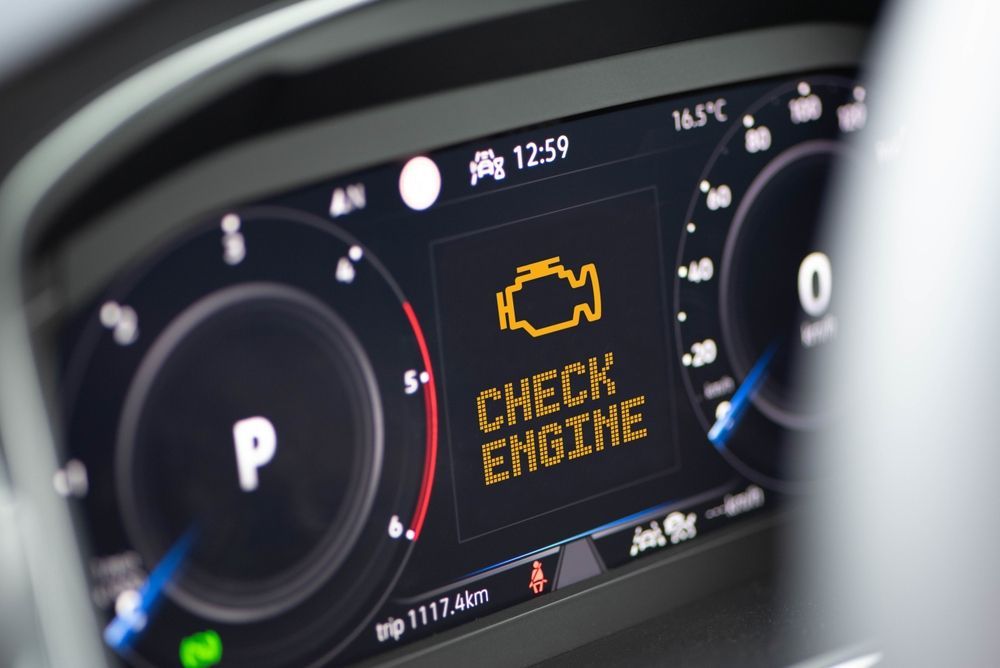
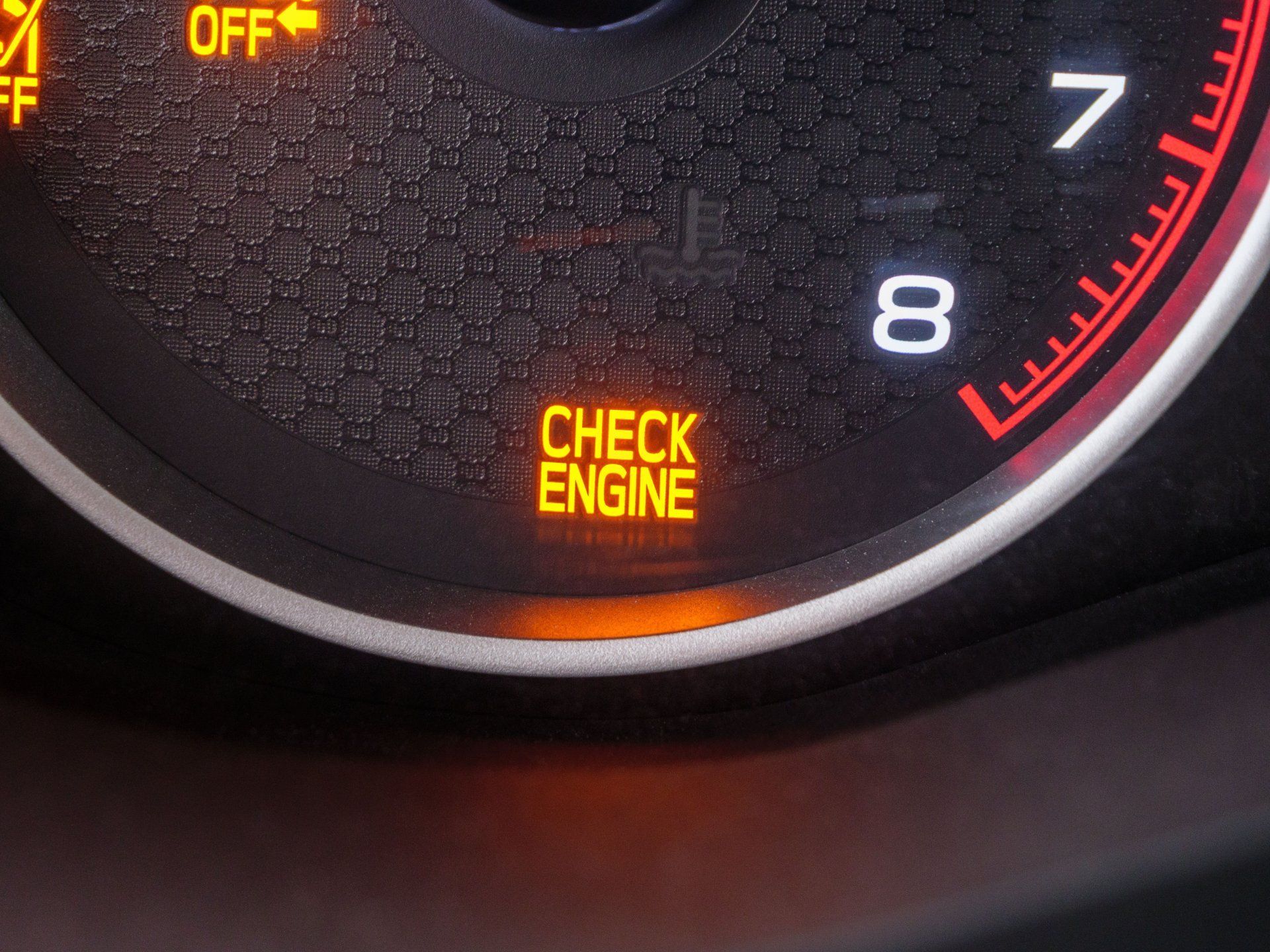
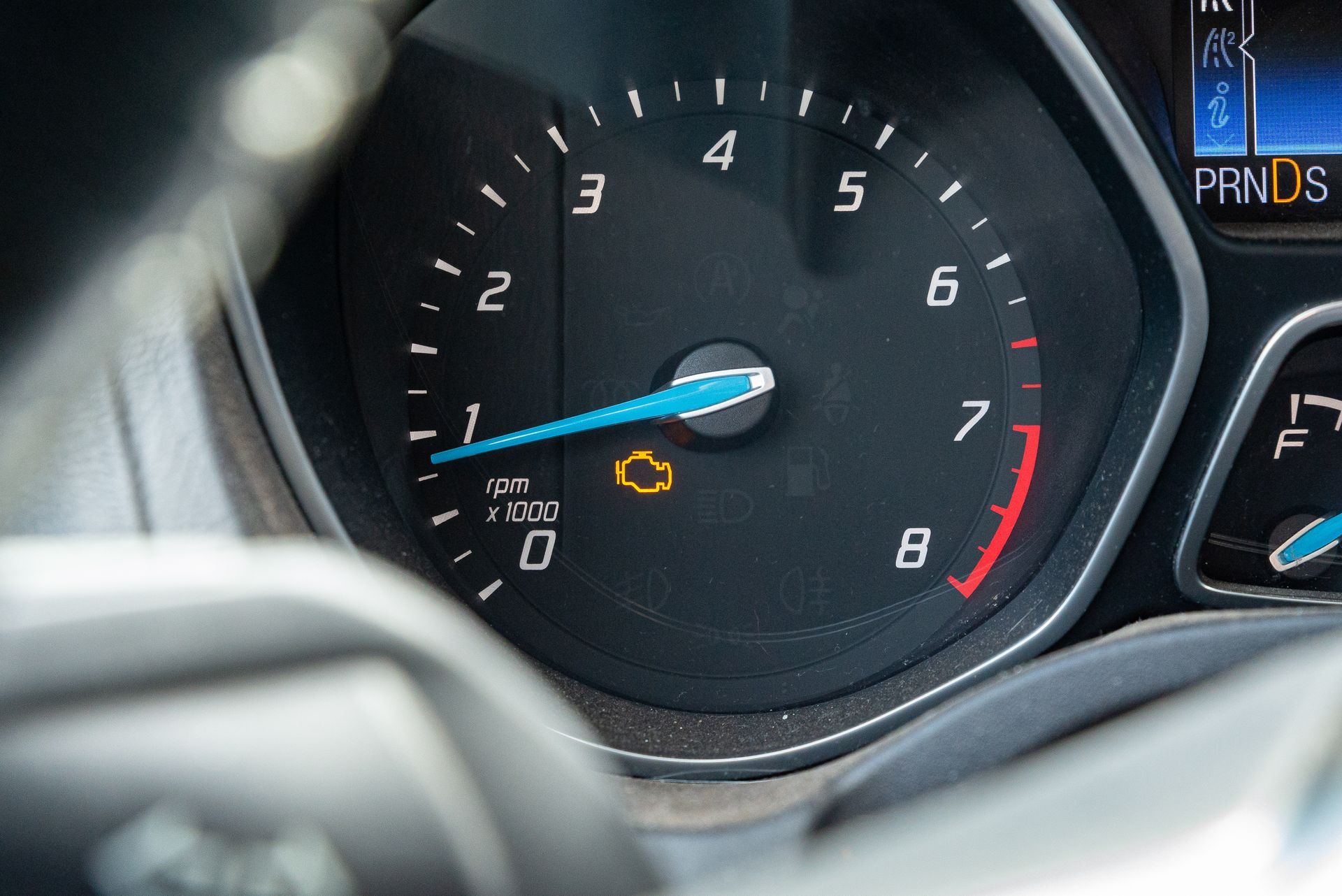
That little amber glow on your dashboard can send a shiver through any Cincinnati commuter—especially when you’re headed over the Roebling Bridge or stuck in rush hour near Red Bank Road. But your check engine light isn’t an automatic ticket to a massive repair bill. At Avid Autocare in Mariemont, we believe in making car care simple. Here’s how to decode that light, what steps you can take at home, and when it’s time to bring your ride in for our photo-backed inspection and report.


Why Your Check Engine Light Matters

The check engine light (CEL) is your vehicle’s built-in warning system. It monitors critical engines and emissions components—oxygen sensors, spark plugs, catalytic converters, vacuum lines—24/7. When something drifts out of spec, the CEL illuminates to prevent minor issues from cascading into costly breakdowns.


Top 5 Reasons the CEL Comes On

  1. Loose or Faulty Gas Cap A loose, damaged, or missing gas cap can let fuel vapors escape, triggering an emissions fault. It’s one of the easiest fixes—tighten or replace the cap and watch your light reset within a few drive cycles.
  2. Failing Oxygen Sensor Your O₂ sensor measures unburned oxygen in the exhaust. When it starts to fail, fuel economy drops and emissions spike. Replacing a worn sensor on our East Side lift keeps your fuel costs down and the Ohio River airs cleaner.
  3. Worn Spark Plugs or Ignition Coils Misfires create jolts under acceleration and can damage your catalytic converter. Swapping out old spark plugs or coils before your next cross-town run—say, from Clifton to Hyde Park—restores smooth power delivery.
  4. Faulty Mass Airflow Sensor This sensor gauges incoming air volume. A bad reading forces the engine computer to miscalculate fuel delivery. Symptoms include rough idling or stalling near Eden Park; a quick sensor clean or replacement restores proper air-fuel balance.
  5. Catalytic Converter Issues A clogged or damaged converter trips the light and can lead to overheating under the hood—especially on humid Oakley afternoons. Early detection through a scan prevents a full converter swap, which is far more expensive.


Three Quick Steps to Take When the Light Flashes

  1. Don’t Panic—Pull Over Safely A steady CEL means you can finish your trip—but a flashing light signals a severe misfire that could harm your engine. Find a safe spot and switch off the engine.
  2. Check Your Gas Cap Park on level ground, tighten the cap until it clicks, then restart. If the light persists, you’ve ruled out the simplest culprit.
  3. Note Any Symptoms Jot down noises, vibrations, or performance issues—does your car shake on the way down Madison Road? Is there a sulfur smell near Mt. Adams? These details help our technicians diagnose faster.


When to Seek Professional Help

If your CEL stays on after basic checks, or if you experience: • Rough idling, hesitation, or stalling • Loss of power under load (climbing Mt. Adams) • Persistent fuel-smell or black exhaust smoke • Any sign of overheating

…it’s time to pull into Avid Autocare, located just off Red Bank and Wooster Pike on Cincinnati’s East Side.


What Happens at Avid Autocare?

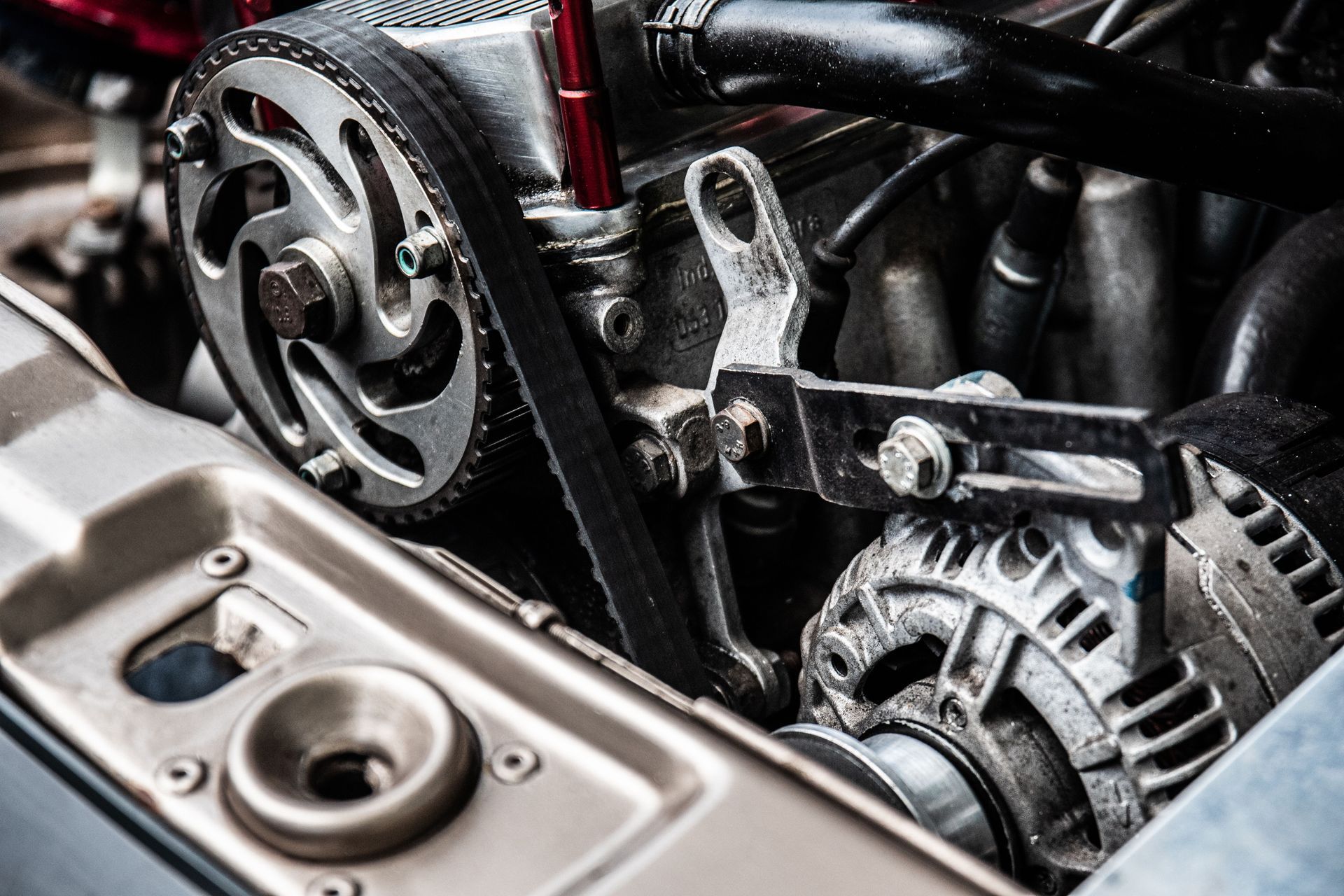
  1. Multi-Point Inspection, With Photos & Report We lift your car, snap high-res images of belts, hoses, sensors, and wiring, then compile an itemized and prioritzed report. You see exactly what’s wrong—no guesswork, no hidden fees between Vine Street and Red Bank Road.
  2. OBD-II Scan & Code Diagnosis Our technicians connect professional-grade scanners to pinpoint which component triggered the light. You get a clear, jargon-free explanation of root causes and repair options.
  3. Transparent Solutions & Pricing  We’ll walk you through recommended repairs—spark plugs here, catalytic testing there—and provide exact costs for parts and labor. You decide which items to address immediately, and which can wait until next season.


Stay Ahead of the Light—Preventive Tips

Regular Tune-Ups: Swap spark plugs, inspect ignition coils, and scan sensors every 30,000 miles. 

Keep Belts & Hoses Healthy: Cincinnati’s temperature swings stress rubber components—catch cracks or leaks early. 

Fuel System Cleaner: Use a quality additive every 5,000 miles to keep your injectors and catalytic converter happy.


Ready to turn off that check engine light for good?

  • Schedule your appointment at AvidAutocare.com
  • Follow us on Facebook and Instagram for live Q&A sessions, local traffic updates, and East Side service specials
  • Share this post with fellow Cincinnati drivers so they too can enjoy making car care simple.
Book An Appointment Today!
August 24, 2026
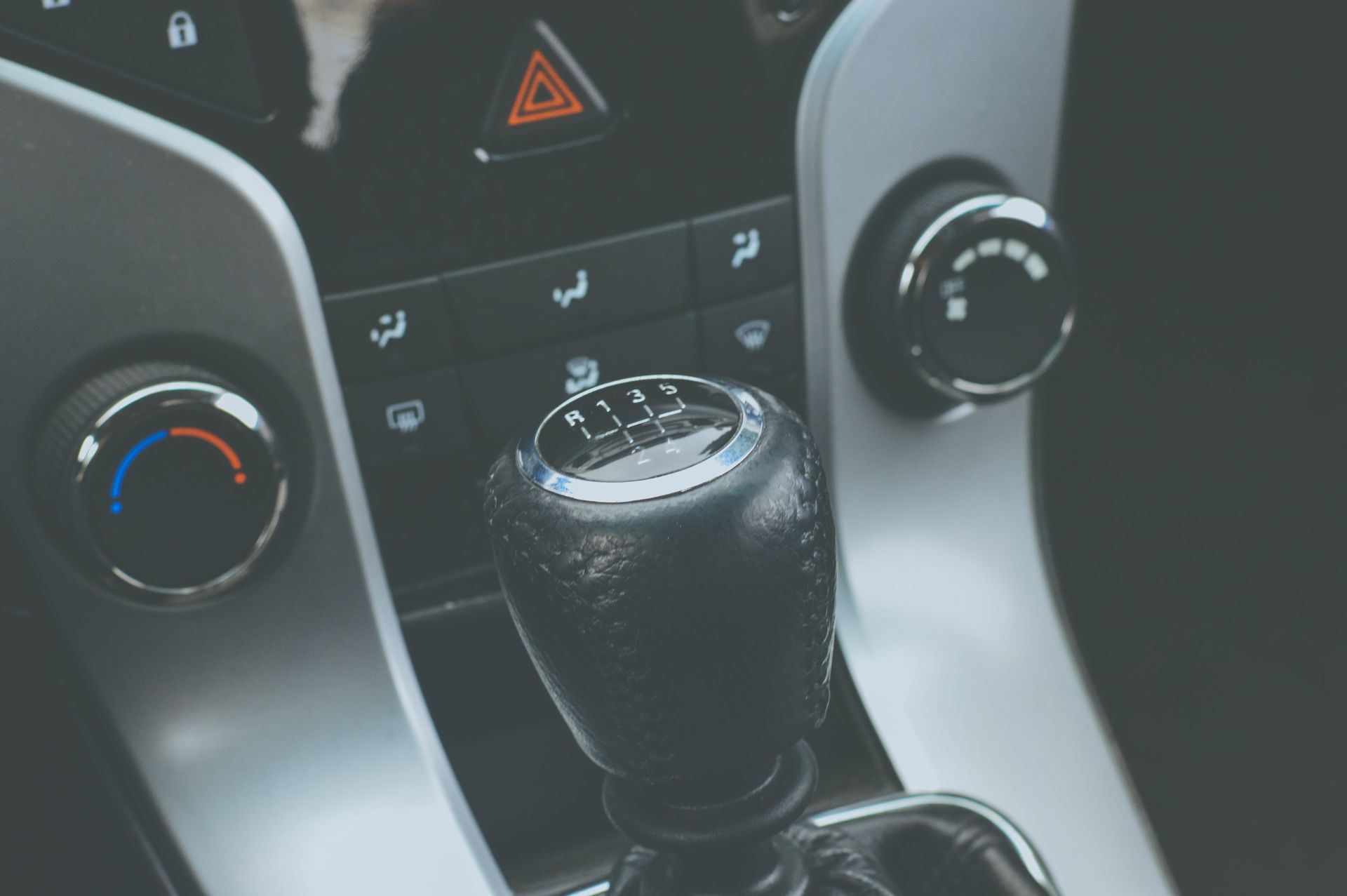
Transmission problems have a reputation for being expensive, which is one reason drivers sometimes avoid dealing with the early symptoms. The problem with that strategy is that transmission concerns rarely improve by themselves. A small leak, abnormal shift, fluid problem, electrical fault, or worn component can become a much larger issue when it is ignored. Your transmission is responsible for transferring engine power to the wheels while keeping the engine operating within an effective range. Modern transmissions are also highly computerized, which means a shifting problem can involve mechanical components, hydraulic pressure, fluid condition, sensors, control modules, or a combination of systems. That is why accurate diagnosis is important before assuming the transmission itself has failed. Pay Attention to Changes in the Way the Car Shifts One of the most common signs of trouble is a noticeable change in shifting behavior. You may feel the vehicle hesitate before moving into drive or reverse, shift much harder than it used to, hold a gear longer than expected, or seem to change gears at unusual times. Some drivers describe the vehicle as surging or jerking during acceleration. Another important symptom is slipping. If engine RPM rises but the vehicle does not accelerate at the same rate, the transmission may not be transferring power normally. Slipping can sometimes be intermittent at first, especially under heavier acceleration, but it deserves professional attention before it becomes more severe. Unusual noises can also provide clues. Whining, humming, clunking, or grinding that changes based on vehicle speed or transmission operation may indicate that something within the drivetrain needs to be inspected. Do Not Ignore Transmission Fluid Leaks Fluid underneath your vehicle should always be investigated, particularly when it may be transmission fluid. The transmission depends on the proper amount and condition of fluid for lubrication, cooling, hydraulic pressure, and normal operation. Driving with the fluid level too low can increase heat and wear and potentially create additional damage. Transmission fluid service requirements also vary significantly by vehicle. There is no single interval or fluid that applies to every make and model. The appropriate approach is to follow the manufacturer's specifications and evaluate the vehicle based on its mileage, service history, operating conditions, and transmission design. A Warning Light Does Not Automatically Mean a New Transmission Modern vehicles monitor transmission operation through electronic control systems. A warning light or stored diagnostic trouble code may indicate a transmission-related concern, but the code itself does not necessarily mean the entire transmission requires replacement. Sensors, wiring, fluid pressure problems, control components, and other faults can create symptoms that feel like a major mechanical failure. Proper diagnosis gives you the information needed to make a rational repair decision instead of assuming the worst. If your vehicle has started shifting differently, hesitating, slipping, leaking fluid, or displaying a transmission-related warning, Avid Autocare can inspect and diagnose the problem. Addressing a change early gives you a better opportunity to understand what is happening before the vehicle becomes difficult or impossible to drive.
By VIV Builder August 17, 2026
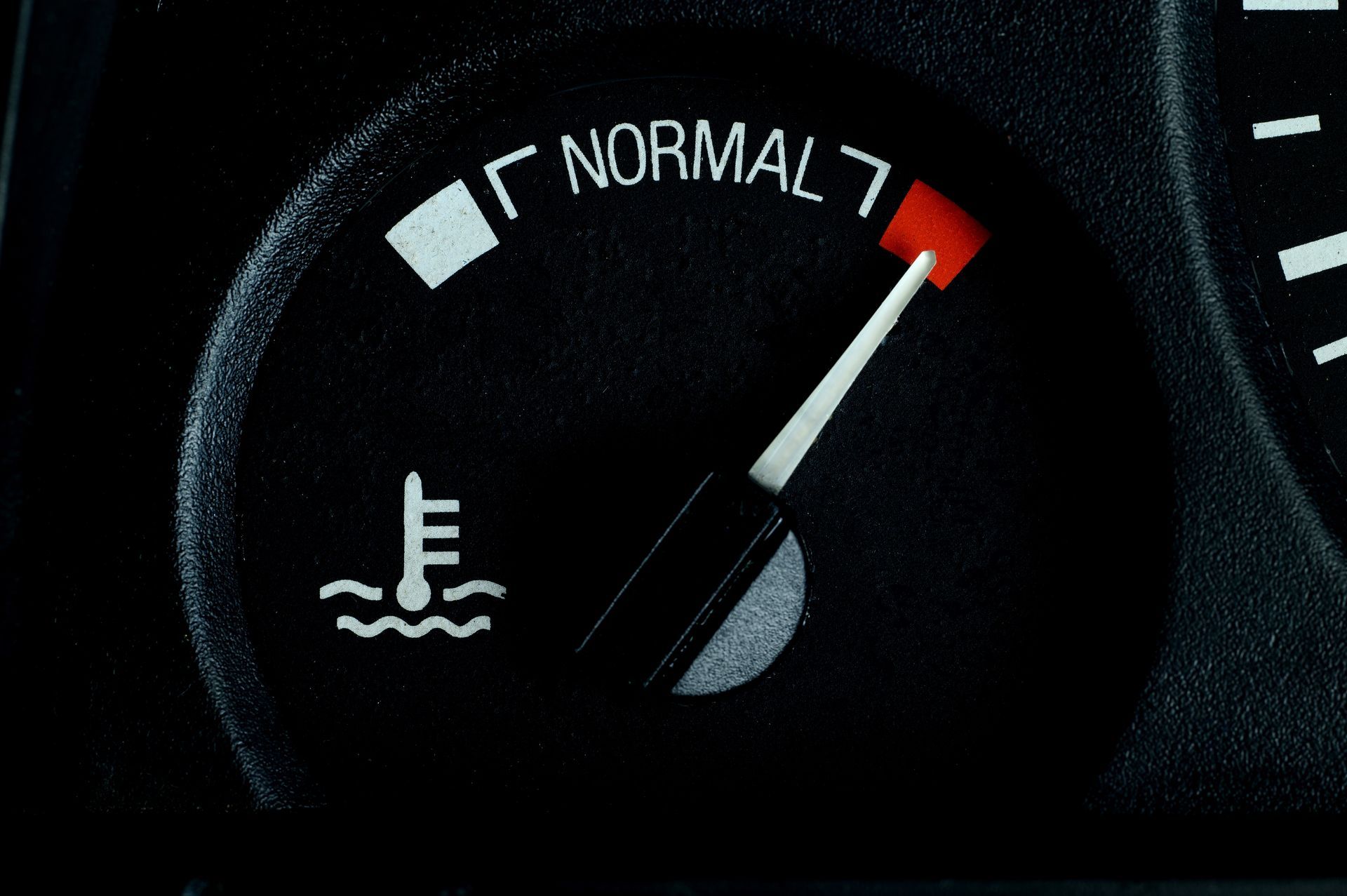
Learn common causes of engine overheating, what to do if your car overheats, and when to schedule cooling system repair in Cincinnati.
By VIV Builder August 10, 2026
Prepare for your next road trip with a pre-trip vehicle inspection. Learn what to check before traveling from Cincinnati.
By Admin August 3, 2026
Your vehicle’s braking system is one of its most important safety systems. However, brake pads and other braking components wear gradually, which can make it difficult to recognize when service is needed.
By Admin July 27, 2026
Check engine light on? Learn common causes, when it's safe to drive, and when to schedule diagnostics at Avid Autocare in Cincinnati.
By VIV Builder July 23, 2026
Learn how preventive maintenance helps Cincinnati drivers avoid breakdowns, reduce repair costs, and keep vehicles reliable longer.
By VIV Builder July 20, 2026
Learn the warning signs of brake problems and when Cincinnati drivers should schedule a brake inspection or repair to stay safe.
By VIV Builder July 16, 2026
Check engine light on? Learn common causes, when it's safe to drive, and when Cincinnati drivers should schedule diagnostics.
By VIV Builder July 13, 2026
Learn how digital vehicle inspections help Cincinnati drivers understand repairs, catch problems early, and make informed decisions.
By VIV Builder June 18, 2026
Fall rain and wet roads can affect how your car stops. Learn the warning signs and schedule a brake inspection with Avid Autocare in Cincinnati today.