
Protecting Your Car’s Paint: A Complete Guide to at Home Car Washing and Paint Care
April 28, 2025

Cincinnati weather isn’t exactly kind to your car’s paint. Between the brutal summer sun, icy winter road salt, and the occasional mystery bird deciding that your car is the perfect landing spot, your paint takes a beating year-round.


But keeping your car’s finish looking fresh isn’t just for car enthusiasts. At Avid Autocare, we know that proper paint care extends the life of your vehicle’s exterior, keeps it looking sharp, and even protects against corrosion. Whether you're washing at home in Anderson or looking for ways to shield your car from Columbia Tusculum parking hazards, here are our top tips for paint care and DIY car washing.


Wash Your Car Like a Pro

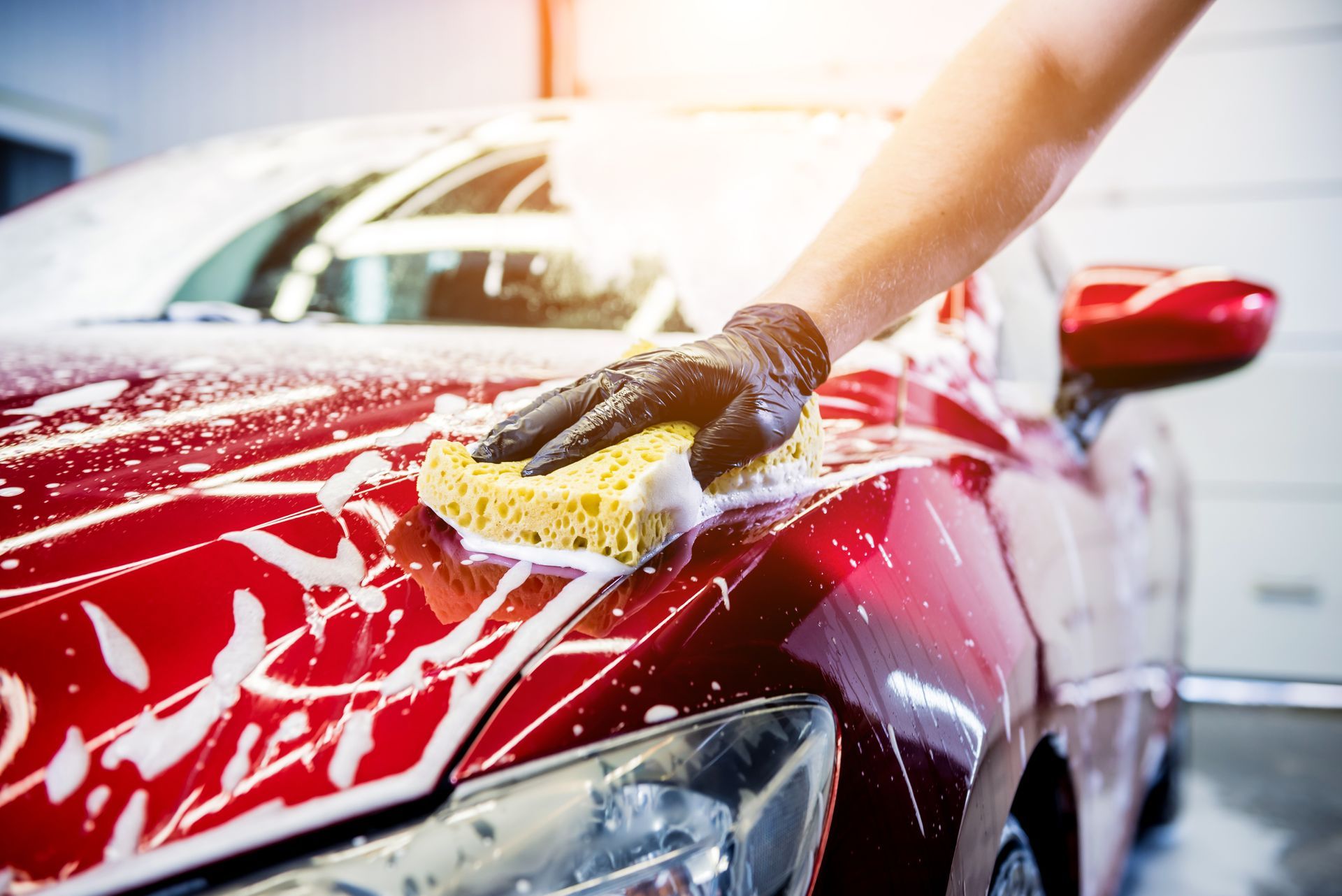
If you’re washing your car at home, avoid common mistakes that can actually ruin your paint.

  • Use the two-bucket method—one bucket for clean, soapy water and one for rinsing your mitt. This prevents rubbing dirt back onto the car, which can cause micro scratches.
  • Ditch the dish soap—household detergents strip protective coatings. Use a pH-balanced car shampoo instead.
  • Wash top to bottom—start with the roof and work downward to avoid dragging debris up onto cleaner areas.
  • Use microfiber—old rags and sponges can scratch paint. Microfiber towels and wash mitts protect your finish.


For a true deep clean, consider a foam cannon. Spraying thick foam lifts dirt and grime before you touch the paint, reducing chances of scratches.


Protect Your Paint From Seasonal Challenges

Ohio weather makes paint protection essential. From winter road salt to tree sap in summer, here’s how to keep your finish looking flawless.

  • Wax or sealant every three to six months to protect against UV rays, road debris, and harsh weather.
  • Ceramic coatings provide long-lasting protection against contaminants and scratches.
  • Park smart—avoid trees where bird droppings and sap can damage the finish, and steer clear of construction zones to avoid gravel and dust.
  • Rinse off road salt in winter to prevent corrosion and paint damage.


If you’re constantly parking in Cincinnati’s dense neighborhoods like Oakley or Norwood, where you’re squeezed between cars, consider paint protection film to guard against door dings and scrapes.


Avoid the Biggest Car Paint Killers

Some everyday habits can cause serious damage to your car’s paint.

  • Automatic car washes with brushes—those rollers scratch paint like sandpaper. If using an automatic wash, go touchless.
  • Bird droppings left unattended—they’re acidic and eat into the paint fast.
  • Gas station squeegees—great for glass, but using them on paint is a recipe for disaster.
  • Leaving tree sap too long—it hardens and requires a chemical remover to get off safely.
  • Skipping wax or sealant—unprotected paint gets dull and vulnerable to damage.


Extend the Life of Your Car’s Paint With Regular Maintenance

Paint care isn’t just about looks—it’s also about protecting the value of your vehicle.

  • Hand wash regularly to keep dirt and contaminants off. Aim for biweekly washes.
  • Clay bar treatment removes embedded dirt and pollutants once every three to six months.
  • Polishing restores gloss and removes fine scratches.
  • Interior cleaning matters too—because what’s a shiny exterior if the inside is a mess?


Paint chips and dull spots don’t happen overnight—they result from neglect over time. Protect your car now, and it’ll hold its shine for years to come.


Pollen or Parking Lot Scrapes—Which Is Worse?

Everyone in Cincinnati has battled pollen season. One day your car looks great, the next it’s covered in a layer of yellow dust thicker than the fog rolling in from the Little Miami River.


Or maybe you’ve taken the riskier route—parking downtown. Finding a spot in Over-the-Rhine feels like winning the lottery, until you return to find a mysterious scratch that definitely wasn’t there before.


Either way, keeping your car’s paint in top shape isn’t just for looks—it’s for long-term protection and your own peace of mind.

So what do you think—pollen or mystery scratches? 
Book An Appointment Today!
August 24, 2026
Transmission problems have a reputation for being expensive, which is one reason drivers sometimes avoid dealing with the early symptoms. The problem with that strategy is that transmission concerns rarely improve by themselves. A small leak, abnormal shift, fluid problem, electrical fault, or worn component can become a much larger issue when it is ignored. Your transmission is responsible for transferring engine power to the wheels while keeping the engine operating within an effective range. Modern transmissions are also highly computerized, which means a shifting problem can involve mechanical components, hydraulic pressure, fluid condition, sensors, control modules, or a combination of systems. That is why accurate diagnosis is important before assuming the transmission itself has failed. Pay Attention to Changes in the Way the Car Shifts One of the most common signs of trouble is a noticeable change in shifting behavior. You may feel the vehicle hesitate before moving into drive or reverse, shift much harder than it used to, hold a gear longer than expected, or seem to change gears at unusual times. Some drivers describe the vehicle as surging or jerking during acceleration. Another important symptom is slipping. If engine RPM rises but the vehicle does not accelerate at the same rate, the transmission may not be transferring power normally. Slipping can sometimes be intermittent at first, especially under heavier acceleration, but it deserves professional attention before it becomes more severe. Unusual noises can also provide clues. Whining, humming, clunking, or grinding that changes based on vehicle speed or transmission operation may indicate that something within the drivetrain needs to be inspected. Do Not Ignore Transmission Fluid Leaks Fluid underneath your vehicle should always be investigated, particularly when it may be transmission fluid. The transmission depends on the proper amount and condition of fluid for lubrication, cooling, hydraulic pressure, and normal operation. Driving with the fluid level too low can increase heat and wear and potentially create additional damage. Transmission fluid service requirements also vary significantly by vehicle. There is no single interval or fluid that applies to every make and model. The appropriate approach is to follow the manufacturer's specifications and evaluate the vehicle based on its mileage, service history, operating conditions, and transmission design. A Warning Light Does Not Automatically Mean a New Transmission Modern vehicles monitor transmission operation through electronic control systems. A warning light or stored diagnostic trouble code may indicate a transmission-related concern, but the code itself does not necessarily mean the entire transmission requires replacement. Sensors, wiring, fluid pressure problems, control components, and other faults can create symptoms that feel like a major mechanical failure. Proper diagnosis gives you the information needed to make a rational repair decision instead of assuming the worst. If your vehicle has started shifting differently, hesitating, slipping, leaking fluid, or displaying a transmission-related warning, Avid Autocare can inspect and diagnose the problem. Addressing a change early gives you a better opportunity to understand what is happening before the vehicle becomes difficult or impossible to drive.
By VIV Builder August 17, 2026
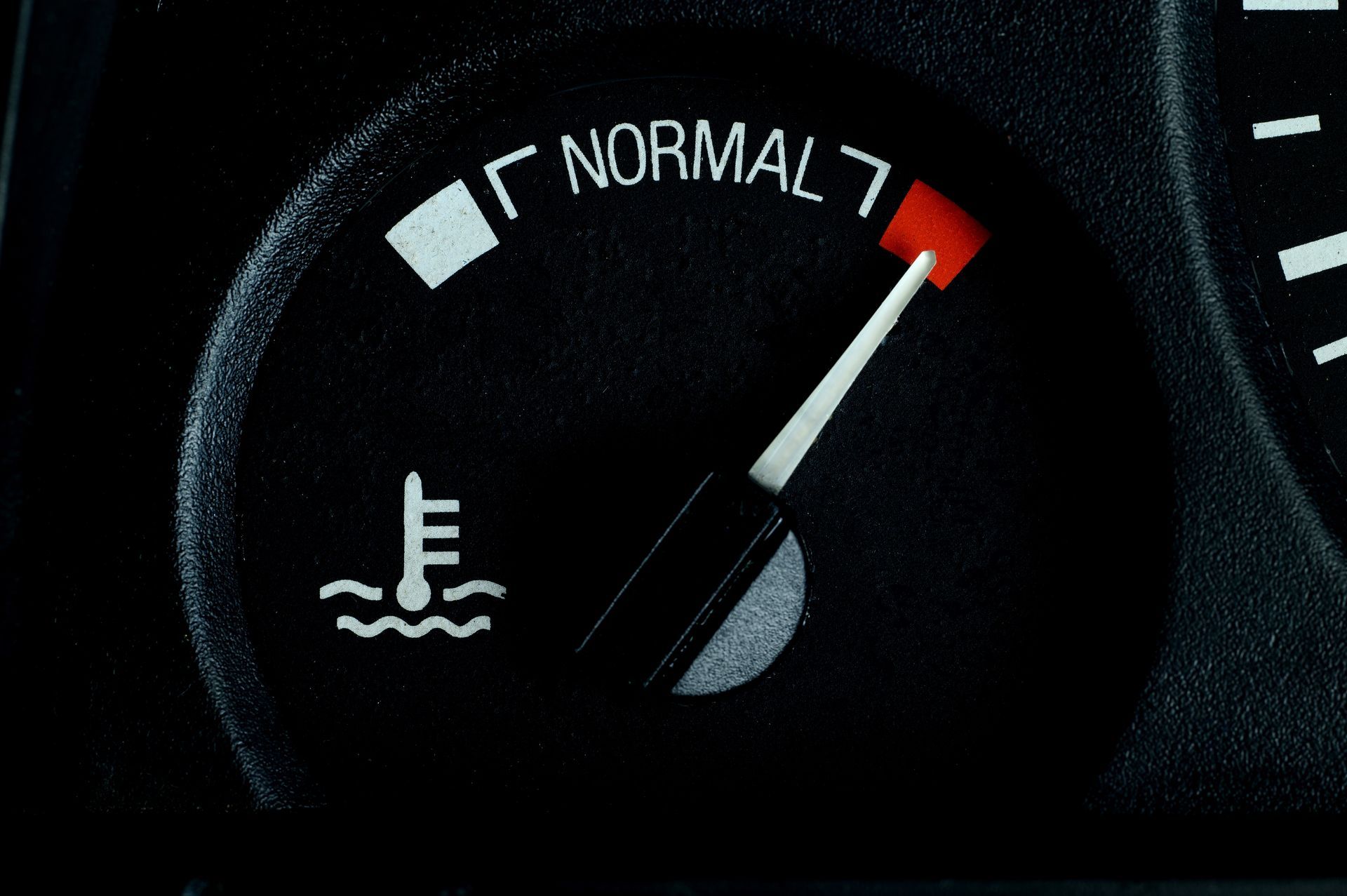
Learn common causes of engine overheating, what to do if your car overheats, and when to schedule cooling system repair in Cincinnati.
By VIV Builder August 10, 2026
Prepare for your next road trip with a pre-trip vehicle inspection. Learn what to check before traveling from Cincinnati.
By Admin August 3, 2026
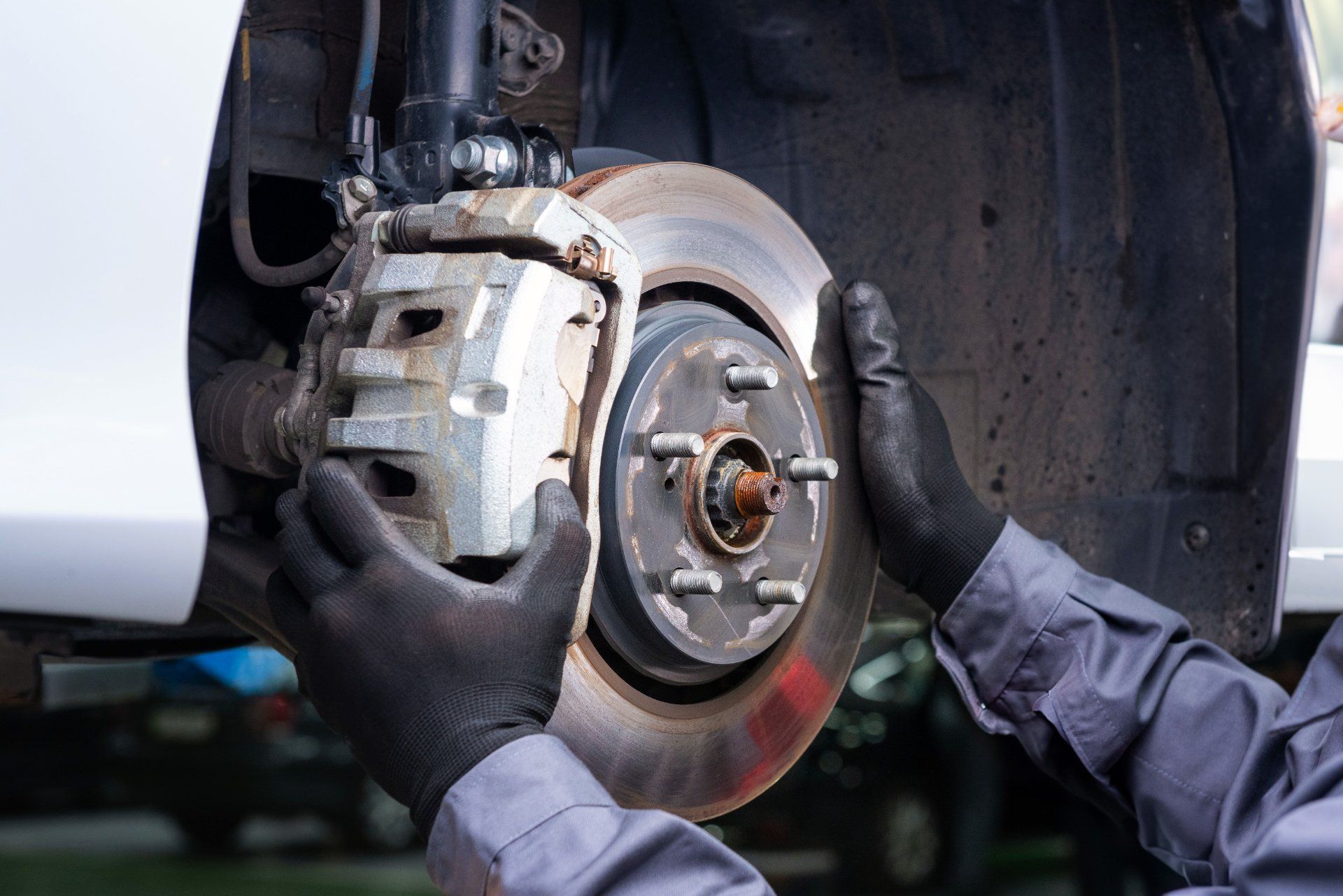
Your vehicle’s braking system is one of its most important safety systems. However, brake pads and other braking components wear gradually, which can make it difficult to recognize when service is needed.
By Admin July 27, 2026
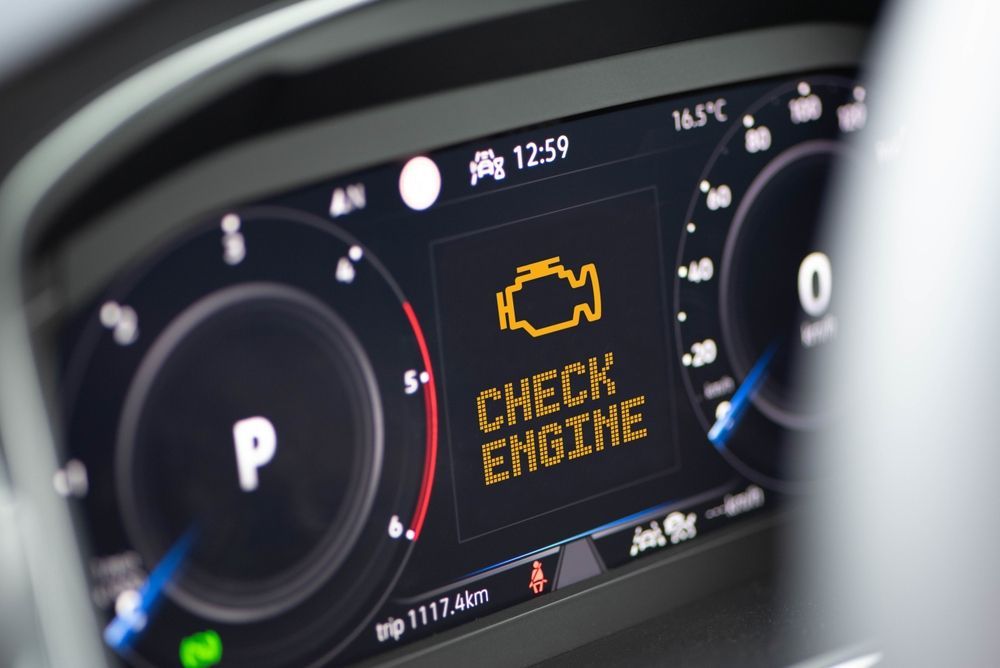
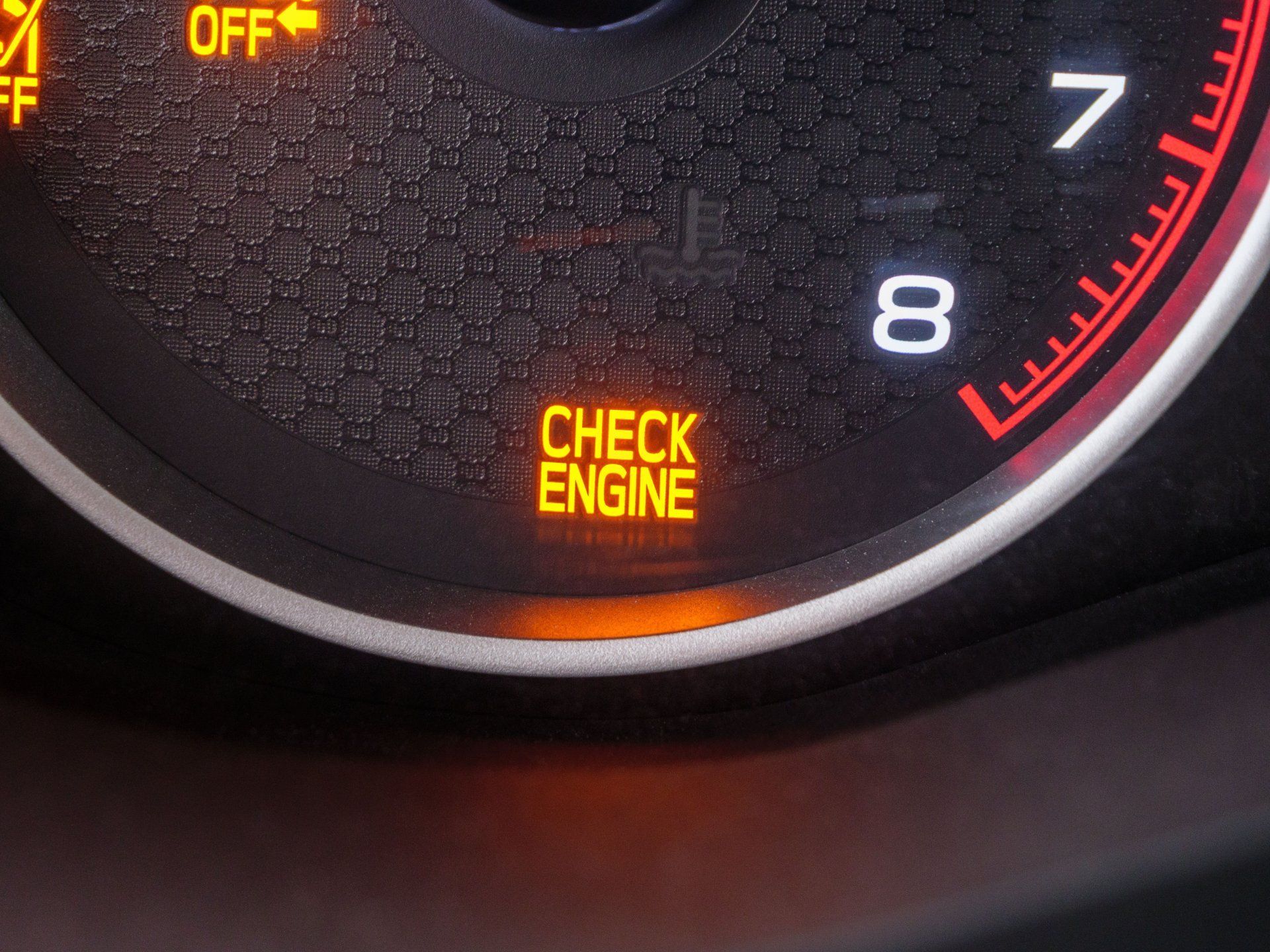
Check engine light on? Learn common causes, when it's safe to drive, and when to schedule diagnostics at Avid Autocare in Cincinnati.
By VIV Builder July 23, 2026
Learn how preventive maintenance helps Cincinnati drivers avoid breakdowns, reduce repair costs, and keep vehicles reliable longer.
By VIV Builder July 20, 2026
Learn the warning signs of brake problems and when Cincinnati drivers should schedule a brake inspection or repair to stay safe.
By VIV Builder July 16, 2026
Check engine light on? Learn common causes, when it's safe to drive, and when Cincinnati drivers should schedule diagnostics.
By VIV Builder July 13, 2026
Learn how digital vehicle inspections help Cincinnati drivers understand repairs, catch problems early, and make informed decisions.
By VIV Builder June 18, 2026
Fall rain and wet roads can affect how your car stops. Learn the warning signs and schedule a brake inspection with Avid Autocare in Cincinnati today.