
Get Your Battery and Alternator Checked Before Cincinnati's First Cold Snap
Samantha Boylls • October 12, 2026

Cold weather rarely breaks a charging system on its own. What it does is expose one that was already getting tired. A battery that started your car without complaint all summer can struggle on the first cold morning in Cincinnati, and an alternator that has been slowly weakening may no longer keep up.

October is a good time to get ahead of that. Nothing has gone wrong yet, which means you get to plan the visit instead of waiting on a jump start in a parking lot.

If you're already scheduling fall maintenance, a charging system check is an easy thing to add. Finding a weak part now means any alternator repair in Cincinnati happens on your schedule, not on a cold morning when the car won't start.

How Your Battery and Alternator Work Together

The battery's main job is to start the engine. Once the engine is running, the alternator takes over. It's a small generator, turned by a belt off the engine, that powers your lights, heater fan, and electronics while it recharges the battery.

Because the two depend on each other, a problem in one can look like a problem in the other. A battery that keeps going dead might be at the end of its life, or it might not be getting recharged. Replacing a battery without testing the alternator can mean paying for a part you didn't need.

Cold makes all of this harder. Batteries deliver less power at low temperatures, and the engine takes more effort to turn over on a cold start.

What a Charging System Check Involves

A proper check looks at the whole system rather than a single part. Here is what a technician typically covers:

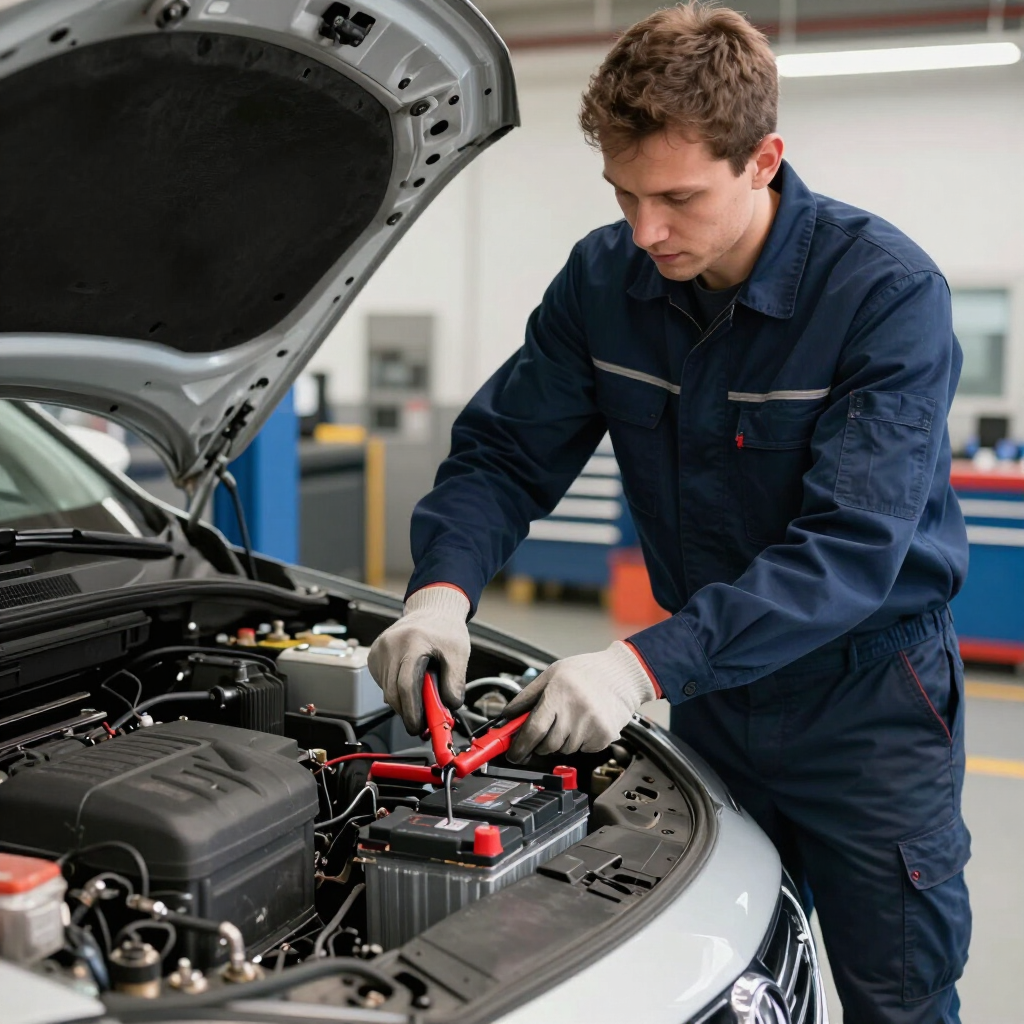
  1. Battery test. This checks the battery's ability to deliver power under load, not just whether it has a charge at the moment.
  2. Alternator output. With the engine running, the technician confirms the alternator is producing enough power to run the vehicle and recharge the battery.
  3. Cables and connections. Corrosion on the battery terminals or a loose cable can cause problems that look like a failing part.
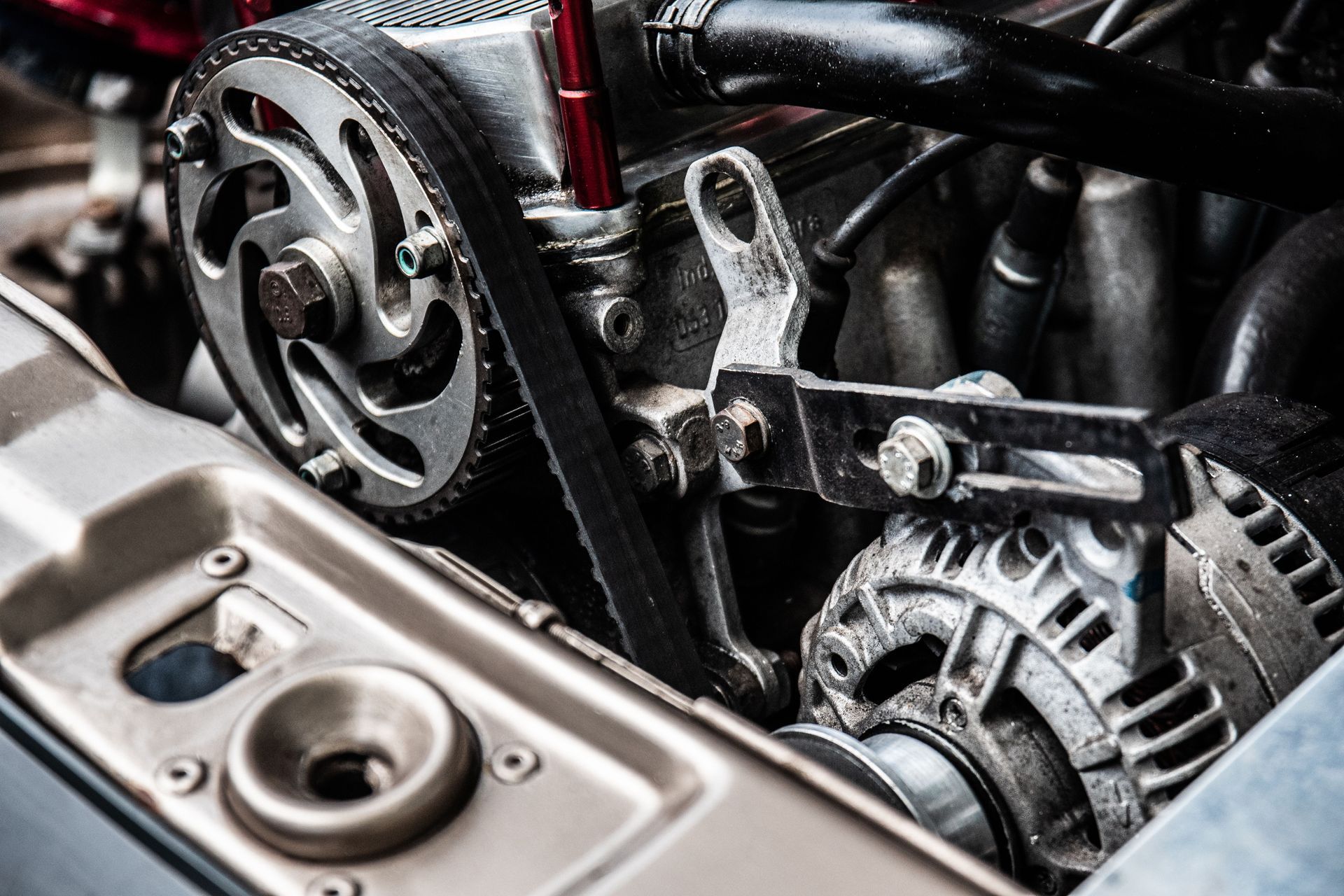
  4. Drive belt. A worn, cracked, or slipping belt can keep the alternator from doing its job.
  5. Stored codes. On many vehicles, the onboard computer records charging system faults, which can point the technician in the right direction.

Signs Worth Mentioning When You Call

Even before anything fails, small changes can show up. You can watch for these without picking up a tool:

  • The engine cranks more slowly than usual on cold mornings.
  • Headlights or dash lights dim at idle and brighten when you accelerate.
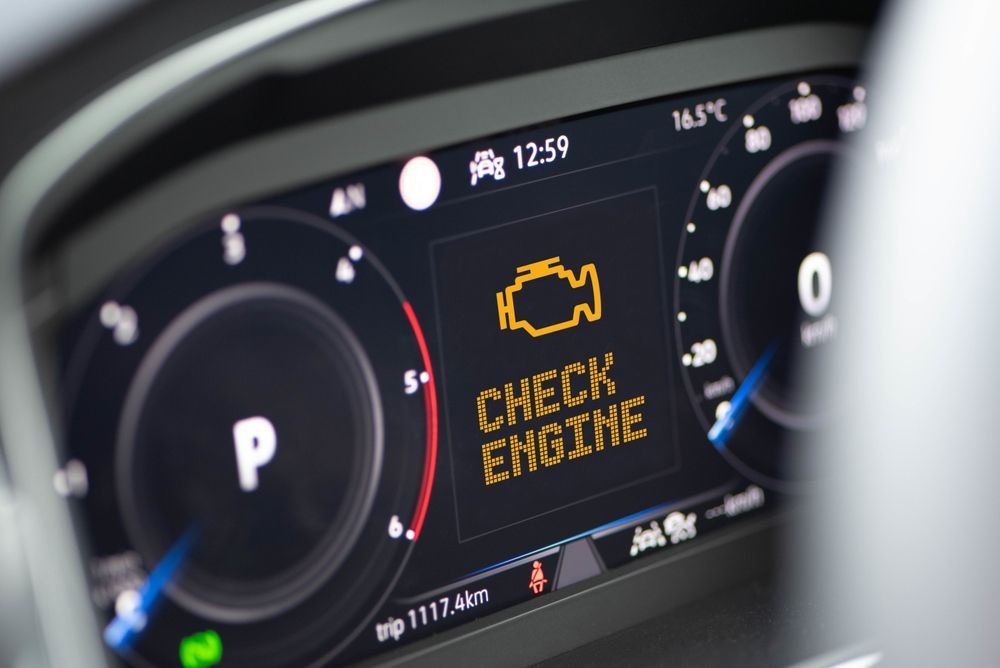
  • A battery or charging warning light comes on, even briefly.
  • Power windows or other accessories move slower than they used to.
  • A whining or squealing noise comes from the front of the engine.
  • White or green buildup appears around the battery terminals.

None of these tells you exactly what's wrong. They tell you it's time to have the system tested. Write down when you notice them, and leave the testing and any cable work to the shop, since a charging system carries enough current to cause burns or damage electronics if it's handled wrong.

Alternator Repair in Cincinnati: Test First, Replace Second

At Avid Autocare, the goal is to find out which part is actually the problem before anything gets replaced. Our electrical service tests the battery, alternator, and connections together. You also get a digital inspection with a detailed report on your vehicle's condition, including findings and photos.

When the alternator does need attention, our alternator service uses the same OEM parts the dealership uses, or reconditioned parts when that fits your situation better. Either way, the work is backed by our 3-year/36,000-mile warranty on parts and labor.

We would rather tell you your charging system tested fine than sell you a part you don't need. That is how we work: helping you get the most from your vehicle, over the longest time, for the least amount of money.

Fitting It Into Your Fall Maintenance

A charging system check pairs naturally with the rest of your fall preventive maintenance, so one visit covers it. Customers from Mariemont and Columbia-Tusculum often book online in the evening and drop their car off with our secure after-hours lock boxes. If you'd rather stay while we work, the waiting room has coffee, water, and free WiFi.

Planning ahead also gives you choices. If testing shows a part is near the end of its life, you decide when to replace it instead of having the decision made for you.

Book a Charging System Check

If your car has been slow to start, or you just want to know where things stand before winter, we'll test it and show you the results. Call 513-427-5000 or book online anytime. Avid Autocare is at 5591 Wooster Pike, Cincinnati, OH 45227, and every repair is backed by our 3-year/36,000-mile warranty on parts and labor.

Front view of a silver Volkswagen sedan in a garage, headlights on
By Samantha Boylls • October 19, 2026
Daylight saving time ends Nov. 1. Get headlight repair in Cincinnati sorted now, with after-hours drop-off and online booking from Avid Autocare.
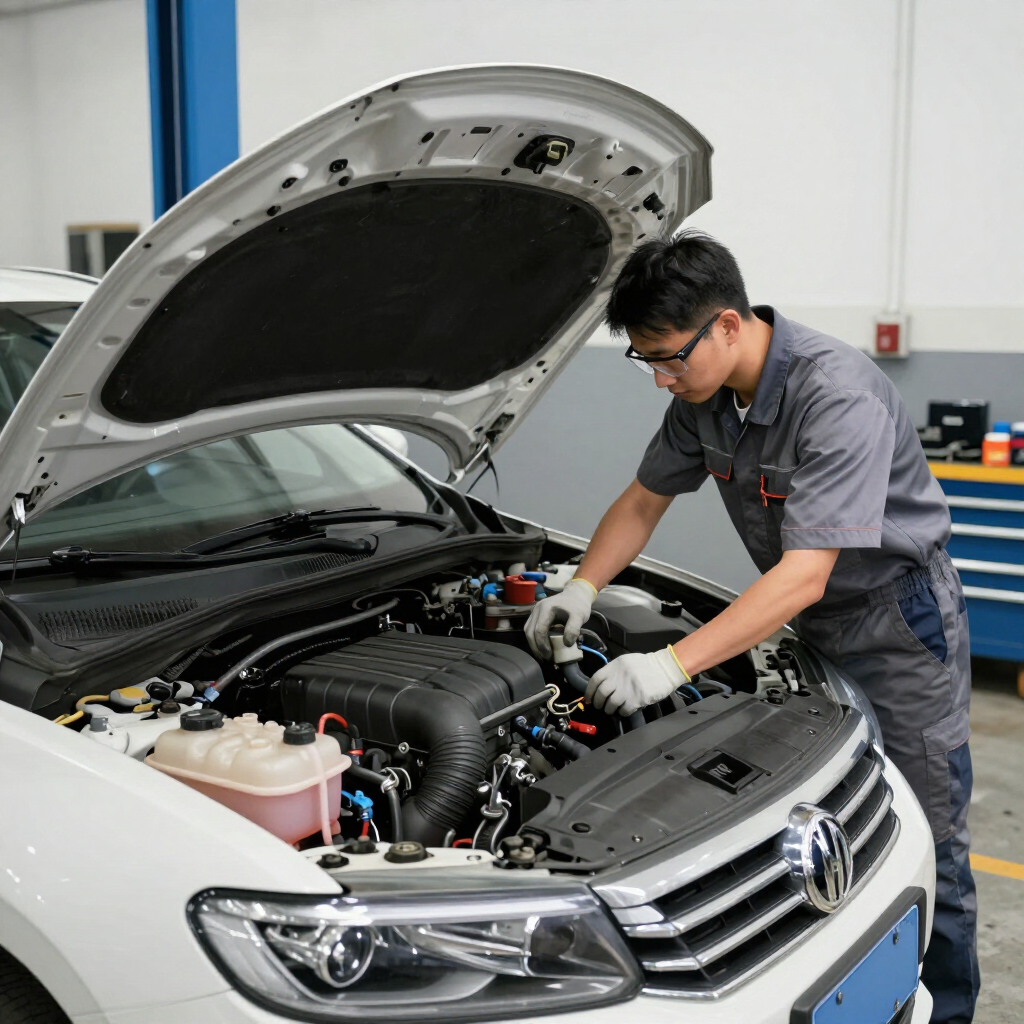
Mechanic inspecting a car engine with the hood open in a garage
By Samantha Boylls • October 5, 2026
Car heater not working in Cincinnati? Learn what a cold-air heater can point to, when to stop driving, and how Avid Autocare tracks down the cause.
September 28, 2026
A timing belt is one of the few parts you replace before it fails. Here is how to plan for it instead of reacting to it.
September 21, 2026
Slipping, hard shifts, or a delay when you put it in gear. Here is what to do first and when to stop driving.
September 7, 2026
Toyota service in Cincinnati is easy to put off when nothing feels wrong. Here is what to watch for and when to schedule.
August 24, 2026
Transmission problems have a reputation for being expensive, which is one reason drivers sometimes avoid dealing with the early symptoms. The problem with that strategy is that transmission concerns rarely improve by themselves. A small leak, abnormal shift, fluid problem, electrical fault, or worn component can become a much larger issue when it is ignored. Your transmission is responsible for transferring engine power to the wheels while keeping the engine operating within an effective range. Modern transmissions are also highly computerized, which means a shifting problem can involve mechanical components, hydraulic pressure, fluid condition, sensors, control modules, or a combination of systems. That is why accurate diagnosis is important before assuming the transmission itself has failed. Pay Attention to Changes in the Way the Car Shifts One of the most common signs of trouble is a noticeable change in shifting behavior. You may feel the vehicle hesitate before moving into drive or reverse, shift much harder than it used to, hold a gear longer than expected, or seem to change gears at unusual times. Some drivers describe the vehicle as surging or jerking during acceleration. Another important symptom is slipping. If engine RPM rises but the vehicle does not accelerate at the same rate, the transmission may not be transferring power normally. Slipping can sometimes be intermittent at first, especially under heavier acceleration, but it deserves professional attention before it becomes more severe. Unusual noises can also provide clues. Whining, humming, clunking, or grinding that changes based on vehicle speed or transmission operation may indicate that something within the drivetrain needs to be inspected. Do Not Ignore Transmission Fluid Leaks Fluid underneath your vehicle should always be investigated, particularly when it may be transmission fluid. The transmission depends on the proper amount and condition of fluid for lubrication, cooling, hydraulic pressure, and normal operation. Driving with the fluid level too low can increase heat and wear and potentially create additional damage. Transmission fluid service requirements also vary significantly by vehicle. There is no single interval or fluid that applies to every make and model. The appropriate approach is to follow the manufacturer's specifications and evaluate the vehicle based on its mileage, service history, operating conditions, and transmission design. A Warning Light Does Not Automatically Mean a New Transmission Modern vehicles monitor transmission operation through electronic control systems. A warning light or stored diagnostic trouble code may indicate a transmission-related concern, but the code itself does not necessarily mean the entire transmission requires replacement. Sensors, wiring, fluid pressure problems, control components, and other faults can create symptoms that feel like a major mechanical failure. Proper diagnosis gives you the information needed to make a rational repair decision instead of assuming the worst. If your vehicle has started shifting differently, hesitating, slipping, leaking fluid, or displaying a transmission-related warning, Avid Autocare can inspect and diagnose the problem. Addressing a change early gives you a better opportunity to understand what is happening before the vehicle becomes difficult or impossible to drive.
By VIV Builder • August 17, 2026
Learn common causes of engine overheating, what to do if your car overheats, and when to schedule cooling system repair in Cincinnati.
By VIV Builder • August 10, 2026
Prepare for your next road trip with a pre-trip vehicle inspection. Learn what to check before traveling from Cincinnati.
By Admin • August 3, 2026
Your vehicle’s braking system is one of its most important safety systems. However, brake pads and other braking components wear gradually, which can make it difficult to recognize when service is needed.