
Transmission Trouble in Cincinnati Traffic: What to Do and When to Stop Driving

If your transmission is slipping right now, meaning the engine revs but the car does not pull the way it should, stop driving it and call 513-427-5000. We offer towing and we would rather move it on a truck than have you lose drive in traffic on Columbia Parkway.
If it is shifting hard, hesitating when you put it in gear, or making a noise it did not make last week, that is different. It needs to be looked at soon, but you are not necessarily stranded.
What follows is how to tell those situations apart and what happens when you bring it in. What this cannot do is tell you what is wrong with your specific vehicle. Nobody can do that from a description.
When to Stop Driving
Call before you drive any further if any of these are happening:
- The engine revs but the vehicle does not accelerate with it
- The transmission drops out of gear on its own while driving
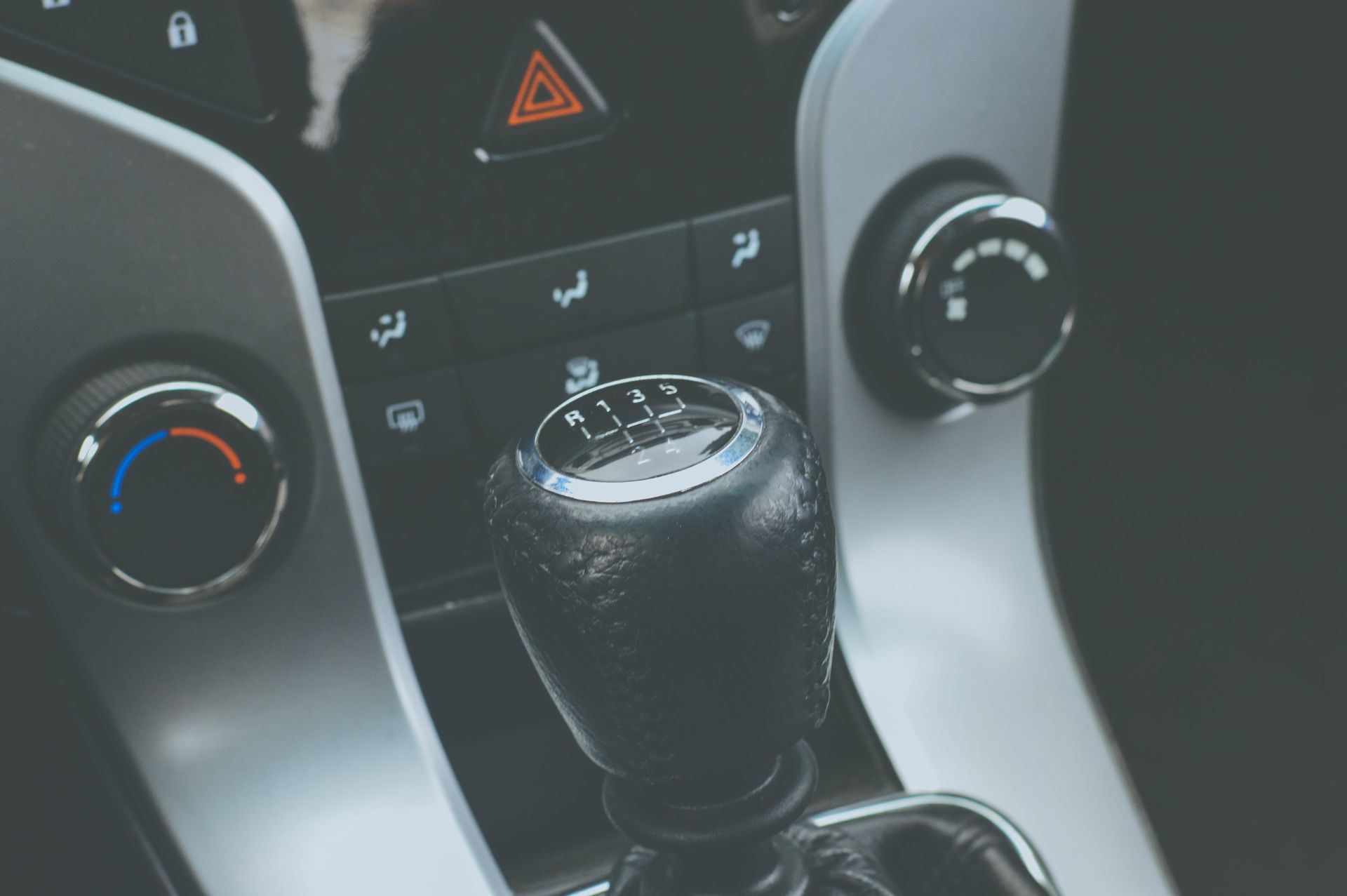
- It will not go into gear at all, or will not come out of one
- You smell something burning
- There is a significant fluid leak underneath and the puddle is growing
- A grinding or heavy metallic noise appears when it shifts
Losing drive in traffic is a control problem, not just a repair problem. That is the reason to make the call rather than trying to nurse it a few more miles.
Symptoms That Need Attention Soon
These are worth getting in front of, and they are the ones that most often bring people to us before something larger happens.
- A delay of a second or more between shifting into drive and the car engaging
- Shifts that feel harder or more abrupt than they used to
- A shudder at a steady speed, often around highway cruising
- Hunting between gears on a hill instead of settling into one
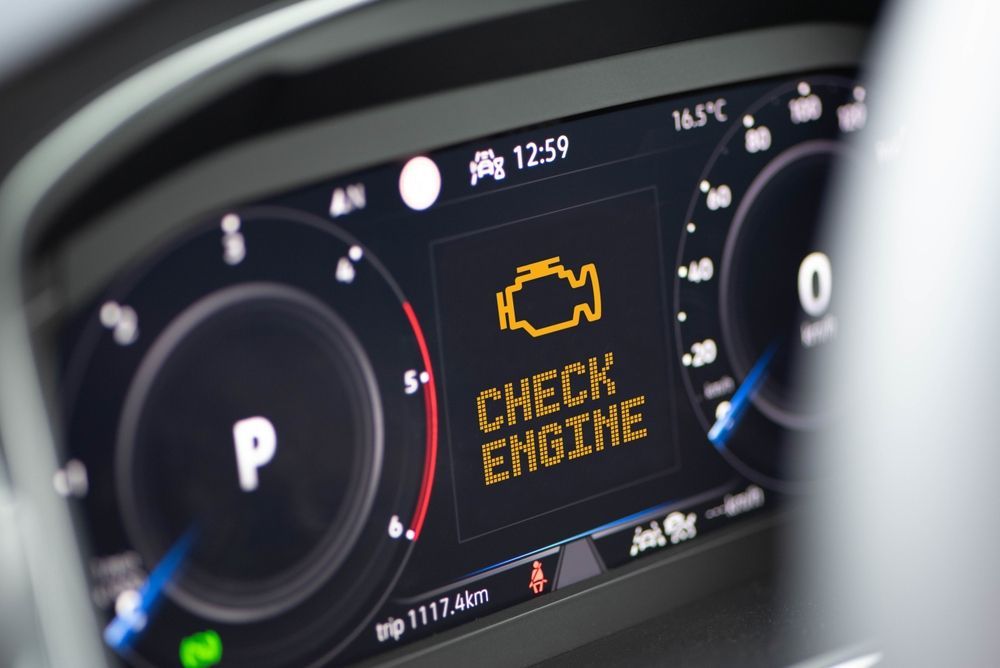
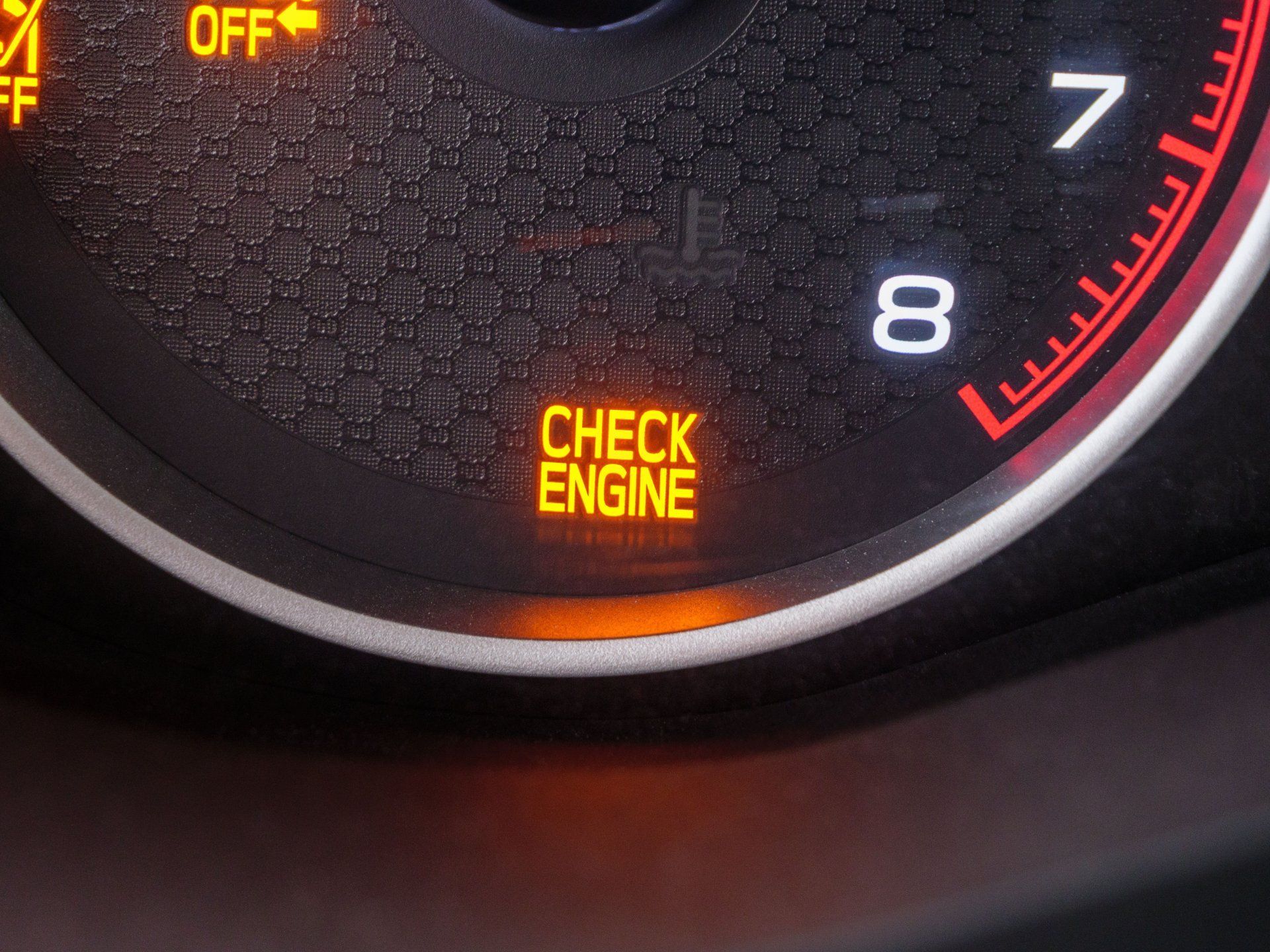
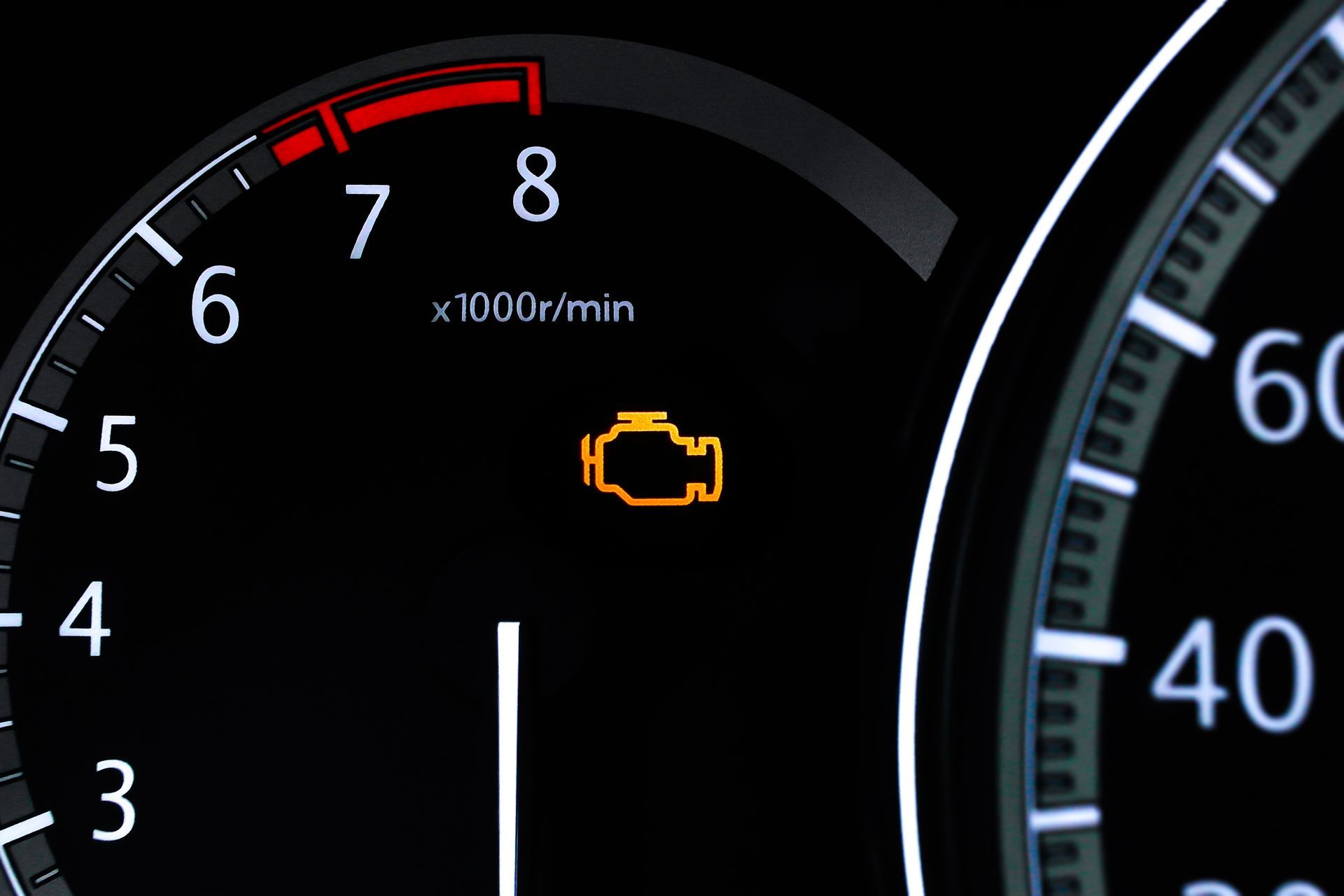
- A check engine light that came on around the same time the shifting changed
- Red or brown fluid spots showing up where you park
Write down when it happens. Cold start or after twenty minutes of driving, uphill or level, light throttle or heavy. That pattern narrows things down considerably and it is information only you have.
What Cincinnati Driving Asks of a Transmission
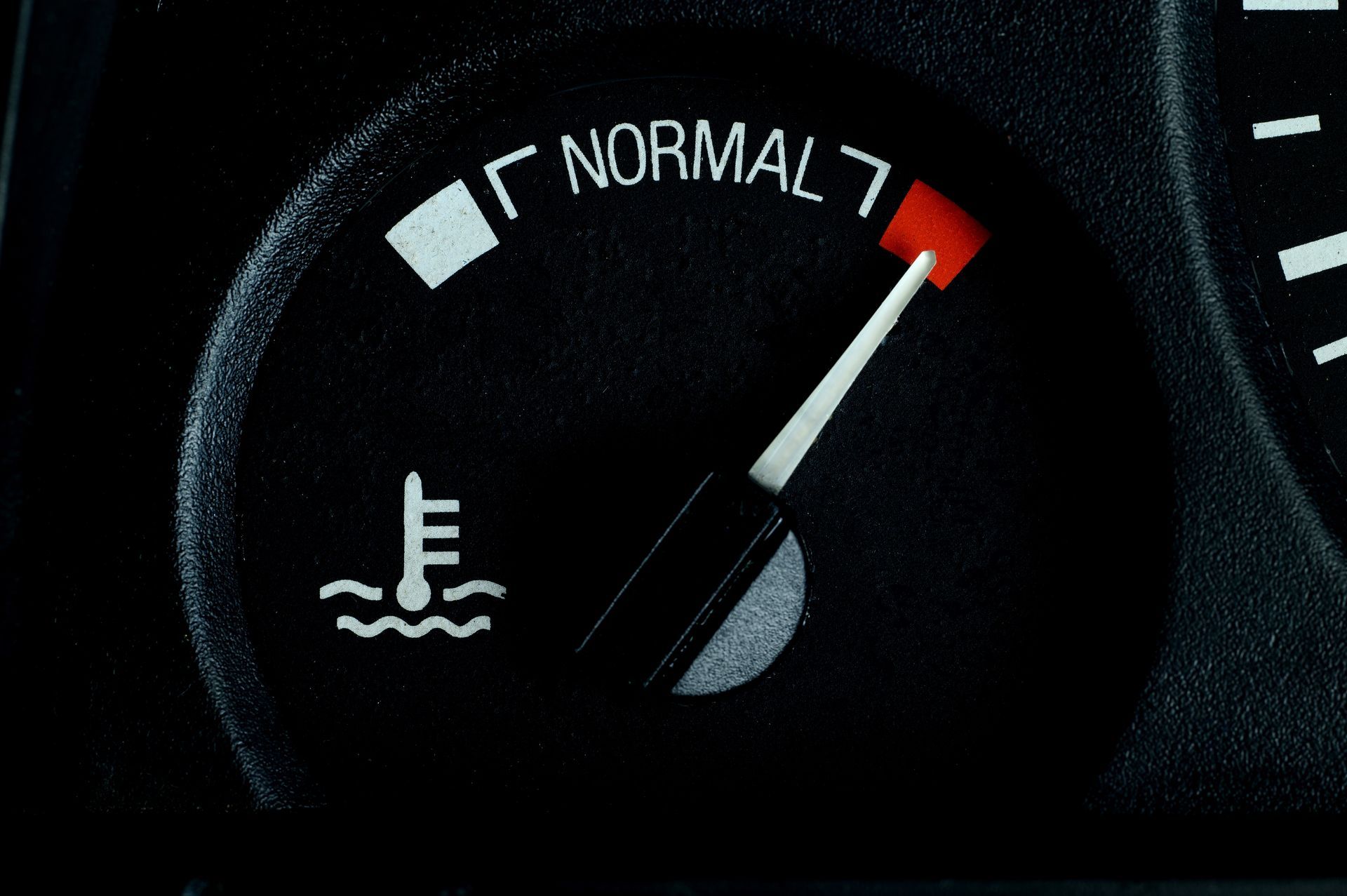
Heat is what wears a transmission, and this area generates plenty of it.
Hills are the first reason. Climbing puts the transmission under sustained load, and around here you are rarely on flat ground for long. Every grade between the river and the ridges is work the transmission has to do.
Stop-and-go traffic is the second. Constant shifting through the lower gears builds more heat than steady highway cruising does, and a short commute never gives the fluid a chance to stabilize.
Summer humidity stacks on top of both. The cooling system and the transmission cooler are working against a higher ambient temperature for months at a stretch.
None of this means your transmission is failing. It means the fluid in it does more work here than the same fluid would somewhere flat and dry, and that is why transmission fluid service is worth staying current on.
Why Transmission Repair in Cincinnati Starts With Testing
Transmissions are expensive to guess at, which is exactly why we do not.
Modern transmissions are computer controlled, and a shifting complaint can originate in the transmission itself, in a solenoid or sensor, in the wiring, in the fluid condition, or in an engine problem the transmission is only reacting to. Those have very different repairs attached to them.
So the first step is a computer diagnostic along with a physical inspection. We pull codes, look at live data while the vehicle runs, check fluid level and condition, and look for leaks and damage before anybody says the word rebuild.
Sometimes what looks alarming turns out to be contained. Sometimes it is significant. Either way you find out from testing, not from a guess, and you see the findings in a digital inspection report before you decide anything.
What You Decide From There
Once we know what is actually going on, you get the options in plain terms. What has to happen for the vehicle to be safe to drive, what can be scheduled, and what each of those paths involves.
Parts can be the same OEM parts the dealership uses or reconditioned parts, depending on the vehicle and your situation. Reconditioned is a legitimate choice, not a lesser one, and on larger jobs it is often the difference between doing the repair now and putting it off. Financing options are available if the timing is difficult, and we can walk through that with you.
Whatever route you take, the work is backed by our 3-year/36,000-mile warranty on parts and labor. If you need to be somewhere while the car is with us, ask about loaner cars and Uber rides when you call, and there are secure lock boxes for after-hours drop-off and pickup.
Get Your Transmission Looked At
If something changed in how your vehicle shifts, do not wait to see whether it settles down. Call 513-427-5000 to schedule transmission repair or to arrange towing if the car should not be driven. We are located at 5591 Wooster Pike, Cincinnati, OH 45227, and every repair is backed by our 3-year/36,000-mile warranty on parts and labor.