
Is Your Car Ready for a Cincinnati Road Trip? A Complete Pre-Trip Inspection Checklist

A road trip can place very different demands on your vehicle than an ordinary commute. Extended highway speeds, summer heat, heavy luggage and hours of continuous operation can expose problems that may not be obvious during short drives around Cincinnati.
A pre-trip vehicle inspection can help identify worn parts, low fluids and other concerns before you leave. It cannot guarantee that a breakdown will never occur, but it can reduce the likelihood of preventable problems interrupting your trip.
Whether you drive a sedan, crossover, SUV or another everyday passenger vehicle, use this checklist before heading out of town.
Check the Engine Oil
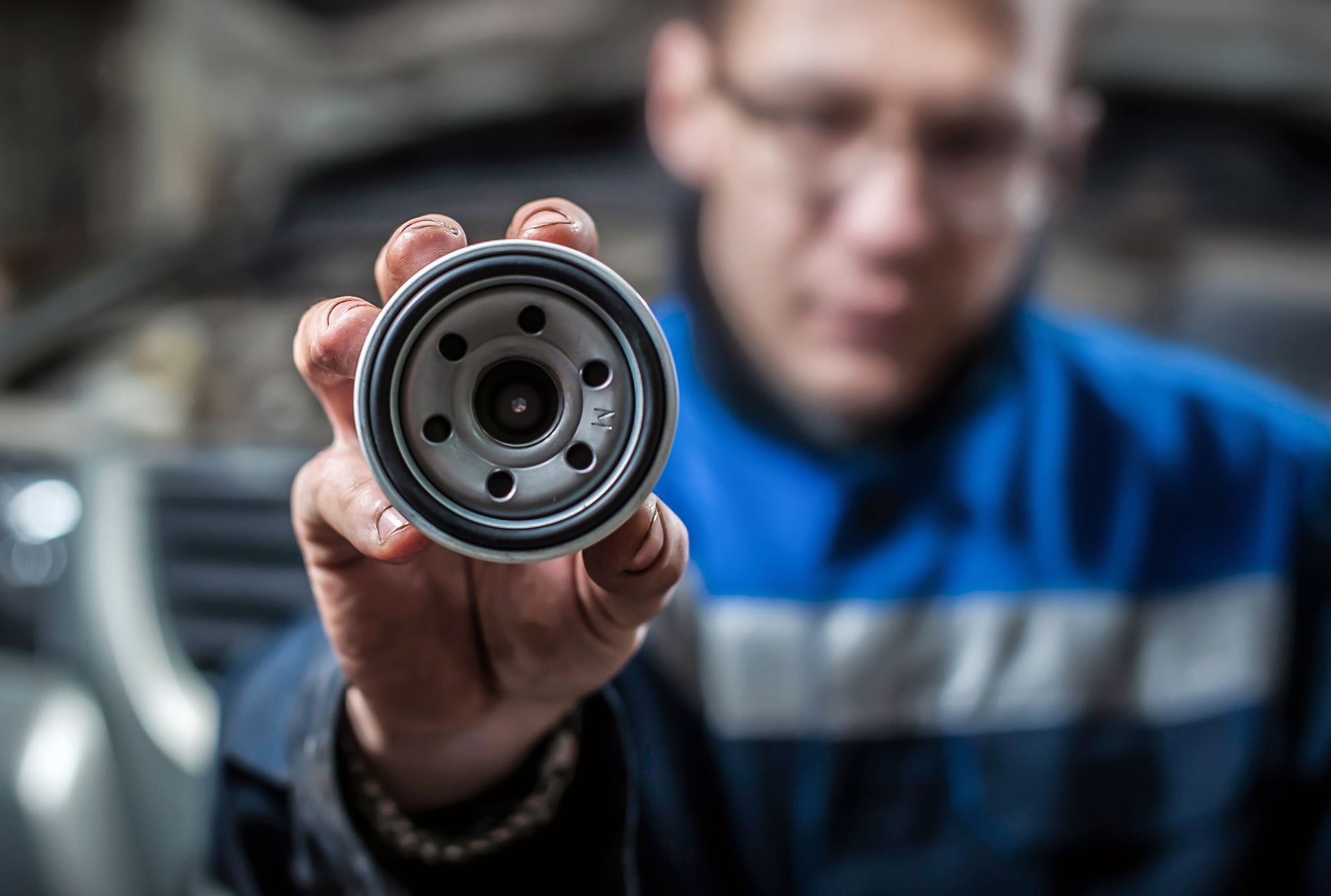
Engine oil lubricates internal components, reduces friction and helps control heat.
Check the oil level when the vehicle is parked on level ground and follow the procedure in the owner’s manual. Some vehicles use an electronic oil-level monitor instead of a traditional dipstick.
If the oil is low, determine whether the vehicle is due for service or may have a leak. Adding oil without investigating repeated oil loss can allow a larger issue to go unnoticed.
If the oil-change interval will come due during the trip, consider completing the service before departure.
Inspect the Tires
Tires affect handling, braking, fuel economy and overall safety.
Before your trip, check:
- Tire pressure when the tires are cold
- Tread depth
- Uneven wear
- Cracks, bubbles or sidewall damage
- Embedded nails or other objects
- The condition and pressure of the spare tire
Use the pressure listed on the vehicle’s door-jamb label, not the maximum pressure printed on the tire sidewall.
Uneven tread wear may indicate an alignment or suspension problem. A vibration at highway speed should also be inspected before a long trip.
Have the Brakes Evaluated
Brakes are especially important when traveling through unfamiliar traffic, mountain roads or areas with frequent construction.
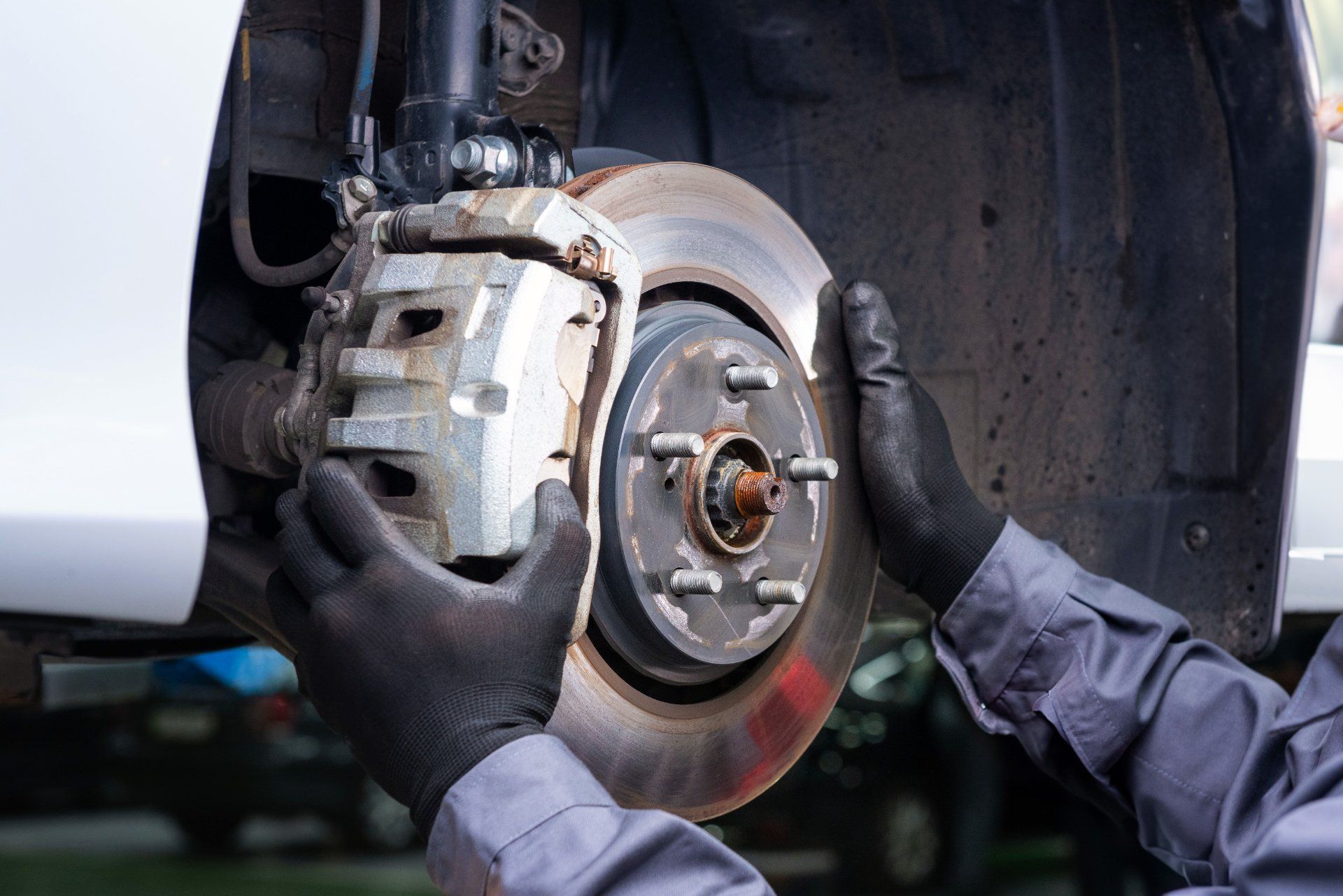
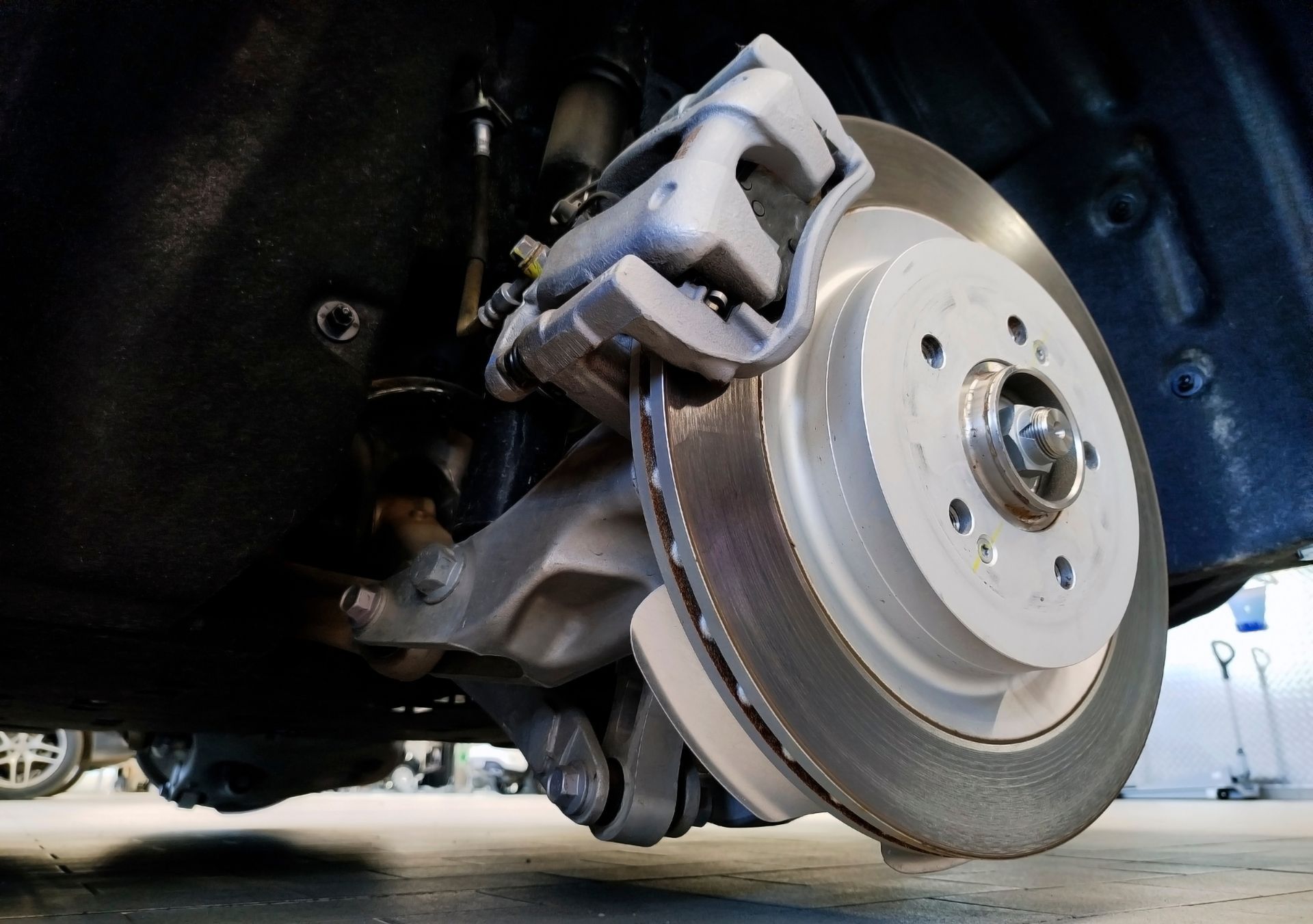
Listen for squealing or grinding and pay attention to vibration, pulling or changes in pedal feel. A professional inspection can measure pad thickness and examine the rotors, calipers, hoses and brake-fluid condition.
Do not wait until the night before departure to address brake concerns. Scheduling the inspection early gives you time to complete any necessary repairs.
Test the Battery and Charging System
A weak battery may continue starting the vehicle during normal use but fail after the vehicle sits overnight at a hotel or rest area.
Battery life is affected by age, heat, cold and electrical demands. A battery test can help determine whether it is still performing properly. The charging system should also be evaluated if you notice dim lights, slow cranking or a battery warning light.
Inspect the battery terminals for corrosion and make sure the cables are secure.
Check the Cooling System
The cooling system protects the engine from overheating. A small coolant leak or weak component may become more noticeable during extended highway driving or hot weather.
Look for:
- Low coolant
- Coolant stains beneath the vehicle
- Cracked or swollen hoses
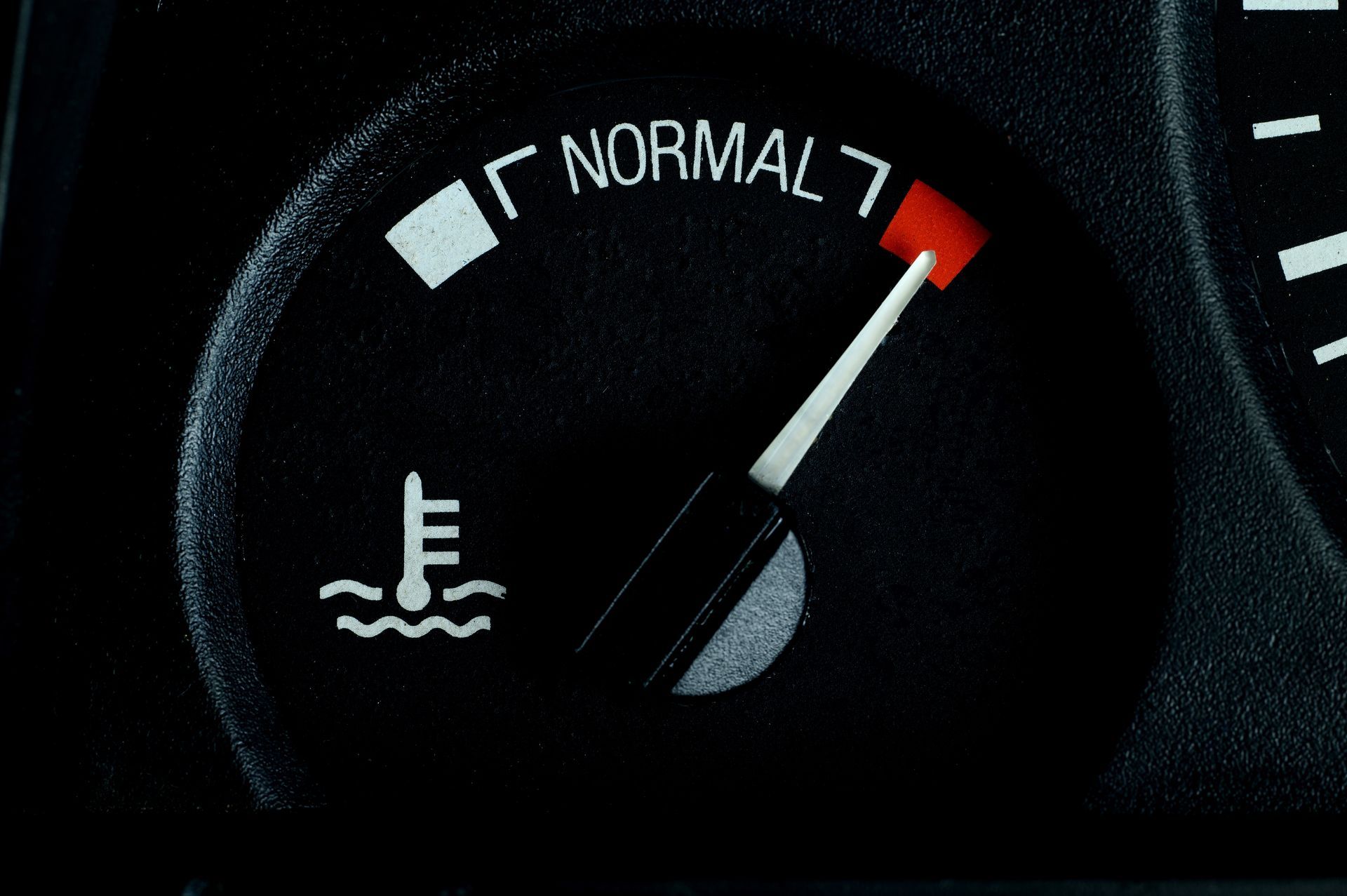
- A temperature gauge that runs higher than normal
- A sweet smell near the engine
- Inconsistent cabin heat
- Cooling fans that do not operate properly
Never remove a radiator or coolant-reservoir cap while the system is hot.
Inspect Belts and Hoses
Belts may operate the alternator, water pump, air-conditioning compressor and other accessories. Hoses carry coolant and other fluids throughout the vehicle.
Cracks, fraying, glazing, swelling or fluid seepage may indicate that a component is nearing the end of its useful life.
Because some belts and hoses are difficult to see without lifting the vehicle or removing covers, include them in a professional pre-trip inspection.
Test the Air Conditioning
Air conditioning is more than a comfort feature during a summer road trip. A properly functioning climate-control system can help keep the driver alert and make travel safer for children and pets.
If the air is not cold, airflow is weak or the system makes unusual noises, schedule service before leaving. Air-conditioning problems can involve refrigerant leaks, electrical components, sensors, the compressor or airflow restrictions.
Check Exterior Lights and Wipers
Walk around the vehicle and test the headlights, high beams, brake lights, turn signals, hazard lights and license-plate lights.
Replace worn windshield wipers if they streak, chatter or leave areas of the glass uncleared. Fill the windshield-washer reservoir with the correct fluid.
Clear visibility is particularly important during heavy rain and nighttime travel.
Review All Fluid Levels
Depending on the vehicle, fluids may include:
- Engine oil
- Engine coolant
- Brake fluid
- Transmission fluid
- Power-steering fluid
- Windshield-washer fluid
- Differential or transfer-case fluid
Not every fluid is designed to be checked by the vehicle owner. Some modern transmissions require a specific temperature and service procedure. Follow the manufacturer’s recommendations or have the vehicle inspected by a qualified technician.
Pay Attention to Dashboard Warning Lights
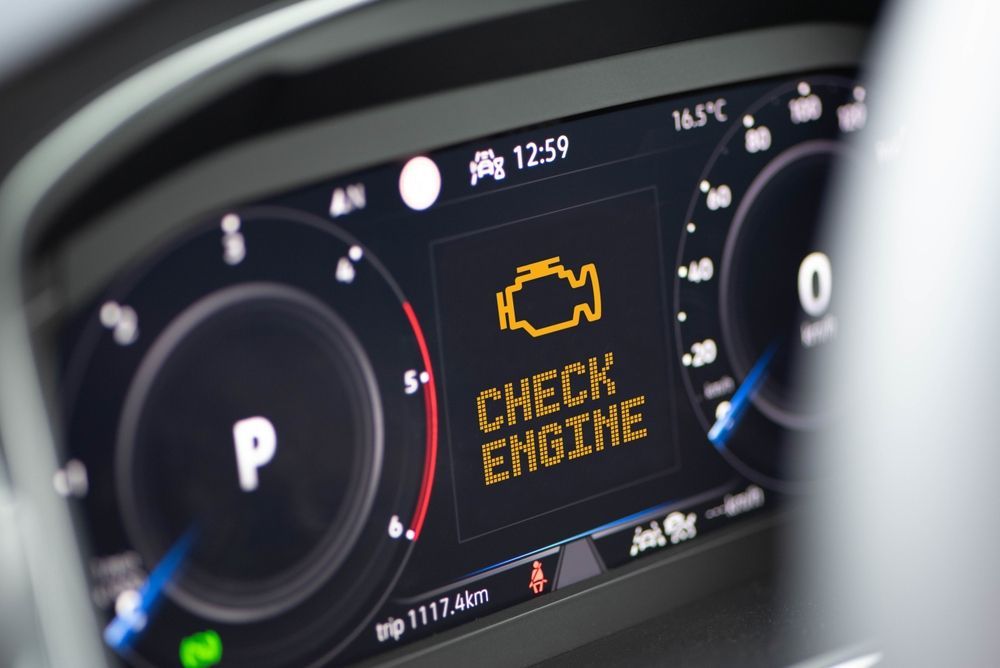
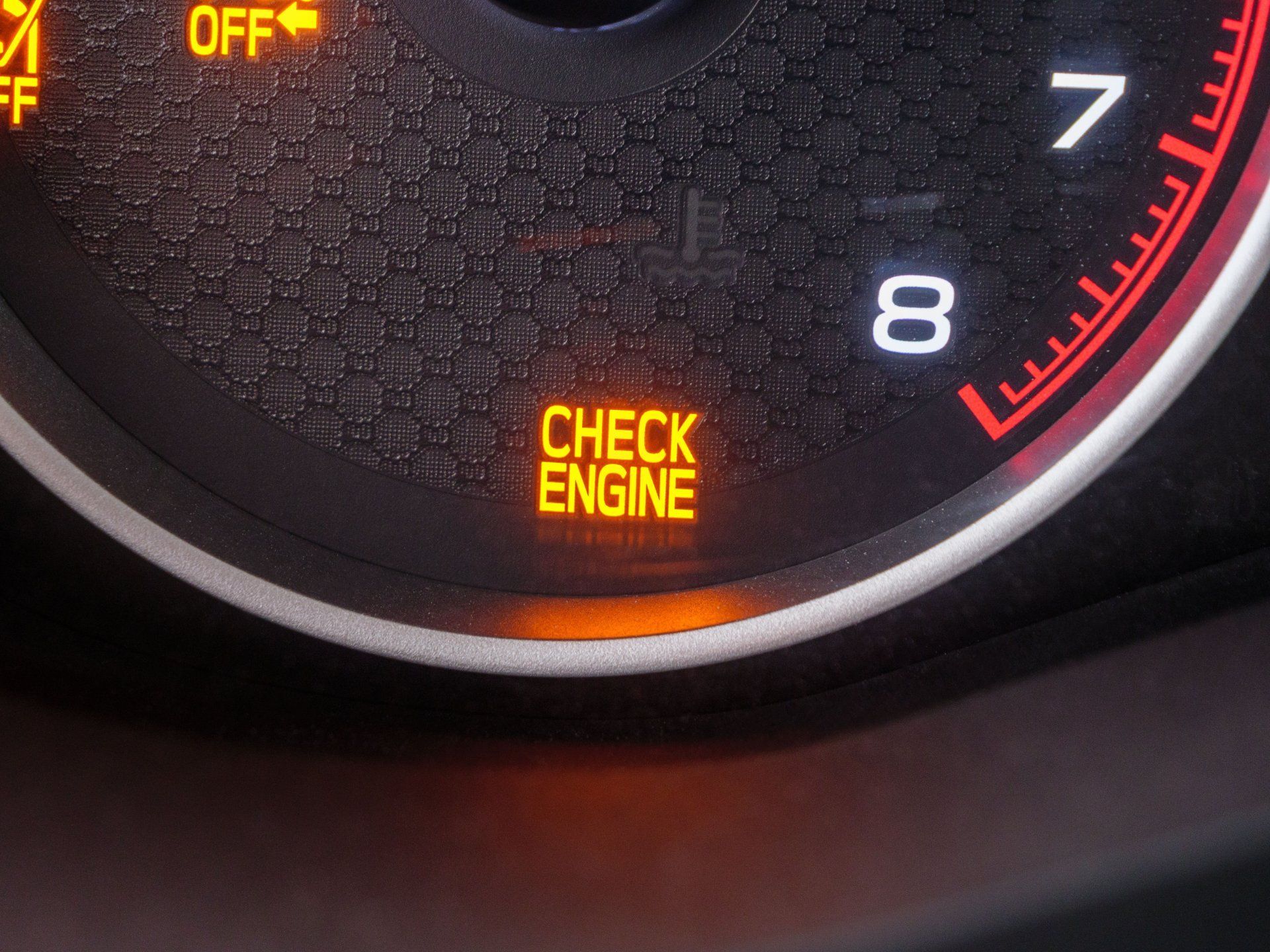
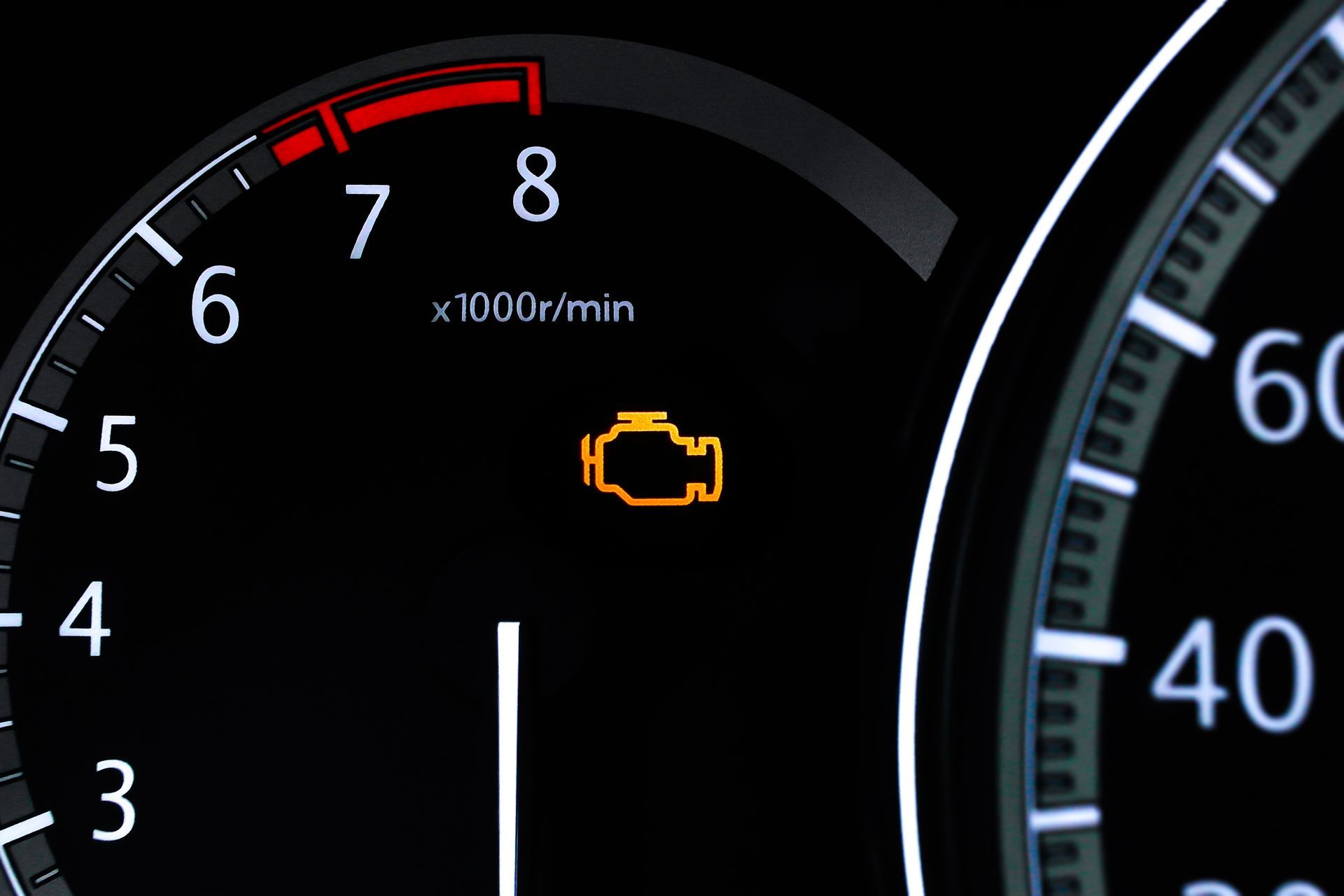
Do not begin a long trip with an unresolved check engine light, brake warning light, charging-system light or temperature warning.
A diagnostic code is only a starting point. Proper testing may be needed to identify the cause and determine whether the problem could affect reliability or safety during the trip.
Prepare an Emergency Kit
Even a well-maintained vehicle can experience a flat tire, severe weather or an unexpected road closure.
Consider carrying:
- A phone charger
- Flashlight and batteries
- First-aid supplies
- Jumper cables or a jump pack
- Basic tools
- Drinking water
- Reflective warning triangles
- Tire inflator and pressure gauge
- A blanket or weather-appropriate clothing
- Roadside-assistance information
Confirm that the spare tire, jack and wheel-lock key are present and accessible.
Confirm Your Maintenance Schedule
Review the vehicle’s mileage and maintenance history before leaving. Services that may be due include an oil change, tire rotation, filter replacement, brake-fluid service, transmission service or other manufacturer-recommended maintenance.
The correct schedule varies by make, model, engine and driving conditions. Your owner’s manual is the best starting point.
Pre-Trip Inspections for All Makes and Models
Avid Autocare services all makes and models, including everyday passenger cars, crossovers and SUVs. The shop’s published service information excludes motorhomes, classic cars and exotic vehicles from its oil-service promotion. Volkswagen, Audi and Porsche drivers are referred to the sister shop, Dubwerx.
When scheduling a pre-trip inspection, provide the year, make, model, mileage and destination. This information can help the shop consider the type of driving and conditions the vehicle may experience.
Schedule a Pre-Trip Vehicle Inspection in Cincinnati
A pre-trip inspection can help you leave Cincinnati with greater confidence in your vehicle’s condition.
Avid Autocare can inspect the tires, brakes, battery, fluids, belts, hoses, cooling system and other essential components before your next road trip. If the inspection identifies a concern, the team can explain the findings and help you determine what should be addressed before departure.
Schedule your pre-trip inspection early enough to allow time for any recommended maintenance or repairs.