
Why Is My Car Overheating? Common Cooling-System Problems and What to Do
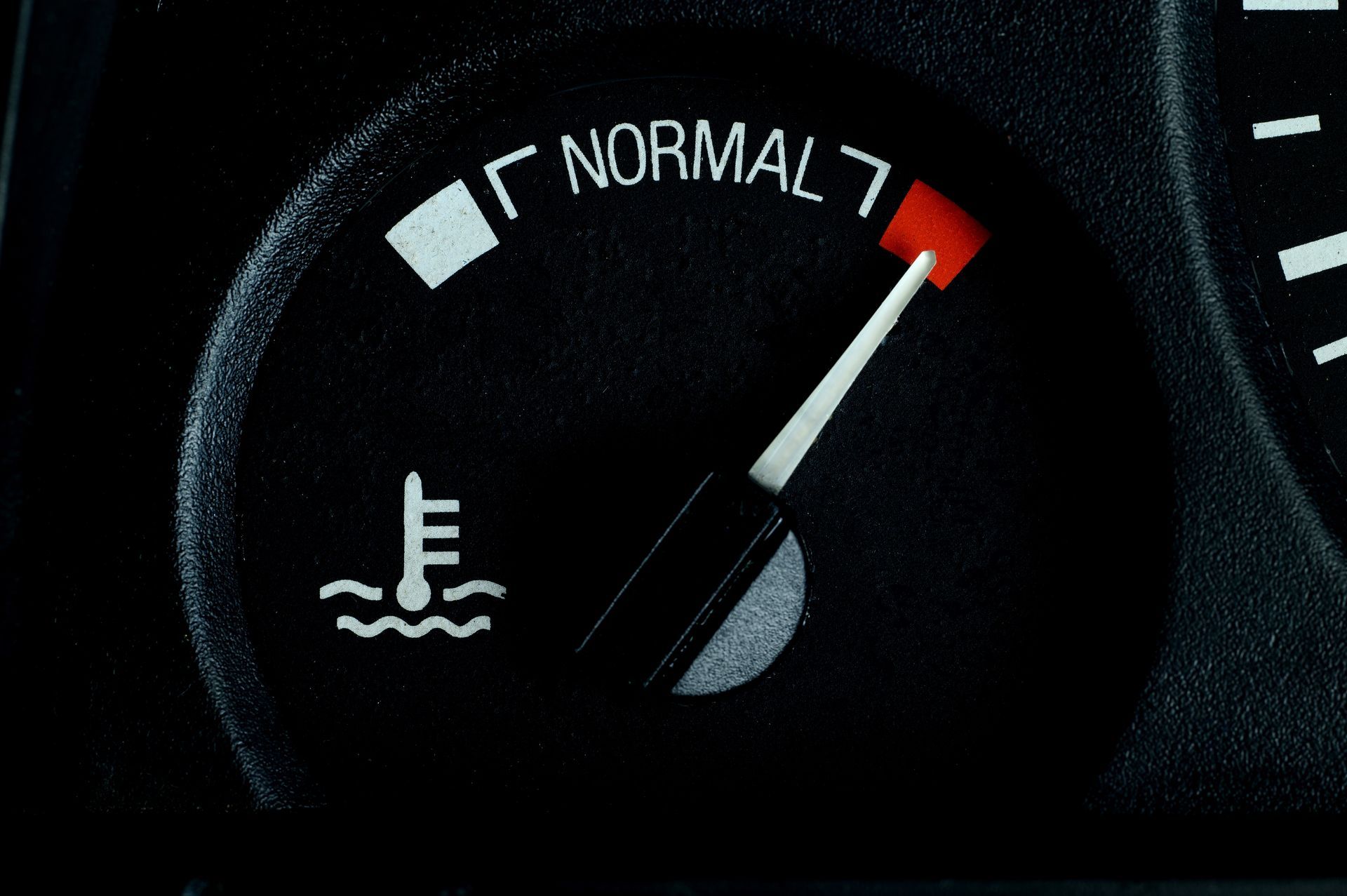
An overheating engine is a problem that should never be ignored. Modern engines operate within a carefully controlled temperature range. When the cooling system can no longer remove enough heat, temperatures can rise quickly and cause serious engine damage.
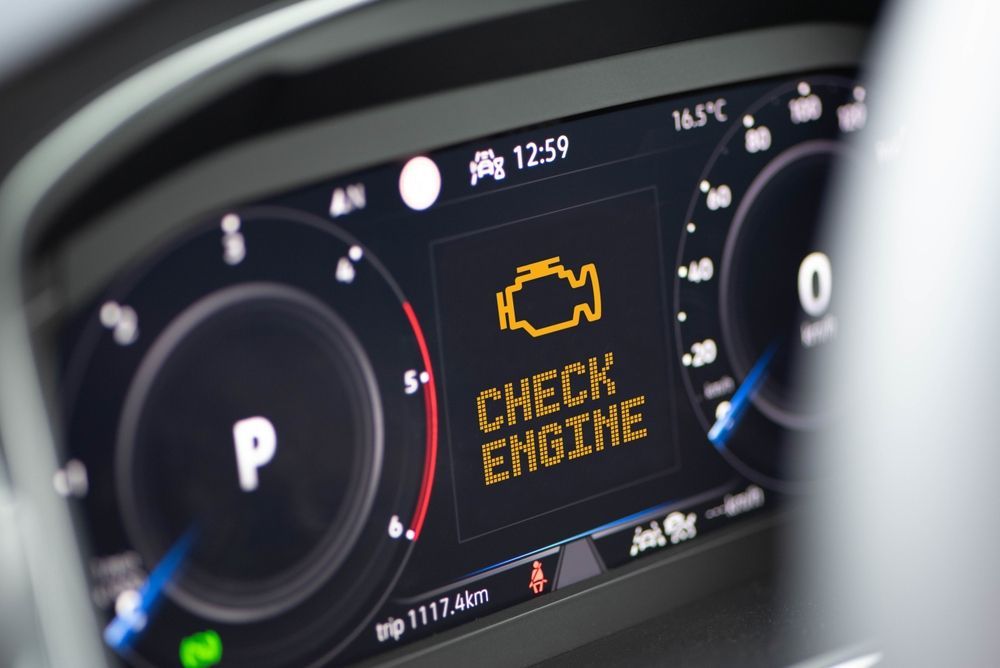
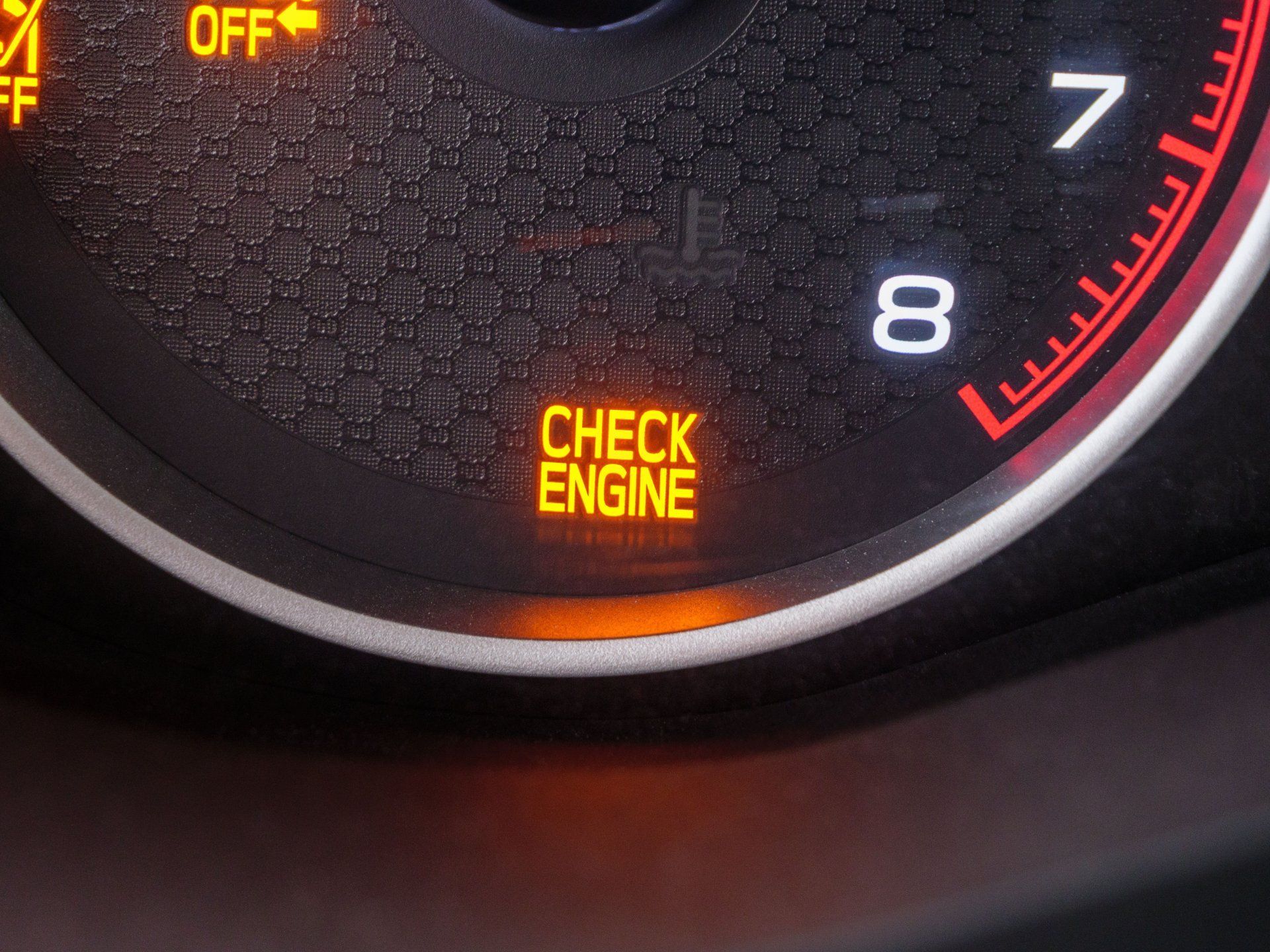
Cincinnati drivers may first notice a rising temperature gauge, a dashboard warning light, steam from under the hood or a sweet smell coming from the engine compartment.
Knowing what to do next can help protect the engine and keep a manageable cooling-system repair from becoming a major mechanical failure.
What Should You Do When Your Vehicle Starts Overheating?
If the temperature gauge enters the red zone or a temperature warning appears, safely pull off the road as soon as possible.
Turn off the engine and allow it to cool. Do not remove the radiator cap or coolant-reservoir cap while the system is hot. Cooling systems operate under pressure, and opening the cap can release scalding coolant and steam.
If the vehicle is losing coolant, producing heavy steam, running poorly or repeatedly overheating, have it towed instead of continuing to drive.
Turning the cabin heater on may temporarily help transfer some heat away from the engine while you move to a safe location, but it is not a repair and should not be used to continue a long drive.
Common Causes of Engine Overheating
Low Coolant
Coolant absorbs heat from the engine and carries it to the radiator. When the coolant level is too low, the system may not be able to regulate engine temperature.
Coolant does not normally disappear without a reason. If the level is repeatedly low, the vehicle may have an external leak, an internal engine leak or another cooling-system problem.
Coolant Leaks
Leaks may develop in the radiator, hoses, water pump, thermostat housing, reservoir or connections throughout the system.
Some leaks leave a puddle beneath the vehicle. Others occur only when the system is hot and pressurized, causing the coolant to evaporate before it reaches the ground.
Signs of a leak may include a sweet smell, dried residue around a hose connection, dampness beneath the hood or frequent low-coolant warnings.
Failing Thermostat
The thermostat regulates coolant flow between the engine and radiator.
If it sticks closed, coolant may not circulate through the radiator, causing the engine temperature to rise rapidly. A thermostat that sticks open can also create problems by preventing the engine from reaching its proper operating temperature.
Testing is important because thermostat symptoms can resemble those caused by low coolant, trapped air or a failing water pump.
Radiator Problems
The radiator releases heat from the coolant as air passes through its fins.
Corrosion, internal blockage, external debris or physical damage can reduce its ability to transfer heat. A radiator may also leak around its seams, tanks or hose connections.
Bent fins and debris should be addressed carefully because aggressive cleaning can damage the radiator.
Water-Pump Failure
The water pump circulates coolant through the engine, radiator and heater core.
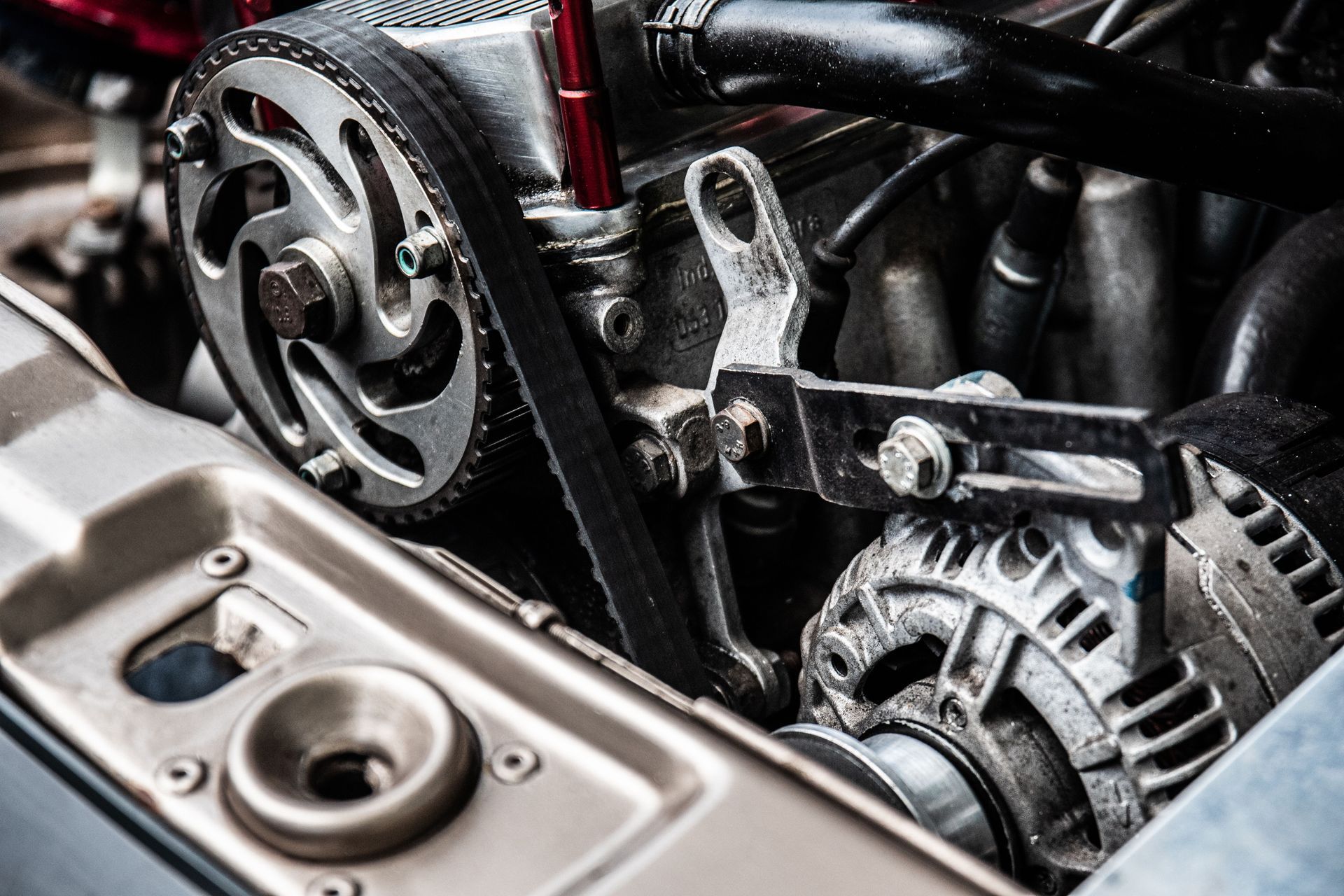
A failing pump may leak, make noise or stop circulating coolant effectively. Some water pumps are driven by the serpentine belt, while others are driven by the timing belt or an electric motor.
The repair procedure varies significantly by vehicle.
Cooling-Fan Problems
Electric cooling fans pull air through the radiator when the vehicle is moving slowly or sitting in traffic.
A failed motor, relay, fuse, sensor or wiring problem may prevent the fan from turning on. The vehicle may remain at a normal temperature on the highway but begin overheating in traffic or while idling.
Damaged Belts or Hoses
A broken belt may stop a belt-driven water pump from operating. A damaged hose can leak coolant or collapse internally and restrict circulation.
Hoses should be inspected for cracks, swelling, soft areas and leakage around the connections.
Air Trapped in the Cooling System
Air pockets can interfere with coolant circulation and create inconsistent temperature readings.
Air may enter the system after a leak or an improperly completed repair. Certain vehicles require a specific filling and bleeding procedure to remove trapped air.
Internal Engine Problems
In some cases, overheating may be related to a damaged head gasket, cracked cylinder head or another internal engine issue.
Possible warning signs include repeated coolant loss without an obvious external leak, white exhaust smoke, bubbles in the coolant reservoir, contaminated oil or excessive pressure in the cooling system.
These symptoms require thorough testing before major repairs are recommended.
Why Does My Car Overheat Only in Traffic?
A vehicle that overheats at idle but cools down at highway speed may have a problem with the cooling fan, fan-control circuit or airflow through the radiator.
At highway speed, natural airflow moves through the radiator. In slow traffic, the electric fan must provide much of that airflow.
However, other problems can create similar symptoms, so the complete system should be inspected.
Why Does My Car Overheat When the Air Conditioning Is On?
The air-conditioning system adds heat in front of the radiator and increases the load on the engine.
If the cooling system is already operating near its limit, switching on the air conditioning may cause the temperature to rise. Possible causes include weak cooling fans, restricted radiator airflow, low coolant or another cooling-system problem.
Can You Add Water Instead of Coolant?
Plain water may be used only as a temporary emergency measure when the correct coolant is unavailable and the vehicle is fully cool.
Vehicles require the proper coolant mixture for freeze protection, boil-over protection, corrosion resistance and water-pump lubrication. Different manufacturers may specify different coolant types, and mixing incompatible products can create problems.
Use the coolant specified for your vehicle and have the system checked if the level was low.
Cooling-System Service for Different Vehicle Types
Cooling-system layouts and service procedures vary among makes and models. Some vehicles use mechanical water pumps, while others use electric pumps. Some require specialized vacuum-filling equipment or manufacturer-specific bleeding procedures.
Avid Autocare works on all makes and models, including commonly driven domestic, Asian and European cars, crossovers and SUVs. Volkswagen, Audi and Porsche owners are directed to Dubwerx, Avid’s sister location.
How Can You Help Prevent Overheating?
Preventive maintenance can reduce the risk of unexpected cooling-system problems.
Have the coolant inspected at the interval recommended by the vehicle manufacturer. Ask for the hoses, radiator, reservoir, water pump and belt system to be checked during routine maintenance.
Pay attention to small changes, including:
- A temperature gauge that runs slightly higher than normal
- Coolant odors
- Small puddles after parking
- Inconsistent cabin heat
- Frequent coolant top-offs
- Cooling fans running constantly
- A low-coolant warning
Addressing these signs early may prevent a roadside breakdown and more extensive engine damage.
Schedule Cooling-System Repair in Cincinnati
If your vehicle is overheating, losing coolant or running hotter than normal, avoid continuing to drive until the cause has been identified.
Avid Autocare provides cooling-system inspections, diagnostics and auto repair for Cincinnati drivers. The team can evaluate the coolant level, pressure-test the system, inspect the radiator and hoses, test the cooling fans and determine whether the thermostat, water pump or another component is causing the problem.
Contact Avid Autocare at 5591 Wooster Pike to schedule cooling-system service before a minor temperature concern becomes a major engine repair.