
What Actually Happens When We Diagnose a Check Engine Light
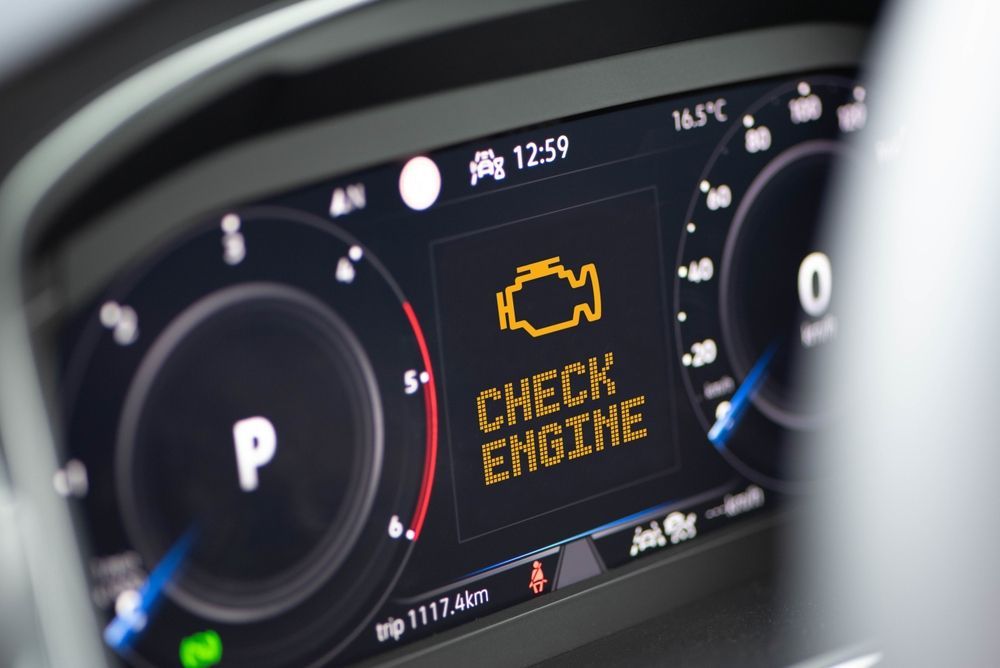
Somebody has probably told you that a check engine light diagnosis in Cincinnati should not cost anything, because a free code read at the parts counter gives you the same information.
It gives you some of the information. It does not give you the answer, and the difference between those two things is where most people get burned.
If you have been quoted for a repair before that did not fix the problem, this is usually why. Here is what testing actually involves, so you can judge for yourself what you are paying for.
A Trouble Code Is a Clue, Not a Conclusion
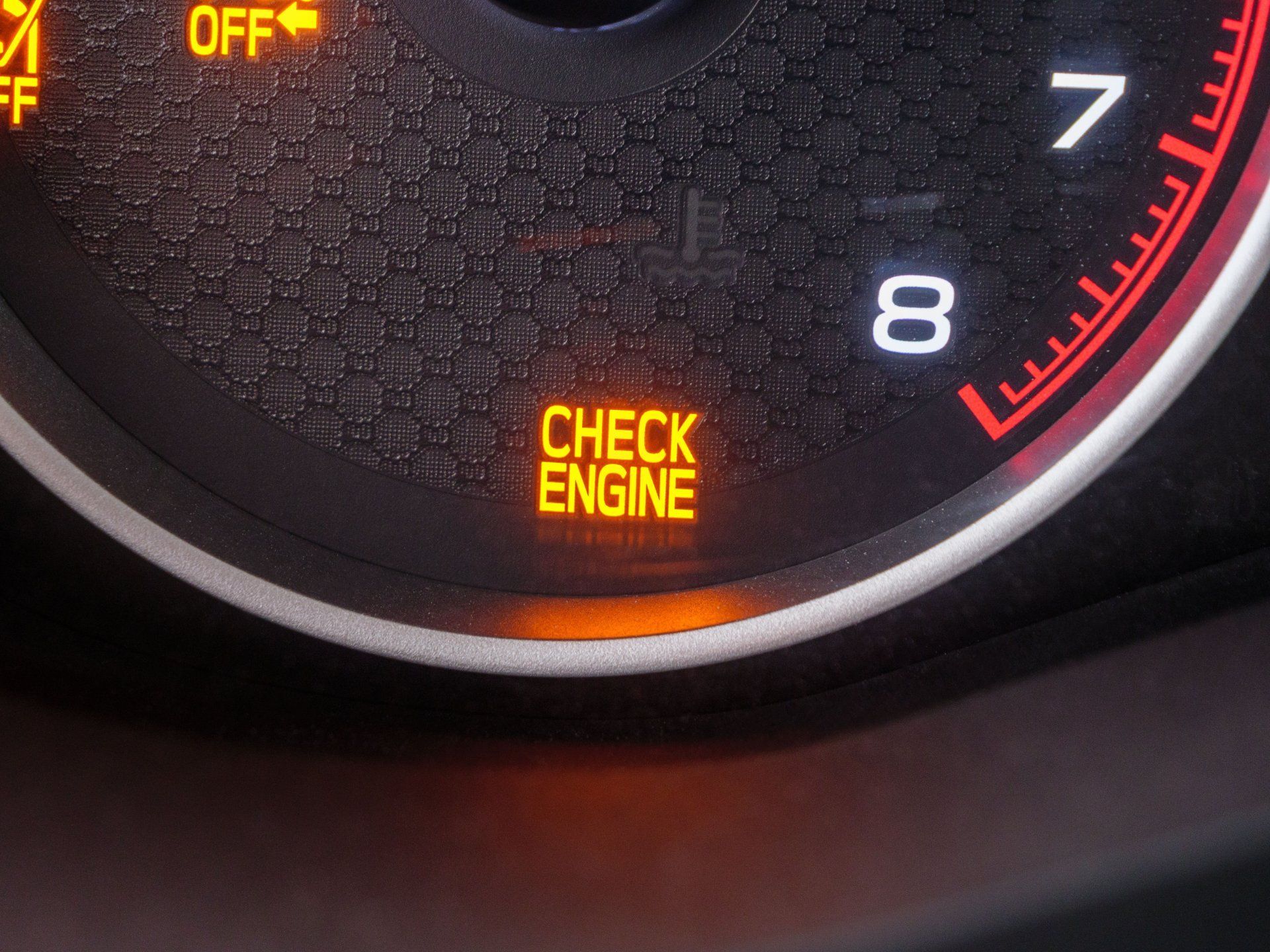
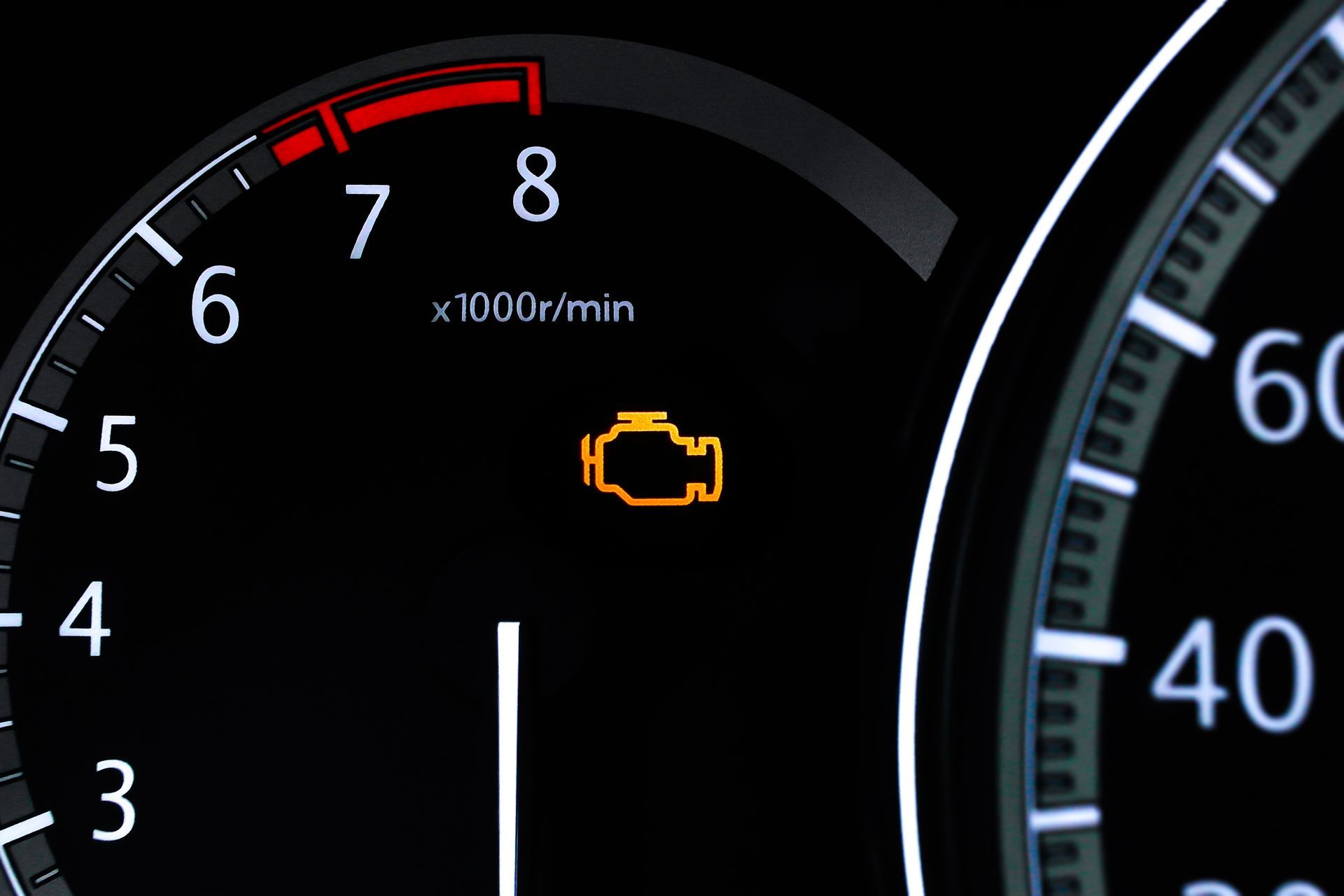
When your check engine light comes on, the vehicle's computer stores a diagnostic trouble code. That code is a shorthand description of a reading that fell outside the range the computer expected.
Read that carefully, because it matters. The code describes a symptom the computer noticed. It does not name the part that caused it.
A code pointing at a sensor circuit can be that sensor. It can also be the wiring to that sensor, a connector that corroded over a few Cincinnati winters, a vacuum leak upstream that is making a perfectly good sensor report a real problem, or a different failure entirely that the computer is only seeing the downstream effect of.
Replacing the part named in the code and hoping is not diagnosis. It is a guess with a parts bill attached, and when it does not work, you pay again.
What a Check Engine Light Diagnosis in Cincinnati Involves
The process is methodical on purpose. Every step exists to rule something out.
- Pull all stored codes, not just the one that triggered the light, along with any pending or history codes
- Capture freeze frame data, which is a snapshot of what the engine was doing at the moment the fault was recorded
- Review live data while the engine runs, watching how the affected system behaves in real time instead of relying on a stored number
- Inspect the physical components in that system for damage, leaks, corrosion, or bad connections
- Test the suspect component directly to confirm whether it is actually failing
- Verify the repair after the work is done, so we know the fault is gone and not just cleared
That last step is the one people skip when they are guessing. Clearing a code turns the light off. It does not mean anything got fixed. If the underlying condition is still there, the light comes back, and the only thing that changed is that the stored data is gone.
That is also why we ask you not to clear the code yourself before bringing it in. That data helps us. Erasing it means starting over with less to work from.
Why Testing Costs Less Than Guessing
The math on this is not complicated. One round of proper testing has a known cost. Two or three replaced parts that did not solve the problem, plus the labor to install each one, plus the original problem still sitting there, does not.
Diagnostic time is what buys you a repair that works the first time. It is also what lets us tell you honestly when the fix is smaller than you feared, which happens more often than people expect.
A computer diagnostic is a service in its own right, not an upsell attached to one. The point of it is to know before we recommend, so that what we recommend is worth doing.
One Thing Cincinnati Drivers Do Not Need to Worry About
You may have read that a check engine light will cause you to fail an emissions test. That does not apply here.
Ohio's E-Check emissions program covers a specific set of northeast Ohio counties. It does not cover Hamilton County or the greater Cincinnati area. Ohio also has no statewide annual safety inspection requirement.
So there is no deadline forcing your hand and no test you are about to fail. The reason to look into a check engine light is the condition behind it, not a compliance date.
What You Can Do Before You Bring It In
You do not need tools for any of this, and it makes the testing faster.
- Note the date the light came on and whether it was steady or flashing
- Write down what the car was doing at that moment, such as cold start, highway speed, or climbing a hill
- Describe any change in how it drives, sounds, or smells, even if it seems unrelated
- Check that your gas cap is seated and clicked tight
- Leave the code stored rather than clearing it
A flashing check engine light is different from a steady one and should not wait. If yours is flashing, call us before you drive any further.
What You See When the Testing Is Done
You get a digital inspection report with the findings laid out, so the recommendation comes with the evidence attached rather than arriving as a number on a page.
From there it is your call. We will separate what needs to happen now from what can be planned, and we will tell you which is which. Parts can be the same OEM parts the dealership uses or reconditioned parts, depending on what makes sense for your situation, and the work carries our 3-year/36,000-mile warranty on parts and labor. Financing options are available if you need them, and we can go over that on the phone.
Schedule a Diagnostic at Avid Autocare
If your light is on and you want a real answer instead of a parts-cannon guess, we can test it properly. Call 513-427-5000 to schedule inspection and diagnostics, or book online anytime. We are located at 5591 Wooster Pike, Cincinnati, OH 45227, and every repair is backed by our 3-year/36,000-mile warranty on parts and labor.