
How Often Should You Replace Your Brakes? Signs Your Vehicle Needs Brake Service
Your vehicle’s braking system is one of its most important safety systems. However, brake pads and other braking components wear gradually, which can make it difficult to recognize when service is needed.
There is no single replacement interval that applies to every car, SUV or driver. Brake life depends on the vehicle, the quality of the parts, driving habits, road conditions and the amount of stop-and-go traffic the vehicle encounters.
For Cincinnati drivers, hills, changing weather and frequent traffic can place additional demands on the braking system. Understanding the warning signs can help you address normal brake wear before it damages other components.
How Long Do Brake Pads Usually Last?
Brake pads may last anywhere from approximately 25,000 to more than 70,000 miles. That wide range exists because vehicles and driving conditions vary significantly.
A lighter sedan driven primarily on open highways may experience slower brake wear than a larger SUV used in daily city traffic. Hybrid and electric vehicles may also use regenerative braking, which can affect how quickly the traditional friction brakes wear.
Rather than relying only on mileage, have the brakes inspected regularly and pay attention to changes in sound, pedal feel and stopping performance.
Factors That Affect Brake Wear
Stop-and-Go Driving
Every time you press the brake pedal, the pads create friction against the rotors. Frequent stopping in city traffic can wear the pads more quickly than steady highway driving.
Hills and Steep Roads
Driving downhill requires the brakes to manage the vehicle’s speed for longer periods. Riding the brakes can create excess heat and accelerate wear.
Vehicle Size and Weight
Crossovers, SUVs, trucks and heavily loaded vehicles require more force to stop than lighter passenger cars. Increased weight can place more stress on brake pads, rotors and brake fluid.
Driving Habits
Hard stops, late braking and following other vehicles too closely can shorten brake life. Gradual braking and leaving additional following distance can reduce unnecessary wear.
Brake-Part Quality
Brake pads are available in different materials and quality levels. The proper part depends on the vehicle and how it is used. Selecting parts based only on the lowest price may not provide the braking feel, durability or noise control you expect.
Warning Signs That Your Brakes Need Attention
Squeaking or Squealing
Some brake pads include a wear indicator designed to produce a squealing sound as the friction material becomes thin.
Occasional brake noise can also be caused by moisture, surface rust or debris. However, repeated squealing should be inspected, especially when the noise occurs every time you stop.
Grinding Noises
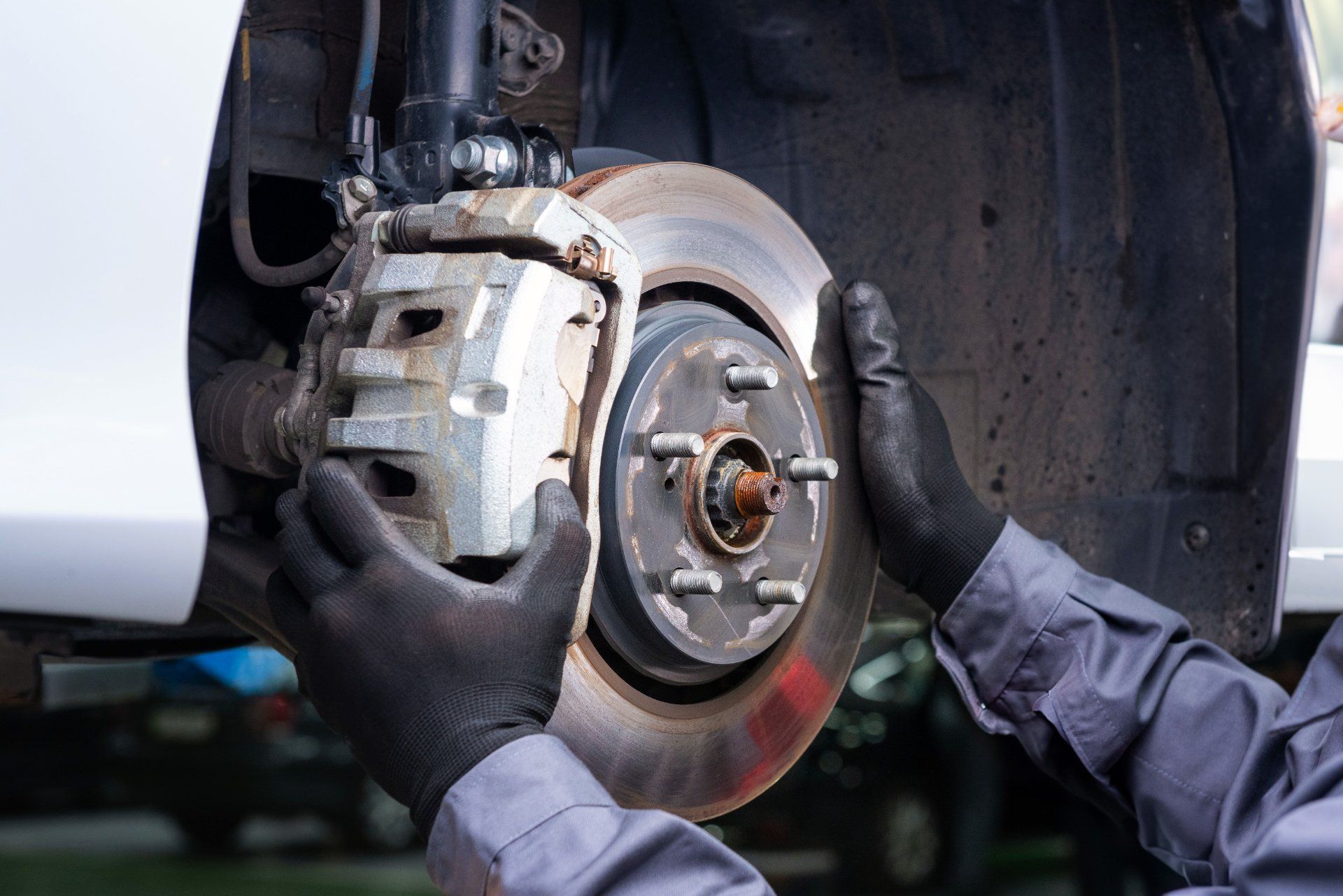
Grinding may mean the brake-pad material has worn away and the metal backing plate is contacting the rotor.
Continuing to drive can damage the rotors and reduce braking performance. Grinding should be evaluated promptly.
Vibration While Braking
A vibration in the steering wheel, brake pedal or vehicle body may be related to rotor thickness variation, heat damage, worn suspension components or another mechanical issue.
Because several problems can cause similar symptoms, a complete inspection is important.
A Soft or Spongy Brake Pedal
A brake pedal that feels unusually soft may indicate air in the hydraulic system, old brake fluid, a leak or a problem with another braking component.
A pedal that sinks toward the floor should be treated as a serious safety concern.
Pulling to One Side
If the vehicle pulls left or right while braking, one side of the system may not be applying evenly. Possible causes include a sticking caliper, contaminated brake material, uneven wear or a tire and suspension issue.
Longer Stopping Distance
If your vehicle takes longer to stop than it did previously, the braking system should be inspected. Worn pads, overheated brakes, tire problems and hydraulic issues can all affect stopping distance.
Brake Warning Light
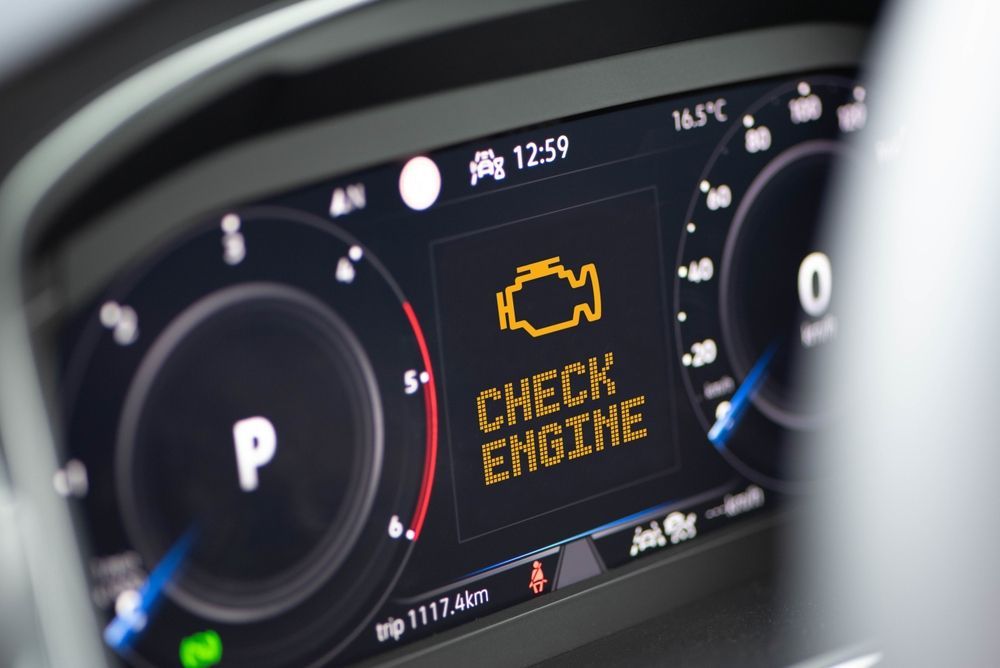
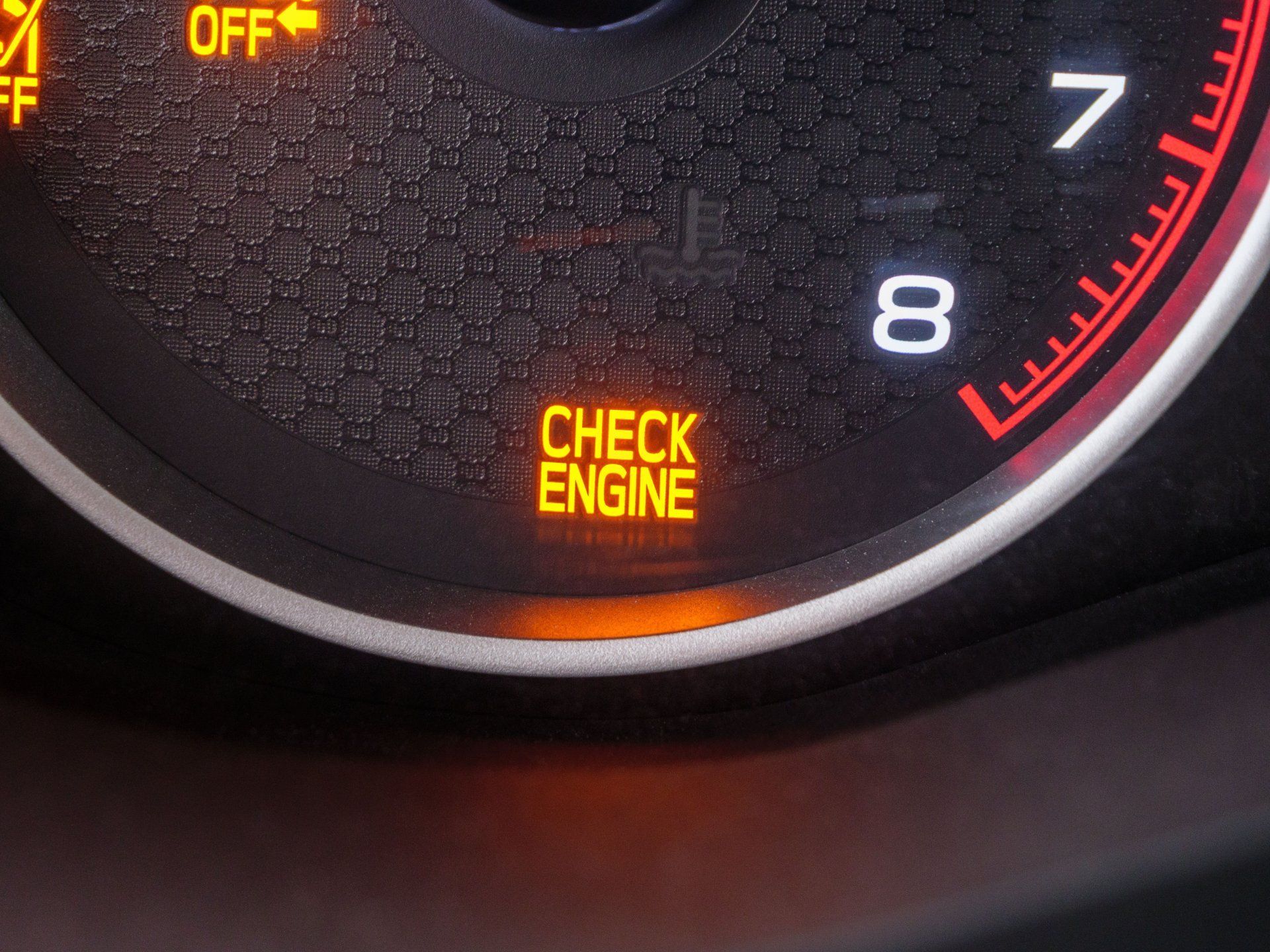
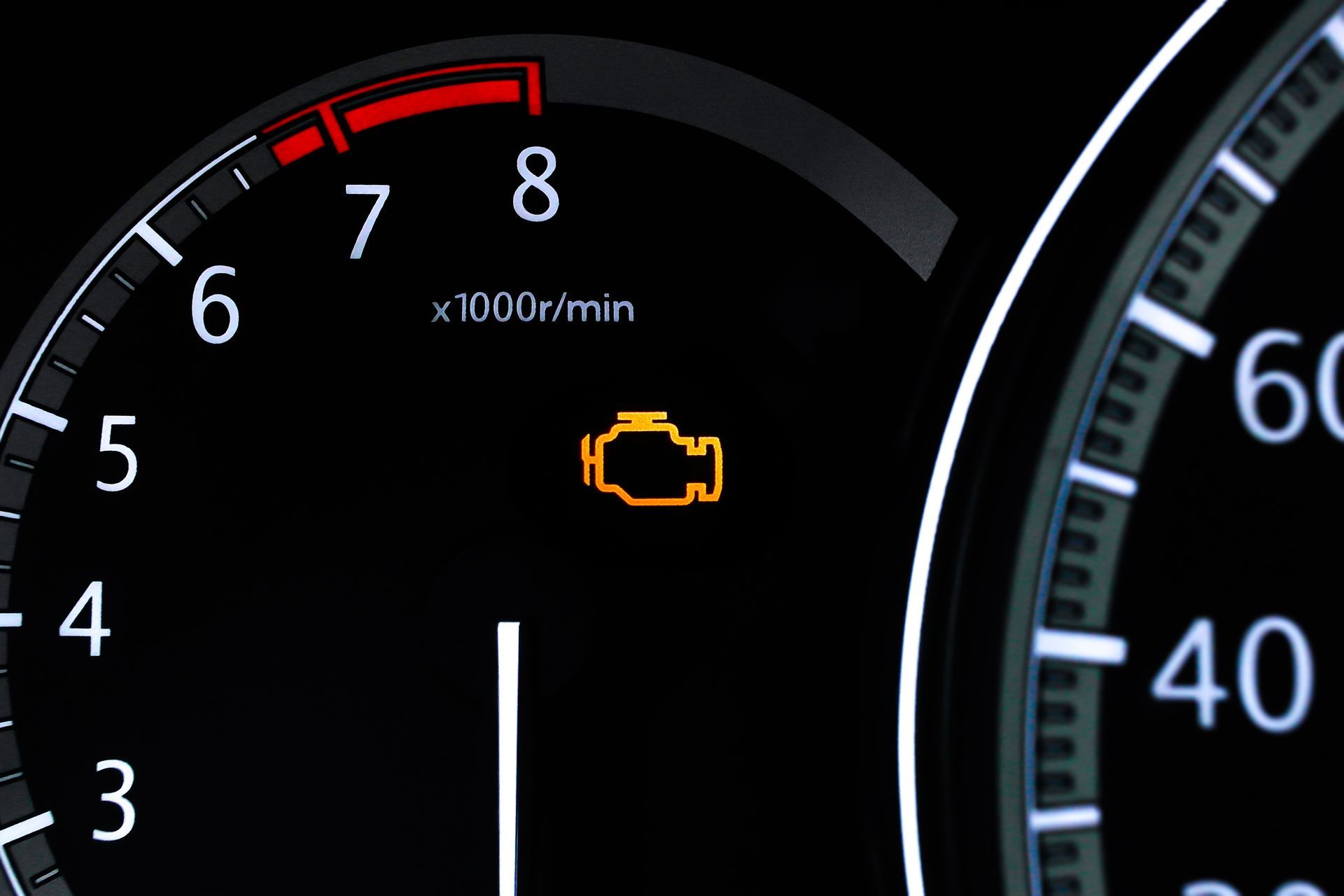
A dashboard brake light may indicate the parking brake is engaged, the brake fluid is low or the vehicle has detected a fault.
The exact meaning varies by vehicle, so check the owner’s manual and arrange an inspection when the light remains on.
What Is Included in a Brake Inspection?
A complete brake inspection should involve more than looking at the visible portion of the brake pads.
A technician may evaluate:
- Front and rear brake-pad thickness
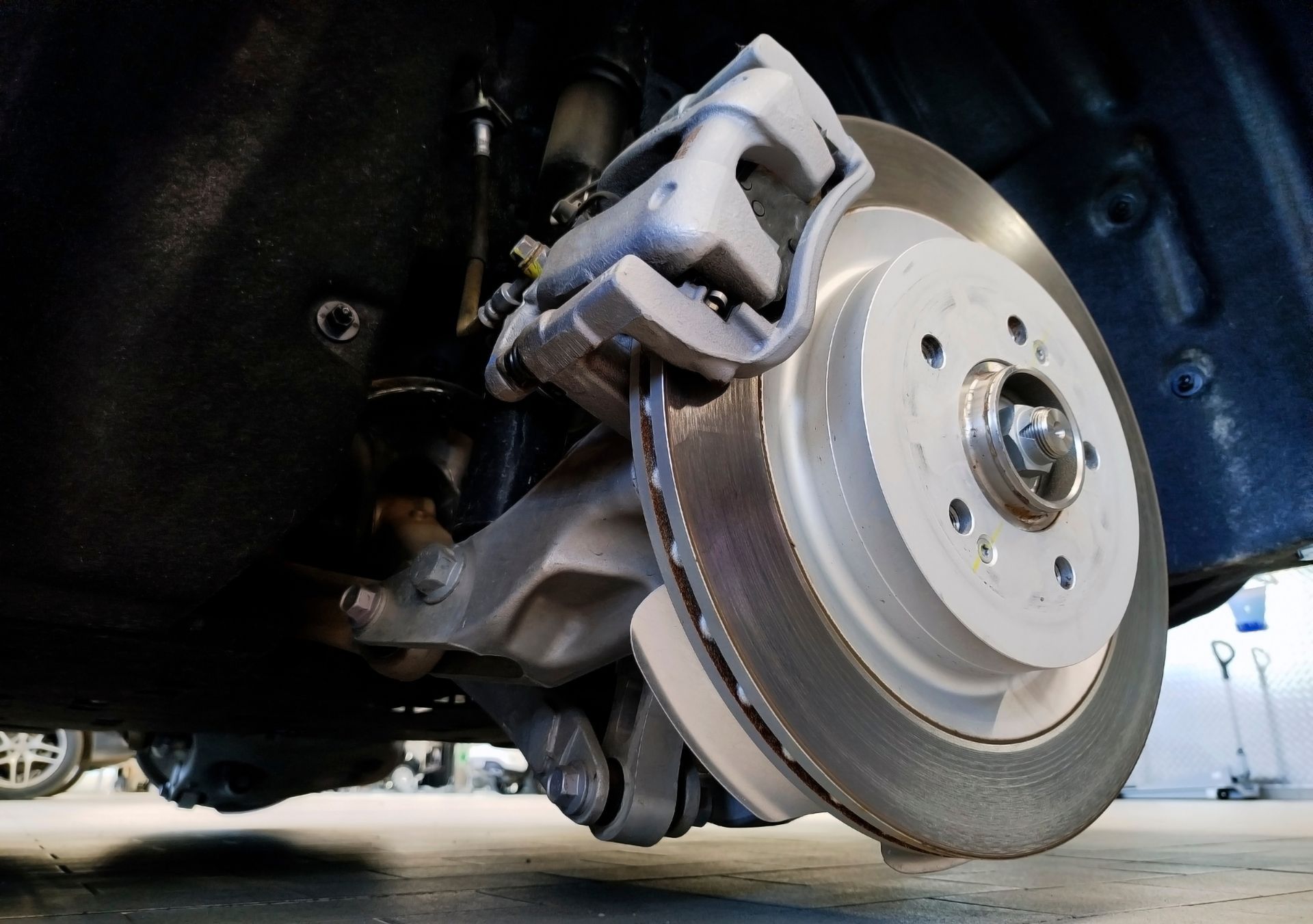
- Brake rotors or drums
- Brake calipers and wheel cylinders
- Brake hoses and metal lines
- Brake-fluid level and condition
- Parking-brake operation
- Dashboard warning lights
- Tires and suspension components that may affect braking
The technician can then explain which components need immediate attention and which may be monitored for future service.
Do Rotors Always Need to Be Replaced With Brake Pads?
Not necessarily. Whether the rotors can remain in service depends on their thickness, condition, surface finish and the manufacturer’s specifications.
Rotors that are excessively worn, cracked, heavily rusted, heat damaged or below minimum thickness should be replaced. In other situations, resurfacing may be possible if the rotor remains within specification and the repair facility has the appropriate equipment.
The goal is to provide a smooth braking surface while maintaining the proper rotor thickness and heat capacity.
Brake Service for Cars, Crossovers and SUVs
Brake-system designs differ among makes and models. Some vehicles use electronic parking brakes, advanced driver-assistance systems or manufacturer-specific service procedures.
Avid Autocare works on all makes and models, including passenger cars, crossovers and SUVs from common domestic, Asian and European manufacturers. Volkswagen, Audi and Porsche vehicles are directed to the company’s sister shop, Dubwerx.
Schedule Brake Repair in Cincinnati
Brake wear rarely improves on its own. Addressing squealing, grinding, vibration or changes in pedal feel early may help prevent rotor damage and more extensive repairs.
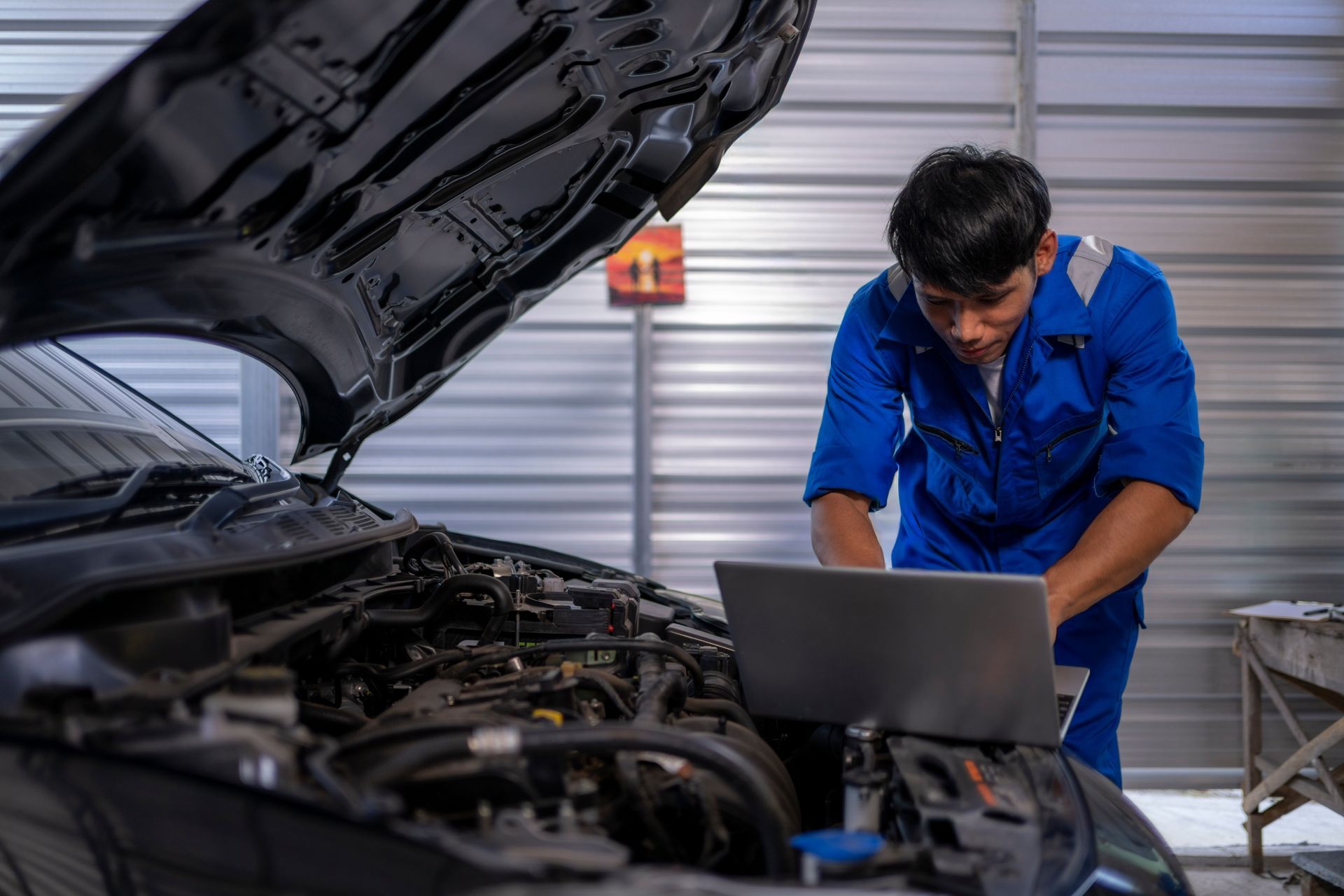
Avid Autocare provides brake inspections and brake repair for Cincinnati drivers. The team can evaluate the complete system, explain the condition of the components and help prioritize any recommended work.
Schedule a brake inspection at Avid Autocare on Wooster Pike if your vehicle is making unusual braking noises or no longer stops the way it should.