
Why Is My Check Engine Light On? Common Causes for Cincinnati Drivers
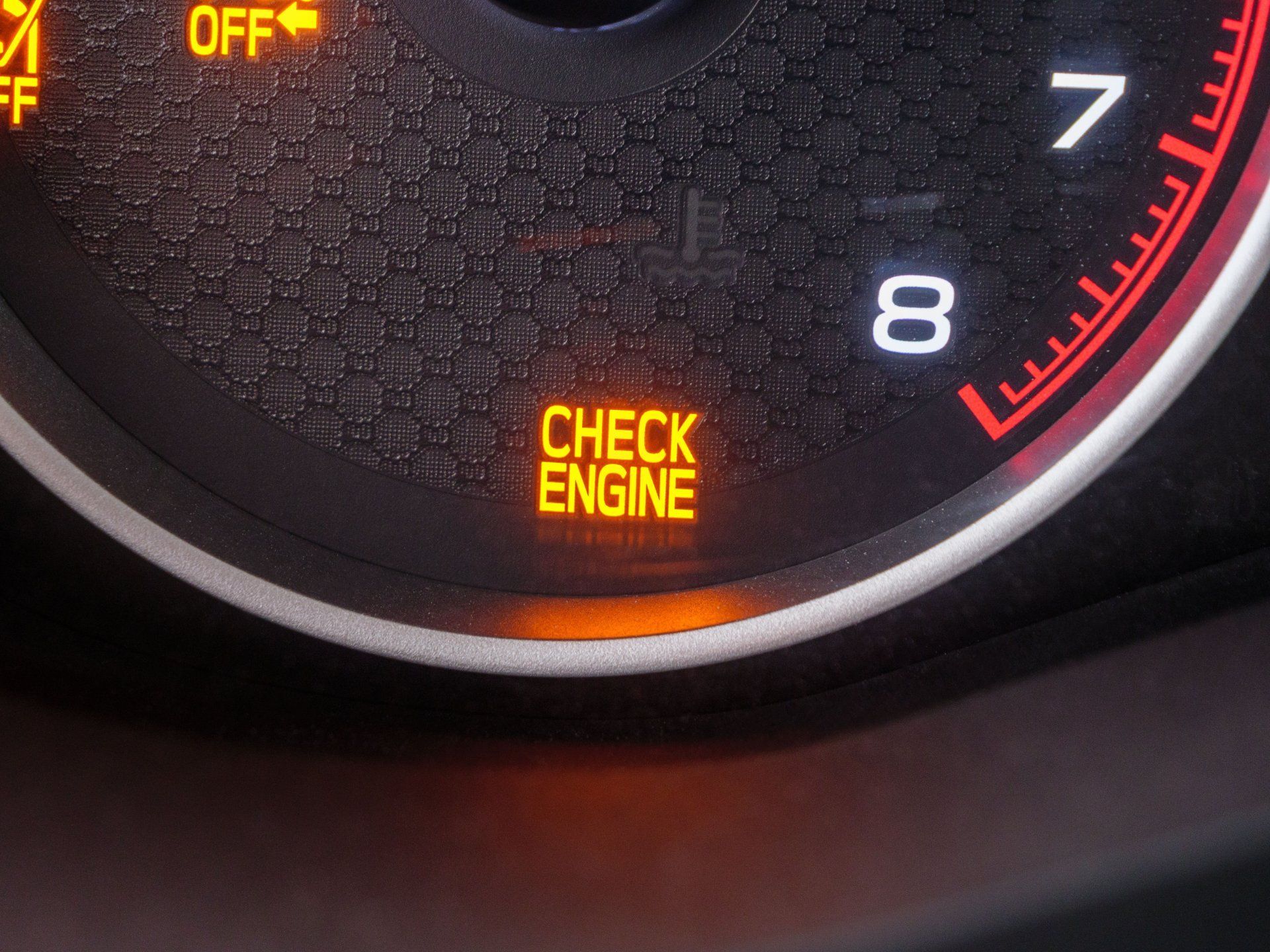
A check engine light can appear without warning, even when your vehicle seems to be driving normally. For many Cincinnati drivers, the first reaction is to wonder whether the problem is serious, whether the vehicle is safe to drive or whether the light can simply be ignored.
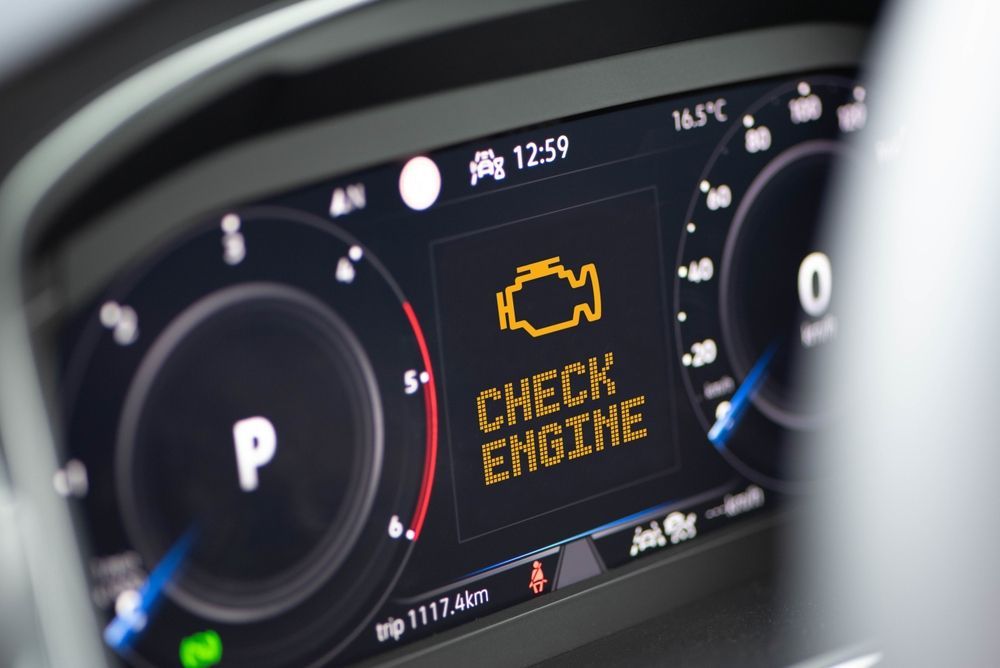
The check engine light is part of your vehicle’s onboard diagnostic system. When the computer detects a problem involving the engine, emissions system or another monitored component, it stores a diagnostic trouble code and turns on the warning light.
That code can help a technician begin the diagnostic process, but it does not always identify the exact part that needs to be replaced. Proper testing is often needed to determine what caused the code and what repair, if any, is necessary.
Is the Check Engine Light Solid or Flashing?
The way the light appears can provide important information.
A solid check engine light generally means the vehicle’s computer has detected a problem that should be inspected. The vehicle may continue to operate normally, but delaying diagnosis could allow the underlying issue to become worse.
A flashing check engine light can indicate a more urgent problem, such as an engine misfire that may damage the catalytic converter. If the light is flashing, the engine is shaking, the vehicle has lost power or you smell something unusual, reduce driving and have the vehicle inspected as soon as possible.
Common Reasons a Check Engine Light Comes On
Because modern vehicles contain numerous sensors and computerized systems, many different problems can activate the warning light.
Loose or Damaged Gas Cap
A loose gas cap is one of the simplest potential causes. The fuel system is designed to remain sealed, and a loose, cracked or missing cap may allow fuel vapors to escape.
Tightening the cap may resolve the issue, although the light may not turn off immediately. If the cap is damaged or the warning light remains on, further testing may be needed.
Failing Oxygen Sensor
Oxygen sensors measure the amount of oxygen in the exhaust and help the engine computer adjust the fuel mixture.
A failing sensor may affect fuel economy, engine performance and emissions. Because several other conditions can produce similar diagnostic codes, the system should be tested before replacing a sensor.
Ignition or Misfire Problems
Worn spark plugs, damaged ignition coils and other ignition-system problems can cause an engine to misfire.
You may notice shaking, hesitation, rough idling, reduced acceleration or a flashing check engine light. Continuing to drive with a severe misfire may cause additional damage.
Airflow or Fuel-System Issues
Your engine needs the correct balance of air and fuel to operate properly. Problems involving the mass airflow sensor, fuel injectors, fuel pressure, vacuum hoses or intake system can disrupt that balance.
Possible symptoms include poor acceleration, rough idling, hard starting and reduced fuel economy.
Catalytic Converter Concerns
The catalytic converter helps reduce harmful exhaust emissions. Its performance can be affected by age, contamination or unresolved engine problems.
A catalytic converter code does not automatically mean the converter itself should be replaced. The engine and emissions systems should be evaluated to determine whether another problem caused the converter to operate inefficiently.
Evaporative Emissions Leaks
Your vehicle’s evaporative emissions system prevents fuel vapors from escaping into the atmosphere.
A damaged hose, leaking valve, faulty sensor or loose gas cap can cause the system to fail a self-test. These problems may not noticeably affect how the vehicle drives, but they can still activate the check engine light.
Why Reading the Code Is Only the First Step
A common misconception is that a code reader provides a complete diagnosis. In reality, a trouble code identifies the system or condition where the computer detected a problem.
For example, a code related to an oxygen sensor could be caused by the sensor itself, damaged wiring, an exhaust leak, a fuel-delivery problem or another engine condition. Replacing parts based only on a code can lead to unnecessary expenses without correcting the actual issue.
A professional diagnostic process may include checking stored codes, reviewing live vehicle data, inspecting wiring and connectors, testing individual components and confirming the repair.
Can You Continue Driving With the Light On?
Whether the vehicle is safe to drive depends on the symptoms and the reason the light appeared.
If the light is solid and the vehicle is operating normally, you may be able to drive carefully to a repair facility. However, you should still schedule a diagnosis instead of waiting for the condition to become more serious.
Stop driving or seek immediate assistance when:
- The check engine light is flashing
- The engine is shaking or misfiring
- The vehicle has significantly reduced power
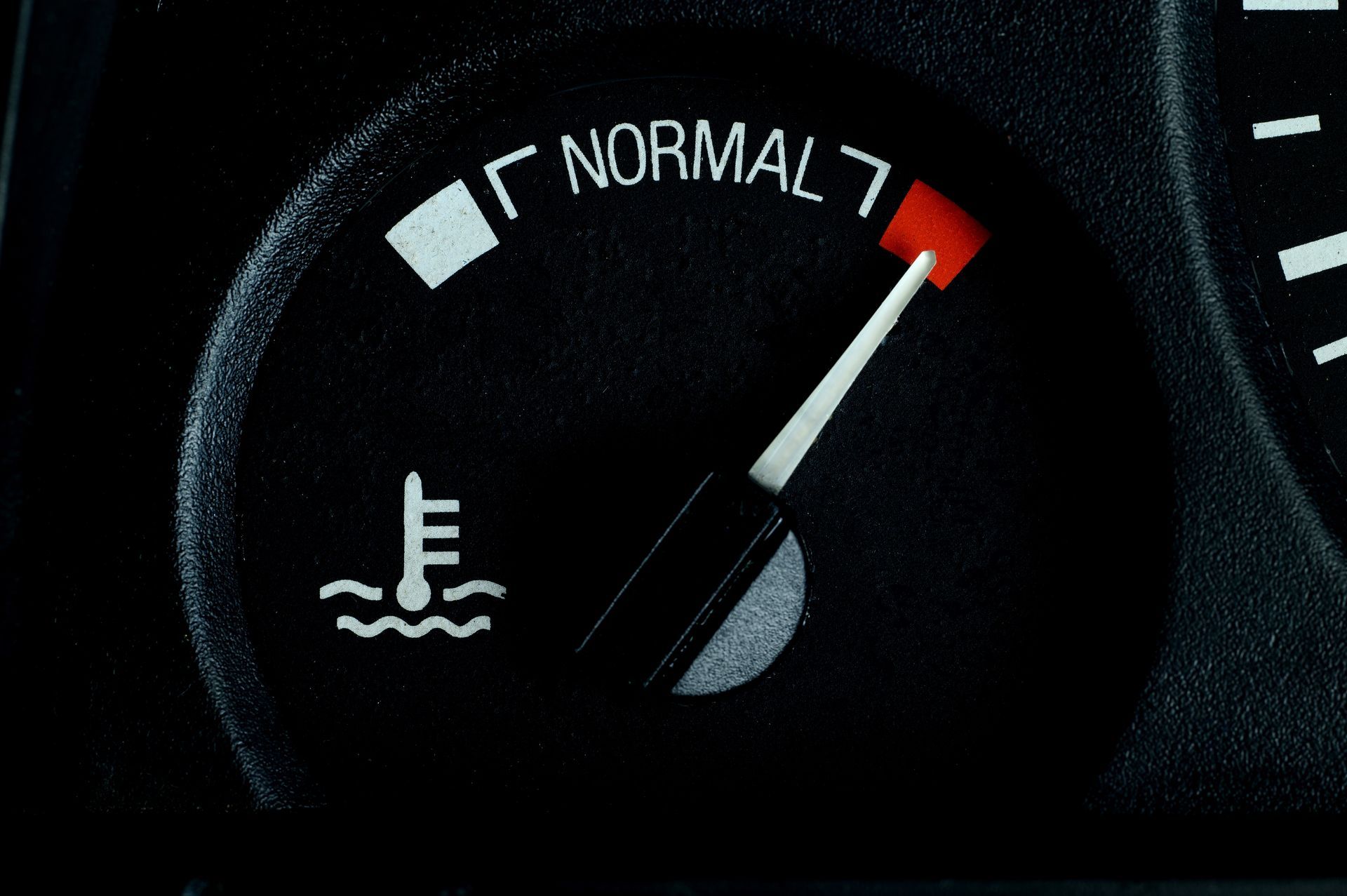
- The temperature gauge is rising
- You smell fuel, smoke or something burning
- Additional warning lights appear
- The vehicle is difficult to control
Check Engine Light Diagnostics for Different Makes and Models
Warning lights are not limited to one type of vehicle. Domestic, Asian and European vehicles all use computerized diagnostic systems, although the testing procedures and common problems can vary by manufacturer and model.
Avid Autocare services all makes and models, including common cars, crossovers, SUVs and light-duty vehicles driven throughout Cincinnati. Volkswagen, Audi and Porsche owners are referred to Avid’s sister location, Dubwerx, which focuses on those brands.
Schedule Check Engine Light Service in Cincinnati
Ignoring a check engine light can turn a manageable problem into a more expensive repair. Diagnosing the issue early can help protect engine performance, fuel efficiency and the vehicle’s emissions systems.
Avid Autocare provides warning-light scanning, diagnostics and general auto repair for Cincinnati drivers. The team can retrieve the stored trouble code, explain what it means and recommend the appropriate next step based on the results of the inspection.
Contact Avid Autocare at 5591 Wooster Pike in Cincinnati to schedule a check engine light diagnosis.