
Windshield Wipers: Small But Mighty—And Cincinnati Weather’s Worst Enemy
You know that feeling when you're driving down Madison Road, headed toward Hyde Park, and suddenly the sky opens up like Fountain Square on a bad day? Yeah, spring rains in Cincinnati don’t mess around. One minute it’s sunny, the next minute your windshield is under attack from buckets of water, leaving you scrambling to flip on the wipers.
But what happens when those wipers aren’t cutting it?
At Avid Autocare, we’ve seen it all—from wiper blades flapping in the wind like they’re barely hanging on to streaky messes that do nothing but smear water across your windshield like a bad painting. Let’s talk about how to keep these little lifesavers in top shape because the only thing worse than spring rain is not being able to see through it.
Choosing the Right Wipers for Cincinnati’s Wild Weather
Not all wiper blades are created equal, and Cincinnati’s unpredictable skies demand a pair that can handle everything—rain, snow, pollen explosions, and this year, that wonderful cicada grime that somehow coats your windshield overnight.
- For spring rains: Go for beam-style blades. These are sleek, frameless, and hug the windshield better, making sure you get maximum visibility during those random spring storms rolling in from the Ohio River valley.
- For year-round durability: Hybrid wipers give you the sturdiness of traditional blades with the flexibility of beam-style—perfect for transitioning from spring showers to winter slush.
- For budget-conscious drivers: Conventional wipers are fine, but they don’t handle Cincinnati’s mood swings as well—expect to replace them more frequently.
The wrong pair of wipers can make a rainy commute feel like an episode of "Survivor: Cincinnati Traffic Edition." Invest in a quality set, and save yourself from squinting through streaks while trying to merge onto I-71.
Preventative Maintenance & How to Extend Their Life
We get it—wiper blades aren’t exactly top-of-mind when thinking about car maintenance, but ignoring them is a surefire way to end up staring through streaky, useless rubber in the middle of a downpour.
Here’s how to keep them working longer:
- Clean your windshield regularly—Dirt, pollen, and road grime wear down the rubber faster. (Looking at you, springtime pollen coating every surface in sight.)
- Wipe your blades down with a damp cloth every couple of weeks to remove debris.
- Lift the wipers off the windshield during ice storms to prevent sticking.
- Don’t use them on dry glass—turning them on when the windshield is bone dry can cause premature wear.
If you treat your wipers well, they can last 6 to 12 months—but in Cincinnati, expect to change them at least once a year if you want optimal performance.
Signs Your Wipers Are Past Their Prime
How do you know it’s time for a new pair? If your wipers are guilty of any of these offenses, it’s time to upgrade:
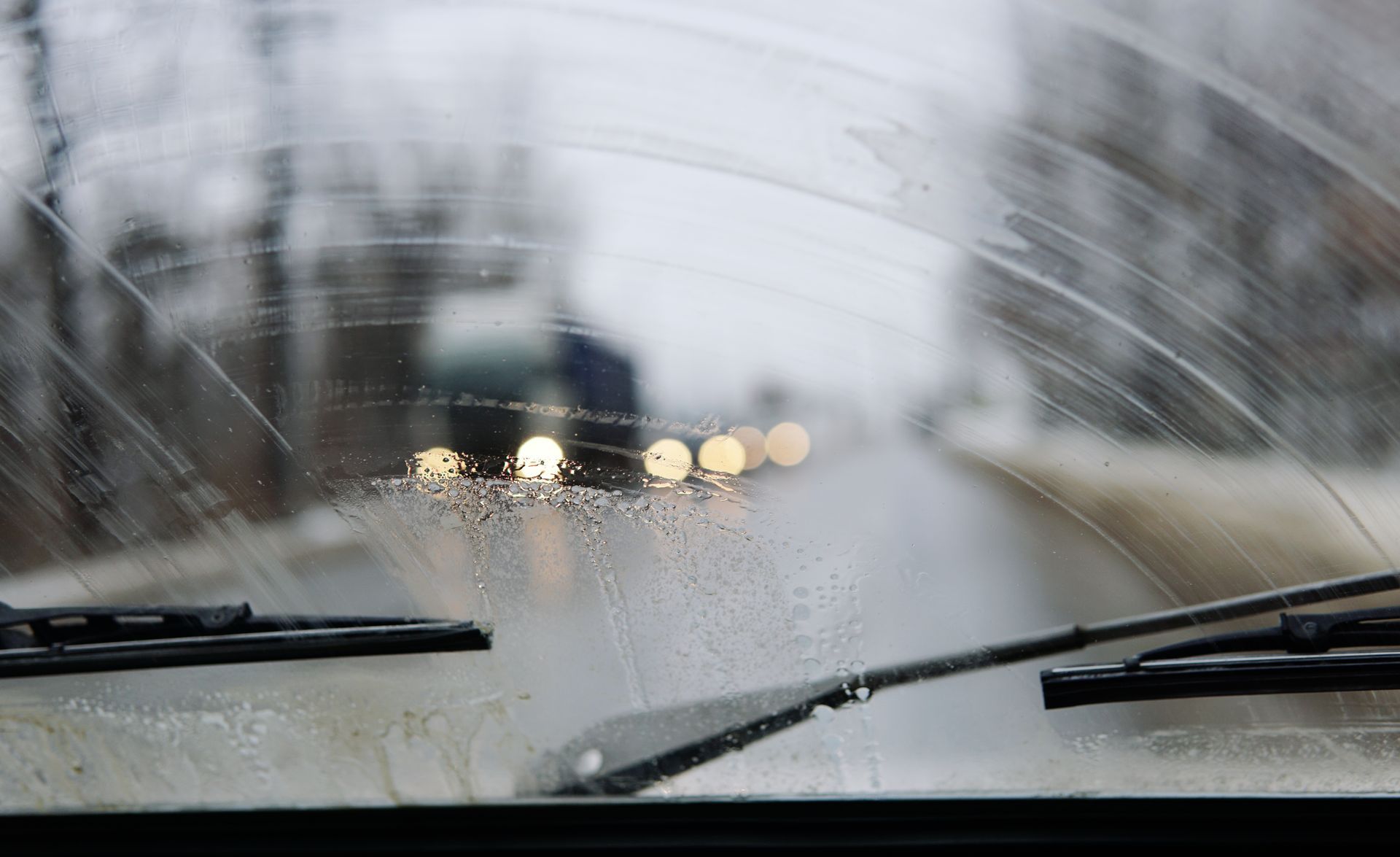
- They leave streaks worse than your kid’s attempt at cleaning the bathroom mirror.
- They chatter across the windshield like they’re gossiping about you.
- They’re cracked or frayed—because shredded rubber isn’t helpful.
- They aren’t doing their job—if you can’t see out, what’s the point?
Imagine trying to navigate rush hour on Red Bank Road with wipers that barely clear the windshield. No thanks.
Your Safety Starts With Visibility—And Avid Autocare Has You Covered
Listen, we get it—windshield wipers aren’t the most exciting thing to think about. But trust us, the moment you need them, you REALLY need them.
At Avid Autocare, we’ll make sure you’ve got the best wipers for Cincinnati’s unpredictable skies, whether you’re dodging spring showers in Mariemont, tackling rush hour through Oakley, or heading downtown for a game at Great American Ball Park.
We stock quality, long-lasting wiper blades, install them for you, and check your entire windshield system—including fluid levels and the condition of your wiper arms—so you never have to guess if they’ll hold up in the next storm.
Don’t wait until you’re driving blind in the rain—swing by Avid Autocare, and we’ll get you set up with wipers that actually do their job.
Let’s Be Real—Bad Wipers Are a Cincinnati Nightmare
We’ve all been there. You’re stuck in Montgomery Road traffic, the rain is coming down sideways, and your wipers are barely moving the water out of the way. You do that little windshield-wiping prayer—"just hold on until I get home"—but deep down, you know you should have replaced them months ago.
Here’s the thing—wipers don’t give you much warning before they fail. And when they do, it’s usually at the worst possible time (like mid-thunderstorm, late at night, while driving past Lunken Airport where streetlights suddenly disappear).
Instead of rolling the dice every time a storm rolls in, just let us take care of it. A quick appointment at Avid Autocare, and you’ll be good to go. No stress, no streaky mess—just clear, safe driving.
So schedule an appointment at www.avidautocare.com, grab a coffee while we swap your wipers, and leave knowing that your next rainy commute won’t feel like a horror movie.
See you soon!