
White-Knuckle No More: Your Honest Guide to Driving Safely in Snow

December 17, 2024

Let's face it: driving in snow can feel like you've been dropped into a real-life video game where the difficulty level is set to "extreme." One minute you're cruising along, and the next, your car is doing an unintentional ballet across the lane. But here's the good news — with the right knowledge and preparation, you can become a snow-driving pro.


Before You Even Start the Engine


Winter driving starts before you even touch your car keys. Your first line of defense? Preparation.


Check Your Ride

  • Tires are your best friends. Bald tires in snow are about as useful as flip-flops in a blizzard. Make sure you have good winter tires with deep treads that can grip the road.
  • Fluids matter. Check your antifreeze, oil, and windshield washer fluid. Cold temperatures can be brutal on your car's systems.


Professional Backup: We've Got Your Back


Here's some peace of mind: you're not alone in this winter driving adventure. Our auto repair shop is your trusted partner through every snowflake and icy mile. Before winter hits, swing by for a comprehensive winter check-up. We'll:

  • Inspect your tires
  • Check your battery
  • Ensure your heating and defrosting systems are in top shape
  • Give you a professional once-over that'll keep you safe on those tricky winter roads


Pack a Winter Survival Kit


Think of this as your automotive first-aid kit. Include:

  • A warm blanket
  • Flashlight with extra batteries
  • Snacks (because being stranded is better with granola bars)
  • Extra gloves
  • Small shovel
  • Bag of sand or kitty litter (for traction if you get stuck)


On the Road: Driving Like a Snow Ninja


Slow and Steady Wins the Race


Speed is not your friend on snowy roads. Imagine you're carrying a cup of hot coffee that you absolutely cannot spill — that's how gently you want to accelerate, brake, and turn.


Braking: The Art of Gentle Deceleration

  • Pump, don't slam. If you have anti-lock brakes, apply steady pressure. If not, pump the brakes gently to avoid skidding.
  • Leave WAY more space between you and the car in front. We're talking three to four times more than you would in dry conditions.


Handling Skids Like a Pro


If you start to skid (and it happens to the best of us), here's your mantra: "Look where you want to go, not where you're going." Steer gently into the skid and avoid sudden movements.


Visibility is Key

  • Keep your windshield and windows clear
  • Use your headlights, even during the day
  • Clear ALL snow from your car, not just a tiny peephole (your fellow drivers will thank you)


Mental Preparation: The Often Forgotten Skill


Snow driving isn't just about technical skills — it's a mental game. If conditions look too scary, it's okay to stay put. No destination is worth risking your life.


When in Doubt, We're Here


Remember, if you're ever unsure about your vehicle's winter readiness, we're just a phone call away. Our team of expert mechanics is passionate about keeping you safe on the road. Whether you need a quick check-up, some advice, or a full winter preparation service, we've got your back.


Final Thought: Respect the Snow


Snow doesn't care about your schedule, your meetings, or your plans. It's a powerful force of nature that demands respect. By preparing well and driving cautiously, you turn a potentially dangerous situation into just another drive.


Stay safe out there, winter warriors! And remember, we're always here to help you navigate the winter roads with confidence. ❄️🚗

SCHEDULE YOUR VISIT
August 24, 2026
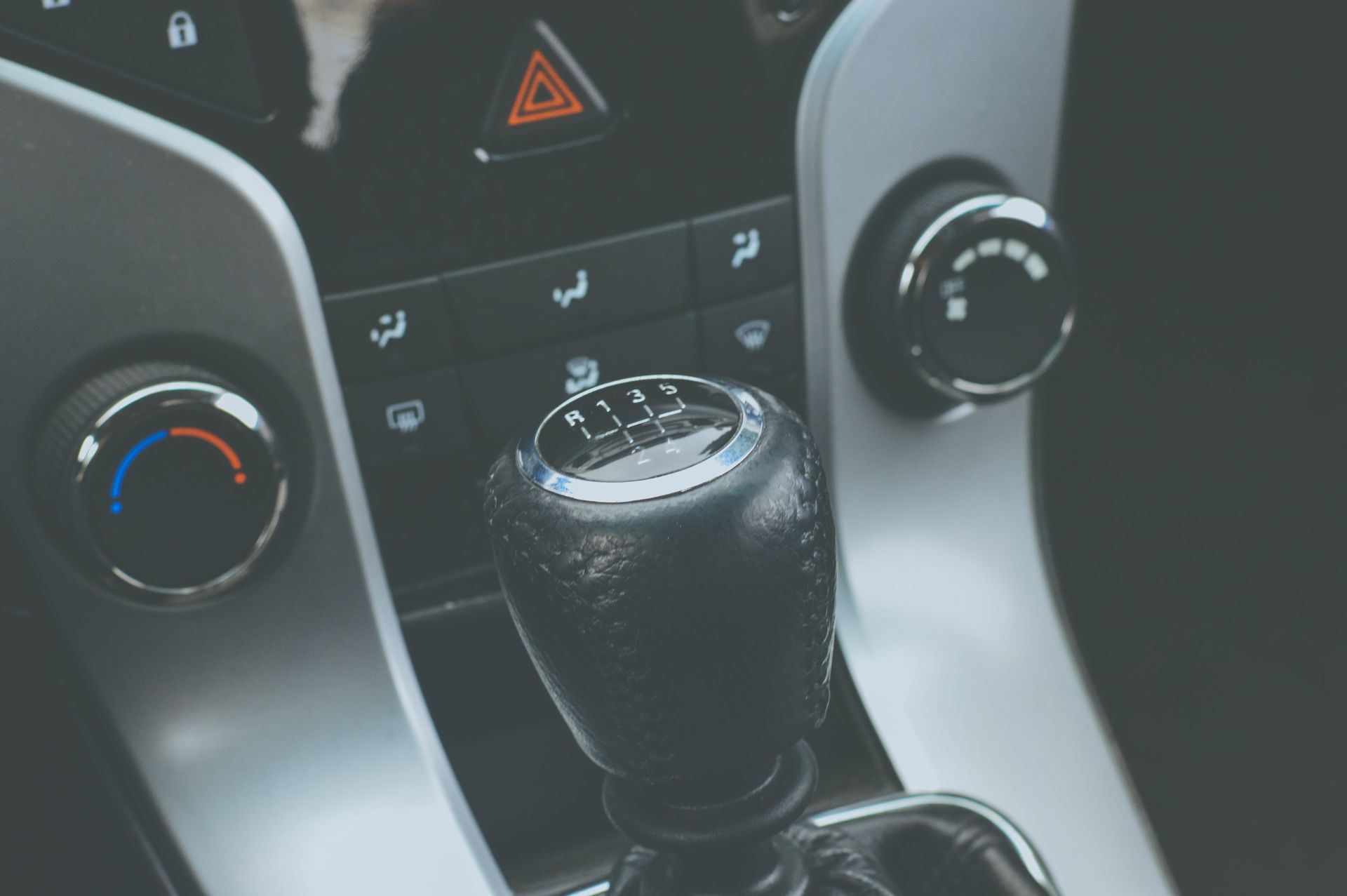
Transmission problems have a reputation for being expensive, which is one reason drivers sometimes avoid dealing with the early symptoms. The problem with that strategy is that transmission concerns rarely improve by themselves. A small leak, abnormal shift, fluid problem, electrical fault, or worn component can become a much larger issue when it is ignored. Your transmission is responsible for transferring engine power to the wheels while keeping the engine operating within an effective range. Modern transmissions are also highly computerized, which means a shifting problem can involve mechanical components, hydraulic pressure, fluid condition, sensors, control modules, or a combination of systems. That is why accurate diagnosis is important before assuming the transmission itself has failed. Pay Attention to Changes in the Way the Car Shifts One of the most common signs of trouble is a noticeable change in shifting behavior. You may feel the vehicle hesitate before moving into drive or reverse, shift much harder than it used to, hold a gear longer than expected, or seem to change gears at unusual times. Some drivers describe the vehicle as surging or jerking during acceleration. Another important symptom is slipping. If engine RPM rises but the vehicle does not accelerate at the same rate, the transmission may not be transferring power normally. Slipping can sometimes be intermittent at first, especially under heavier acceleration, but it deserves professional attention before it becomes more severe. Unusual noises can also provide clues. Whining, humming, clunking, or grinding that changes based on vehicle speed or transmission operation may indicate that something within the drivetrain needs to be inspected. Do Not Ignore Transmission Fluid Leaks Fluid underneath your vehicle should always be investigated, particularly when it may be transmission fluid. The transmission depends on the proper amount and condition of fluid for lubrication, cooling, hydraulic pressure, and normal operation. Driving with the fluid level too low can increase heat and wear and potentially create additional damage. Transmission fluid service requirements also vary significantly by vehicle. There is no single interval or fluid that applies to every make and model. The appropriate approach is to follow the manufacturer's specifications and evaluate the vehicle based on its mileage, service history, operating conditions, and transmission design. A Warning Light Does Not Automatically Mean a New Transmission Modern vehicles monitor transmission operation through electronic control systems. A warning light or stored diagnostic trouble code may indicate a transmission-related concern, but the code itself does not necessarily mean the entire transmission requires replacement. Sensors, wiring, fluid pressure problems, control components, and other faults can create symptoms that feel like a major mechanical failure. Proper diagnosis gives you the information needed to make a rational repair decision instead of assuming the worst. If your vehicle has started shifting differently, hesitating, slipping, leaking fluid, or displaying a transmission-related warning, Avid Autocare can inspect and diagnose the problem. Addressing a change early gives you a better opportunity to understand what is happening before the vehicle becomes difficult or impossible to drive.
By VIV Builder August 17, 2026
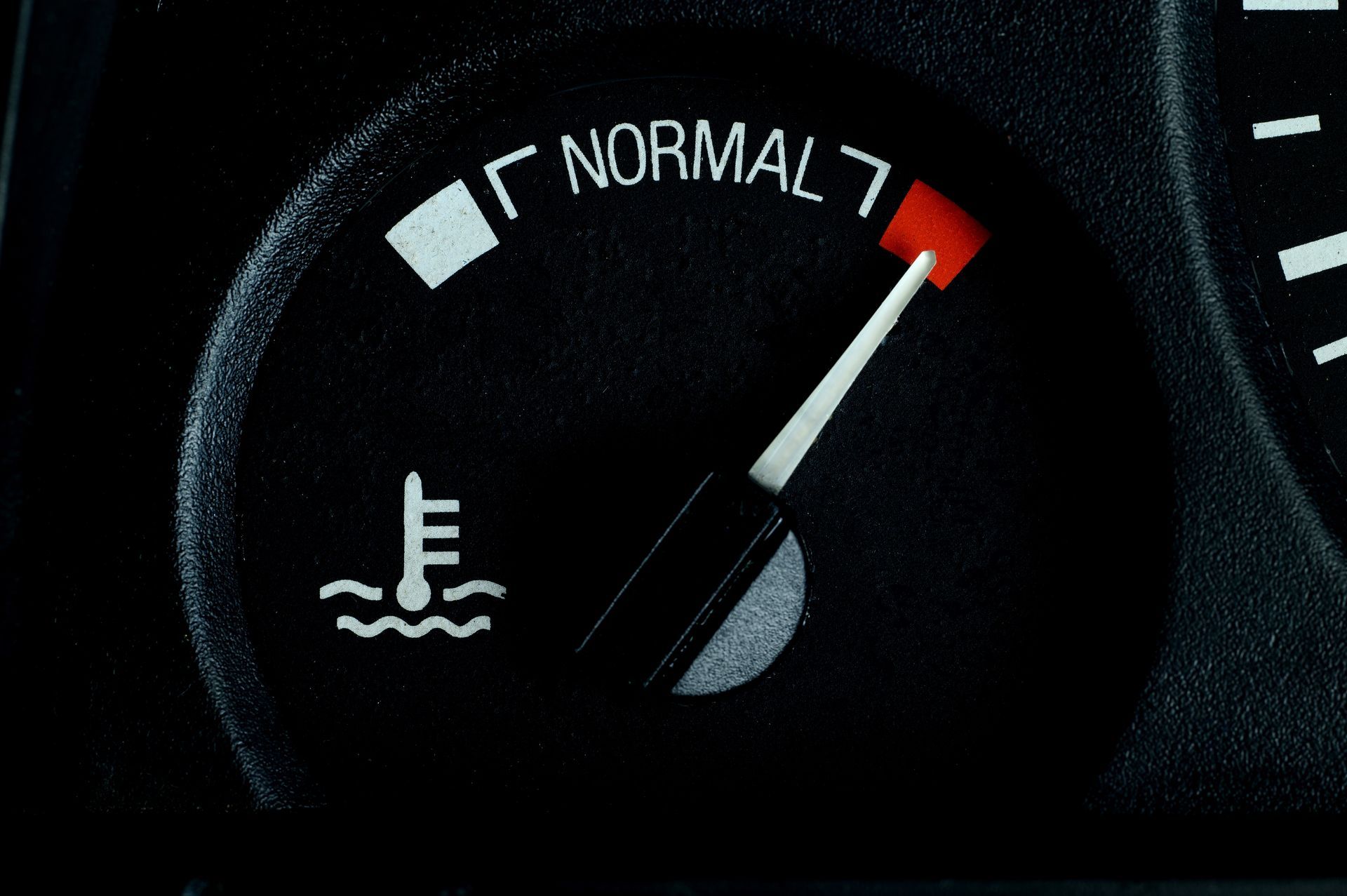
Learn common causes of engine overheating, what to do if your car overheats, and when to schedule cooling system repair in Cincinnati.
By VIV Builder August 10, 2026
Prepare for your next road trip with a pre-trip vehicle inspection. Learn what to check before traveling from Cincinnati.
By Admin August 3, 2026
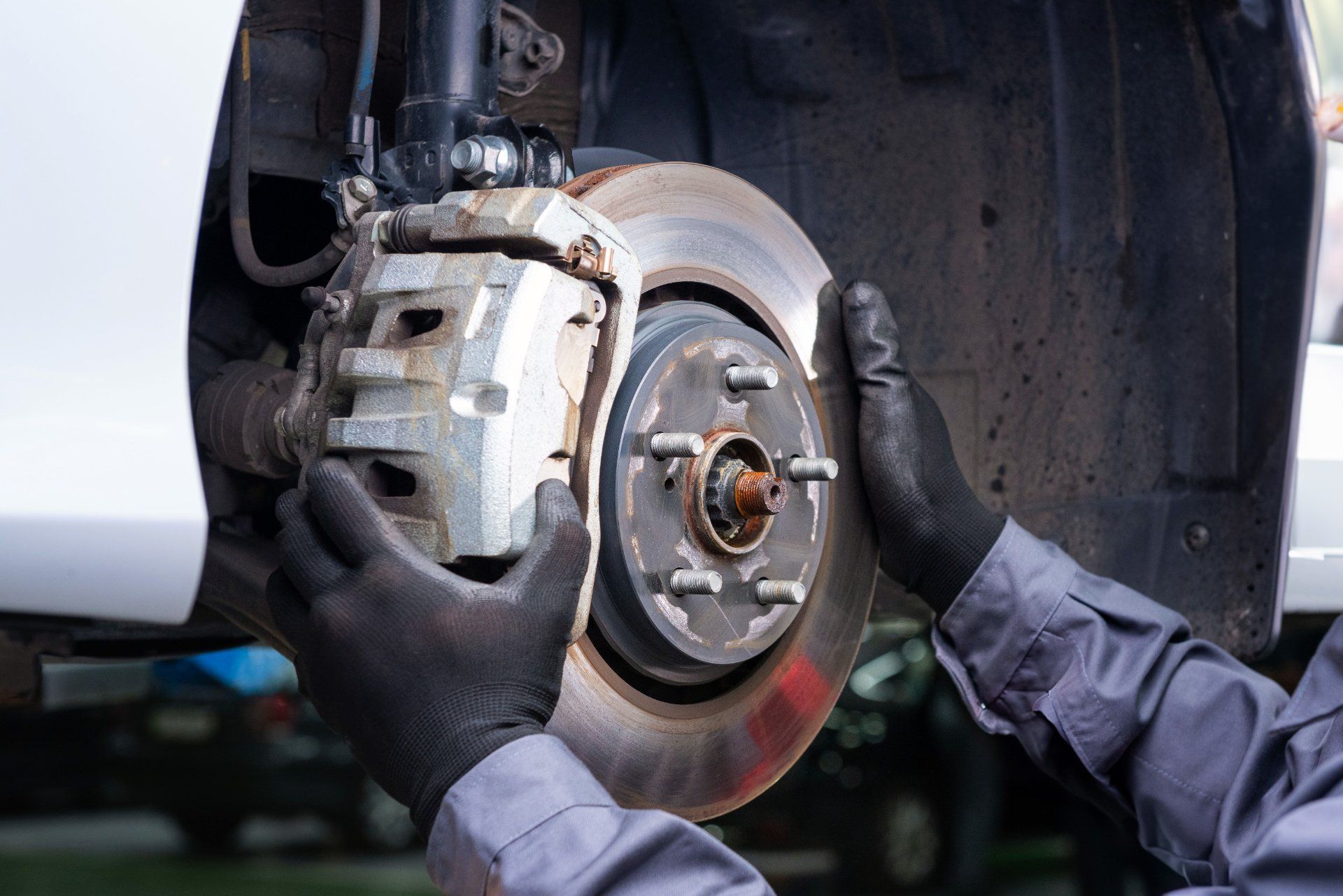
Your vehicle’s braking system is one of its most important safety systems. However, brake pads and other braking components wear gradually, which can make it difficult to recognize when service is needed.
By Admin July 27, 2026
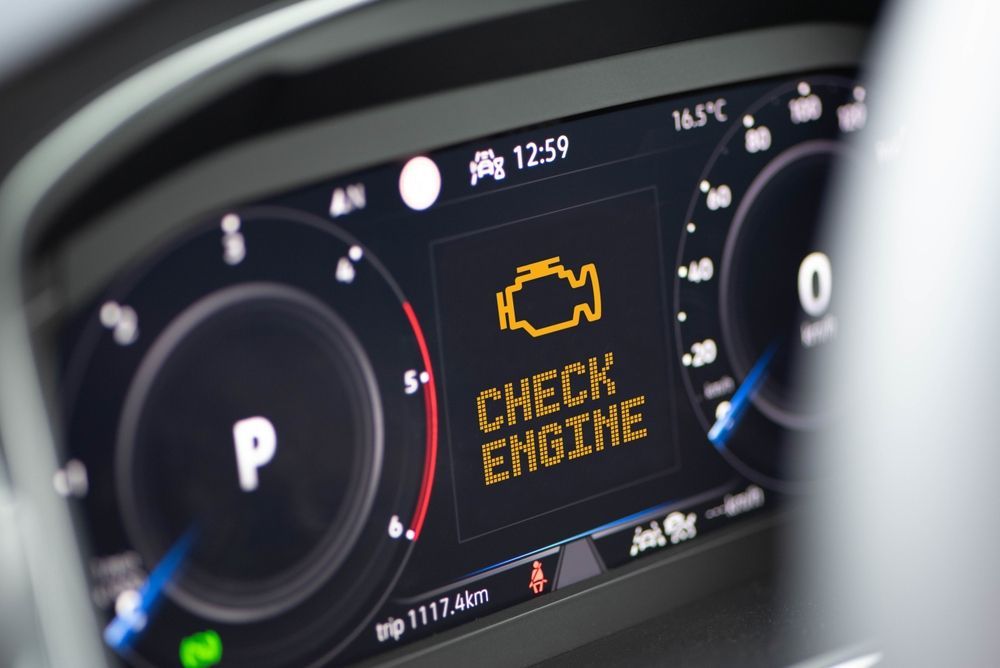
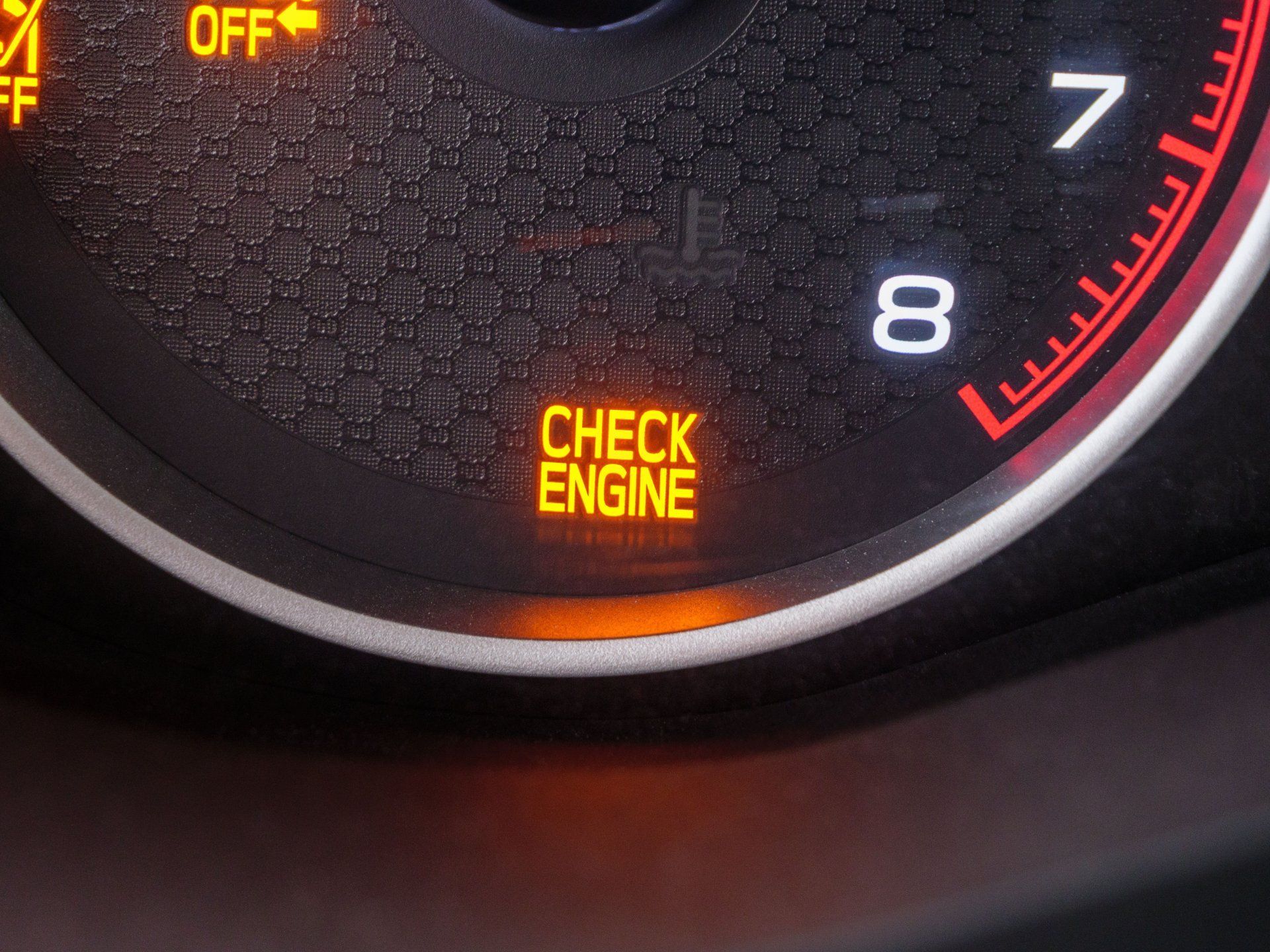
Check engine light on? Learn common causes, when it's safe to drive, and when to schedule diagnostics at Avid Autocare in Cincinnati.
By VIV Builder July 23, 2026
Learn how preventive maintenance helps Cincinnati drivers avoid breakdowns, reduce repair costs, and keep vehicles reliable longer.
By VIV Builder July 20, 2026
Learn the warning signs of brake problems and when Cincinnati drivers should schedule a brake inspection or repair to stay safe.
By VIV Builder July 16, 2026
Check engine light on? Learn common causes, when it's safe to drive, and when Cincinnati drivers should schedule diagnostics.
By VIV Builder July 13, 2026
Learn how digital vehicle inspections help Cincinnati drivers understand repairs, catch problems early, and make informed decisions.
By VIV Builder June 18, 2026
Fall rain and wet roads can affect how your car stops. Learn the warning signs and schedule a brake inspection with Avid Autocare in Cincinnati today.