
Is Your Car Ready for Cincinnati's Spring Rain?
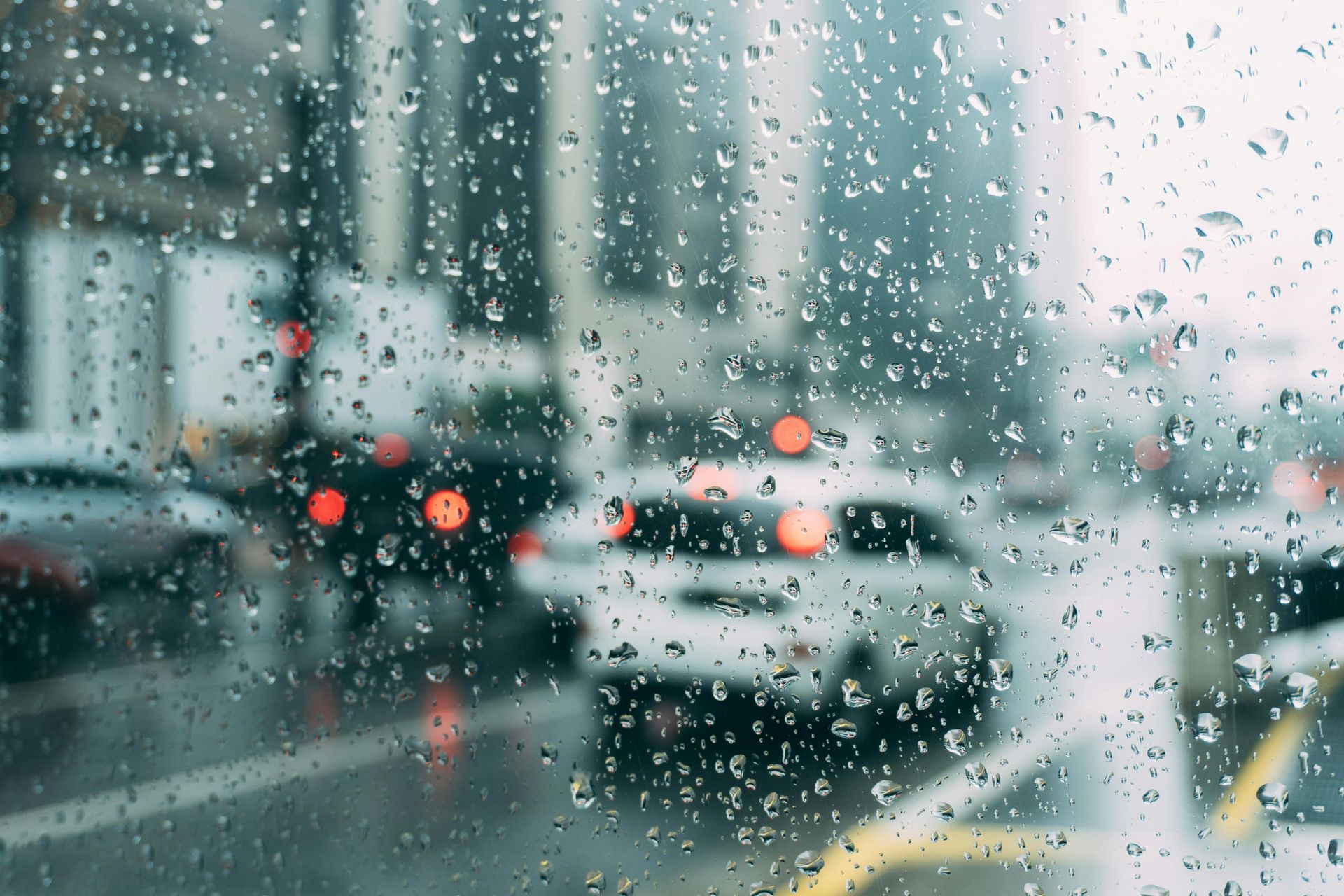
With those beautiful flowers blooming across Eden Park and warmer days perfect for strolling along the Ohio River, comes something a bit less exciting—all that Ohio Valley rain. And between you and me, those Cincinnati spring showers can make driving on I-75, I-71, and across the Brent Spence Bridge pretty challenging if your car isn't prepared.
Let's Talk About Your Brakes in Cincinnati
Have you thought about your brakes lately? I know, not the most exciting topic at your table at Skyline Chili or Montgomery Inn. But here at Avid Auto Care, serving Greater Cincinnati, Northern Kentucky, and the entire Tri-State area, we see a huge spike in brake problems every spring from Hyde Park to West Chester, and it's definitely not a coincidence.
Cincinnati winters can be brutal on your brake system (think rust, worn pads, and all that salt on local roads like Madison Road and Beechmont Avenue). Before you're caught in a downpour driving down those steep Cincinnati hills in Mt. Adams or Price Hill, let's chat about why this matters for you and your passengers.
Why Should Cincinnati Drivers Care About Spring Rain?
Ever notice how different your car feels on wet roads, especially when you're navigating the curves on Columbia Parkway or coming down from Mt. Lookout Square? That's because Cincinnati's spring rain seriously affects how your vehicle handles. Your tires lose some of their grip on those notoriously slick Cincinnati streets, and you'll need more distance to stop safely at busy intersections like Kenwood and Montgomery. If your brakes are already worn down from our harsh Midwest winter, you might be cutting it close between a safe stop and a fender bender on Vine Street.
And here's the thing about driving in Cincinnati—it doesn't even have to be pouring like a summer storm at Great American Ball Park. Even that light spring drizzle we often get in April and May can mix with road oil to create a slippery mess, especially around busy areas like The Banks and Oakley Square. When that happens, you really need your brakes to be at their best for Cincinnati's unique driving challenges.
What Cincinnati's Winter Did to Your Brakes (Spoiler: Nothing Good)
Did you drive through snow, ice, or salty roads around Cincinnati this past winter? (If you're like most of us navigating from Anderson Township to Blue Ash during those February snowstorms, that's a definite yes.) Your brake system has probably taken quite a hit from Cincinnati's famous freeze-thaw cycles. The salt that the City of Cincinnati Public Works spreads on streets like Reading Road and Glenway Avenue loves to corrode brake lines and rotors, and all that Ohio River Valley moisture? Hello, rust!
Plus, all that careful winter driving across the Western Hills Viaduct or up those steep inclines in Clifton means you probably used your brakes more than usual, wearing down those pads faster than you might think. Cincinnati's unique topography with its many hills and valleys puts extra strain on your vehicle's braking system that flat Midwestern cities just don't experience.
Are Your Brakes Trying to Tell You Something?
Your car actually gives you plenty of warning signs when your brakes need attention. Have you noticed any of these lately?
- That squeaking or squealing sound when you stop (and no, turning up the radio doesn't fix it!)
- A grinding noise (which usually means your brake pads are completely worn down—yikes!)
- A brake pedal that feels soft or spongy under your foot
- Vibrations when you brake
- Your car pulling to one side when you stop
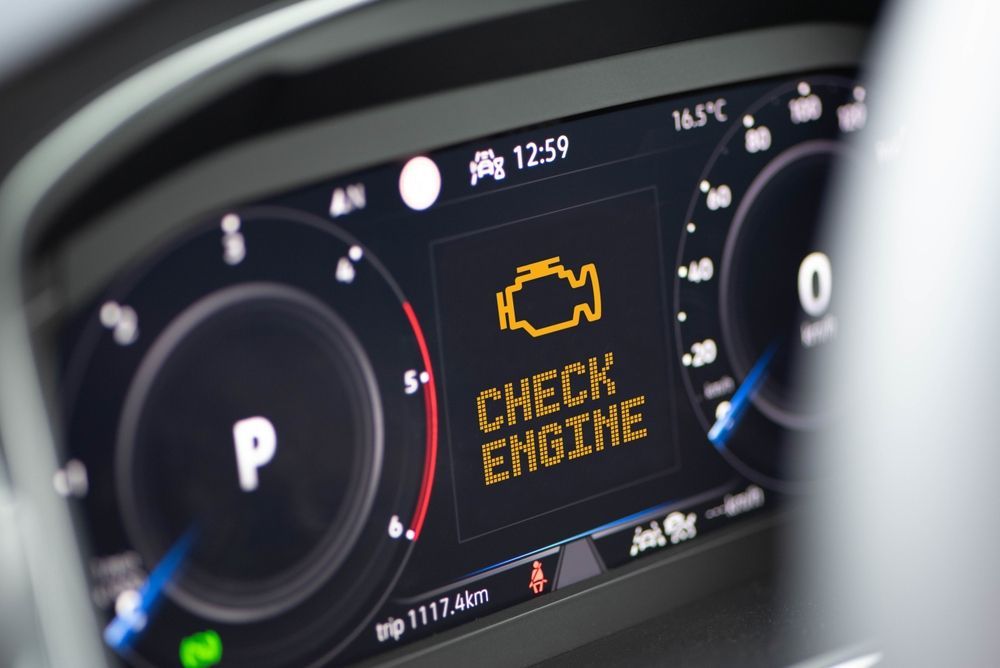
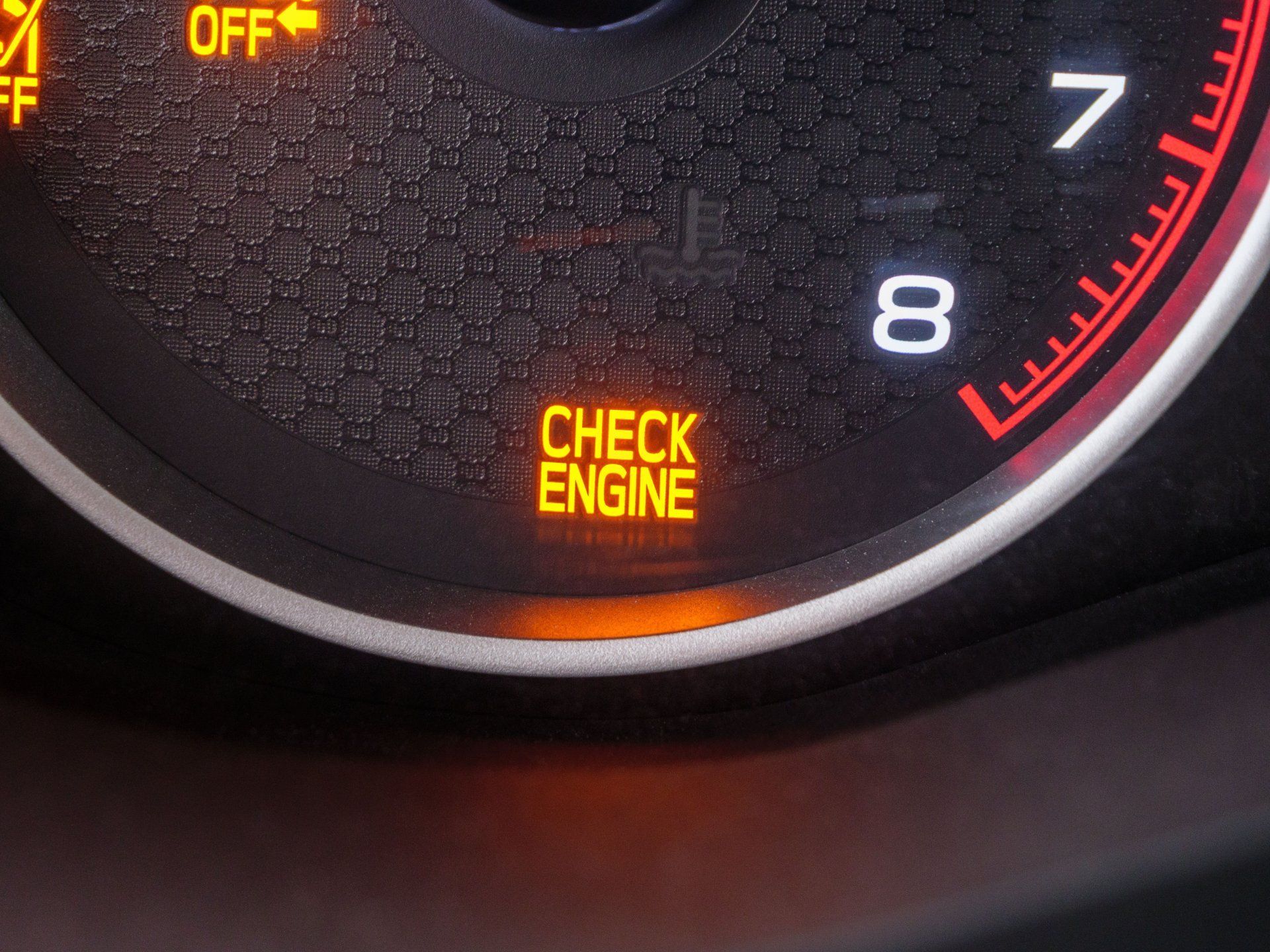
- That dreaded warning light on your dashboard
Sound familiar? Don't wait around hoping it'll magically improve. Even if your car is still stopping, these are your brake system's way of waving a red flag.
What We Check When You Visit Us
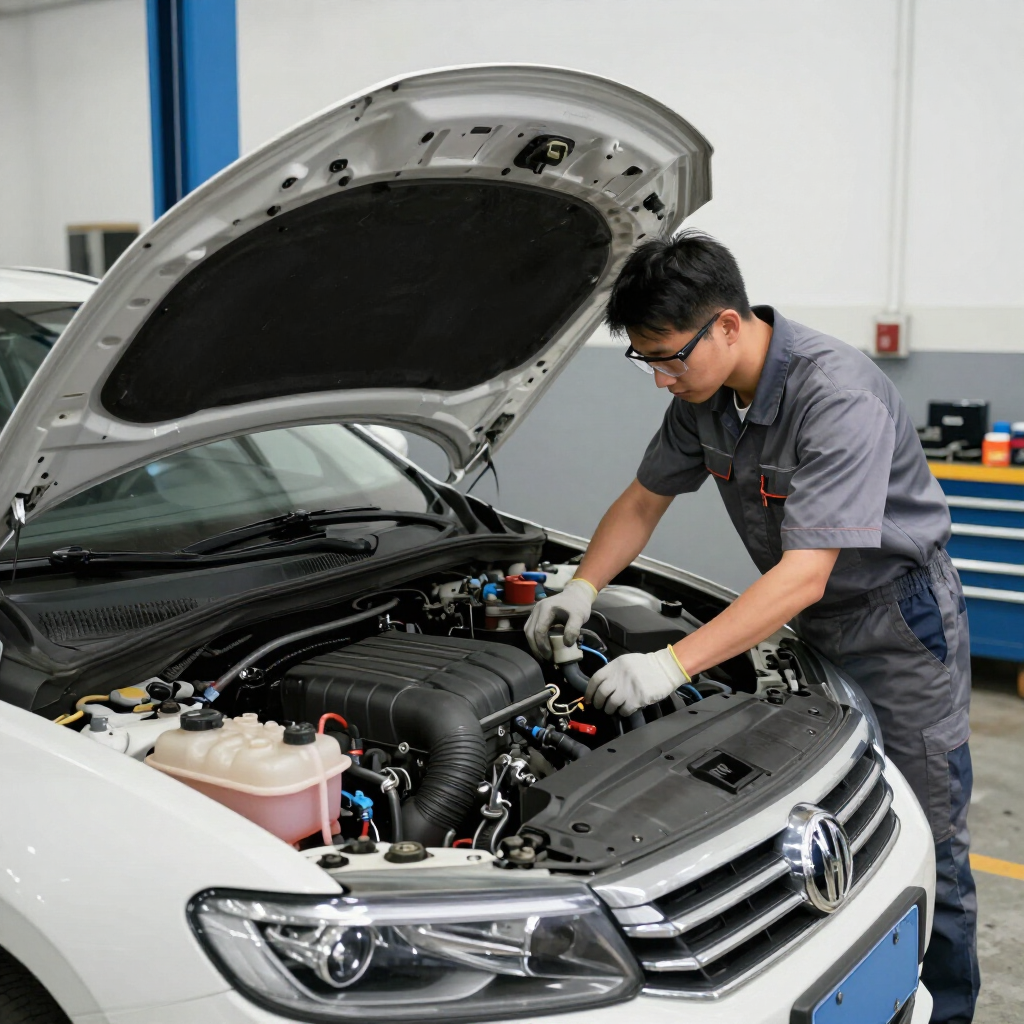
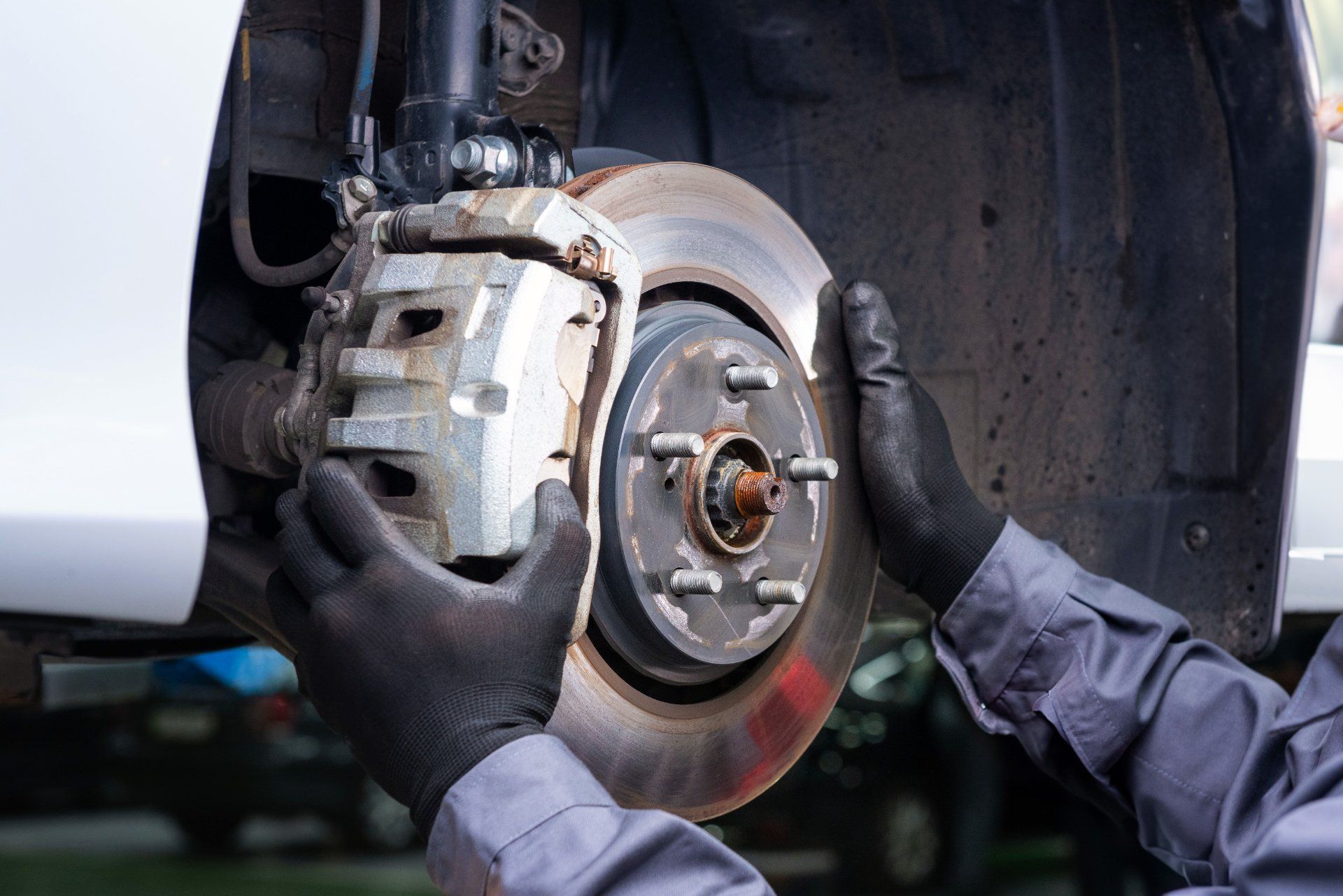
When you bring your car in for a brake inspection, we don't just give it a quick glance. We look at everything that affects how well you stop:
- Brake Pads: Once these wear down to about 3mm, it's replacement time.
- Rotors: We check for rust, warping, and scoring that can make your brakes less effective.
- Brake Fluid: Did you know this fluid absorbs moisture over time? When that happens, it lowers the boiling point and can compromise your braking power.
- Calipers & Hoses: These need to be free of leaks or seizing to keep your brakes working properly.
Don't worry—we won't blind you with technical jargon. We'll give you a straightforward report so you can make smart decisions for both your safety and your wallet.
Think of Brake Checks as Preventive Care
You wouldn't wait until you're seriously sick to see a doctor, right? (At least I hope not!) The same thinking applies to your car. A quick brake check can catch small issues before they become major problems—and expensive repairs.
And if your daily driving involves stop-and-go traffic, hauling heavy loads, or a lengthy commute, your brakes are working overtime. It's not just about how many miles you've driven—it's about how you drive those miles.
So When Should You Replace Your Brakes?
Every vehicle has its own personality, but most brake pads last somewhere between 30,000 and 70,000 miles. Not sure when yours were last replaced? Spring is the perfect time to find out! Why not combine it with your tire rotation or oil change and knock out several maintenance tasks at once?
Here's a quick reference guide:
- Brake Pads: Every 30k-70k miles, depending on your driving habits
- Brake Rotors: Every 50k-70k miles, or sooner if they're worn or damaged
- Brake Fluid: Every 2-3 years, or whatever your vehicle manufacturer recommends
What Happens If You Procrastinate?
We all put things off sometimes, but your brakes shouldn't be on that list. Ignoring them can lead to:
- Longer stopping distances (especially dangerous on those rainy spring days)
- Damage to your rotors, which costs more to fix
- Safety risks for you, your passengers, and other drivers
- A much bigger repair bill when the problem becomes impossible to ignore
Trust me, you don't want to discover your brakes aren't up to par when you really need them in an emergency situation.
Think of checking your brakes as part of your Cincinnati spring refresh routine. While you're planting flowers at Krohn Conservatory, heading to Findlay Market for fresh produce, or deep-cleaning your home for spring, why not add your car to the list? It only takes a short visit to our convenient locations throughout Cincinnati, and the peace of mind you'll gain for driving safely through Northside, Downtown, or out to Eastgate is absolutely worth it.
Still Have Questions? Let's Chat with Our Cincinnati Team!
Not sure what to do? Have questions about your specific vehicle? Our Cincinnati-based technicians love talking cars (maybe a little too much), even if you're just gathering information. Whether this is your first time visiting us or you've been with Avid Auto Care in Cincinnati for years, we're here to help you make smart decisions about your vehicle.