
The Complete Guide to Brake Fluid Maintenance for Cincinnati Drivers: The Silent Hero in Your Vehicle's Safety System
Why Cincinnati Drivers Need to Care About Brake Fluid
Hey there, Cincinnati drivers! Have you thought about your brake fluid lately? If you're like most people in the Queen City, probably not. It's literally the lifeblood of your braking system, yet it remains one of the most overlooked maintenance items in vehicle care.
Unlike engine oil with its convenient dashboard warning light, there's no alert system telling you when your brake fluid needs attention. At Avid Autocare, we see vehicles every day with dangerously contaminated brake fluid, putting drivers at risk on Cincinnati's challenging roads.
We believe understanding brake fluid isn't just about vehicle maintenance—it's about protecting what matters most as you navigate everything from the winding roads of Mount Adams to the stop-and-go traffic on I-75.
The Cincinnati Brake Fluid Challenge: Our Local Conditions
Living in Cincinnati creates unique challenges for your vehicle's brake fluid:
- Extreme temperature fluctuations - From below-freezing winters to humid 90-degree summer days, sometimes within the same week! These temperature swings accelerate brake fluid degradation.
- Hillside driving - Cincinnati's famous seven hills mean your brakes work harder than in flatter cities. Those steep climbs and descents on streets like Vine and Liberty put extra stress on your braking system.
- High humidity levels - Our Ohio River Valley location brings humidity levels that promote faster moisture absorption in brake fluid, especially during summer months.
- Winter road treatments - The salt and chemicals used on Cincinnati roads during winter months can accelerate corrosion in brake systems with old fluid.
Warning Signs Your Brake Fluid is Crying for Help
At Avid Autocare, we regularly see customers who've been unknowingly driving with compromised brake fluid. Here's what to watch for:
- Spongy brake pedal - If your brake pedal feels soft or sinks closer to the floor than usual, contaminated fluid may be to blame.
- Longer stopping distances - Finding yourself stopping farther than expected? Your brake fluid might be compromised.
- ABS light activation - Sometimes, contaminated brake fluid can trigger your ABS warning light due to irregular hydraulic pressure.
- Burning smell after braking - If you detect a sharp, chemical odor after hard braking (like coming down from Delhi or Price Hill), your brake fluid might be overheating.
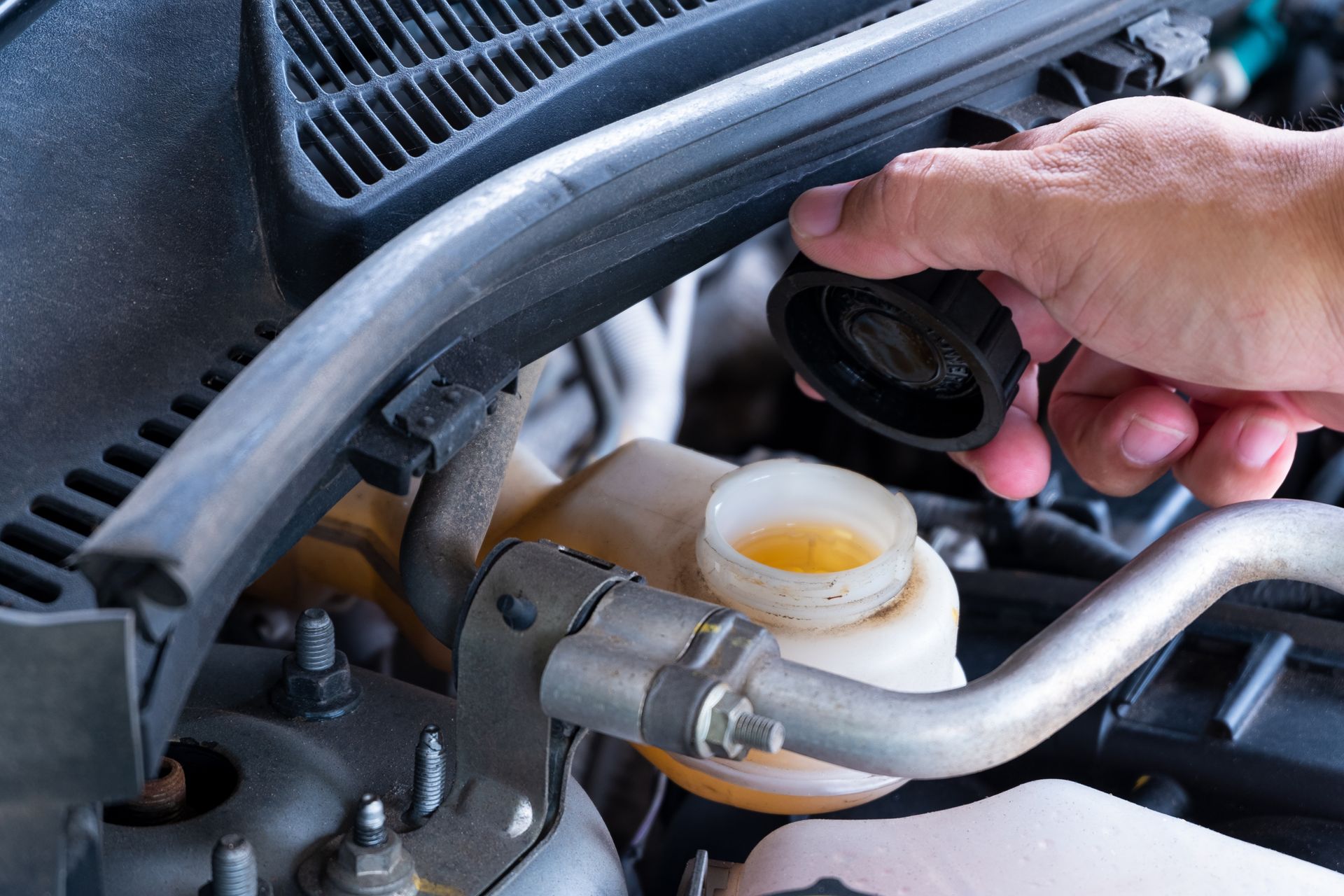
- Visual changes - Clean brake fluid is usually amber and transparent. If yours looks dark brown or black, it's time for service.
How Brake Fluid Affects Every Aspect of Your Drive
Your brake fluid impacts far more than just stopping power:
Safety First
Did you know that brake fluid with just 3% water content can reduce your braking efficiency by up to 30%? On Cincinnati's winding roads like Columbia Parkway or during one of our famous flash downpours, that could mean the difference between a safe stop and a serious accident.
Vehicle Longevity
Contaminated brake fluid becomes corrosive, potentially damaging expensive components like your ABS module, master cylinder, and brake calipers. These replacements can cost hundreds or even thousands of dollars—far more than regular fluid maintenance.
Performance
Ever notice your brakes feeling different in extreme weather? Water-contaminated brake fluid can boil during hot Cincinnati summers when braking heavily (like coming down those big hills), creating vapor that makes your brakes feel inconsistent.
Peace of Mind
Knowing your brake fluid is fresh and doing its job means one less thing to worry about as you navigate Cincinnati's diverse driving conditions, from highway commutes to neighborhood streets.
The Science Behind the Fluid: Understanding Brake Fluid Properties
When was the last time you thought about what's actually in your brake fluid? Understanding the basics can help you make better maintenance decisions:
- Hygroscopic properties - Brake fluid is hygroscopic, which means it naturally absorbs moisture from the air. Here in humid Cincinnati, this process happens even faster than in drier climates.
- Boiling point degradation - New DOT 3 brake fluid has a boiling point around 450°F, but this drops significantly as water is absorbed. Fluid with just 3% water contamination can see its boiling point drop below 300°F—a temperature easily reached during hard braking.
- Different fluid types - Brake fluid comes in different varieties (DOT 3, DOT 4, DOT 5, etc.), each with specific properties. Using the wrong type can damage seals and compromise braking performance. Most Cincinnati vehicles use DOT 3 or DOT 4, but your specific vehicle may have different requirements.
One Avid Autocare customer discovered their brake pedal's spongy feel wasn't mechanical—it was simply 5-year-old brake fluid that had absorbed too much moisture! After a proper flush, their pedal feel and stopping power returned to like-new condition.
The Seasonal Impact: How Cincinnati's Weather Affects Your Brake Fluid
While brake fluid doesn't change with the seasons, our Cincinnati seasonal shifts absolutely affect it:
- Summer challenges - During hot summer months, water-contaminated brake fluid can actually boil inside your brake lines during hard stops, creating vapor pockets that make your brake pedal feel spongy—or worse, cause partial brake failure.
- Winter worries - Water-contaminated brake fluid can freeze in extreme cold, potentially causing brake line damage or inconsistent braking performance. Not exactly what you want when navigating those icy Cincinnati hills on your morning commute!
- Spring and fall temperature swings - Cincinnati's famous temperature fluctuations cause expansion and contraction in your brake system, which can accelerate moisture absorption in your fluid.
Cincinnati-Proof Your Brakes with Avid Autocare
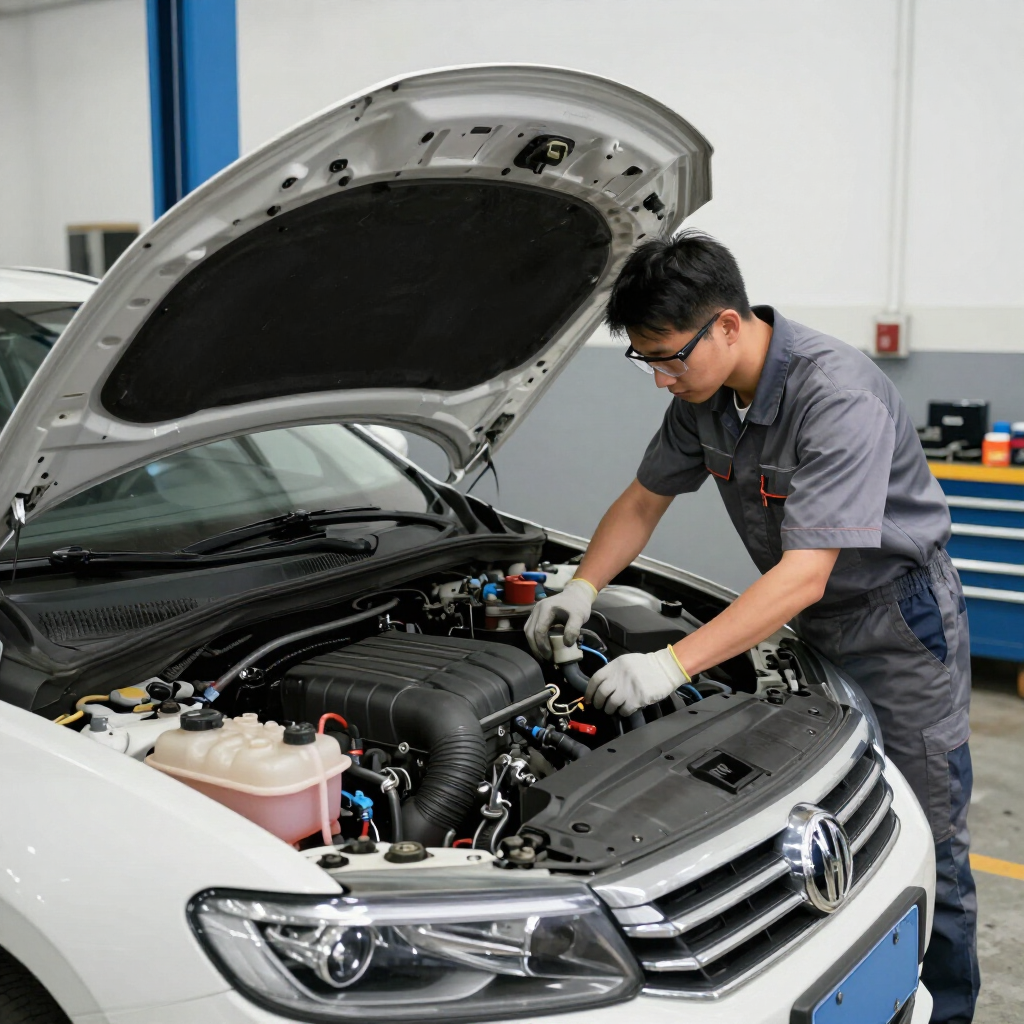
At Avid Autocare, we don't just replace your brake fluid—we take a comprehensive approach to brake system health:
- Scientific testing - Using specialized equipment, we test your fluid's condition first, measuring moisture content and determining if replacement is actually necessary. Why replace what's still working properly?
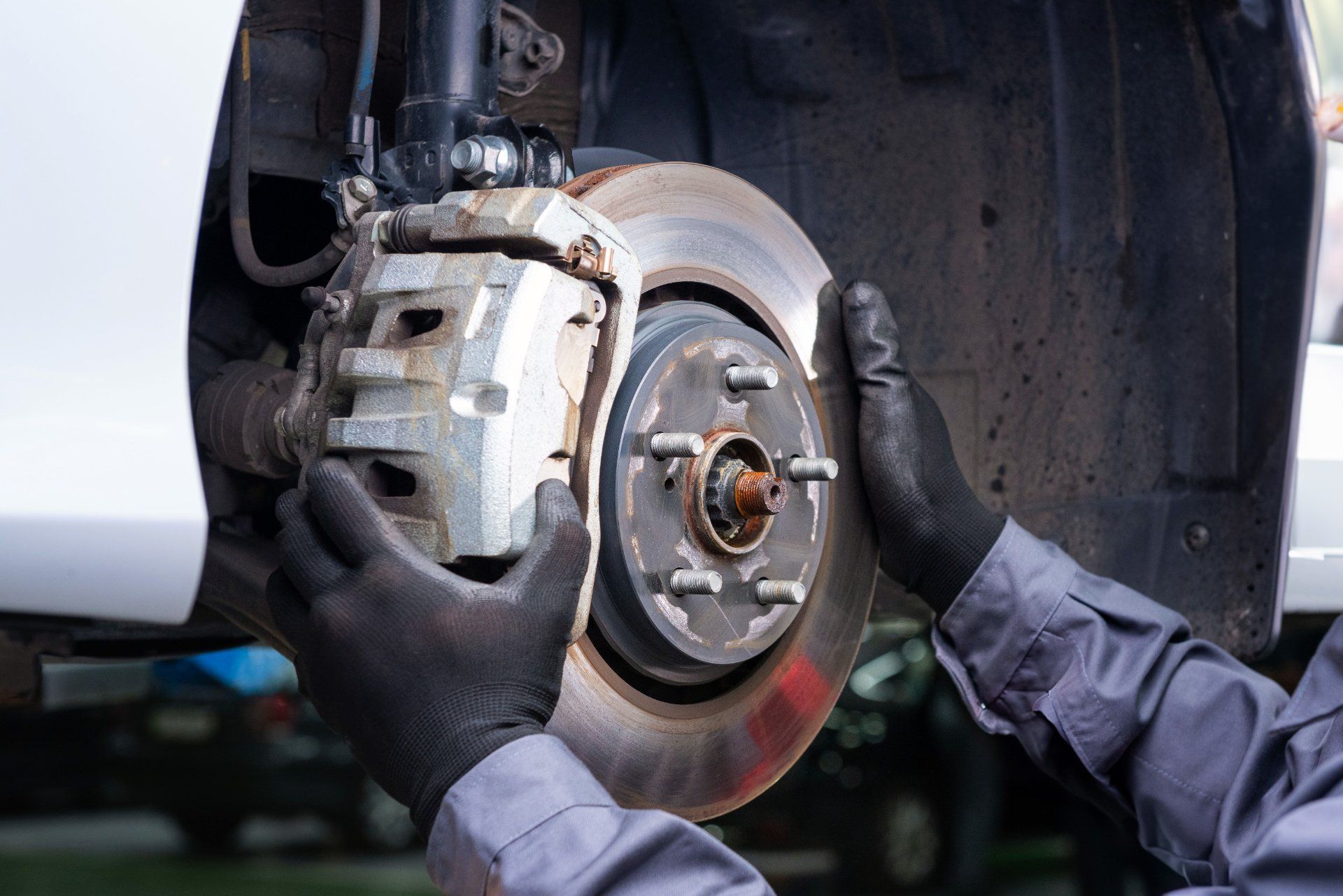
- Complete system flush - When we do perform a brake fluid service, we use a complete system flush rather than simply draining the reservoir. This ensures all old, contaminated fluid is removed from the entire brake system, including those hard-to-reach areas in the calipers and wheel cylinders.
- Manufacturer-specific fluid - We always use the manufacturer-recommended fluid type for your specific vehicle, ensuring compatibility with your brake system's components.
- Comprehensive inspection - During our brake fluid service, we also inspect other brake components for wear or damage, addressing potential issues before they become expensive problems.
What truly sets us apart from other Cincinnati shops is our commitment to education and transparency. We'll show you your fluid's condition and explain exactly why service is or isn't needed—no unnecessary upsells, just honest recommendations.
Your Action Plan for Brake Fluid Health
Want to maximize your braking performance and safety on Cincinnati roads? Follow these Avid Autocare-approved tips:
- Follow the 2-3 year rule - The industry recommendation is to change brake fluid every 2-3 years, regardless of mileage.
- Watch for warning signs - Pay attention to changes in brake pedal feel, stopping distance, or visible fluid color.
- Consider your driving habits - If you frequently drive Cincinnati's hillier neighborhoods or tow heavy loads, you may need more frequent brake fluid service.
- Stick with quality - When it's time for replacement, use only quality brake fluid that meets or exceeds your vehicle manufacturer's specifications.
- Address small problems early - If you notice any changes in braking performance, have your system inspected right away—small issues can quickly become dangerous ones.
Experience the Avid Autocare Difference
Next time you're driving through Oakley, Blue Ash, or any of our Cincinnati locations, swing by Avid Autocare for a complimentary brake fluid test. Our certified technicians will check your:
- Brake fluid condition and moisture content
- Brake pedal feel and response
- Fluid level and appearance
- Master cylinder and reservoir condition
- Signs of leaks or system damage
We'll provide honest recommendations about whether your brake fluid needs replacement or if it's still providing adequate protection. You can also schedule your brake inspection online at www.avidautocare.com in just a few clicks.
Join the Conversation
What's your brake-related experience on Cincinnati roads? Ever felt your brakes fade coming down the big hill on West 8th Street? Noticed your brake pedal feeling different during extreme weather? Had a close call that made you appreciate good braking performance?
Share your experiences in the comments below or on our social media pages. We'd love to hear from fellow Cincinnati drivers about your brake challenges and questions!
Remember, at Avid Autocare, we believe your brake fluid is the unsung hero of your vehicle's safety system—and we're here to help it perform at its best when you need it most.