
The Complete Guide to Tire Health for Cincinnati Drivers: Why Your Rubber Meets More Than Just the Road
Why Cincinnati Drivers Need to Take Tire Health Seriously
Hey there, Cincinnati drivers! Have you thought about your tires today? If you're like most people in the Queen City, probably not. Those four rubber circles are literally where your vehicle meets the road, yet they're often the most overlooked component of regular vehicle maintenance.
As we navigate Cincinnati's ever-changing roads (hello, never-ending construction on I-75!), our tires silently take a beating that impacts everything from fuel economy to safety. At Avid Autocare, we believe proper tire maintenance isn't just about avoiding flats—it's about protecting your investment and keeping your family safe on Cincinnati's unique roadways.
The Cincinnati Tire Challenge: Our Local Road Conditions
Living in Cincinnati means your tires face challenges that drivers in other regions might not experience:
- Extreme temperature fluctuations - From below-freezing winters to scorching 90-degree summer days, sometimes within the same week! These temperature swings affect tire pressure and compound performance.
- The infamous potholes - After each freeze-thaw cycle, Cincinnati's roads seem to develop new tire-destroying craters overnight. That massive pothole on Red Bank Road? It's practically a city landmark at this point!
- Varied terrain - From the flat streets downtown to the hilly eastern suburbs, Cincinnati drivers encounter diverse driving conditions that put different stresses on their tires.
- Unpredictable precipitation - From sudden summer downpours to unexpected winter ice storms, Cincinnati weather demands tires with reliable traction in all conditions.
Warning Signs Your Tires Are Crying for Help
At Avid Autocare, we regularly see customers who've been unknowingly driving on dangerously worn or damaged tires. Here's what to watch for:
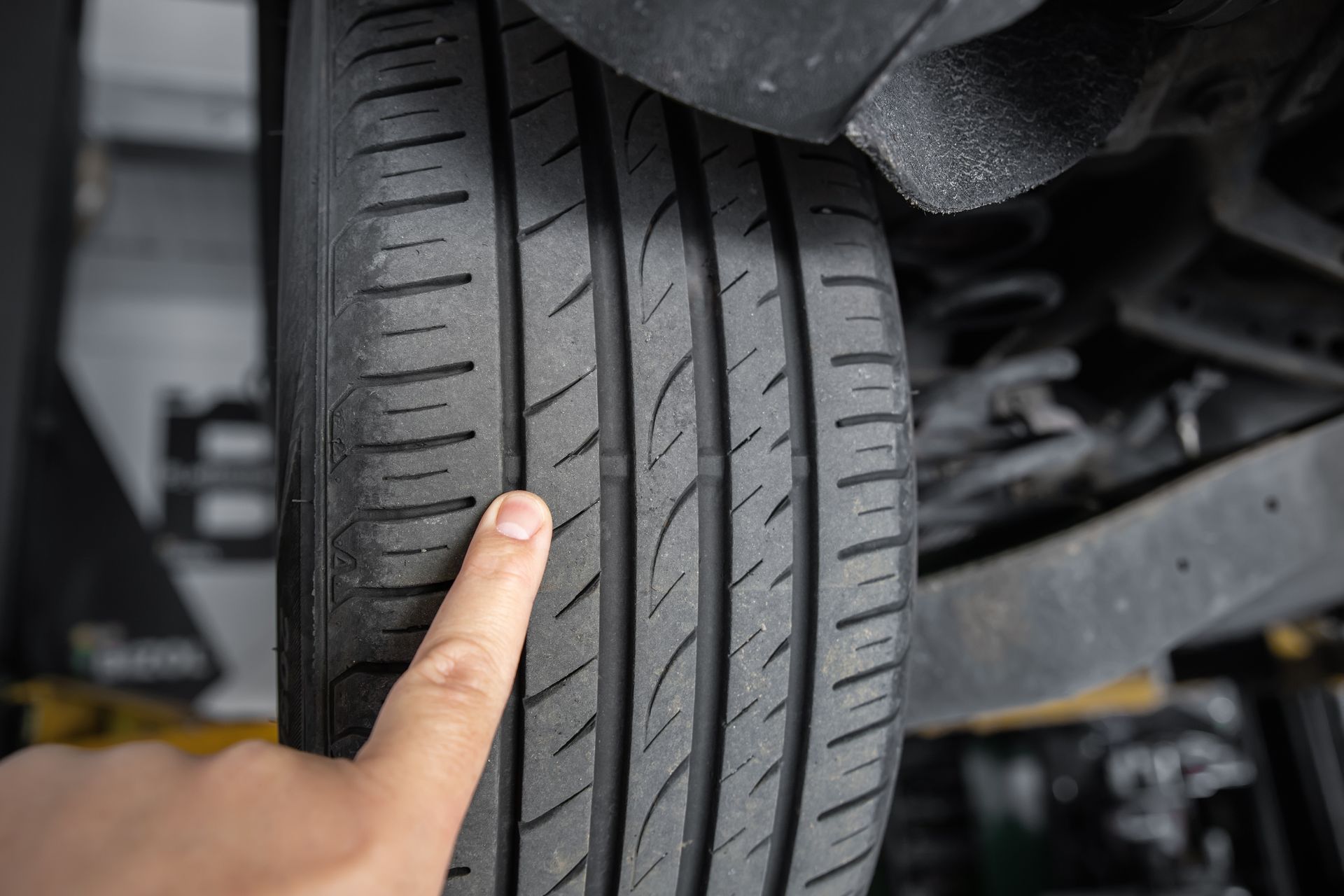
- Uneven tread wear - If your tires are wearing more on one side than the other, you likely have alignment issues that need addressing.
- Vibration at highway speeds - Feel a shimmy when cruising down I-71? Your tires might be out of balance or have internal damage.
- Decreased fuel efficiency - If you're suddenly making more trips to the gas station, underinflated tires could be the culprit.
- Reduced handling performance - Does your vehicle feel less responsive when cornering? Your tires might not be providing the grip they should.
- Visible damage - Cracks, bulges, or objects embedded in your tires are serious warning signs that require immediate attention.
How Tire Health Affects Every Aspect of Your Drive
Your tires influence far more than just whether you get a flat or not:
Safety First
Did you know that tires with worn tread can increase your stopping distance by up to 40% in wet conditions? On Cincinnati's winding roads like Columbia Parkway or during one of our famous summer thunderstorms, that could mean the difference between a safe stop and a serious accident.
Fuel Economy
Properly inflated tires with correct alignment can improve your gas mileage by up to 3%. With today's gas prices in Cincinnati, that savings adds up quickly!
Vehicle Longevity
Tires with proper inflation and alignment reduce stress on your suspension components and drivetrain, potentially saving you thousands in repair costs over your vehicle's lifetime.
Comfort
Those jarring bumps and vibrations from tire issues don't just feel uncomfortable—they can cause driver fatigue, making your commute from West Chester to downtown more dangerous than it needs to be.
The Pressure's On: Understanding Tire Inflation
When was the last time you actually measured your tire pressure? Most Cincinnati drivers only check when their TPMS light comes on—which typically happens when tires are already significantly underinflated.
Here's why proper inflation matters:
- Underinflated tires flex more as they roll, generating excess heat that weakens the internal structure and increases blowout risk.
- Overinflated tires have reduced contact with the road surface, compromising traction on Cincinnati's already challenging roads.
- Temperature changes affect pressure—for every 10-degree drop in temperature, tires lose about 1 PSI. During Cincinnati's fall and spring temperature swings, this means your tire pressure could change significantly overnight!
One Avid Autocare customer reported a 2 MPG improvement in fuel economy after we corrected his chronically underinflated tires. That's nearly $200 in annual savings for the average Cincinnati commuter!
Tread Patterns: Not Just for Show
Those grooves and channels in your tires serve critical functions:
- Water evacuation - The primary purpose of tread patterns is to channel water away from the tire's contact patch, preventing hydroplaning during Cincinnati's frequent rain showers.
- Snow traction - Specific tread designs can bite into snow, giving you crucial grip during our unpredictable winter weather.
- Heat dissipation - Proper tread design helps manage heat buildup, especially important during Cincinnati's hot summer months.
- Road noise reduction - Well-designed tread patterns minimize road noise, making your drive along the noisy concrete sections of I-275 more pleasant.
Cincinnati-Proof Your Tires with Avid Autocare
At Avid Autocare, we've curated a selection of quality tires specifically chosen to handle Cincinnati's diverse driving conditions. Whether you need all-seasons for year-round reliability, performance tires for those enjoying the curves of Mt. Adams, or winter tires for tackling snowy commutes from the northern suburbs, we have options that match both your driving needs and budget.
What truly sets us apart from other Cincinnati tire shops is our comprehensive road hazard warranty. Because let's be honest—no matter how carefully you drive, Cincinnati roads sometimes have other plans for your tires!
Our road hazard warranty covers:
- Unexpected punctures
- Irreparable damage from potholes
- Other road-related injuries that would otherwise leave you paying full price for a replacement
It's peace of mind for navigating our sometimes-challenging local roads, especially during construction season (which sometimes feels like all year in Cincinnati!).
Your Action Plan for Tire Health
Want to maximize your tire life and safety on Cincinnati roads? Follow these Avid Autocare-approved tips:
1. Check tire pressure monthly and before long trips, especially when seasons change
2. Rotate your tires every 5,000-7,000 miles to ensure even wear
3. Inspect tread depth regularly using the penny test (if you can see all of Lincoln's head, your tread is too worn)
4. Watch for unusual wear patterns that might indicate alignment issues
5. Address small problems early before they become expensive or dangerous failures
Experience the Avid Autocare Difference
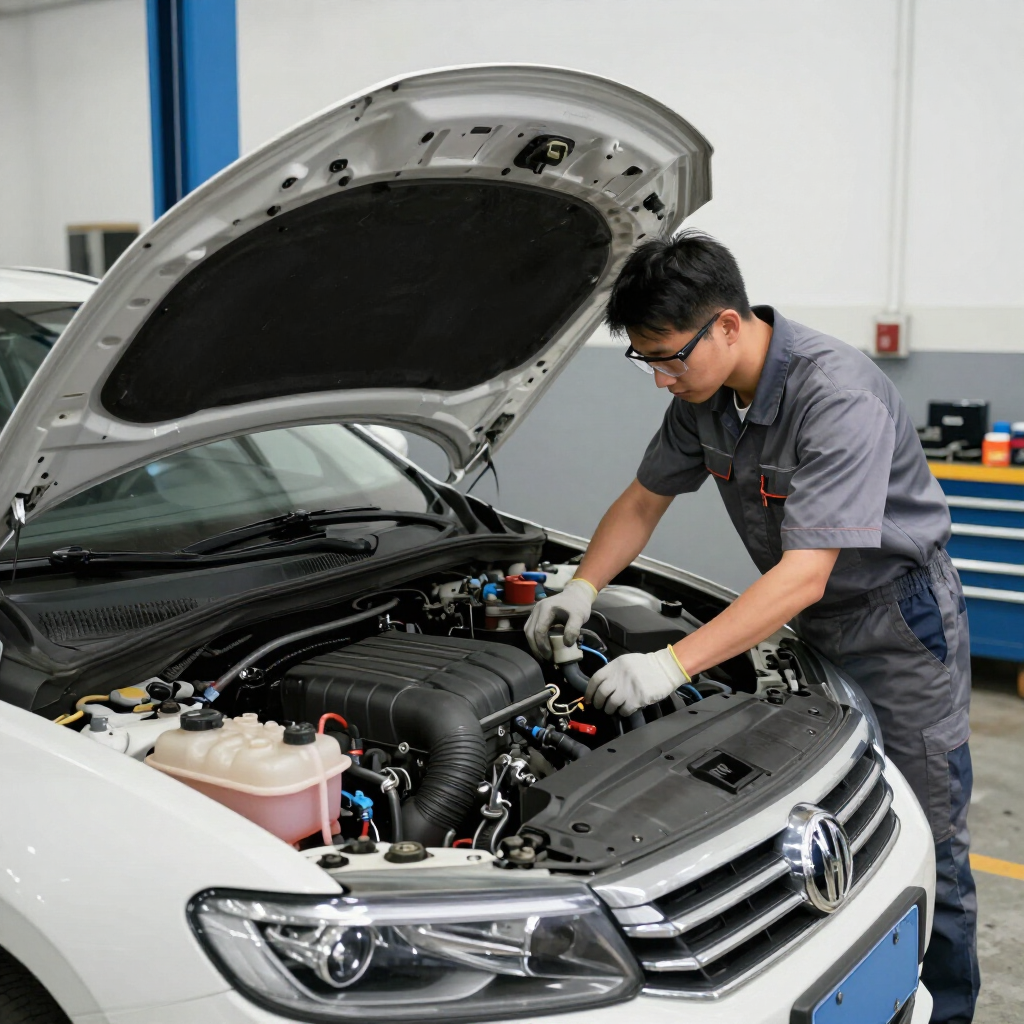
Next time you're driving through Oakley, Blue Ash, or any of our Cincinnati locations, swing by Avid Autocare for a complimentary tire inspection. Our certified technicians will check your:
- Tread depth across all surfaces
- Inflation levels
- Alignment indicators
- Valve stems and TPMS function
- Potential damage or embedded objects
We'll provide honest recommendations about whether your tires need replacement or simple maintenance to extend their life. You can also schedule your tire inspection online at www.avidautocare.com in just a few clicks.
Join the Conversation
What's your worst Cincinnati tire story? Hit a monster pothole on Reading Road? Discovered an unexpected flat before an important meeting downtown? Struggled with traction on those steep hills during a surprise winter storm?
Share your experiences in the comments below or on our social media pages. We'd love to hear from fellow Cincinnati drivers about your tire challenges and triumphs!
Remember, at Avid Autocare, we believe your tires are more than just where the rubber meets the road—they're where your safety meets our expertise.