August 24, 2026
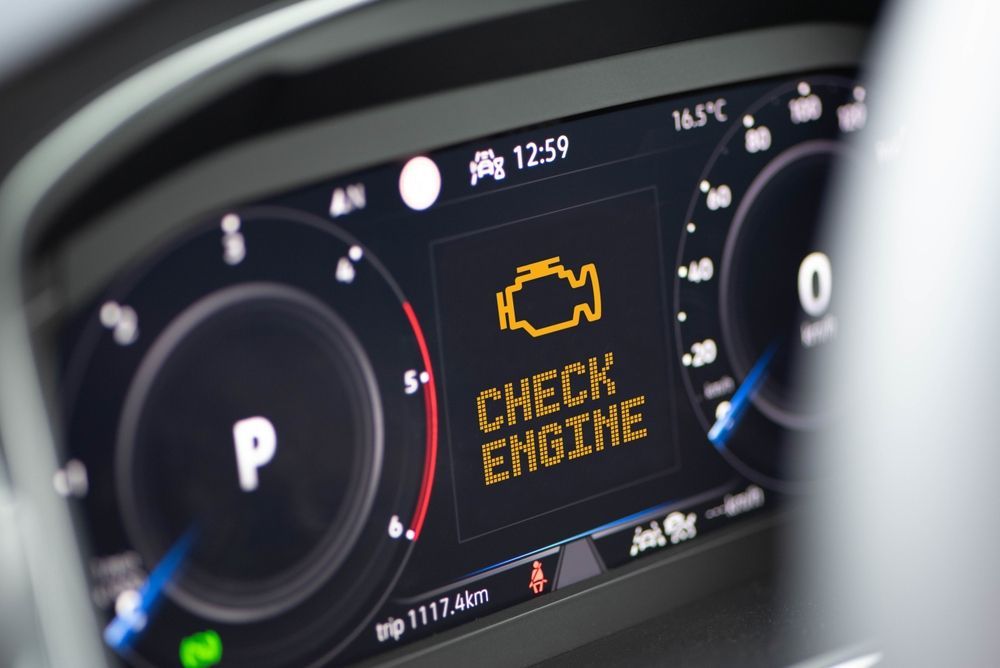
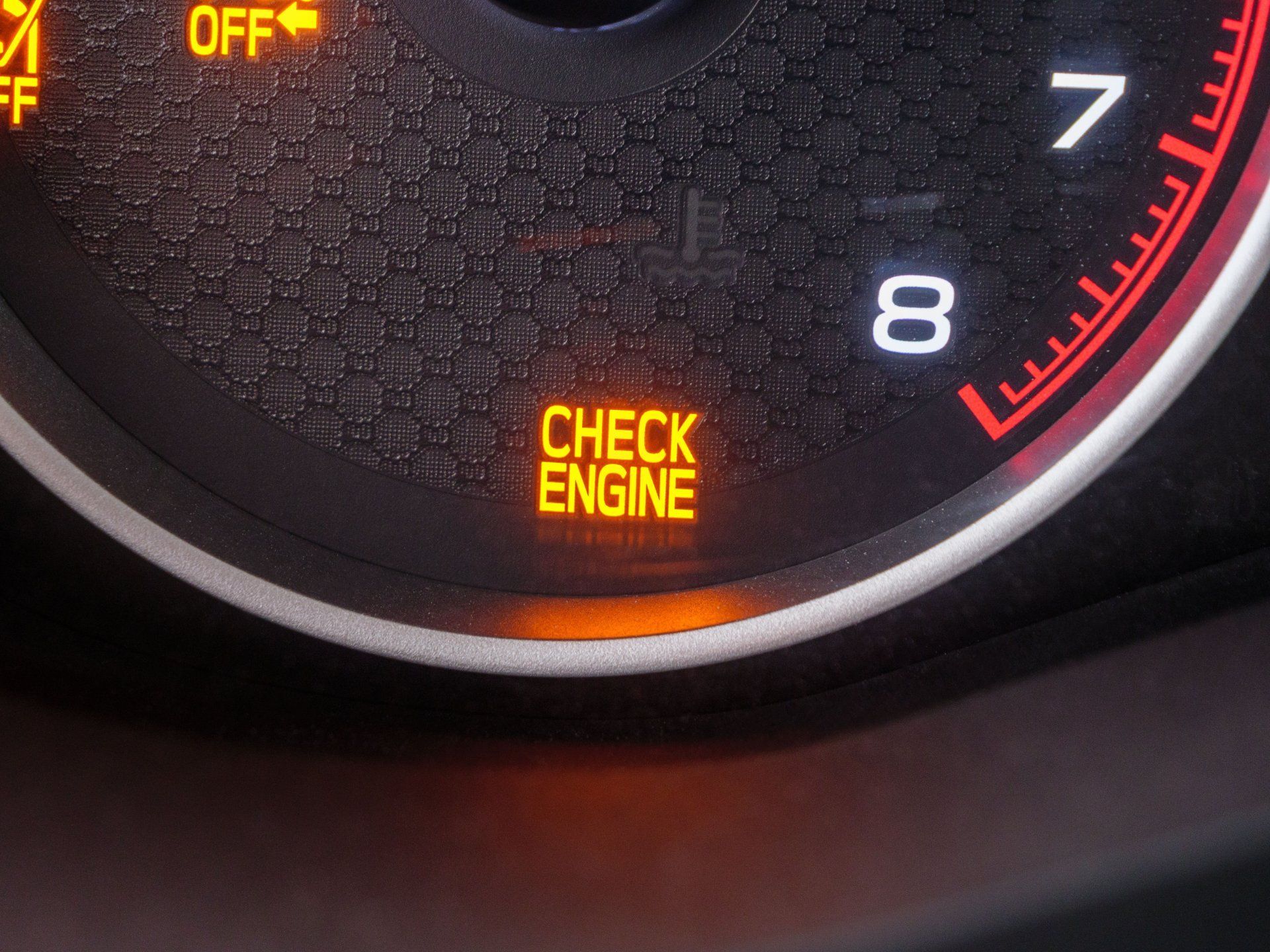
Transmission problems have a reputation for being expensive, which is one reason drivers sometimes avoid dealing with the early symptoms. The problem with that strategy is that transmission concerns rarely improve by themselves. A small leak, abnormal shift, fluid problem, electrical fault, or worn component can become a much larger issue when it is ignored. Your transmission is responsible for transferring engine power to the wheels while keeping the engine operating within an effective range. Modern transmissions are also highly computerized, which means a shifting problem can involve mechanical components, hydraulic pressure, fluid condition, sensors, control modules, or a combination of systems. That is why accurate diagnosis is important before assuming the transmission itself has failed. Pay Attention to Changes in the Way the Car Shifts One of the most common signs of trouble is a noticeable change in shifting behavior. You may feel the vehicle hesitate before moving into drive or reverse, shift much harder than it used to, hold a gear longer than expected, or seem to change gears at unusual times. Some drivers describe the vehicle as surging or jerking during acceleration. Another important symptom is slipping. If engine RPM rises but the vehicle does not accelerate at the same rate, the transmission may not be transferring power normally. Slipping can sometimes be intermittent at first, especially under heavier acceleration, but it deserves professional attention before it becomes more severe. Unusual noises can also provide clues. Whining, humming, clunking, or grinding that changes based on vehicle speed or transmission operation may indicate that something within the drivetrain needs to be inspected. Do Not Ignore Transmission Fluid Leaks Fluid underneath your vehicle should always be investigated, particularly when it may be transmission fluid. The transmission depends on the proper amount and condition of fluid for lubrication, cooling, hydraulic pressure, and normal operation. Driving with the fluid level too low can increase heat and wear and potentially create additional damage. Transmission fluid service requirements also vary significantly by vehicle. There is no single interval or fluid that applies to every make and model. The appropriate approach is to follow the manufacturer's specifications and evaluate the vehicle based on its mileage, service history, operating conditions, and transmission design. A Warning Light Does Not Automatically Mean a New Transmission Modern vehicles monitor transmission operation through electronic control systems. A warning light or stored diagnostic trouble code may indicate a transmission-related concern, but the code itself does not necessarily mean the entire transmission requires replacement. Sensors, wiring, fluid pressure problems, control components, and other faults can create symptoms that feel like a major mechanical failure. Proper diagnosis gives you the information needed to make a rational repair decision instead of assuming the worst. If your vehicle has started shifting differently, hesitating, slipping, leaking fluid, or displaying a transmission-related warning, Avid Autocare can inspect and diagnose the problem. Addressing a change early gives you a better opportunity to understand what is happening before the vehicle becomes difficult or impossible to drive.