
Fall Rain, Wet Roads, and Brake Safety in Cincinnati: Is Your Car Ready to Stop?

Fall in Cincinnati can be one of the best times of year to drive through neighborhoods like Madisonville, Mariemont, Fairfax, Hyde Park, Oakley, Mt. Lookout, Columbia-Tusculum, Madeira, Anderson, and Newtown. The cooler weather and changing leaves make the roads feel different, but they can also create new driving risks. Rain, wet pavement, and fallen leaves can all affect how quickly your vehicle stops. That is why fall is one of the best times to pay closer attention to your brakes, tires, and overall stopping power.
When roads are dry, your vehicle may feel completely normal. But once the pavement gets wet or leaves start collecting on the road, small brake or tire issues can become much more noticeable. Your vehicle depends on both systems working together. The brakes create the stopping force, but the tires are what keep your vehicle connected to the road. If either one is worn, damaged, or not working properly, it can take longer to stop safely.
For drivers in Madisonville, Mariemont, Fairfax, Hyde Park, Oakley, Mt. Lookout, Columbia-Tusculum, Madeira, Anderson, Newtown, and surrounding Cincinnati communities, fall weather can bring a mix of rain, slick roads, and changing driving conditions. If your car has already been showing signs of brake or tire trouble, it is better to have it inspected before those conditions make the problem worse.
One of the most common brake warning signs is squeaking. A light squeak does not always mean you have an emergency, but it should not be ignored. Squeaking can happen when brake pads are wearing down, when brake hardware is aging, or when moisture and debris affect the braking surface. If the sound keeps coming back or gets louder, it is a good idea to have the brakes checked.
Grinding is more serious. If you hear a grinding sound when you brake, that can mean your brake pads are extremely worn or that metal components are making contact. This can reduce stopping power and may damage other brake parts. Grinding brakes should be inspected as soon as possible, especially before driving in heavy rain or on leaf-covered roads.
Vibration when braking is another sign that something may be wrong. If your steering wheel, brake pedal, or vehicle shakes when you slow down, it could be related to worn rotors, uneven brake surfaces, tire issues, suspension wear, or another problem. Vibration is easy to brush off at first, but it can affect comfort, control, and confidence when you need to stop quickly.
Longer stopping distance is one of the biggest warning signs to watch for in the fall. If your vehicle does not stop as quickly as it used to, that could point to worn brake pads, worn rotors, tire tread issues, low tire pressure, or a combination of problems. Wet roads and leaves can already increase stopping distance, so worn brakes or tires can make the situation even worse.
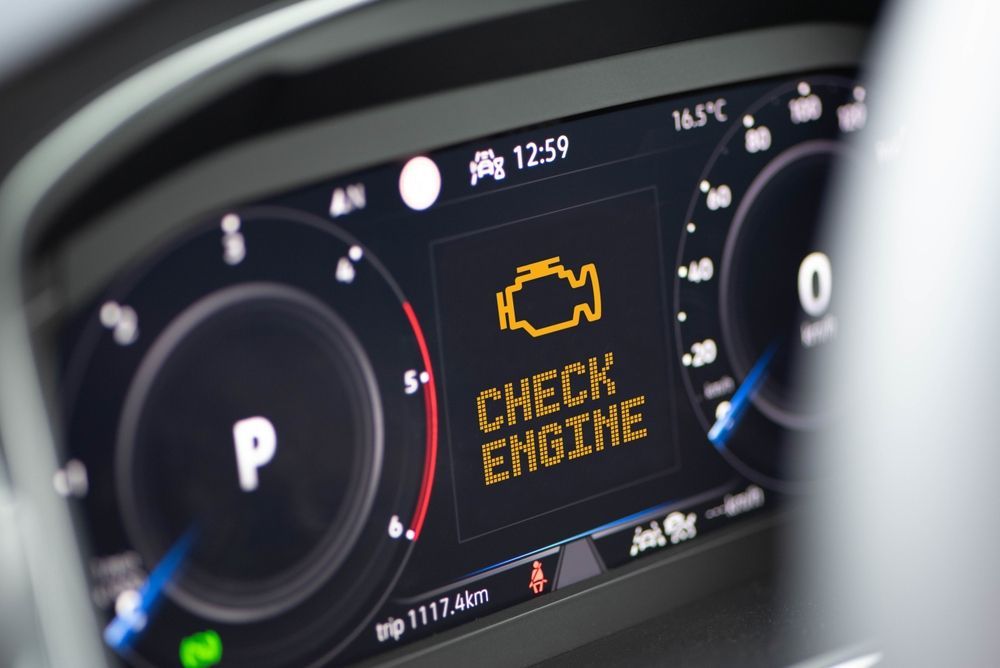
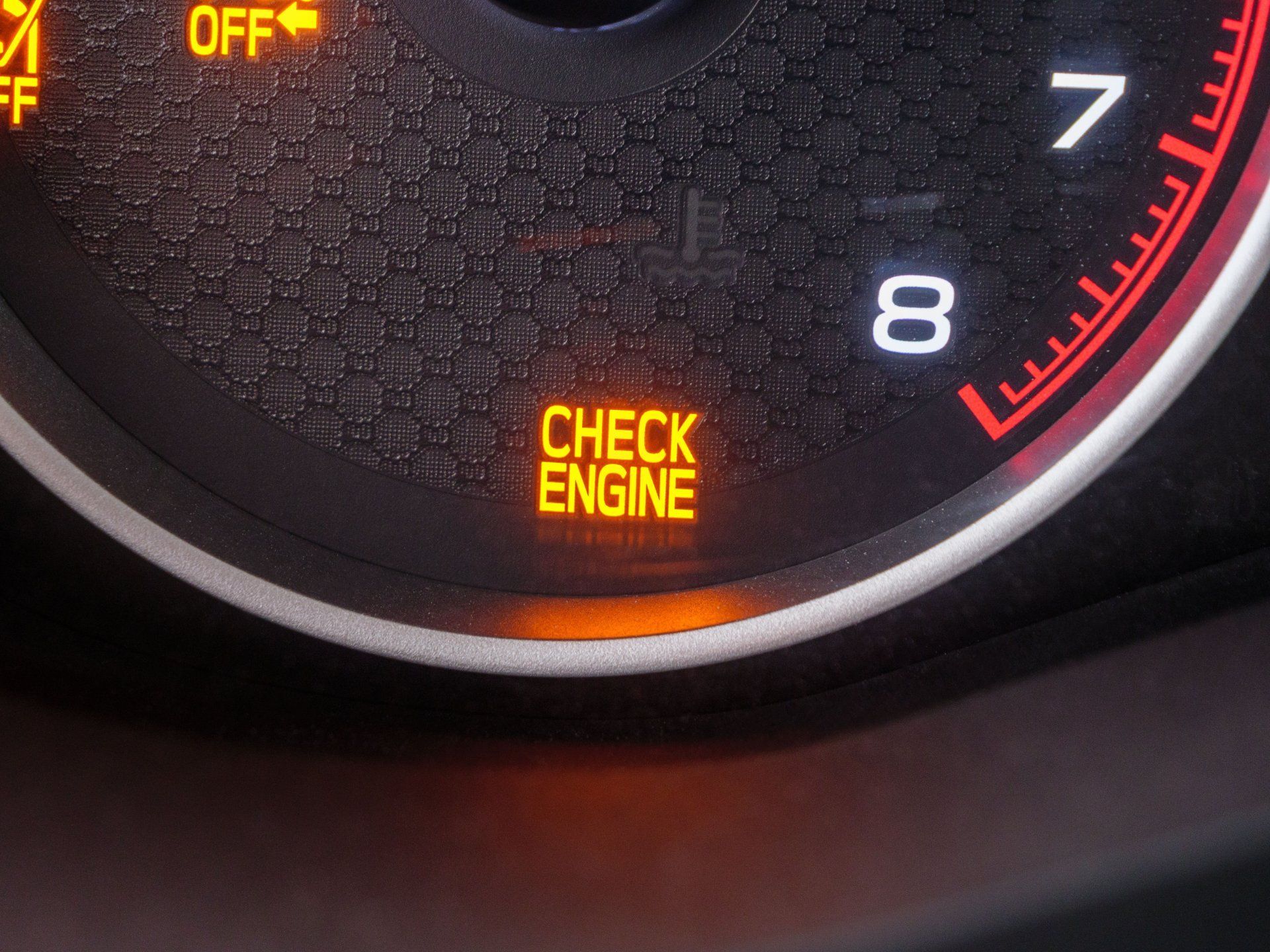
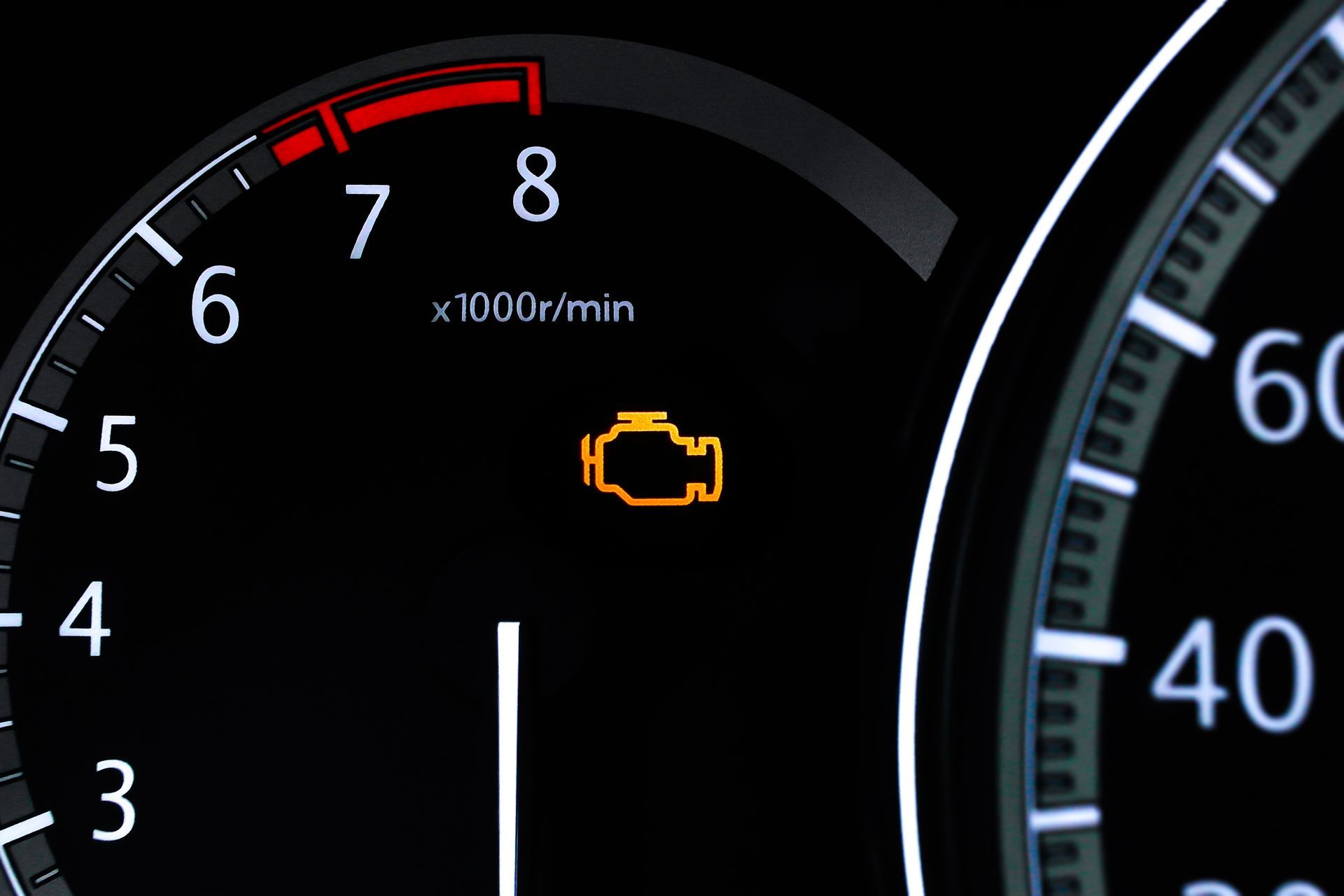
A brake warning light should also be taken seriously. Some brake lights may come on because of fluid levels, parking brake issues, sensor concerns, or other braking system problems. If a brake warning light appears on your dash, it is best to schedule an inspection rather than guessing what caused it.
Pulling when braking is another issue that should not be ignored. If your vehicle pulls to one side when you press the brake pedal, it could be caused by uneven brake wear, a sticking caliper, tire problems, alignment concerns, or suspension issues. Pulling can make the vehicle harder to control, especially on slick roads.
Tires are just as important as brakes when it comes to fall stopping power. Even if your brakes are in good condition, your vehicle still needs enough tire tread to grip the road. Worn tires can make it harder to stop in the rain. They can also make your vehicle feel less stable when driving over wet leaves, puddles, or uneven pavement.
Uneven tire wear can also point to other issues. If the inside or outside edges of your tires are wearing faster than the rest of the tread, your vehicle may have an alignment or suspension concern. If the tires are cupping or wearing in patches, that may point to tire balance, suspension, or rotation issues. These problems can affect how your vehicle handles and stops.
Many drivers are not sure how to tell whether stopping problems are caused by the brakes or the tires. In some cases, brake problems may show up as squeaking, grinding, pedal vibration, pulling, or a brake warning light. Tire problems may show up as slipping, poor traction, vibration, uneven wear, or longer stopping distance on wet roads. The tricky part is that the symptoms can overlap. That is why an inspection is the best way to find out what is actually causing the issue.
For example, if your vehicle takes longer to stop in the rain, the issue could be worn brake pads, but it could also be worn tires. If your car vibrates when slowing down, the issue could be brake rotors, but tire wear or suspension problems may also be involved. If your vehicle pulls when braking, the brakes may be part of the problem, but alignment, tires, or steering components may also need attention.
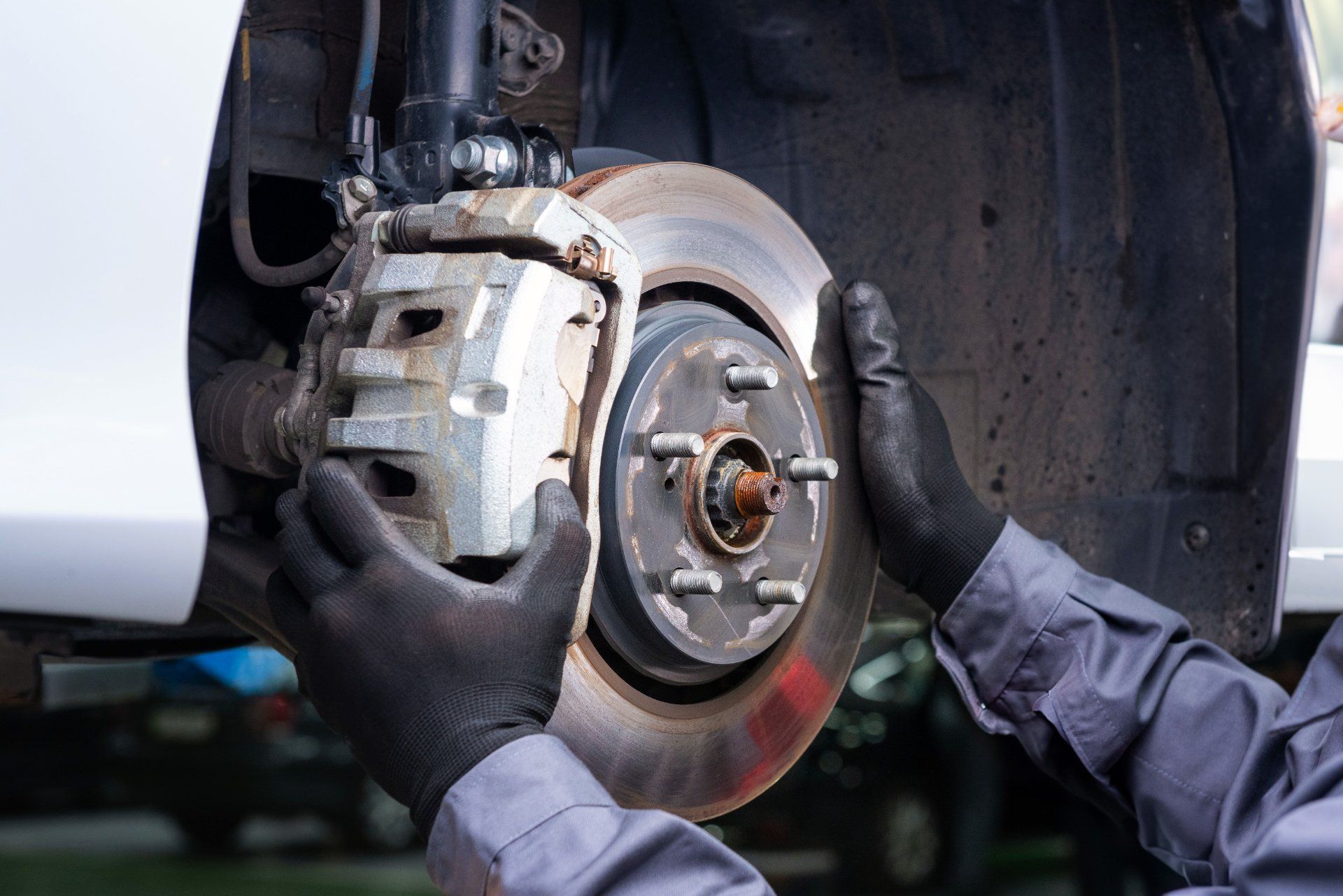
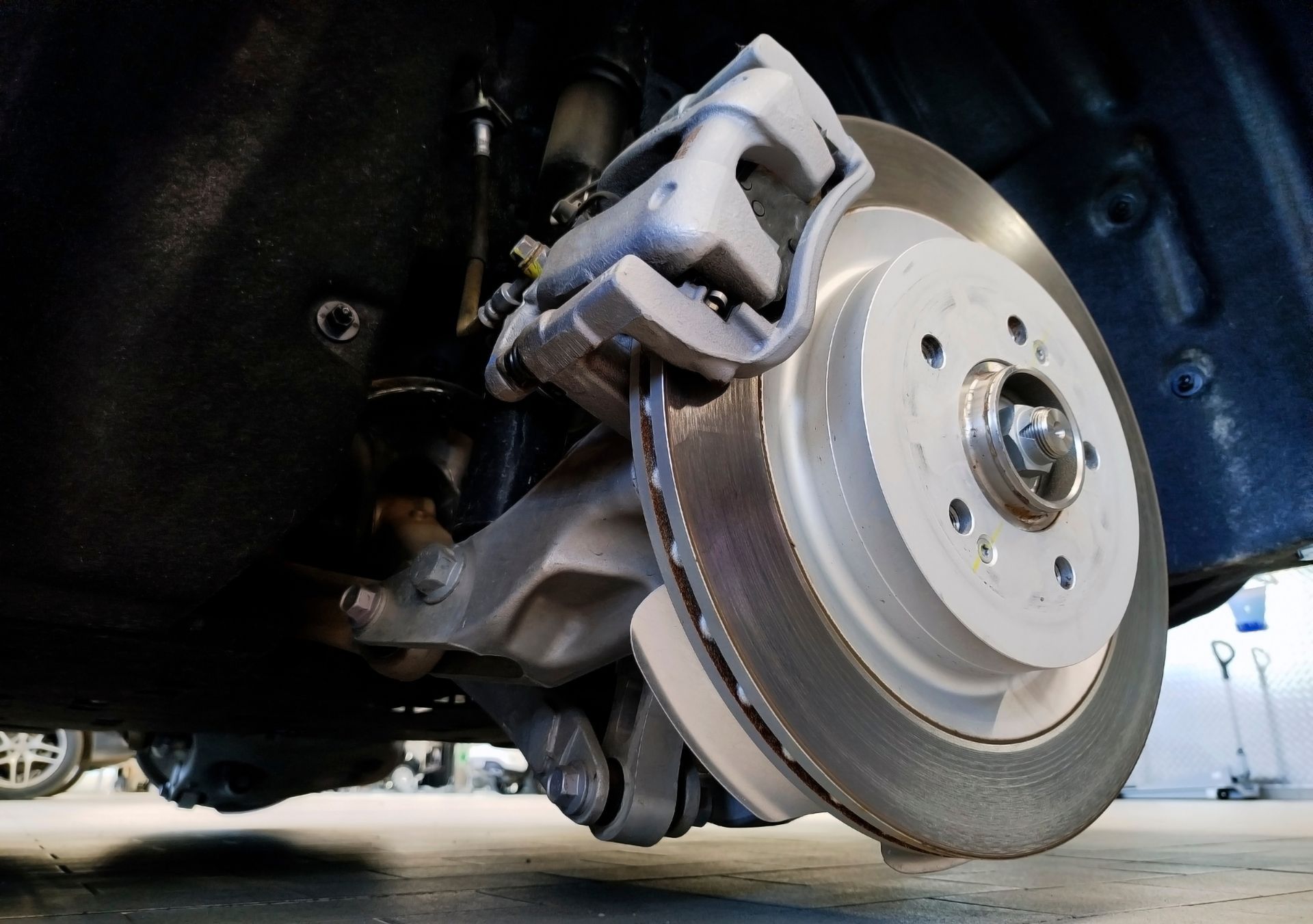
A fall brake inspection can help identify these issues before they become bigger problems. A technician can check the condition of your brake pads, rotors, calipers, brake fluid, tires, tread depth, tire pressure, and visible suspension components. This gives you a clearer picture of your vehicle’s stopping system and helps you prioritize what needs attention.
This is especially helpful before the busy fall and winter driving seasons. Rain, leaves, cold mornings, school traffic, evening commutes, and holiday travel can all put more demand on your vehicle. Taking care of small brake or tire issues now can help you feel more confident when road conditions are less predictable.
At Avid Autocare, we help Cincinnati drivers understand what their vehicles need without the confusion. Whether you drive through Madisonville, Mariemont, Fairfax, Hyde Park, Oakley, Mt. Lookout, Columbia-Tusculum, Madeira, Anderson, Newtown, or another nearby community, our team can inspect your brakes, tires, and related systems to help you prepare for fall driving.
If your brakes are squeaking, grinding, vibrating, pulling, or taking longer to stop, do not wait for wet roads and leaves to make the issue more noticeable. Schedule a fall brake inspection with Avid Autocare in Cincinnati and make sure your vehicle is ready for the season ahead.