
How Often Should You Service Your Vehicle in Cincinnati Traffic Conditions
How Often Should You Service Your Vehicle in Cincinnati Traffic Conditions
If you drive in Cincinnati every day, your vehicle is working harder than you may realize. Between stop and go traffic, construction zones, steep hills, and constant seasonal weather changes, your car does not experience what manufacturers consider ideal driving conditions. Most maintenance schedules are based on controlled, moderate use. Real world driving in Cincinnati is rarely that simple. That is why understanding how often to service your vehicle is essential if you want to avoid unexpected breakdowns and expensive repairs.
A lot of drivers rely strictly on mileage when deciding when to service their car. While mileage matters, it is not the only factor. Short trips across town, frequent stops, and idling in traffic can be just as demanding on your engine as long highway drives. In fact, short trips can be tougher. When you drive only a few miles at a time, your engine may not fully warm up. That prevents oil from circulating at optimal temperatures and can lead to increased wear over time. Cincinnati commuters who make repeated short drives every day may need more frequent maintenance than they expect.
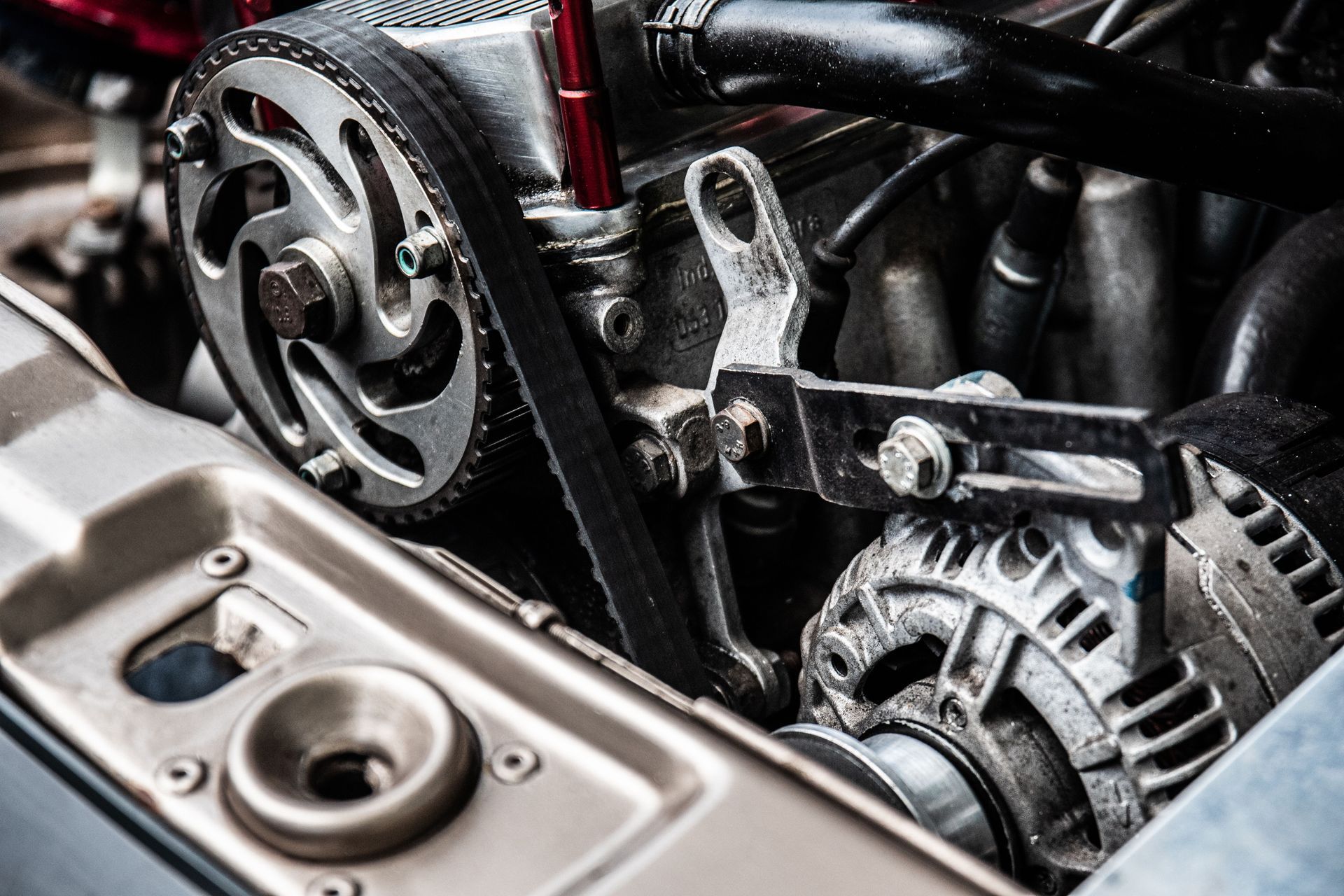
Traffic patterns in the area also play a role. If you regularly drive through busy downtown streets or spend time in heavy highway traffic, your brakes, transmission, and cooling system are under constant stress. Stop and go movement means more braking and accelerating, which increases wear on brake pads and transmission components. Hills throughout Cincinnati add another layer of strain, especially when climbing or descending frequently. These conditions can shorten the life of key components if routine inspections and maintenance are ignored.
Weather is another major factor. Cold winters affect batteries, fluids, and tire pressure. Extreme heat in the summer can strain cooling systems and engines. Rapid temperature swings between seasons expand and contract various parts under the hood. These environmental factors make routine fluid checks and inspections even more important. Waiting until something feels wrong often means the issue has already progressed.
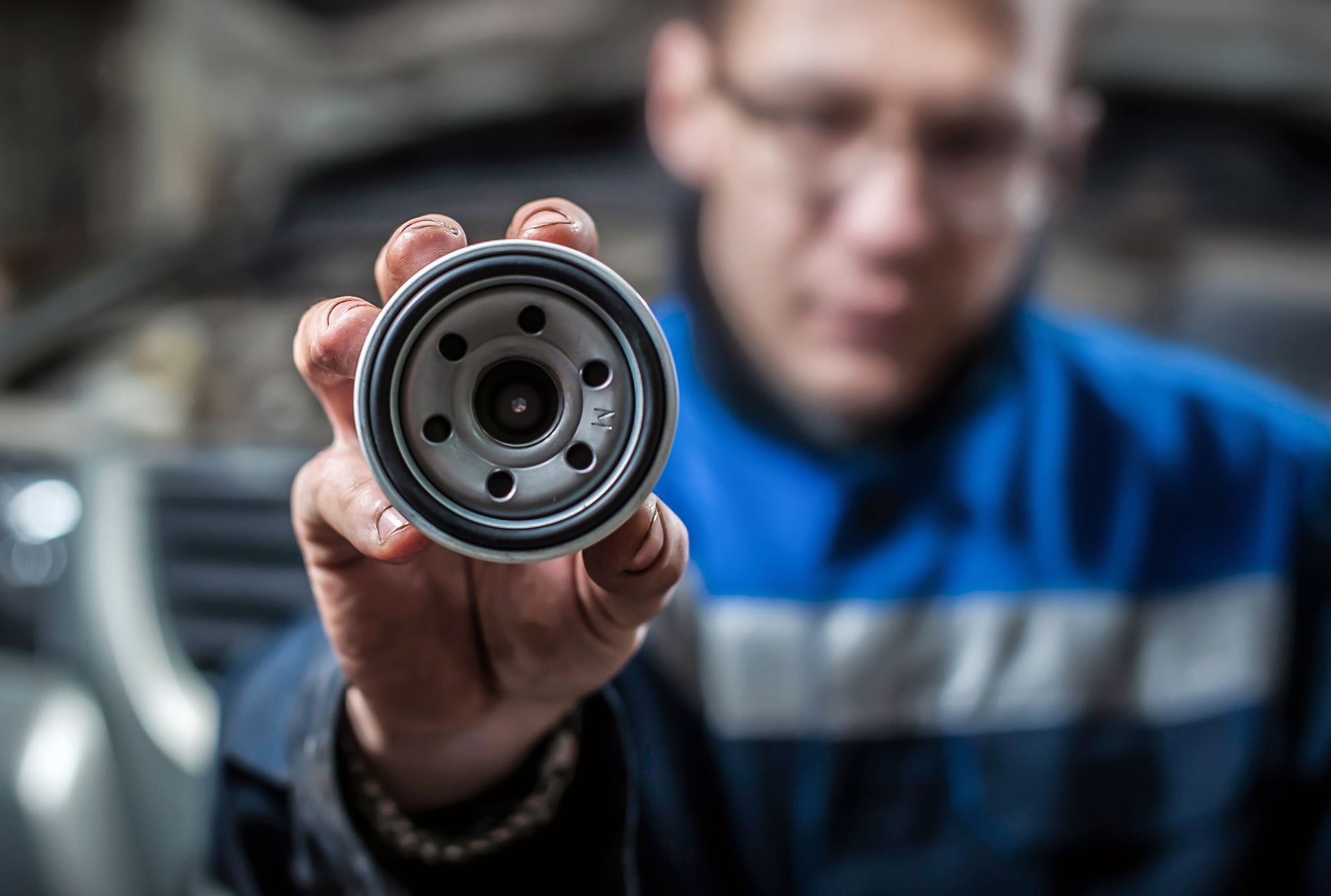
Oil changes are one of the most critical maintenance services. Oil lubricates engine components and helps regulate temperature. Over time, oil breaks down and loses effectiveness. If you are driving in conditions that include heavy traffic or frequent short trips, you may need oil changes more often than someone who drives primarily on open highways. Clean oil helps prevent premature engine wear and keeps performance consistent.
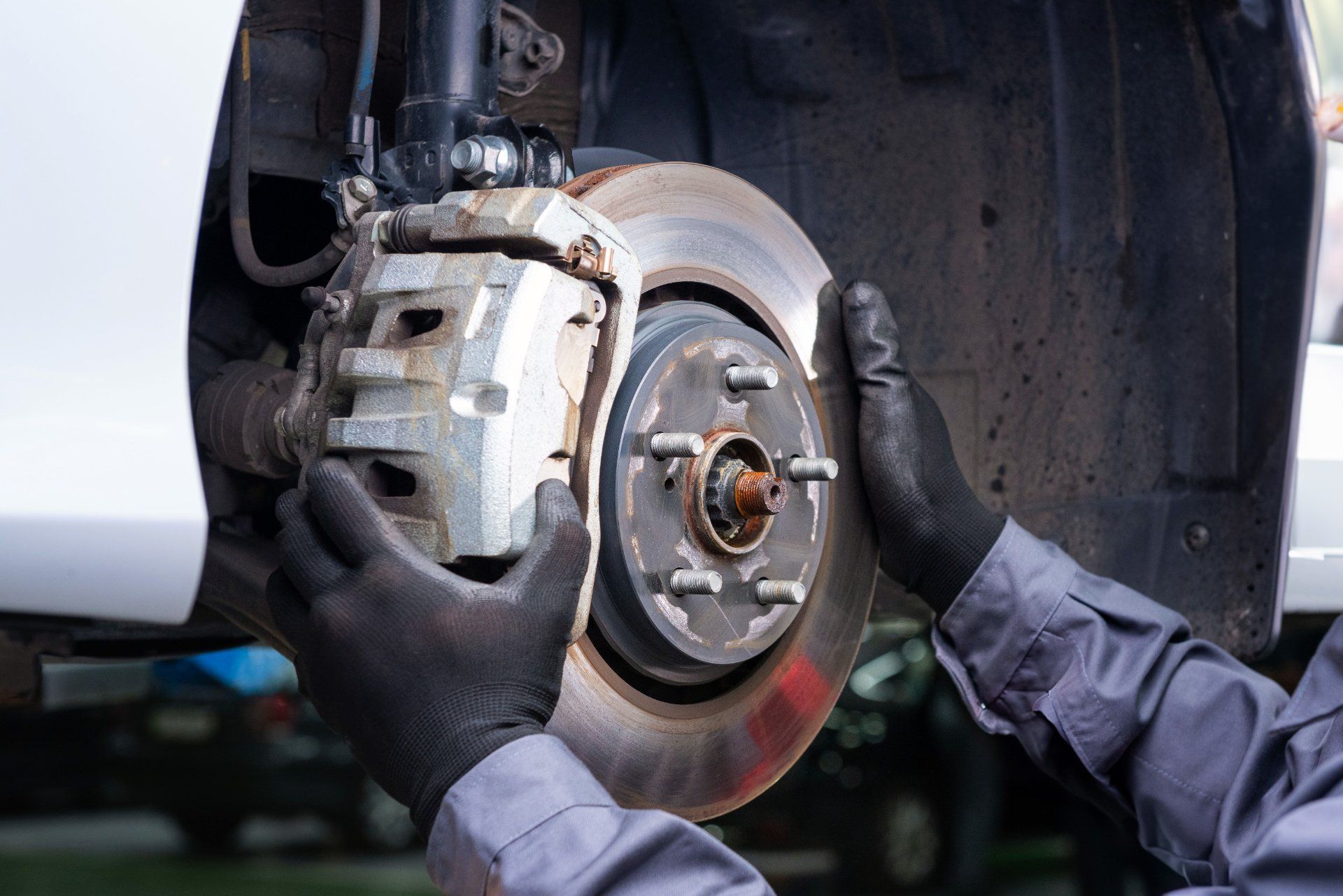
Brake inspections should also be a regular part of your service routine. With Cincinnati’s mix of traffic and hills, brake systems work constantly. Even if you are not hearing noise or feeling vibrations, periodic checks can identify early signs of wear. Catching brake issues early can prevent more extensive repairs later and maintain reliable stopping power.
Tire maintenance is another area that often gets overlooked. Proper alignment, balancing, and rotation extend the life of your tires and improve handling. Potholes and uneven road surfaces around the city can easily knock alignment out of place. Misalignment causes uneven tire wear and affects steering performance. Regular tire inspections help you stay ahead of these problems.
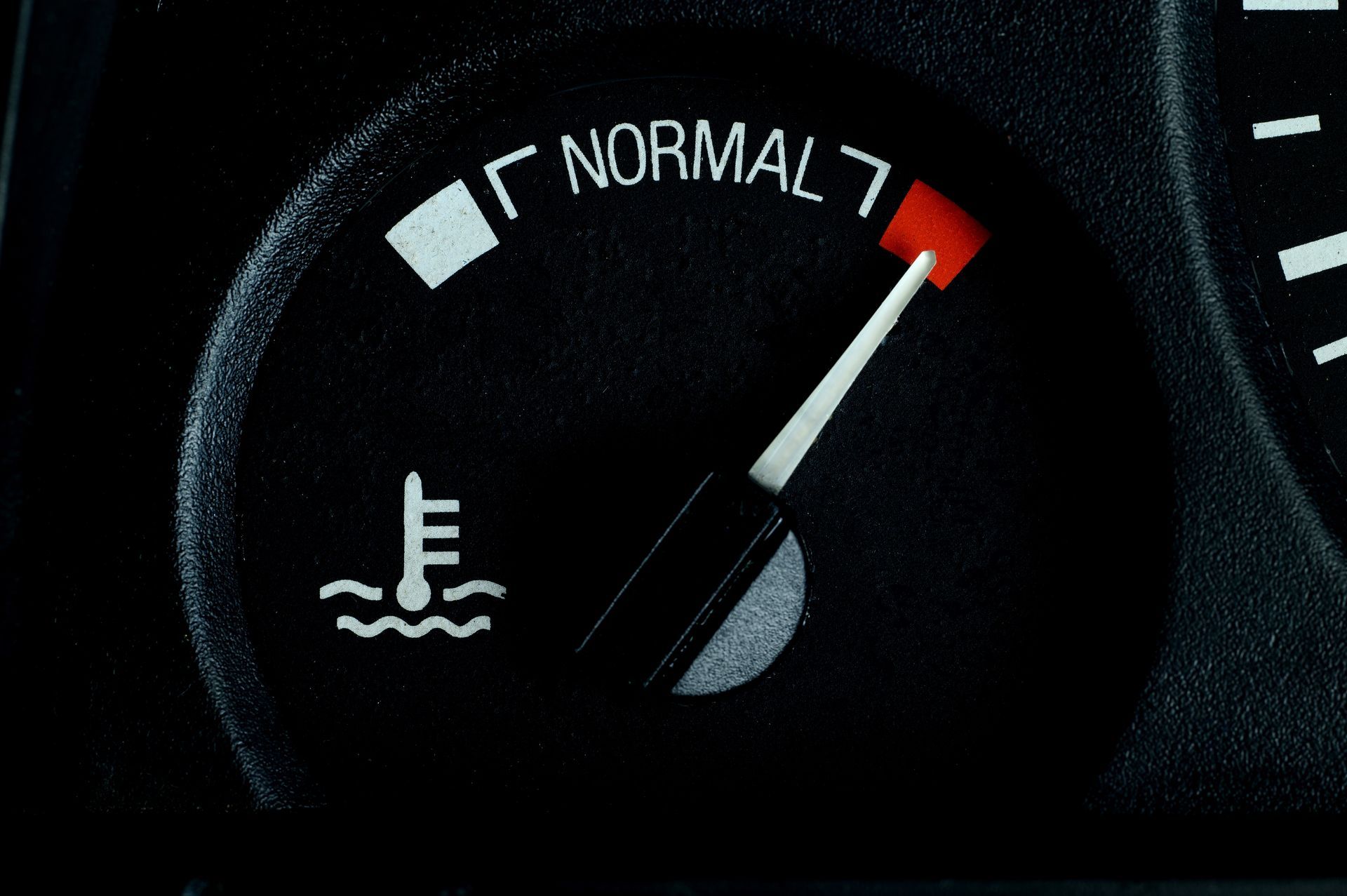
Transmission and cooling system services are also essential for long term reliability. Your transmission manages power distribution and smooth shifting. In stop and go traffic, it is constantly adjusting. Routine fluid checks and services help maintain smooth operation. The cooling system prevents overheating, especially during summer traffic jams. Ensuring coolant levels are correct and components are functioning properly reduces the risk of engine damage.
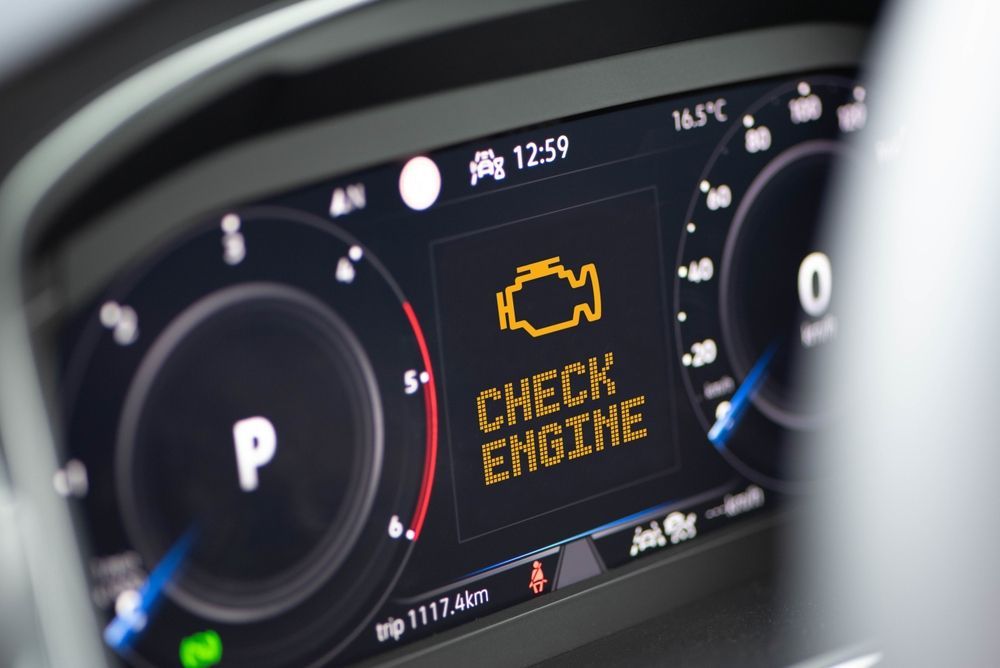
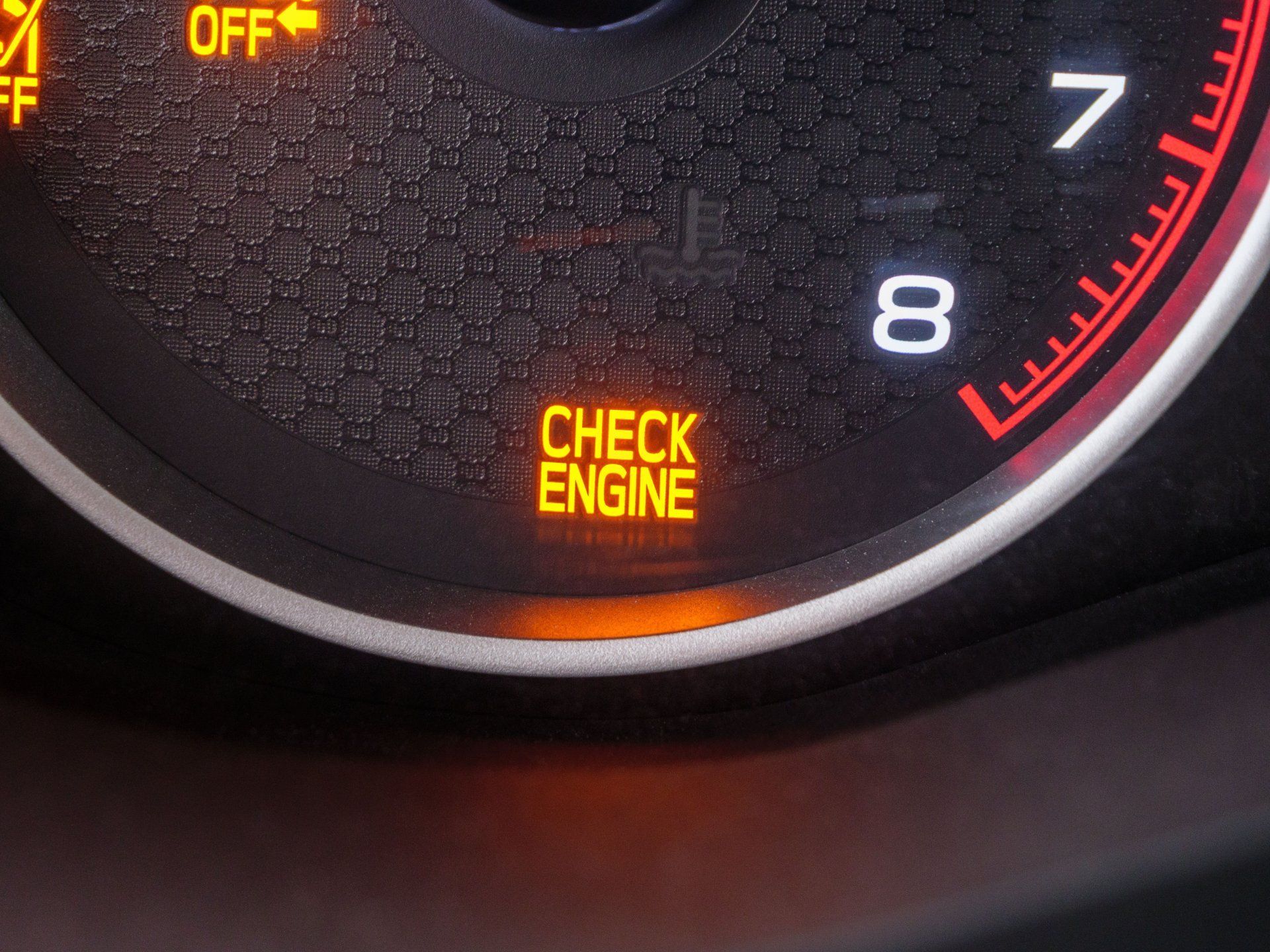
Many Cincinnati drivers wait until they hear a noise or see a warning light before scheduling service. While those signs should never be ignored, proactive maintenance is far more cost effective. Scheduled inspections allow technicians to spot worn parts, fluid leaks, or early warning signs before they lead to breakdowns. It is easier to plan for maintenance than to deal with a sudden repair when you least expect it.
Consistency is key when it comes to vehicle care. Establishing a service relationship with a trusted auto repair shop in Cincinnati allows your vehicle’s history to be tracked over time. When technicians are familiar with your car, they can recommend services based on actual wear patterns and local driving conditions rather than generic guidelines.
At Avid Auto Care, helping drivers understand their vehicle’s needs is part of the process. Every car is different, and every driving routine places unique demands on components. If you are unsure how often your vehicle should be serviced, scheduling an inspection is a smart first step. A thorough evaluation can help determine whether you are on track with maintenance or if adjustments are needed.
Your vehicle is a major investment and a daily necessity. Cincinnati traffic conditions and seasonal changes make routine service even more important. Staying ahead of maintenance keeps your car reliable, efficient, and safe. If it has been a while since your last service or if you are not sure whether you are following the right schedule, reach out to Avid Auto Care. Taking action today can help prevent bigger issues tomorrow and keep you confidently on the road.