
Why Your Check Engine Light Is On and What It Could Mean for Cincinnati Drivers
January 27, 2026

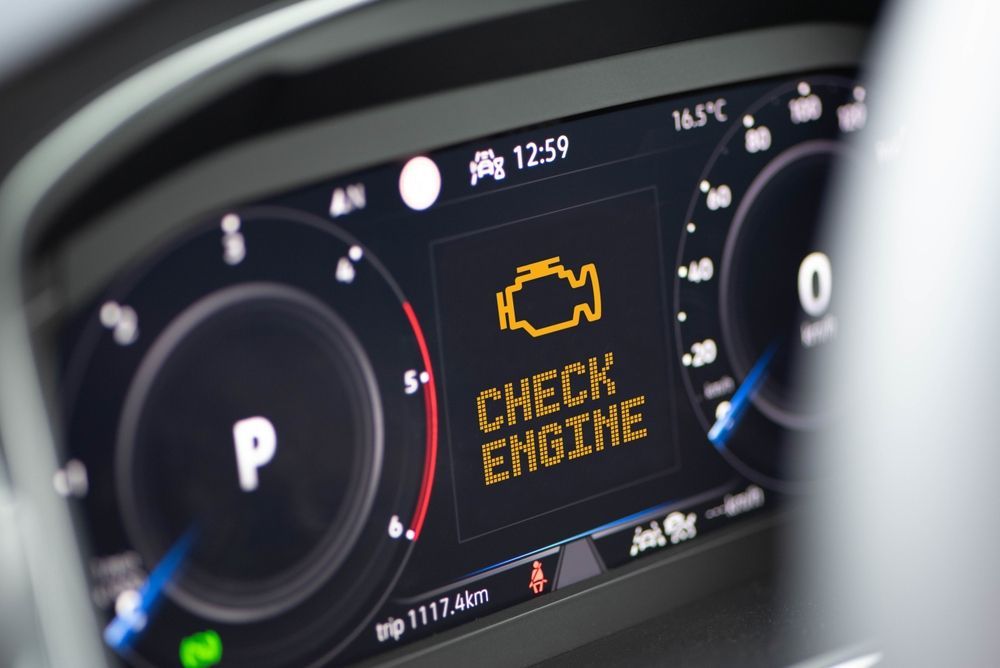
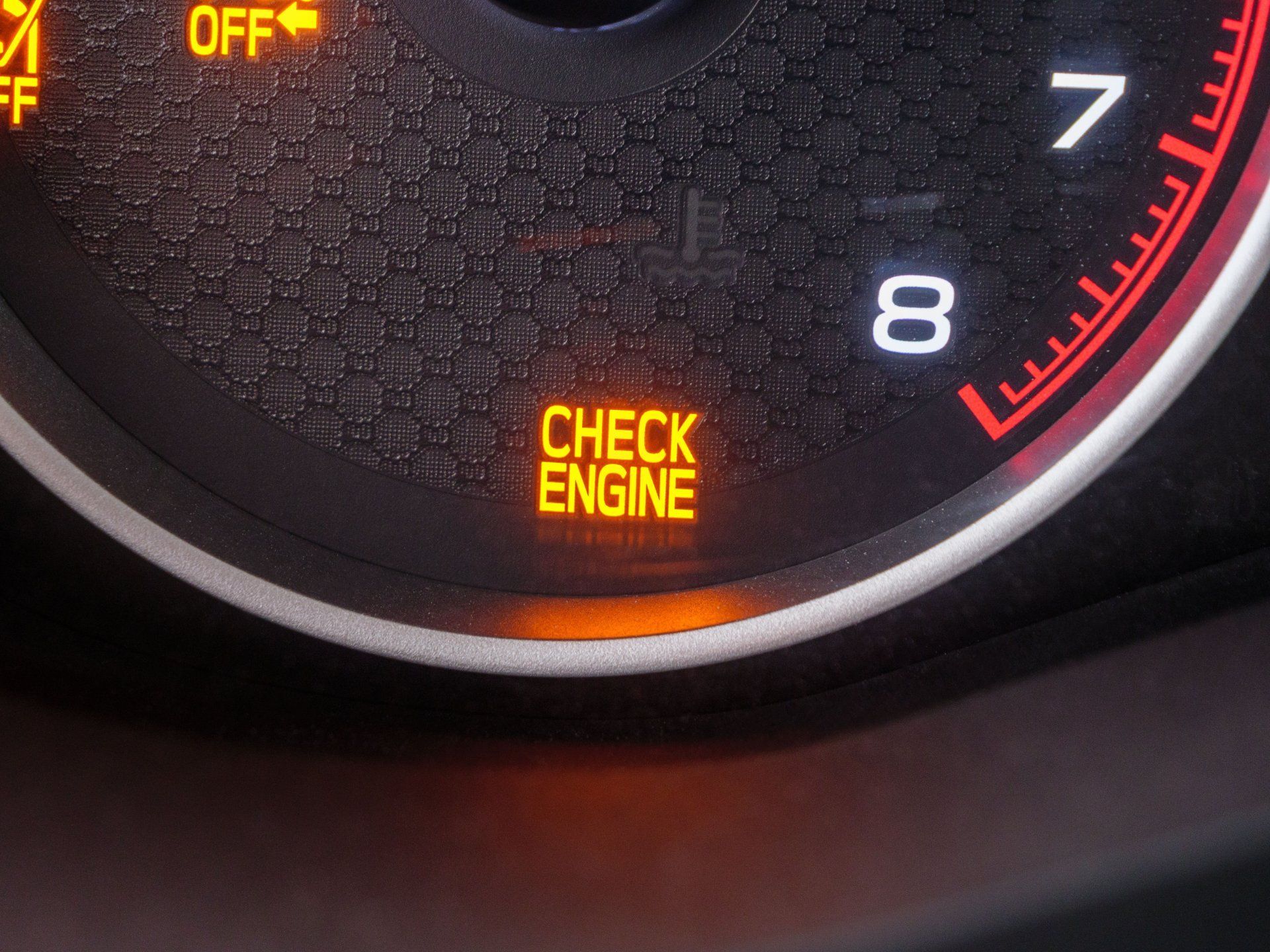
Few things get a driver’s attention faster than seeing the check engine light turn on. It can happen while you are heading to work in downtown Cincinnati, driving through traffic on the interstate, or just running errands around town. That small light on your dashboard often creates a mix of frustration and uncertainty. Is it something minor, or is it the beginning of a serious repair? The truth is, the check engine light can mean a wide range of things, and the only way to know for sure is through proper diagnostics.


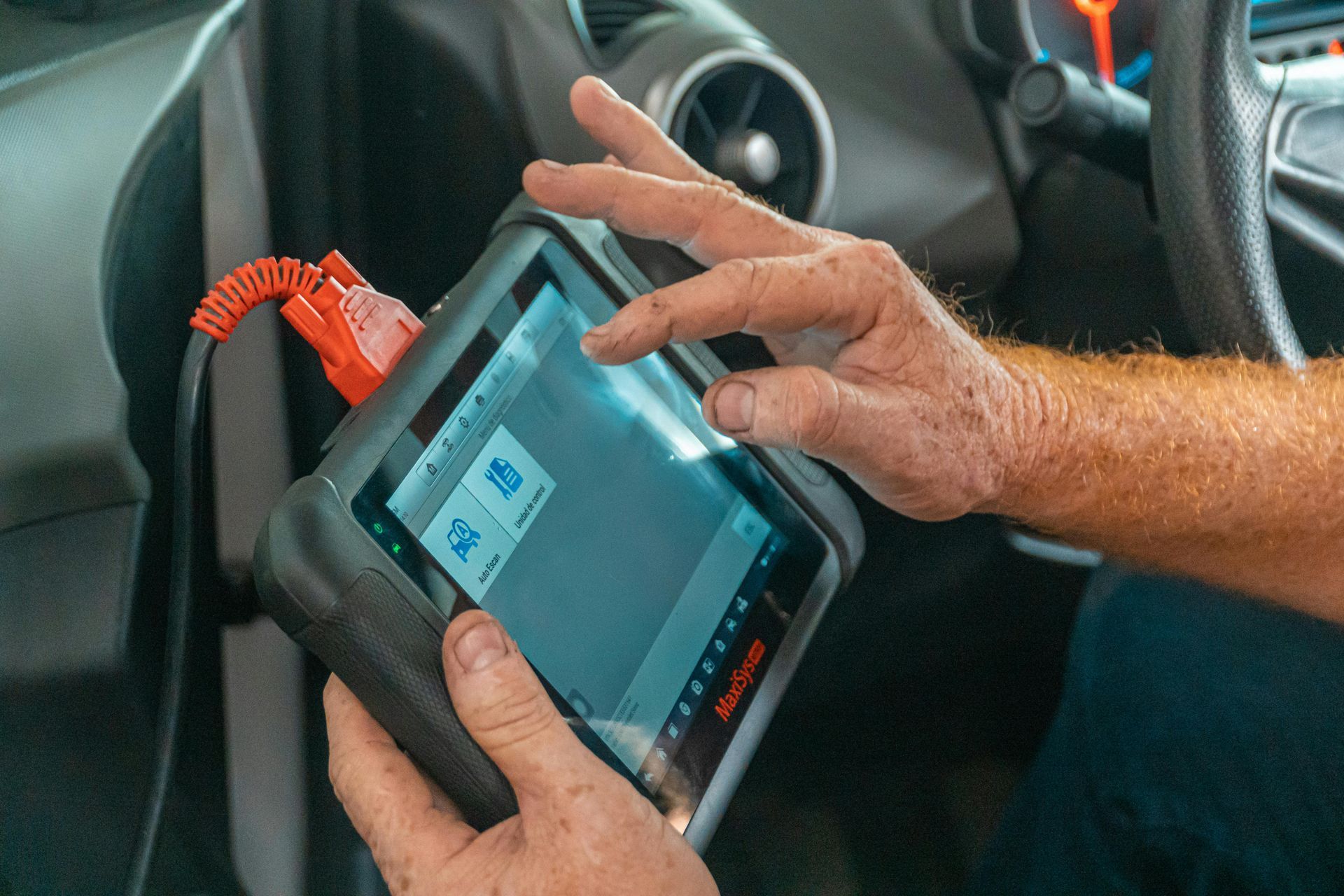
Many drivers hope the light will turn off on its own. Sometimes it does, but that does not mean the issue is gone. Your vehicle’s onboard computer monitors dozens of systems and components. When something falls outside of normal operating conditions, it stores a code and triggers the light. That code is a clue, but it does not automatically tell the whole story. A professional diagnostic scan reads those codes and helps determine what is actually happening under the hood.


One of the more common reasons the check engine light appears is a problem within the emissions system. Modern vehicles are built to control and reduce emissions, and even small faults can trigger a warning. A loose or faulty gas cap can sometimes cause the light to come on. While that may sound minor, it still needs to be addressed. In other cases, the issue could involve oxygen sensors, catalytic converters, or other emissions components. These parts play a major role in both vehicle performance and environmental compliance.

Ignition related issues are another possibility. Spark plugs and ignition coils are essential for proper combustion inside the engine. When they begin to fail, you may notice rough idling, hesitation during acceleration, or reduced fuel efficiency. In Cincinnati traffic, where stop and go driving is common, these symptoms can become more noticeable. Ignoring ignition problems can lead to further engine damage over time.


Fuel system concerns can also trigger the check engine light. Problems with fuel injectors, fuel pumps, or air intake systems affect how your engine receives and burns fuel. If your vehicle feels sluggish, struggles to start, or consumes more fuel than usual, these components may need attention. Addressing fuel system issues early can help restore performance and prevent larger repairs.


Transmission related warnings can sometimes appear through the check engine light as well. While some vehicles have separate transmission warning indicators, others rely on the same system light. If you experience delayed shifting, slipping gears, or unusual noises while driving, these could be signs that your transmission needs inspection. Catching transmission concerns early often makes a significant difference in repair outcomes.

Many Cincinnati drivers experience the check engine light during seasonal changes. Cold winters can stress sensors and batteries, while hot summers put additional strain on cooling systems and engines. Temperature fluctuations may expose weaknesses in older components. That is why consistent maintenance and regular inspections are so important throughout the year.


One of the biggest mistakes drivers make is continuing to operate their vehicle for extended periods without addressing the warning. Even if your car seems to drive normally, the underlying issue may worsen. Some problems remain minor if handled quickly but become much more expensive if left unchecked. A diagnostic appointment is a straightforward way to gain clarity and avoid guessing.


There is also peace of mind that comes with knowing exactly what is happening. Instead of worrying every time you start your car, you can have a clear understanding of the issue and a plan to resolve it. Professional diagnostics provide more than just a code reading. They involve evaluating the vehicle’s systems, verifying the source of the problem, and recommending the appropriate repair.


In a city like Cincinnati, where reliable transportation is essential for commuting, family responsibilities, and daily life, you cannot afford unnecessary breakdowns. The check engine light is your vehicle’s way of communicating that something needs attention. Taking it seriously helps you protect your investment and maintain safe driving conditions.


At Avid Auto Care, diagnosing check engine light concerns is part of helping drivers stay confident behind the wheel. If your dashboard warning has appeared, it is worth scheduling a diagnostic evaluation. Whether the issue is simple or more involved, understanding the root cause allows you to make informed decisions about your vehicle’s care.


Seeing the check engine light does not have to mean panic. It means it is time to investigate. With accurate diagnostics and professional repair in Cincinnati, you can address the issue directly and keep your vehicle running smoothly. If that light is on, do not wait and hope it disappears. Schedule an appointment with Avid Auto Care and get clear answers about what your car needs.

Book An Appointment
February 3, 2026
How Often Should You Service Your Vehicle in Cincinnati Traffic Conditions If you drive in Cincinnati every day, your vehicle is working harder than you may realize. Between stop and go traffic, construction zones, steep hills, and constant seasonal weather changes, your car does not experience what manufacturers consider ideal driving conditions. Most maintenance schedules are based on controlled, moderate use. Real world driving in Cincinnati is rarely that simple. That is why understanding how often to service your vehicle is essential if you want to avoid unexpected breakdowns and expensive repairs. A lot of drivers rely strictly on mileage when deciding when to service their car. While mileage matters, it is not the only factor. Short trips across town, frequent stops, and idling in traffic can be just as demanding on your engine as long highway drives. In fact, short trips can be tougher. When you drive only a few miles at a time, your engine may not fully warm up. That prevents oil from circulating at optimal temperatures and can lead to increased wear over time. Cincinnati commuters who make repeated short drives every day may need more frequent maintenance than they expect. Traffic patterns in the area also play a role. If you regularly drive through busy downtown streets or spend time in heavy highway traffic, your brakes, transmission, and cooling system are under constant stress. Stop and go movement means more braking and accelerating, which increases wear on brake pads and transmission components. Hills throughout Cincinnati add another layer of strain, especially when climbing or descending frequently. These conditions can shorten the life of key components if routine inspections and maintenance are ignored. Weather is another major factor. Cold winters affect batteries, fluids, and tire pressure. Extreme heat in the summer can strain cooling systems and engines. Rapid temperature swings between seasons expand and contract various parts under the hood. These environmental factors make routine fluid checks and inspections even more important. Waiting until something feels wrong often means the issue has already progressed. Oil changes are one of the most critical maintenance services. Oil lubricates engine components and helps regulate temperature. Over time, oil breaks down and loses effectiveness. If you are driving in conditions that include heavy traffic or frequent short trips, you may need oil changes more often than someone who drives primarily on open highways. Clean oil helps prevent premature engine wear and keeps performance consistent. Brake inspections should also be a regular part of your service routine. With Cincinnati’s mix of traffic and hills, brake systems work constantly. Even if you are not hearing noise or feeling vibrations, periodic checks can identify early signs of wear. Catching brake issues early can prevent more extensive repairs later and maintain reliable stopping power. Tire maintenance is another area that often gets overlooked. Proper alignment, balancing, and rotation extend the life of your tires and improve handling. Potholes and uneven road surfaces around the city can easily knock alignment out of place. Misalignment causes uneven tire wear and affects steering performance. Regular tire inspections help you stay ahead of these problems. Transmission and cooling system services are also essential for long term reliability. Your transmission manages power distribution and smooth shifting. In stop and go traffic, it is constantly adjusting. Routine fluid checks and services help maintain smooth operation. The cooling system prevents overheating, especially during summer traffic jams. Ensuring coolant levels are correct and components are functioning properly reduces the risk of engine damage. Many Cincinnati drivers wait until they hear a noise or see a warning light before scheduling service. While those signs should never be ignored, proactive maintenance is far more cost effective. Scheduled inspections allow technicians to spot worn parts, fluid leaks, or early warning signs before they lead to breakdowns. It is easier to plan for maintenance than to deal with a sudden repair when you least expect it. Consistency is key when it comes to vehicle care. Establishing a service relationship with a trusted auto repair shop in Cincinnati allows your vehicle’s history to be tracked over time. When technicians are familiar with your car, they can recommend services based on actual wear patterns and local driving conditions rather than generic guidelines. At Avid Auto Care, helping drivers understand their vehicle’s needs is part of the process. Every car is different, and every driving routine places unique demands on components. If you are unsure how often your vehicle should be serviced, scheduling an inspection is a smart first step. A thorough evaluation can help determine whether you are on track with maintenance or if adjustments are needed.  Your vehicle is a major investment and a daily necessity. Cincinnati traffic conditions and seasonal changes make routine service even more important. Staying ahead of maintenance keeps your car reliable, efficient, and safe. If it has been a while since your last service or if you are not sure whether you are following the right schedule, reach out to Avid Auto Care. Taking action today can help prevent bigger issues tomorrow and keep you confidently on the road.
January 23, 2026
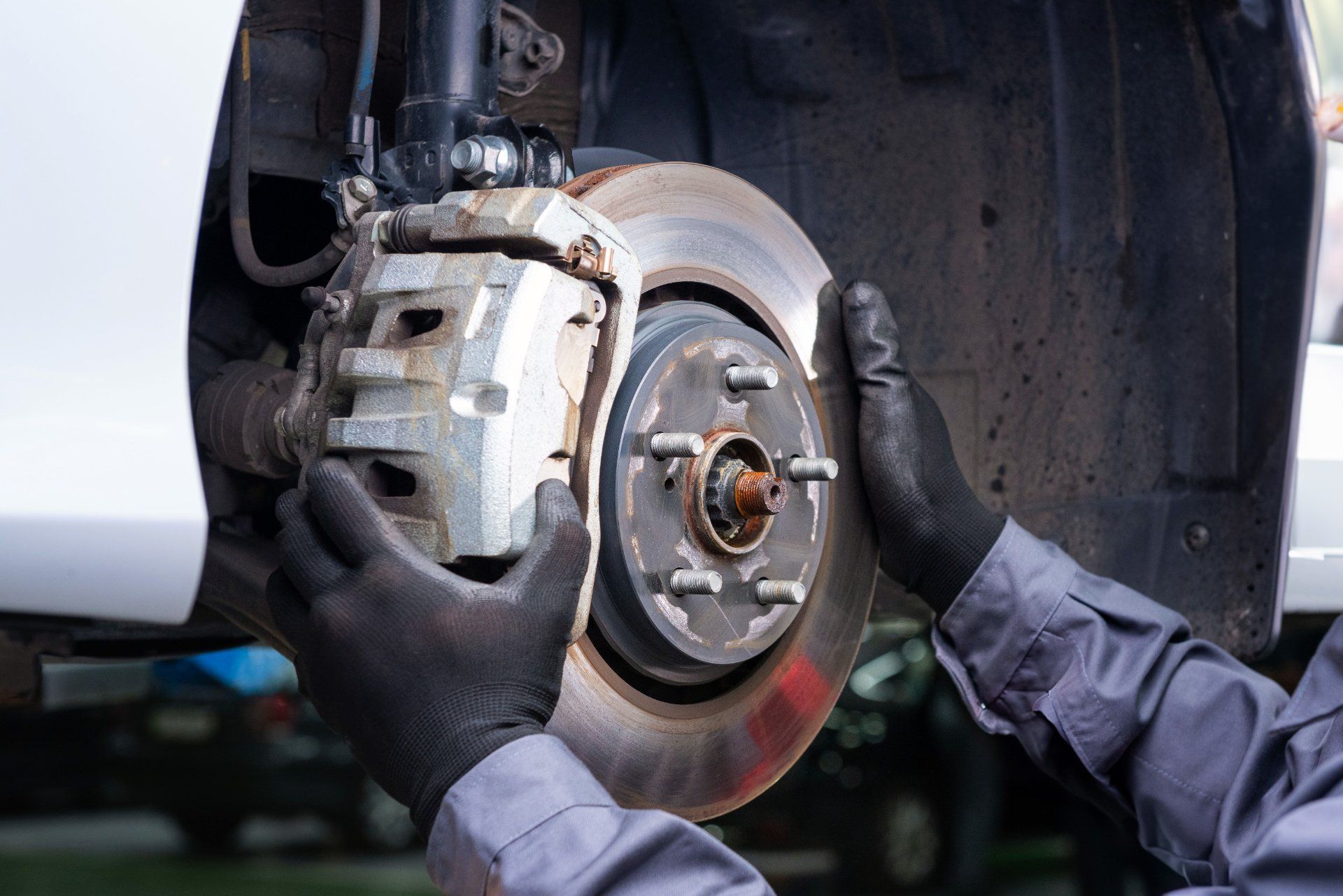
Your brakes are not something you think about every day, but you rely on them constantly. Every time you approach a red light in downtown Cincinnati, slow down in heavy traffic on the interstate, or stop suddenly because someone pulled out in front of you, your brake system is working hard. When your brakes start to show signs of wear, your vehicle will usually give you warnings. The key is recognizing those signs early and taking action before a small issue turns into a serious safety concern. One of the most common signs of brake trouble is noise. If you hear a high pitched squeal when you press the brake pedal, that sound is often an early indicator that your brake pads are wearing down. Brake pads are designed to create friction and gradually wear over time. Once they become too thin, they can no longer protect the rotors properly. If that squeal turns into a grinding sound, that typically means the pads have worn down completely and metal is contacting metal. At that point, the repair becomes more extensive and more expensive. In Cincinnati traffic, where stopping frequently is part of daily driving, brake wear can happen faster than you might expect. Vibrations when braking are another red flag. If your steering wheel shakes or the brake pedal pulses when you slow down, that can indicate warped rotors. Rotors should be smooth and even. When they become uneven due to heat and wear, you will feel it through the pedal and steering wheel. This is especially noticeable when braking at higher speeds. Cincinnati’s mix of highway and city driving can put repeated heat stress on brake components. Ignoring vibration can reduce your stopping efficiency and lead to additional damage. Changes in how your brake pedal feels should also get your attention. If the pedal feels soft, spongy, or sinks lower than usual when you press it, that is not normal. It could indicate air in the brake lines, a fluid leak, or an issue with the master cylinder. Brakes are designed to feel firm and responsive. Any noticeable change in that feel means your vehicle needs a professional inspection. Your ability to stop quickly and safely depends on that responsiveness. Another sign that many Cincinnati drivers overlook is a vehicle pulling to one side when braking. If your car veers left or right as you slow down, it may point to uneven brake wear, a sticking caliper, or issues within the braking system. This can make your vehicle harder to control, especially in wet or slippery conditions. With unpredictable weather in Cincinnati, reliable braking is essential year round. It is also important to pay attention to warning lights. If your brake warning light appears on your dashboard, it is your vehicle telling you something is wrong. That light could signal low brake fluid, worn brake pads, or a more serious issue within the braking system. While it may be tempting to continue driving and deal with it later, brake related warning lights should always be addressed promptly. Your brake system includes more than just pads and rotors. It is made up of calipers, brake lines, brake fluid, and various other components that work together to bring your vehicle to a safe stop. Over time, brake fluid can absorb moisture, reducing its effectiveness. Corrosion can develop in brake lines, especially in areas like Cincinnati where road salt is used during winter. Regular inspections help catch these issues before they affect performance. Delaying brake repair can lead to higher costs. Replacing worn brake pads early is far more affordable than waiting until rotors are damaged. Addressing minor issues promptly prevents them from turning into larger repairs. More importantly, maintaining your brakes protects you, your passengers, and everyone else on the road. Reliable stopping power is one of the most critical safety features your vehicle has. Cincinnati driving conditions make brake maintenance especially important. Stop and go traffic, hills, changing weather, and road construction all increase the demands placed on your braking system. If you commute daily, drive frequently through busy areas, or make short trips that require frequent stops, your brakes are constantly at work. That consistent use means routine checks are not optional, they are necessary. If you are unsure about the condition of your brakes, there is no downside to having them inspected. Even if everything checks out fine, you gain peace of mind. If there is wear or damage, catching it early can save you money and reduce stress. Many brake issues start small and gradually worsen. Being proactive helps you stay in control of both your vehicle and your repair budget. At Avid Auto Care, helping Cincinnati drivers stay safe on the road is always the focus. If you are hearing unusual noises, feeling vibrations, noticing changes in your brake pedal, or seeing warning lights, it is time to schedule a brake inspection. A thorough evaluation can determine exactly what your vehicle needs and ensure your braking system is performing the way it should.  Your brakes are not something to gamble with. If something feels off, trust that instinct and have it checked. Reliable brake repair in Cincinnati starts with paying attention to the signs and taking action early. When you prioritize your brakes, you prioritize your safety. Reach out to Avid Auto Care and make sure your vehicle is ready to stop when it matters most.
January 12, 2026
If you have lived in Cincinnati for any length of time, you already know that winter is not gentle. The freezing temperatures, snow, ice, and constant road treatment chemicals all take a toll on your vehicle. Even if your car seems fine on the surface, winter can quietly create wear and tear that shows up later as unexpected repairs. Understanding how cold weather affects your vehicle can help you stay ahead of problems and avoid being stranded when you least expect it. Cold temperatures alone can change how your car behaves. When the air gets colder, your engine oil thickens and moves more slowly through the system. That means your engine works harder during startup. If your oil is old or overdue for a change, the strain increases even more. Many Cincinnati drivers notice that their car sounds rougher in the morning during winter. That extra stress adds up over time. Keeping up with oil changes and making sure your vehicle is running the correct oil for the season can make a noticeable difference. Your battery also feels the impact of winter immediately. Car batteries lose strength in colder weather. A battery that seemed fine in the fall may suddenly struggle when temperatures drop. If your vehicle cranks slowly when you start it, or if you need a jump start more than once, that is a sign your battery may be nearing the end of its life. Cincinnati winters are not forgiving when it comes to weak batteries. Having your battery tested before it fails completely can save you from being stuck in a parking lot on a freezing morning. Road salt and deicing chemicals are another major factor. While they help keep roads safer, they are tough on your vehicle’s undercarriage. Salt can accelerate corrosion on metal components, including brake lines, suspension parts, and exhaust systems. Over time, that corrosion weakens parts that are critical to your safety. If you drive regularly on treated roads, which most Cincinnati drivers do, it is important to have your vehicle inspected for rust and corrosion, especially as winter comes to an end. Catching early signs of rust can prevent much larger repairs down the road. Suspension systems also take a beating during winter. Snow and ice hide potholes that form as temperatures fluctuate. Hitting a pothole at speed can knock your alignment out of place, damage shocks and struts, or even bend wheels. You may notice your car pulling to one side, uneven tire wear, or a rougher ride than usual. These are not just comfort issues. They affect your vehicle’s handling and safety. If your car feels different after a harsh winter, it is worth having a Cincinnati auto repair shop check your suspension and alignment. Your tires are another critical area to watch. Cold air causes tire pressure to drop. Even a small decrease in temperature can reduce pressure enough to affect traction and fuel efficiency. Underinflated tires wear unevenly and reduce your ability to stop quickly on icy roads. Throughout the winter months, it is important to monitor tire pressure and tread depth. If your tires are worn or aging, winter conditions will highlight those weaknesses quickly. Brakes also face extra stress during winter driving. Slushy roads, stop and go traffic, and slick surfaces mean you rely on your brakes more frequently. If you hear squeaking or grinding, or if your brake pedal feels different, those are signs you should not ignore. Moisture from snow and ice can also contribute to corrosion in braking components. Addressing brake concerns early can keep you safer on unpredictable roads. The heating and defrost systems inside your vehicle are essential during Cincinnati winters. If your heater is not blowing warm air or your defroster struggles to clear the windshield, that is more than an inconvenience. Proper visibility and cabin warmth are safety concerns. Heating issues can be linked to the cooling system, thermostat, or other engine components. If your interior comfort system is not working properly, it is time to have it inspected before the next cold snap hits. Fluid levels are another key area that winter affects. Coolant plays a major role in regulating engine temperature. If coolant levels are low or the mixture is incorrect, your engine can overheat or freeze in extreme cold. Windshield washer fluid designed for freezing temperatures is also important for maintaining visibility during snow and slush conditions. Ensuring all fluids are topped off and in good condition is part of preparing your vehicle for harsh weather. Many winter related problems do not show up until temperatures start to rise again. That is why spring inspections are just as important as winter preparation. After months of exposure to salt, cold, and rough roads, your vehicle may need attention even if nothing seems obviously wrong. A professional inspection can uncover worn components before they lead to breakdowns. Cincinnati drivers depend on their vehicles year round. Winter is simply one of the toughest seasons for your car. Taking a proactive approach to maintenance and repairs can reduce stress, improve safety, and extend the life of your vehicle. It is far easier to handle a battery replacement or suspension repair on your schedule than to deal with an unexpected failure in the middle of bad weather. If you have noticed changes in how your car starts, drives, or stops this winter, or if you want to make sure everything is in good shape after months of harsh conditions, now is the time to schedule an inspection. At Avid Auto Care, helping Cincinnati drivers navigate winter related vehicle issues is part of the daily routine. A thorough checkup can give you confidence that your car is ready for whatever the next season brings.  Winter may be tough, but with the right attention and care, your vehicle does not have to suffer long term damage. If you want reliable auto repair in Cincinnati and honest answers about your vehicle’s condition, reach out and let Avid Auto Care help you stay ahead of the cold.
January 7, 2026
If you are driving around Cincinnati and that little orange check engine light suddenly pops on, it is hard not to feel your stomach drop a bit. Even if the car seems to be driving fine, your brain immediately goes to worst case scenario. Is it safe to drive? Is my engine about to fail? Am I looking at a huge repair bill? The good news is this. The check engine light does not automatically mean your car is falling apart. In fact, it often comes on for things that are relatively minor. But it does always mean something needs attention. Think of it as your vehicle raising its hand and saying, “Hey, something is not working the way it should.” In this blog, I will break down what your check engine light is actually telling you, the most common reasons it comes on, what you should do right away, and when you need to schedule service. If you are looking for check engine light diagnostics in Cincinnati, this guide will also help you understand what to expect when you bring your car in. What the check engine light really means Your car has a computer system called the ECU or PCM. It monitors sensors throughout the engine and emissions system. When it detects something outside of the normal range, it stores a trouble code and turns the check engine light on. That code does not always tell you the exact part that is bad. It tells you what system is seeing an issue. That is why auto repair shops do not just “clear the light.” The proper process is to scan the vehicle, interpret the code, and then diagnose the root cause. Solid check engine light vs flashing check engine light This is a big deal, so let’s make it clear. If your check engine light is solid, it usually means the car can still be driven short term, but it needs to be checked as soon as possible. If your check engine light is flashing, stop driving if you can. A flashing check engine light often means an active misfire, which can damage the catalytic converter quickly. That can turn a manageable repair into a very expensive one. If you are in the Cincinnati area and your check engine light is flashing, call for assistance or get the vehicle towed to a shop. That one decision could save you a lot of money. Common reasons the check engine light comes on There are dozens of reasons a check engine light might appear, but some are far more common than others. Here are the issues we see most often when drivers come in for engine diagnostics in Cincinnati. Loose or faulty gas cap This one surprises people, but it is very real. A loose gas cap can trigger an evaporative emissions leak code. Your vehicle’s fuel system is designed to be sealed. When it is not sealed properly, the system detects a leak and turns the check engine light on. If your light comes on soon after filling up, check the gas cap first. Tighten it until it clicks. Then drive for a day or two. Sometimes the light will reset itself after enough drive cycles. If it does not, you still may need a scan to confirm what is happening. Faulty oxygen sensor Oxygen sensors measure how much oxygen is in the exhaust and help the engine adjust fuel mixture. When an oxygen sensor is failing, your car may run richer than normal, fuel economy drops, and emissions increase. In Cincinnati, we see oxygen sensor issues often due to age, mileage, and wear. It is not usually an emergency, but it should be addressed because it impacts engine performance and can cause damage over time. Misfire issues (spark plugs or ignition coils) Misfires are one of the most common and most important issues tied to the check engine light. A misfire means one or more cylinders are not firing properly. This can be caused by worn spark plugs, failing ignition coils, fuel injector problems, or vacuum leaks. Symptoms might include shaking at idle, hesitation when accelerating, reduced power, or a noticeable rough feeling while driving. Misfires should never be ignored in Cincinnati traffic where you need reliable acceleration and safe merging on highways like I-71 or I-75. Mass airflow sensor issues Your mass airflow sensor helps your engine determine how much air is entering. This affects fuel delivery. When it fails, your vehicle can run poorly and fuel economy often drops. Drivers may notice hesitation, hard starting, or strange shifting behavior depending on the vehicle. Catalytic converter efficiency problems The catalytic converter is part of the emissions system, and it is expensive. When the check engine light is on for too long due to a misfire or fuel mixture issue, it can damage the catalytic converter. Sometimes the converter itself is failing. Other times it is “reporting” a problem that is actually coming from somewhere else, like repeated misfires. This is where diagnosis matters most. You do not want to replace a catalytic converter if the real issue is upstream. EVAP system leaks EVAP codes are extremely common. They relate to the evaporative emissions system, which captures fuel vapors and keeps them from venting into the atmosphere. Common EVAP issues include cracked hoses, purge valves, vent valves, or loose connections. EVAP problems usually will not cause your car to break down immediately, but they can cause the vehicle to fail emissions testing, and they often lead to recurring check engine lights that do not go away without repair. What you should do the moment the check engine light comes on Here is a simple plan you can follow without panicking. First, notice whether it is solid or flashing. If it is flashing, reduce speed and pull over when safe. Turn the car off and call for help. Do not keep driving. If it is solid, you can usually continue driving, but avoid aggressive acceleration, long highway trips, or heavy towing until it is checked. Second, pay attention to how the car is behaving. Ask yourself: Is it shaking? Is it down on power? Does it smell like fuel? Is it running hot? Is it making new noises? If it feels unsafe or noticeably different, do not push it. Third, check the gas cap. It takes five seconds and it is one of the most common causes. Finally, schedule diagnostics. A scan tells us what the vehicle is reporting, but diagnostics tells us why. Can you just drive with the check engine light on? This is one of the most common questions we hear from Cincinnati drivers. The honest answer is, sometimes yes, but not for long, and not blindly. A solid check engine light might be something minor like a gas cap or sensor. But it could also be a misfire, fuel mixture problem, or transmission related issue that is building into something bigger. The risk is not just that it breaks down. The risk is that you cause damage by continuing to drive without knowing what is wrong. That is why we recommend scheduling check engine light diagnostics quickly. The sooner you diagnose it, the less likely it turns into a major repair. Why “free code scans” are not always enough You have probably seen auto parts stores offer free code scans. That is fine for getting a general direction, but it is not a real diagnostic process. Here is why. A code scan gives you the trouble code. It does not test the system. It does not verify the root cause. It does not confirm whether the problem is current or intermittent. For example, you might get a code that points to an oxygen sensor. But the oxygen sensor might be reading incorrectly because the engine is running rich due to a completely different issue. Real diagnostics involves confirming what is actually failing and why, so you repair the correct thing the first time. What happens during a check engine light diagnostic appointment? When you schedule a check engine light diagnostic in Cincinnati, the goal is clarity. A typical process includes: Scanning the trouble codes and reviewing freeze frame data Inspecting engine bay components related to the code Testing sensors or circuits if needed Checking for vacuum leaks Verifying fuel trims and misfire counters Performing a test drive when appropriate The end result is not just “here is the code.” It is “here is the cause, and here is what it will take to fix it.” Why Cincinnati drivers should not delay engine diagnostics Cincinnati weather and driving conditions make small issues worse faster than people expect. Short trips, winter cold starts, road salt exposure, and stop and go commutes can create a perfect storm for sensor issues, ignition wear, and emissions system problems. Plus, the longer you drive with a problem, the more likely it causes secondary damage. For example: A misfire can damage the catalytic converter Running rich can foul spark plugs and oxygen sensors Vacuum leaks can cause lean conditions and overheating Fuel system problems can reduce power and reliability So even if it “seems fine,” it is worth having it checked. Schedule check engine light diagnostics in Cincinnati If your check engine light is on, you do not need to panic, but you do need answers. At Avid Auto Care, we help Cincinnati drivers diagnose engine issues quickly and accurately, so you are not guessing, replacing the wrong parts, or putting off repairs that could get worse. If you are searching for check engine light service in Cincinnati, reach out today and schedule your diagnostic appointment. We will help you figure out what is going on and get you back on the road with confidence. 
January 5, 2026
If you drive in Cincinnati long enough, you start to understand that your vehicle goes through a lot. Between unpredictable weather, pothole filled roads, stop and go traffic, and steep hills, your car works hard every single day. Most problems do not happen out of nowhere. Your vehicle usually gives you signs that something is wrong. The key is recognizing those signs early and knowing when it is time to schedule auto repair in Cincinnati before a small issue turns into something much more expensive. One of the most obvious warning signs is your check engine light. It can feel tempting to ignore it, especially if your car seems to be driving fine. Many drivers assume it is something minor or that it will go away on its own. Sometimes it is something simple, but sometimes it is the first sign of a serious issue. That light can point to problems with your engine, emissions system, ignition components, or sensors. Without a proper diagnostic, there is no way to know. If your check engine light comes on, the smartest move is to have a trusted Cincinnati auto repair shop run a diagnostic and tell you exactly what is going on. Strange noises are another major red flag. Cars are not supposed to squeal, grind, knock, or clunk. If you hear a high pitched squeal when you brake, that could mean your brake pads are worn and need attention. A grinding noise might suggest something more urgent, possibly damage to rotors or other brake components. If you hear knocking under the hood, that could signal engine trouble. Clunking when going over bumps often points to suspension issues. Cincinnati roads are not gentle on suspension systems, especially after winter. If your car starts making new or unusual sounds, that is your vehicle asking for help. Pay attention to how your car feels when you drive it. If the steering feels loose or shaky, or if your vehicle pulls to one side, you could be dealing with alignment issues or worn suspension parts. Vibrations in the steering wheel at certain speeds often indicate tire balance problems or brake concerns. If your vehicle hesitates when you accelerate or struggles going up hills, that could point to fuel system or transmission trouble. Driving should feel smooth and predictable. When it does not, it is time to look into auto repair in Cincinnati before the issue worsens. Fluid leaks are another sign you should not ignore. If you notice spots under your car where you park, that is not something to brush off. Vehicles rely on several critical fluids to operate properly, including engine oil, coolant, brake fluid, and transmission fluid. A leak may start small, but over time it can lead to overheating, poor braking performance, or major engine damage. Cincinnati’s temperature swings can make small leaks turn into larger problems quickly. If you see fluid on your driveway or garage floor, having it inspected sooner rather than later can save you from a costly repair down the road. Overheating is something you never want to experience. If your temperature gauge rises higher than normal or you see steam coming from under the hood, that is a serious warning. Continuing to drive while your vehicle is overheating can cause severe engine damage. Cooling system issues are common, especially with older vehicles or those that have not had regular maintenance. Radiators, thermostats, hoses, and water pumps all play a role. If your car starts running hot in Cincinnati traffic, especially during summer, it is time to have it checked immediately. Your brakes deserve special attention. If your brake pedal feels soft or spongy, or if you have to press harder than usual to stop, that is not normal. Delayed braking response can put you and others at risk. Brake systems are designed to give you consistent and reliable stopping power. Any change in how they feel should prompt a visit to a Cincinnati auto repair shop you trust. Waiting too long can lead to more expensive repairs and unsafe driving conditions. Sometimes the warning signs are more subtle. You might notice your fuel economy dropping without any obvious reason. You may smell something unusual, like a burning odor while driving. Your vehicle may take longer to start in the morning. These small changes can signal underlying issues that are easier and more affordable to fix when caught early. Routine maintenance and inspections can uncover these problems before they become emergencies. Cincinnati drivers face unique challenges throughout the year. Winter brings cold temperatures that can weaken batteries and thicken fluids. Spring reveals potholes that strain suspension systems. Summer heat can stress cooling systems and engines. Fall often means increased driving and changing road conditions. All of these factors make regular vehicle care even more important. When you stay ahead of problems, you protect your investment and your safety. It is easy to push car problems to the bottom of your to do list. Life gets busy. Work, family, and daily responsibilities take priority. But your vehicle is something you rely on every single day. Ignoring warning signs can lead to breakdowns at the worst possible times. Addressing issues early is almost always more affordable and far less stressful than dealing with a major failure. If you are experiencing any of these signs, or if something just feels off with your car, it is worth having a professional take a look. A thorough inspection and honest diagnosis can give you clarity and peace of mind. Whether it is a simple fix or a more involved repair, knowing what is going on allows you to make informed decisions. At Avid Auto Care, helping Cincinnati drivers stay safe and confident on the road is the priority. If your check engine light is on, your brakes are making noise, your car is leaking fluid, or something just does not feel right, now is the time to schedule an appointment. Bringing your vehicle in early can prevent bigger issues and keep you moving without unnecessary stress.  Your car will usually tell you when it needs attention. The question is whether you are ready to listen. If you are searching for reliable auto repair in Cincinnati and want clear answers from experienced professionals, reach out and get your vehicle checked today.
January 1, 2026
If you have ever been driving and suddenly heard that awful squeal when you hit the brake pedal, you are not alone. Brakes are one of those systems we all depend on every single day, but most people do not think about them until they start acting up. And the truth is, brake issues do not normally show up all at once. They build up over time. A small noise becomes a loud noise. A little vibration becomes shaking. A quick stop turns into a moment where your stomach drops because the car is not slowing down like it should. If you are driving in the Cincinnati area, you are dealing with a mix of stop and go traffic, highways, hills, rain, and winter road conditions. That combination can wear brakes down faster than many drivers expect. In this guide, I am going to walk you through the clearest signs that your brakes might need replaced, what the symptoms usually mean, and when it is time to schedule brake service before it turns into a serious safety issue. If you are looking for trusted brake repair in Cincinnati, this will also help you feel confident about what to ask for when you bring your vehicle in. Why brake problems get serious so quickly Your braking system is designed to stop a vehicle that weighs thousands of pounds, over and over, under heat and pressure. Every time you press the brake pedal, your brake pads clamp down on the rotors to create friction. That friction is what slows you down. Over time, that friction wears material off the brake pads. When the pad material gets too thin, the system starts working harder, it creates excess heat, and it can damage other components like rotors and calipers. That is why brakes are not a system you want to delay on. Catching the warning signs early can help you avoid larger repair bills and, more importantly, keep you safe on the road. The biggest signs your brakes may need replaced Most Cincinnati drivers do not need to memorize brake part names to know something is off. Your vehicle gives you signals. The key is paying attention and acting before it turns into a bigger issue. Your brakes are squeaking or squealing This is one of the most common brake complaints. If you hear a high pitched squeal when braking, it often means one of two things. First, your brake pads may be getting low. Many pads are built with wear indicators that create noise when the pad material is thin. It is basically your car’s way of warning you. Second, it could be related to moisture. Cincinnati weather can cause temporary squeaking first thing in the morning, especially after rain. If the squealing stops after a few brakes, it might not be urgent. But if the noise continues daily, it is time to get it checked. You hear grinding when you brake Grinding is the sound you do not want to ignore. If it feels like metal on metal, that is often exactly what it is. It usually means the brake pads are worn completely down and the backing plate is now scraping the rotor. That can destroy rotors quickly and turn a simple pad replacement into a more expensive brake repair job. If you hear grinding, stop driving the vehicle if possible and schedule brake service immediately. Your steering wheel shakes when stopping If your steering wheel or pedal vibrates when you brake, especially at higher speeds, it can mean warped rotors. Rotors can warp from heat, aggressive braking, or worn pads. This is common for drivers who do a lot of highway driving or deal with repeated stop and go traffic, which is typical in and around Cincinnati. If the shaking gets worse over time, it will typically not fix itself. Your car pulls to one side when braking If you press the brake pedal and the vehicle pulls left or right, that could mean uneven brake pad wear, caliper issues, or even brake fluid problems. Pulling is a safety issue because it can throw off your stopping control, especially in wet conditions or during emergency braking. Your brake pedal feels soft or spongy A soft brake pedal can mean air in the brake lines, brake fluid leaks, or deteriorating brake hoses. It can also be a sign of master cylinder problems. If your pedal feels mushy, sinks toward the floor, or requires pumping, it is time for a brake inspection right away. This is not something to wait on. Your brake pedal feels harder than normal A hard brake pedal can be caused by booster issues, vacuum problems, or brake system restriction. It may feel like you have to press much harder than normal to slow down. Hard pedals are just as concerning as soft pedals because they change stopping distance and driver control. Your brake warning light comes on Modern vehicles have brake system warnings for a reason. Some lights indicate low brake fluid. Others indicate ABS issues. Either way, it is not a light to ignore. Even if your brakes feel normal, a brake warning light means something in the system needs attention. How long do brakes usually last in Cincinnati? Brake pad life depends on your driving style, road conditions, and vehicle type, but most brake pads last somewhere between 30,000 and 70,000 miles. In Cincinnati, there are a few factors that can shorten brake life. Stop and go traffic around I-71, I-75, or city commuting puts constant wear on pads. Hills and frequent downhill braking add heat. Winter weather adds moisture and road salt, which can affect brake components and cause corrosion over time. If you feel like you are replacing brakes more often than you should, that is not uncommon here, and it is something we can evaluate during an inspection. What happens if you wait too long to replace your brakes? A lot of people push brakes off because the car still stops. I get it. Life gets busy and repairs are never convenient. But here is the important part. Brakes rarely fail suddenly without warning, but they absolutely can become unsafe faster than most people realize. And waiting usually makes everything more expensive. When pads get too thin, they overheat. That can warp rotors. It can damage calipers. It can cause brake fluid to boil under heavy use. It can even impact wheel bearings over time if heat spreads through surrounding components. That means a job that might have been a basic pad replacement can become rotors plus pads, or calipers, or a full brake system service. How to know if you need brake pads, rotors, or both This is one of the most common questions people ask when they come in for brake repair in Cincinnati. Brake pads are the wear item. Rotors are the metal discs they clamp onto. Pads need replaced more often than rotors. You might need only pads if the rotors are still in good condition and within spec. You may need rotors too if the rotors are warped, deeply grooved, cracked, or below minimum thickness. A good shop will not guess. They will measure rotor thickness, inspect wear patterns, and check braking performance to determine what your vehicle actually needs. Why brake inspections are worth it A brake inspection is one of the most valuable services because it gives you answers without committing to a full repair immediately. During a brake inspection, we typically check brake pad thickness, rotor condition, caliper operation, brake fluid level and condition, and overall braking response. We also test drive if needed to verify the symptoms you are feeling. If you are unsure whether a noise is serious, or if you are preparing for a road trip out of Cincinnati, a brake inspection is a smart move. When should you schedule brake service? Here is the simplest rule to follow. If you are hearing noise, feeling vibration, seeing a warning light, or noticing your stopping distance change, schedule brake service immediately. If you are not having symptoms, but you have not had your brakes checked in the last year, it is still a good idea to have them inspected. Many brake repairs are preventable if you catch the wear early. Brake repair in Cincinnati, getting it fixed the right way Not all brake repairs are the same. Brake work is not just replacing pads, it is making sure the entire system is safe. That means looking at the condition of the hardware, cleaning and lubricating contact points, checking caliper performance, and verifying the brake system is operating properly after installation. It also means making sure you are getting the right parts for your driving style. Some pads are better for quiet performance. Some are better for heavy duty use. Some handle heat better. A proper recommendation depends on the vehicle and how you drive around Cincinnati. Schedule your Cincinnati brake inspection before it becomes an emergency If your brakes are squeaking, grinding, pulling, shaking, or just not feeling right, do not wait for it to get worse. It is always easier and cheaper to fix brake problems early. At Avid Auto Care, we help Cincinnati drivers stay safe with honest inspections, clear recommendations, and brake repairs you can trust. If you are ready to schedule a brake inspection in Cincinnati, reach out today and we will get you taken care of.
November 30, 2025
Your brakes are one of the most important safety systems on your vehicle. When something feels off it is usually a sign that you should let a professional take a closer look. At Avid Auto Care we work with Cincinnati drivers every day, and we see how local traffic patterns, steep hills, and constant stop and go conditions affect brake systems faster than many people expect. Reliable brakes are essential for safe driving in Cincinnati because our roads demand quick responses, strong stopping power, and consistent performance in all weather conditions. Scheduling regular brake inspections is one of the best ways to prevent dangerous situations and avoid costly repairs. In this article we explain why brake inspections matter, the most common warning signs that your brakes need attention, how Cincinnati driving affects brake wear, and what our team checks during a full brake inspection. Our goal is to help you stay safe and confident behind the wheel by keeping your braking system in top shape. Why brake inspections are essential for your safety Your brake system includes brake pads, rotors, brake lines, calipers, fluid, and sensors. All of these components must work together for your vehicle to stop properly. When even one part wears out or becomes damaged it affects your stopping distance, stability, and control. Most brake problems start small and become worse over time. A simple noise or pedal change can turn into a more serious issue if ignored. A brake inspection allows us to check the health of every part of your braking system and identify early signs of wear. When you take care of the problem early you save money, avoid breakdowns, and keep your vehicle safe. This is especially important in Cincinnati because of the traffic congestion, hills, and weather patterns that make braking more demanding. How Cincinnati traffic and terrain affect brake wear Many drivers do not realize how much Cincinnati roads influence the life of their brakes. Our city has a mix of steep hills, busy intersections, older roadways, and dense traffic that requires frequent braking. If you drive through areas like Mount Adams, Price Hill, Over the Rhine, or Clifton Heights you know how often you have to brake on hills or stop quickly for cross traffic. These conditions cause brake pads and rotors to wear out faster than they would in flatter or less congested areas. Highway traffic also plays a role. I 75 and I 71 often experience sudden slowdowns which require quick and firm braking. Constant transitions between highway speeds and slow moving traffic create heat and stress that weakens brake components over time. Cincinnati weather also contributes to brake wear. Moisture, road salt, and temperature changes affect metal surfaces, brake lines, and calipers. All of these factors make regular brake inspections even more important for Cincinnati drivers. Most common signs your brakes need attention Your vehicle will usually give you warning signs when your brakes need service. Paying attention to these signs helps you stay ahead of serious problems. Here are the signs we see most often from Cincinnati drivers. Squeaking or squealing sounds. These noises usually mean your brake pads are wearing down. Brake pads have wear indicators that create sound when it is time to replace them. Grinding when you brake. Grinding is a sign that the pads are worn out completely and metal is making contact with the rotors. This can damage your rotors and lead to more expensive repairs. Vibration or pulsing in the brake pedal. This often means your rotors are warped or uneven. Cincinnati potholes and sudden stops can contribute to rotor issues. A soft or spongy brake pedal. This can indicate air in the brake lines, low brake fluid, or a failing master cylinder. Any of these issues requires immediate attention. A burning smell after braking. Overheated brakes can create a burning odor. This usually happens when components are failing or when the system is under too much stress. Longer stopping distances. If your vehicle takes more time or distance to stop than usual, your brakes may be worn or damaged. Dashboard brake warning lights. Modern vehicles have sensors that detect issues with the brake system. If a warning light turns on you should schedule an inspection soon. Any change in braking performance should be taken seriously. Even small differences can indicate an underlying issue that needs to be fixed quickly. What we check during a brake inspection at Avid Auto Care When you bring your vehicle to us for a brake inspection our goal is to give you a complete picture of your braking system. We check every major component and identify anything that is worn or weakened. Our inspection typically includes the following steps. Measuring brake pad thickness. We make sure your pads have enough material left for safe braking. Thin pads should be replaced before they damage the rotors. Inspecting brake rotors. We check for warping, grooves, heat spots, and wear patterns. Damaged rotors can affect your vehicle’s stopping ability and cause vibration. Checking brake calipers. Calipers can seize, leak, or fail over time. We make sure they are functioning properly and applying even pressure. Examining brake lines and hoses. We look for cracks, leaks, corrosion, or soft spots in the brake lines. Damaged lines can cause fluid loss or sudden brake failure. Testing brake fluid. Brake fluid absorbs moisture over time which reduces its performance. We check the fluid level and quality and recommend replacement if needed. Inspecting hardware and components. We ensure all clips, pins, sensors, and brackets are functioning correctly. Reviewing the brake pedal and ABS system. We test pedal feel and inspect electronic components to make sure the braking system responds correctly. Our inspection process is designed to be thorough and honest. We explain what we find, what is important to fix now, and what can be monitored for the future. Our goal is to help Cincinnati drivers make informed decisions about their vehicle’s safety. Why delaying brake repairs is risky Many drivers wait to schedule brake service because the problem seems small or because the vehicle still stops when they press the pedal. The issue is that brake problems do not stay small for long. Worn pads damage rotors. Damaged rotors strain calipers. Low fluid affects the entire brake system. A small repair that could have been handled easily becomes a costly repair later. More importantly, delaying brake repairs is a safety concern. When your vehicle cannot stop quickly you put yourself and others at risk. Cincinnati traffic requires fast and reliable braking. Whether you are navigating downtown, driving through congested neighborhoods, or merging on the highway, you need brakes you can trust. How often Cincinnati drivers should schedule brake inspections Because of the driving conditions in our city we usually recommend a brake inspection at least once a year or every time you get your tires rotated. Drivers who spend a lot of time in stop and go traffic, drive on hills, or put many miles on their vehicle may need inspections more often. Frequent maintenance helps you stay ahead of issues and prevents unexpected breakdowns. If you notice any warning signs, even small ones, you should schedule an inspection sooner. When you bring your vehicle to us at Avid Auto Care we will take the time to check everything carefully and give you clear recommendations based on the condition of your brakes. Keeping your brakes in good condition helps your entire vehicle Your braking system affects more than just stopping power. When your brakes are in good shape your suspension, tires, and steering system all benefit. Smooth and reliable braking reduces stress on other components and keeps your vehicle stable. This helps you avoid uneven tire wear, alignment issues, and vibrations that make driving uncomfortable. Taking care of your brakes also supports long term reliability. When your braking system performs well your vehicle handles better in rain, cold weather, or heavy traffic. Cincinnati drivers face all of these conditions regularly, which is why proper brake maintenance is so important. Schedule your brake inspection with Avid Auto Care Strong brakes are essential for safe driving in Cincinnati. Whether you are dealing with steep hills, crowded intersections, or unpredictable weather, your braking system needs to be ready for anything. Regular inspections help you stay ahead of problems, avoid expensive repairs, and keep your vehicle safe.  At Avid Auto Care we take pride in helping Cincinnati drivers maintain their vehicles with dependable service and clear recommendations. If you have noticed any changes in your braking system or if you simply want peace of mind, we invite you to schedule a brake inspection with us. We will make sure your brakes are ready for every mile you drive in Cincinnati.
November 27, 2025
Seasonal maintenance is one of the most important parts of keeping your vehicle safe and dependable throughout the year. At Avid Auto Care we work with Cincinnati drivers every season, and we see firsthand how our weather patterns affect vehicles. Cincinnati experiences cold winters, warm summers, heavy rain, sudden temperature changes, and daily driving conditions that can wear out key systems faster than many people expect. When you stay ahead of seasonal maintenance you reduce the chances of breakdowns, avoid costly repairs, and make sure your vehicle handles every condition our city brings. Cincinnati drivers deal with everything from icy mornings in January to humid summer afternoons. Traffic on I 75, I 71, and I 275 creates stop and go patterns that strain engines, brakes, and cooling systems. Local neighborhoods with hills, older roads, and changing pavement conditions add another layer of stress. Seasonal maintenance prepares your vehicle for these challenges. In this article we share the most important maintenance steps for each season and explain why staying proactive keeps your vehicle running smoothly all year long. Why seasonal maintenance matters for Cincinnati vehicles Seasonal changes affect your vehicle more than you may realize. Temperature shifts cause fluids to thicken or thin. Hot and cold weather affects battery strength, tire pressure, engine performance, and brake reliability. Rain and moisture can affect visibility and corrosion. By keeping up with maintenance at the start of each season you give your vehicle exactly what it needs to handle Cincinnati’s climate. When you bring your vehicle to us for seasonal checks we look at all major systems. We inspect your fluids, brakes, tires, battery, filters, hoses, belts, and suspension. We also look for early signs of wear that could turn into bigger problems when the weather changes. Staying ahead of these issues helps you avoid bigger repairs and keeps your vehicle safe for everyday driving. Winter maintenance tips for Cincinnati drivers Cincinnati winters can be cold, icy, and unpredictable. Cold temperatures create challenges for batteries, fluids, tires, and engine performance. Preparing your vehicle before winter arrives reduces the chance of a breakdown on a freezing morning. Check your battery. Cold weather reduces battery power. If your battery is older or already weak it may struggle to start your car in winter. We can test your battery and charging system to make sure everything is healthy. Inspect your tires. Proper tire tread and pressure are essential for traction on icy or snowy roads. Tire pressure drops in cold weather which affects handling and safety. We can check your tires, measure tread depth, and recommend replacements if needed. Check your coolant and antifreeze. Your cooling system needs the right mixture of coolant to prevent freezing and overheating. We make sure your coolant levels and mixture are correct for winter conditions. Inspect your brakes. Wet and icy Cincinnati roads require quick and reliable braking. If your brakes make noise, pulsate, or feel weak, winter is not the time to ignore it. A brake inspection helps ensure your stopping power is ready for cold weather. Replace worn wiper blades. Snow and ice reduce visibility. Fresh wiper blades make a big difference when driving in winter weather. We also check your wiper fluid and top it off with a winter friendly formula. Check your heater and defroster. Your HVAC system keeps your cabin warm and ensures your windows stay clear. If your heater or defroster seems weak, we can diagnose the issue before winter hits. By taking care of these items ahead of time you protect your vehicle during the harshest part of the year. Cincinnati winters can arrive quickly, so seasonal maintenance is a smart move for both safety and reliability. Spring maintenance tips for Cincinnati drivers Spring brings warmer weather, rain, potholes, and longer drives. Cincinnati’s freeze and thaw cycle often leaves behind rough road conditions that impact your suspension and alignment. Spring is a perfect time to reset your vehicle after winter. Check your suspension and alignment. Winter potholes can knock your alignment out of place or damage suspension parts. If your vehicle pulls to one side or if you feel vibration while driving we can perform an inspection and alignment check. Inspect your tires. Spring rains increase the risk of hydroplaning. Good tread depth is important for traction on wet roads. We check your tires for wear, rotate them if needed, and recommend replacements when tread is low. Replace your air filter or cabin filter. After months of winter dust, salt, and debris your filters may be clogged. Replacing them improves engine performance and keeps your cabin air clean. Check your fluid levels. Spring is a good time to check engine oil, brake fluid, coolant, transmission fluid, and power steering fluid. We make sure each fluid is at the correct level and free of contamination. Inspect your brakes again. Winter moisture, salt, and temperature changes can affect brake pads and rotors. If you hear noises or feel vibration, spring maintenance is a good time for a brake evaluation. Spring driving in Cincinnati often means more miles, more rain, and more time on the road. Taking care of these items helps make sure your vehicle performs at its best. Summer maintenance tips for Cincinnati drivers Cincinnati summers can get hot and humid. High temperatures place heavy stress on your cooling system, air conditioning, and tires. Summer road trips also add more miles and longer drives which increase wear. Check your cooling system. Your radiator, hoses, thermostat, and water pump all play a role in keeping your engine cool. If your vehicle runs hot or if you see coolant leaks you should bring it in right away. We can inspect the full cooling system and make sure it is ready for summer temperatures. Recharge or service your AC system. A working air conditioning system is important for comfort and safety in the heat. If your AC is blowing warm air or feels weak we can diagnose the issue and recharge the system if needed. Inspect your belts and hoses. Heat causes rubber components to dry out or crack. We check all belts and hoses for wear so they do not fail unexpectedly during hot weather. Check your tires again. Heat causes air pressure to rise which affects handling and safety. Underinflated or worn tires are more likely to fail on hot pavement. We adjust your tire pressure and make sure your tread is still in good condition. Monitor your oil condition. Engines run hotter in the summer which breaks down oil faster. Staying consistent with oil changes in hot weather helps maintain performance and protects your engine. Driving in Cincinnati during summer brings more congestion, more road construction, and more travel. These conditions create ideal times for seasonal maintenance. Fall maintenance tips for Cincinnati drivers Fall is a transition season that prepares your vehicle for winter. It is one of the most important times to schedule maintenance because it allows us to catch potential problems before cold weather arrives. Inspect your battery again. Batteries lose strength every year. If your battery is older or has shown signs of weakness fall is the best time to replace it so you do not get stranded when temperatures drop. Check your heating system. Your heater and defroster need to work well during fall and winter. If you notice weak air flow or slow warming we can diagnose the cause. Inspect your brakes. Fall is a great time for a thorough brake check, especially before icy or wet winter roads arrive. If your brakes have worn down over the summer we can address it early. Check your tires for winter readiness. If your tires are worn, fall is the ideal time to replace them before winter starts. We make sure your tires have enough tread for safe winter driving. Replace worn wiper blades. Fall leaves, rain, and early frost can affect visibility. Fresh wipers help you stay safe during changing weather. Check all fluids and filters. Clean filters and full fluids help your vehicle handle cold weather more effectively. We top off fluid levels and make sure everything is ready for winter. Fall maintenance creates a smooth transition into the harshest driving season of the year. When your vehicle is prepared you reduce winter breakdowns and keep your vehicle running safely. Why Cincinnati drivers should not skip seasonal maintenance Seasonal maintenance is one of the best ways to protect your vehicle from unnecessary wear. Cincinnati road conditions, weather patterns, and traffic flows create challenges that change throughout the year. When you skip seasonal checks small issues can turn into major repairs. By staying consistent you reduce stress on your engine, brakes, tires, and cooling system. At Avid Auto Care we help Cincinnati drivers stay on the road safely by performing complete seasonal inspections and maintenance. We explain what your vehicle needs, what can wait, and what is most important for the season ahead. Our goal is to make sure you feel confident every time you drive. Prepare your vehicle for every Cincinnati season with Avid Auto Care  Seasonal maintenance keeps your vehicle reliable no matter what Cincinnati weather brings. Whether you are starting winter, heading into summer, or preparing for rain filled spring and fall conditions, our team is here to help you stay ahead of problems.
November 23, 2025
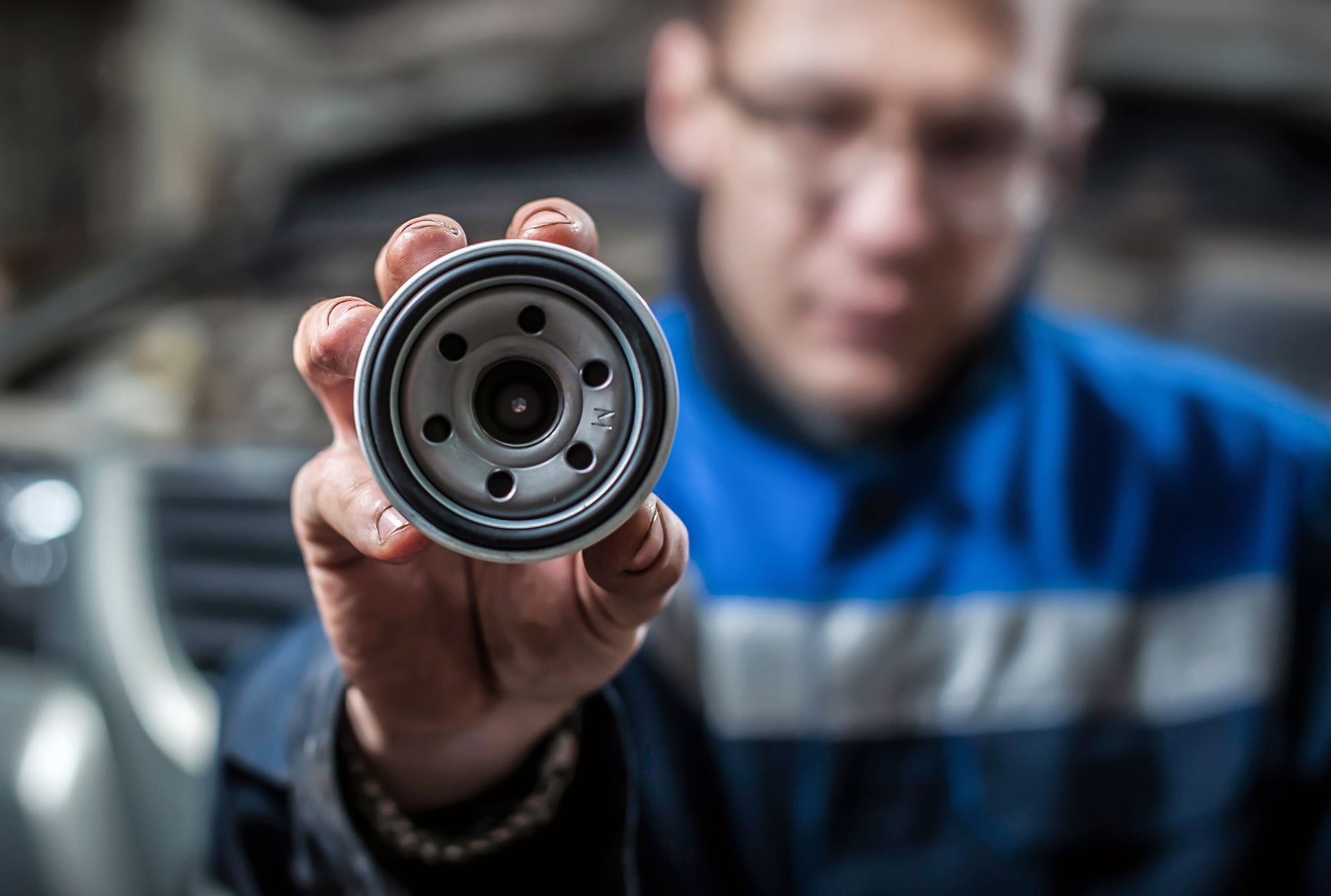
Keeping up with routine oil changes is one of the simplest ways to protect your vehicle, yet it is something many drivers put off longer than they should. At Avid Auto Care we see the impact that delayed oil changes have on engines every week. Fresh oil keeps your engine clean, cool, and properly lubricated. When oil gets old it breaks down and cannot protect your engine the way it should. The result is extra wear, reduced performance, and expensive repairs that could have been avoided. Cincinnati driving conditions make regular oil changes even more important because our mix of weather, traffic, and short trips can break down oil faster than most people realize. When you stay on schedule with your oil changes you give your vehicle the best chance at a long and healthy life. In this article we explain why oil changes matter so much, how Cincinnati roads affect your oil life, and how to tell when your car is ready for service. Our goal is to help you understand what is best for your engine so you can make confident decisions about maintenance. When the time comes we are always here to handle your oil service quickly and correctly. How clean oil protects your engine Oil plays several important roles inside your engine. It reduces friction by coating moving parts, prevents metal on metal contact, carries heat away, traps contaminants, and helps keep seals and components in good condition. When the oil is fresh it flows easily and provides strong protection. As it ages it thickens, collects debris, and becomes less effective. If the oil breaks down too much it can no longer lubricate the engine properly. This is when problems start. Cincinnati drivers deal with conditions that make oil break down faster. Cold starts in the winter cause oil to thicken and struggle to circulate. Hot summer days can cause the engine to run hotter which breaks oil down more quickly. Short trips in the city do not allow the engine to reach full operating temperature which prevents moisture from burning off. Stop and go traffic on Vine Street, Montgomery Road, or during the morning and afternoon rush on I 71 and I 75 puts extra strain on the engine. All of these factors mean that Cincinnati vehicles often need oil changes more frequently than expected. Why delayed oil changes lead to costly repairs When oil becomes old and dirty the engine experiences more friction and heat. This increases wear on internal components like bearings, camshafts, pistons, and timing chains. Over time this wear can lead to loss of performance, engine knocking, increased fuel consumption, and costly repairs. Severe neglect can even cause complete engine failure. Many engine problems that appear serious start with something as simple as overdue oil service. At Avid Auto Care we frequently see sludge buildup in engines that go too long between oil changes. Sludge forms when old oil thickens and mixes with dirt and contaminants. It can block oil passages, reduce flow, and starve the engine of the lubrication it needs. Once sludge builds up it becomes a serious problem that often requires extensive cleaning or part replacement. Keeping up with routine oil changes is the best way to prevent this. How often you should change your oil in Cincinnati Your recommended oil change interval depends on your vehicle, the type of oil you use, and the kind of driving you do. Most modern vehicles that use synthetic oil can go longer between changes, but not all driving conditions are considered ideal. Cincinnati has many situations that qualify as severe driving conditions. These include frequent short trips, lots of stop and go traffic, driving in cold weather, making many starts and stops, hauling heavy loads, and driving in hot temperatures. Because of these factors we usually recommend changing your oil more often than the maximum interval listed in your owner’s manual. Many drivers stick to five thousand mile intervals for synthetic oil or three thousand mile intervals for conventional oil. If you spend most of your time driving short distances in the city your oil may need to be changed even sooner. When you bring your vehicle to us we can help you determine the best schedule based on your driving habits. Common signs your vehicle needs an oil change Your car will usually give you several clues when the oil is ready to be replaced. Some signs are obvious while others are more subtle. Paying attention to these changes can help you stay ahead of problems. Here are the most common signs we see from Cincinnati drivers. Your oil looks dark or gritty. Fresh oil is usually golden in color. Over time it becomes darker as it collects contaminants. If you check your oil and notice it is thick, black, or gritty it is time for a change. Your engine sounds louder than normal. Oil reduces friction in the engine. When the oil breaks down you may hear tapping, ticking, or other unusual noises. Your oil light comes on. This warning light should never be ignored. It often means oil pressure is low which can cause serious damage. Your engine feels rough. If your vehicle hesitates, idles unevenly, or struggles during acceleration, old oil may be part of the issue. Your fuel efficiency drops. Dirty oil forces the engine to work harder which leads to decreased gas mileage. Your vehicle hits the mileage limit. If you cannot remember your last oil change there is a good chance it is overdue. If any of these signs appear we recommend scheduling an oil change as soon as possible. Even if you are not sure we can check your oil for you during a visit and give you an honest recommendation. Why oil changes are even more important in Cincinnati Cincinnati has a unique blend of traffic patterns and weather conditions that affect vehicle maintenance. Winter temperatures often drop below freezing which makes engines harder to start and increases oil thickness. Summer days can get hot enough to stress the cooling system and accelerate oil breakdown. The city layout includes steep areas like Mount Adams, Clifton Heights, and parts of Price Hill which place additional pressure on engines and transmissions. Long commutes on I 71 or I 75 can involve sudden slowdowns that force your engine to work harder. Short trips within the city are also a major factor. If you frequently drive only a few miles at a time, your engine may never reach full operating temperature. When this happens moisture stays in the oil instead of burning away. That moisture leads to faster oil wear and internal corrosion. Many Cincinnati drivers fall into this pattern without realizing it which makes staying on top of oil changes even more important. Choosing the right oil for your vehicle Not all oil is the same. There are different types, viscosities, and quality levels. Modern vehicles often recommend synthetic oil because it handles temperature changes better and offers stronger protection. Synthetic oil is especially useful in Cincinnati because of the cold winters and warm summers. It flows better at low temperatures and resists breakdown during hot weather. When you bring your vehicle to Avid Auto Care we will make sure you get the correct oil for your engine. We follow manufacturer recommendations and consider how your vehicle is driven each day. Using the right oil improves performance, increases engine life, and ensures that your vehicle runs smoothly in Cincinnati’s mixed conditions. Why professional oil changes matter Some drivers like to change their own oil, but professional service has clear advantages. We can lift your vehicle safely, check for leaks, inspect filters, look for worn parts, and identify early signs of problems that may not be visible from the surface. Every oil change is a chance to keep your vehicle in good condition. When we service your car we also reset maintenance reminders, check tire pressure, look at fluid levels, and give you a complete overview of your vehicle’s health. Many Cincinnati drivers come to us after trying to keep up with oil changes on their own and discovering leaks, stripped drain plugs, or incorrect oil types used during home maintenance. Our team is trained to handle everything correctly the first time so you can drive with confidence. How routine oil changes save money long term Regular oil changes are one of the most cost effective maintenance tasks you can invest in. The price of an oil change is small compared to the cost of engine repairs caused by neglected oil. When you keep your oil clean you reduce wear on expensive components and protect the overall value of your vehicle. You also avoid breakdowns that can leave you stranded on a Cincinnati highway or in city traffic. Many long term engine issues are completely avoidable with consistent oil service. Cincinnati drivers who stay proactive with maintenance experience fewer repairs, better fuel economy, and smoother performance overall. Stay ahead of engine problems with Avid Auto Care Keeping a regular oil change schedule is one of the easiest ways to protect your vehicle. At Avid Auto Care we are proud to help Cincinnati drivers stay on the road with reliable service and honest guidance. If you are unsure about your last oil change or if your vehicle is showing any signs listed above, we welcome you to schedule a service with us.  We will check your oil, inspect your vehicle, and help you map out a maintenance schedule that fits your daily driving needs. Staying consistent with oil changes keeps your engine healthy, keeps your repair costs low, and gives you confidence every time you drive through Cincinnati.
November 12, 2025
When you drive around Cincinnati every day you depend on your vehicle to handle traffic, weather changes, and long stretches of highway with no trouble. At Avid Auto Care we know how important it is to stay ahead of problems before they turn into expensive repairs. Many issues start small and grow quickly when they are ignored. The good news is that most warning signs are easy to spot once you know what to look for. When you understand these signs you can schedule a repair with us before anything becomes serious. This helps protect your vehicle and your budget. In Cincinnati we see a wide range of driving conditions that can speed up wear and tear. Daily routes on I 71, I 75, and I 275 create heavy stop and go conditions. Local neighborhoods with hills and tight turns put extra stress on brakes and suspensions. Cold winters and warm summers impact batteries, fluids, seals, and hoses. These factors make it even more important to pay attention to changes in the way your vehicle feels or sounds. Below are the top signs that your car needs immediate auto repair and why you should bring it to us as soon as possible. Your brakes start making noises or the pedal feels different Your brakes are one of the most important safety systems on your vehicle. When something feels off it is almost always a sign that a repair should be scheduled soon. You might hear squeaking or grinding. You might feel vibration in the pedal. You might notice that the pedal sits lower than usual or that you need more distance to stop the car. Cincinnati roads with steep inclines and frequent stops can wear brake pads much faster than people expect. If any of these symptoms appear it is best to let us inspect your brake system before it becomes a more costly repair. Your check engine light turns on or flashes A check engine light can mean many things from a loose gas cap to a misfire that can damage the engine or catalytic converter. When the light is solid it still needs attention. When the light flashes it requires immediate care and you should avoid driving the vehicle until it can be inspected. In Cincinnati traffic a small engine misfire can create sudden power loss which can become a safety concern. When you bring your vehicle to us we will run a diagnostic scan, review the error codes, and perform a full inspection to identify the true cause. You notice fluid leaking under your vehicle Fluids keep your engine, transmission, steering, and cooling systems functioning. When you see fluid on the ground it is a clear sign that something is failing. Oil leaks can lead to engine damage. Coolant leaks can cause overheating. Transmission fluid leaks can lead to shifting problems or complete failure. Cincinnati’s mix of warm summers and cold winters can cause seals to shrink or expand which increases the chance of leaks. If you see any puddles or wet spots under your vehicle it is best to let us inspect it right away. Your car vibrates, shakes, or pulls to one side Vibration is one of the easiest signs to feel but one of the easiest to ignore. It can show up while braking, accelerating, or holding a steady speed. Your steering wheel may shake or the entire vehicle may feel unstable. Your car may also pull to one side which is often related to alignment or tire issues. Cincinnati roads experience potholes every year due to winter freeze and thaw cycles. One strong impact can damage your suspension or alignment. If your vehicle does not drive smoothly or if it pulls in one direction we can inspect your tires, suspension, and alignment to correct the issue. Your engine starts making unusual noises Most engines make a familiar sound when running normally. When something changes you will usually hear it right away. Knocking, ticking, whining, or rattling should never be ignored. These sounds can indicate worn belts, low oil pressure, damaged bearings, or loose components. Cincinnati’s varied weather can harden rubber belts and hoses over time which leads to these noises. When you hear anything out of the ordinary it is best to let us check it before the problem grows. You notice a drop in performance or fuel efficiency If your car feels slower, struggles to accelerate, or needs more fuel than usual, it could be a sign of clogged filters, failing sensors, or ignition issues. Short city trips in Cincinnati can contribute to carbon buildup which affects engine performance. Highway commuters may notice hesitation when merging or passing. When performance changes your vehicle is telling you something is wrong. We can run a full diagnostic and get your car back to normal. Your car is overheating or running hotter than usual Cooling system problems can damage your engine if not treated quickly. You may see your temperature gauge climb, smell something sweet from leaking coolant, or even notice steam coming from under the hood. Cincinnati summers can cause engines to heat up quickly which makes cooling issues more noticeable. If your car runs hot it is important to address it right away. We can inspect your coolant levels, radiator, water pump, thermostat, and hoses to keep your engine safe. You hear clunking or feel looseness when going over bumps Your suspension system keeps your ride smooth and helps maintain control of the vehicle. When parts wear out you might hear clunks or rattles when hitting bumps or turning. You may also feel looseness in the steering wheel. Cincinnati roads with uneven surfaces and seasonal potholes can wear out suspension components faster than drivers expect. We can check your shocks, struts, control arms, bushings, and steering system to make sure everything is secure and functioning properly. Your transmission shifts hard or slips between gears If you drive an automatic vehicle you may feel it hesitate or jerk during gear changes. Manual drivers may notice grinding or difficulty shifting. Strange noises from the transmission area are also a concern. Cincinnati traffic puts constant strain on transmission systems, especially during heavy stop and go conditions. Any change in shifting performance should be checked quickly. Transmission repairs can grow costly if early signs are ignored so it is better to schedule a visit with us as soon as you notice something. Your battery struggles or your lights dim Cold Cincinnati winters are tough on car batteries. If your engine cranks slowly, your interior lights dim, or your electrical systems act strangely, your battery or alternator may be failing. A weak battery often shows signs days or weeks before it dies completely. We can test your battery, check your charging system, and install a replacement if needed. Why quick action matters for Cincinnati drivers Small problems tend to grow fast when vehicles are driven daily in a busy city like Cincinnati. Ignoring warning signs can lead to higher repair bills, breakdowns on the road, or safety risks for you and your passengers. When you bring your vehicle to us as soon as something feels off you save time and money. You also protect the long term health of your engine, transmission, brakes, and suspension.  At Avid Auto Care we take pride in helping Cincinnati drivers keep their vehicles safe and dependable. We offer complete inspections, clear explanations, and repairs you can trust. If you notice any of the signs listed above we encourage you to schedule an appointment right away. Addressing issues early helps you avoid major repairs and keeps you confident on the road.