

How to Find a Trustworthy Auto Repair Shop Near You (Without the Stress)
July 16, 2024

Your car is more than just a way to get around—it's an investment. When it needs repairs, you want to find a shop that's not only convenient but also reliable and fair. Here's your step-by-step guide to finding the perfect auto repair shop near you:
1. Ask for Recommendations:
- Friends and Family: Start by tapping into your personal network. Ask people you trust who they use for car repairs and why they like them.
- Online Reviews: Sites like Google, Yelp, and even Facebook can be valuable resources. Look for shops with consistently positive reviews and pay attention to what people say about their experiences.
- Local Groups: Community forums or neighborhood Facebook groups are great places to get hyper-local recommendations.
2. Check Certifications and Expertise:
- ASE Certification: Look for shops with technicians who are certified by the National Institute for Automotive Service Excellence (ASE). This indicates they've met industry standards for competence.
- Specialization: If your car needs a specific type of repair (e.g., transmission work), consider shops that specialize in that area.
- Call Around: Get estimates from different shops. Be specific about the work you need done.
- Compare Prices: Don't just go for the cheapest option. Factor in the shop's reputation and the quality of parts they use.
4. Ask About Warranties:
- Parts and Labor: Reputable shops will offer warranties on both parts and labor, giving you peace of mind.
- Warranty Length: Ask how long the warranty lasts and what it covers. Avid Autocare offers a 3 year/36,000 mile warranty.
5. Consider Convenience:
- Location: Choose a shop that's conveniently located near your home or work.
- Hours: Make sure the shop's hours fit your schedule.
- Amenities: Some shops offer loaner cars, shuttle services, or comfortable waiting areas.
6. Trust Your Gut:
- Visit the Shop: Look around. Does it seem clean and organized?
- Talk to the Staff: Are they friendly and helpful? Do they seem knowledgeable?
Additional Considerations:
- Independent vs. Dealership: Both have pros and cons. Dealerships often have specialized knowledge for your car's make and model, but independent shops might be more affordable.
- Written Estimates: Always get a written estimate before work begins. This will help prevent surprises later.
- Communication: Choose a shop that's easy to communicate with and keeps you informed throughout the repair process.
Finding the right auto repair shop might take a bit of effort, but it's worth it for the peace of mind and quality service you'll receive. Your car deserves it!
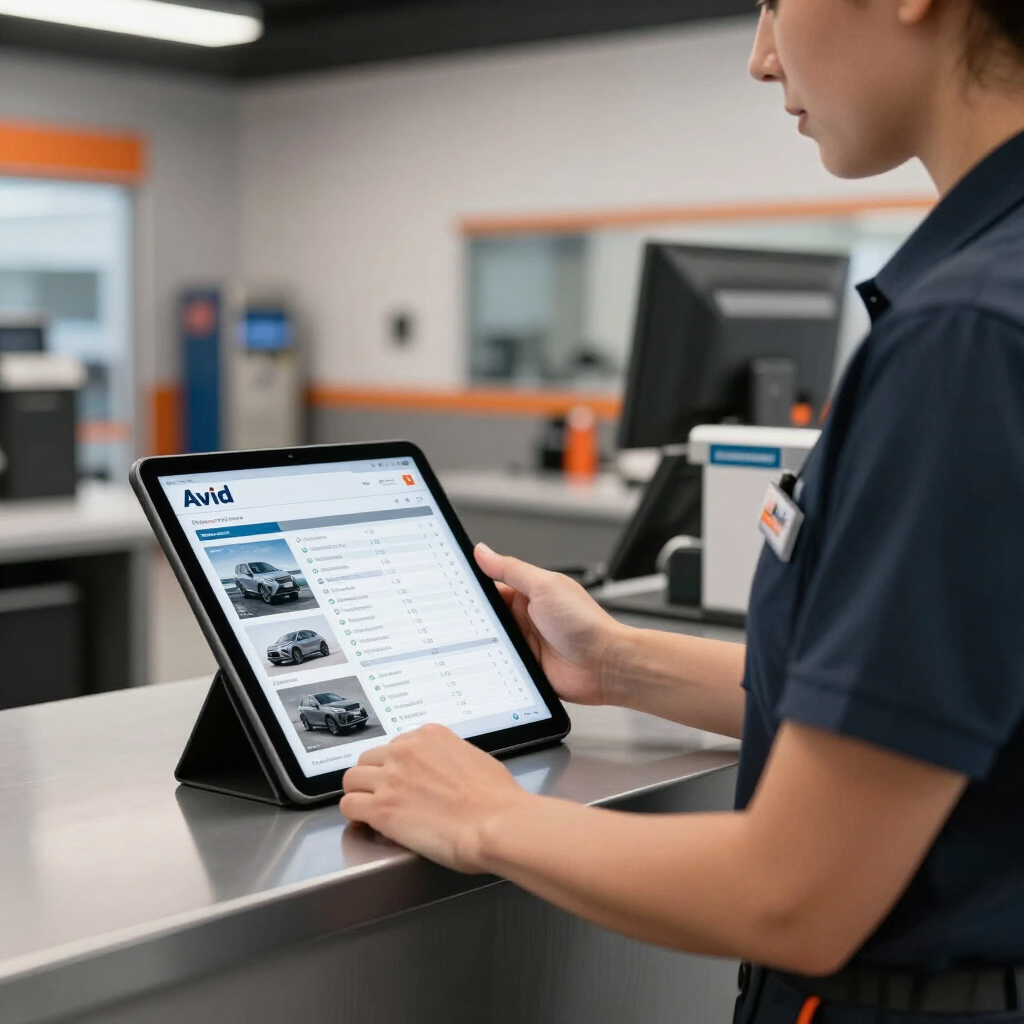
Need several repairs and a tight budget? Learn how affordable car repair in Cincinnati starts with sorting what's urgent from what can be planned.

Daylight saving time ends Nov. 1. Get headlight repair in Cincinnati sorted now, with after-hours drop-off and online booking from Avid Autocare.
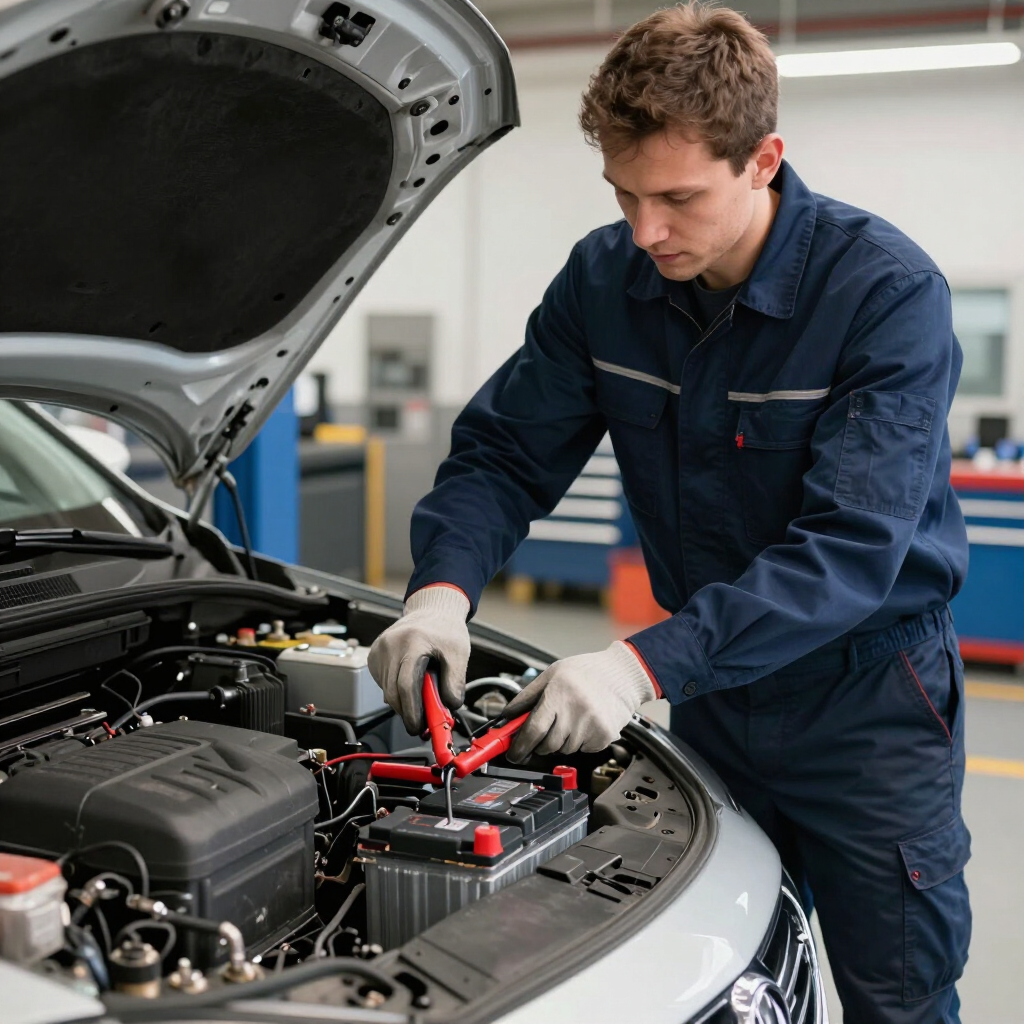
Cold mornings are hard on batteries and alternators. See what a charging system check covers before you need alternator repair in Cincinnati.
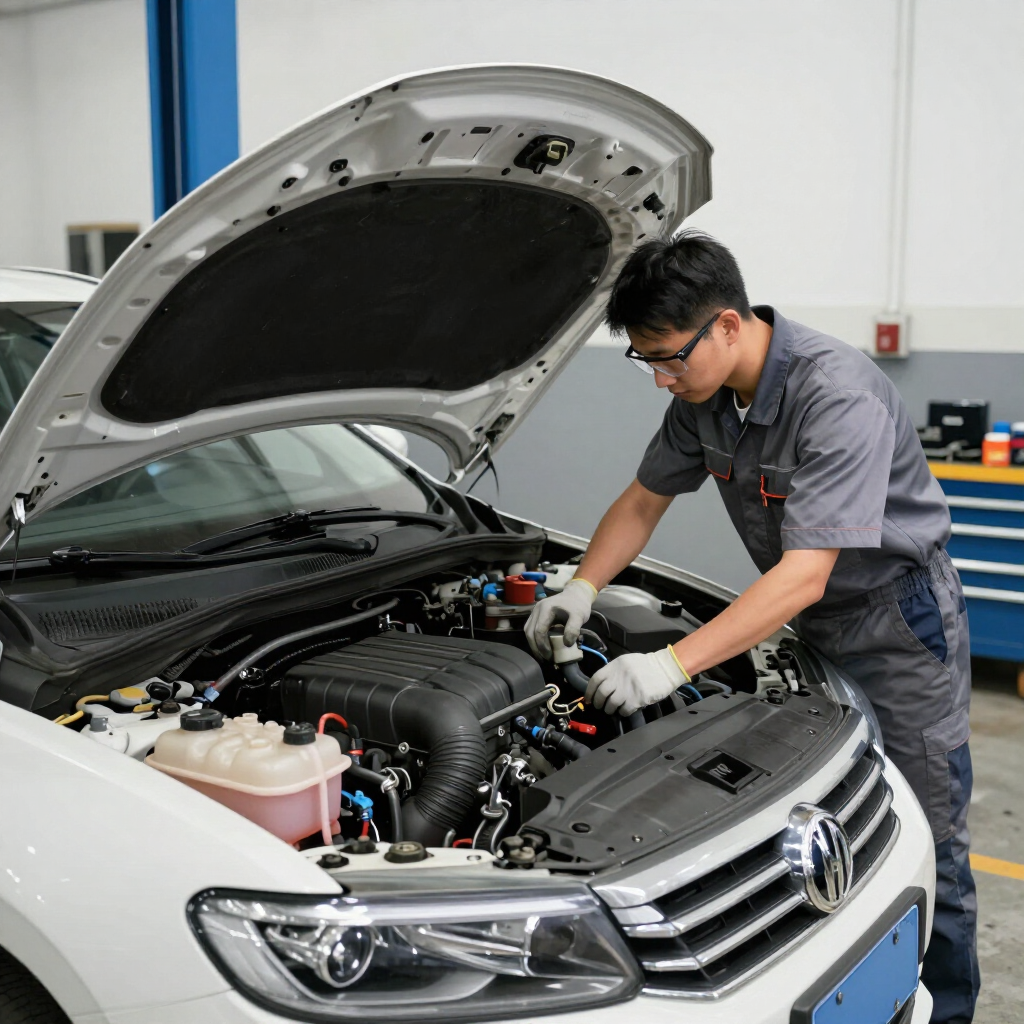
Car heater not working in Cincinnati? Learn what a cold-air heater can point to, when to stop driving, and how Avid Autocare tracks down the cause.
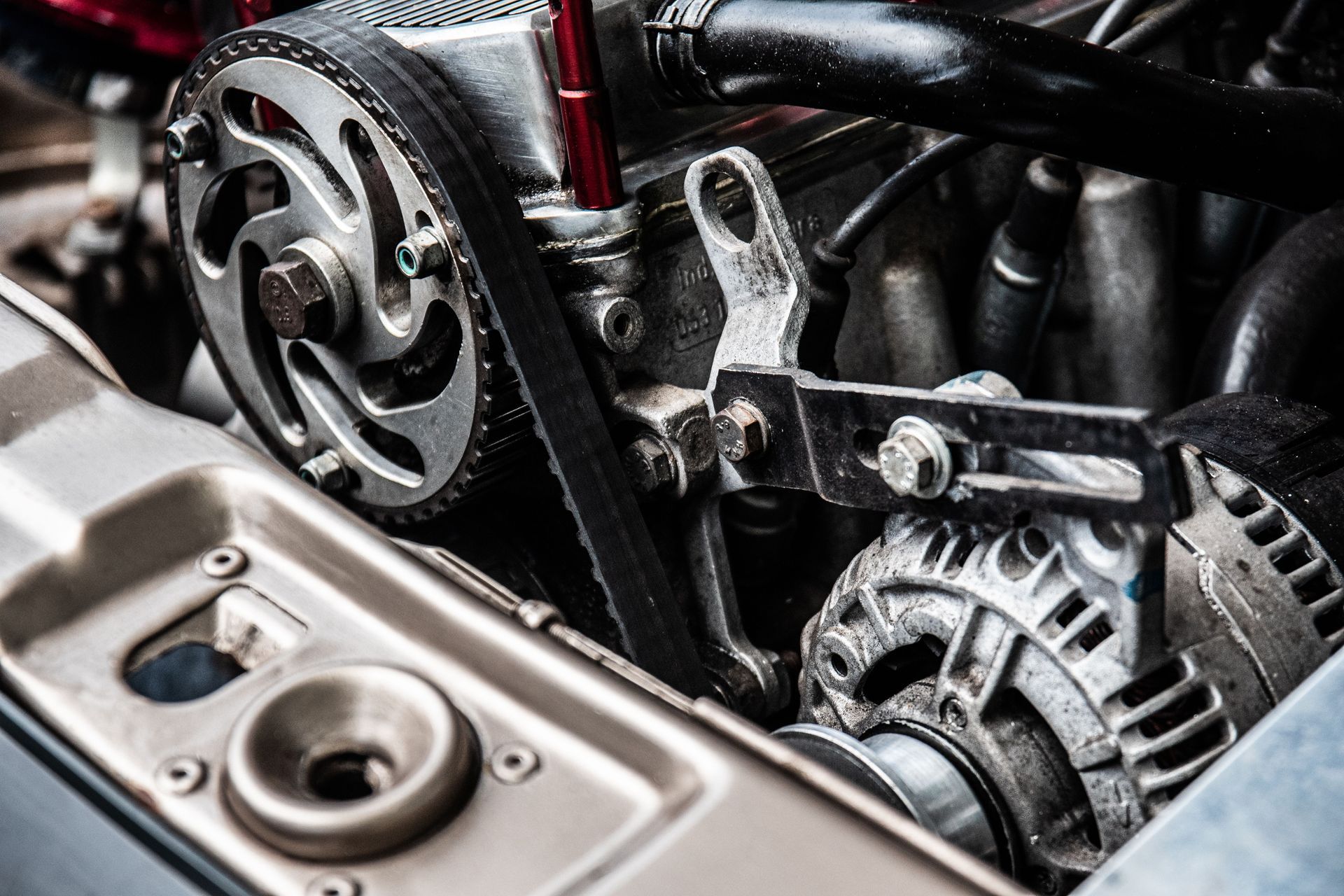
A timing belt is one of the few parts you replace before it fails. Here is how to plan for it instead of reacting to it.

Slipping, hard shifts, or a delay when you put it in gear. Here is what to do first and when to stop driving.

Toyota service in Cincinnati is easy to put off when nothing feels wrong. Here is what to watch for and when to schedule.
Transmission problems have a reputation for being expensive, which is one reason drivers sometimes avoid dealing with the early symptoms. The problem with that strategy is that transmission concerns rarely improve by themselves. A small leak, abnormal shift, fluid problem, electrical fault, or worn component can become a much larger issue when it is ignored. Your transmission is responsible for transferring engine power to the wheels while keeping the engine operating within an effective range. Modern transmissions are also highly computerized, which means a shifting problem can involve mechanical components, hydraulic pressure, fluid condition, sensors, control modules, or a combination of systems. That is why accurate diagnosis is important before assuming the transmission itself has failed. Pay Attention to Changes in the Way the Car Shifts One of the most common signs of trouble is a noticeable change in shifting behavior. You may feel the vehicle hesitate before moving into drive or reverse, shift much harder than it used to, hold a gear longer than expected, or seem to change gears at unusual times. Some drivers describe the vehicle as surging or jerking during acceleration. Another important symptom is slipping. If engine RPM rises but the vehicle does not accelerate at the same rate, the transmission may not be transferring power normally. Slipping can sometimes be intermittent at first, especially under heavier acceleration, but it deserves professional attention before it becomes more severe. Unusual noises can also provide clues. Whining, humming, clunking, or grinding that changes based on vehicle speed or transmission operation may indicate that something within the drivetrain needs to be inspected. Do Not Ignore Transmission Fluid Leaks Fluid underneath your vehicle should always be investigated, particularly when it may be transmission fluid. The transmission depends on the proper amount and condition of fluid for lubrication, cooling, hydraulic pressure, and normal operation. Driving with the fluid level too low can increase heat and wear and potentially create additional damage. Transmission fluid service requirements also vary significantly by vehicle. There is no single interval or fluid that applies to every make and model. The appropriate approach is to follow the manufacturer's specifications and evaluate the vehicle based on its mileage, service history, operating conditions, and transmission design. A Warning Light Does Not Automatically Mean a New Transmission Modern vehicles monitor transmission operation through electronic control systems. A warning light or stored diagnostic trouble code may indicate a transmission-related concern, but the code itself does not necessarily mean the entire transmission requires replacement. Sensors, wiring, fluid pressure problems, control components, and other faults can create symptoms that feel like a major mechanical failure. Proper diagnosis gives you the information needed to make a rational repair decision instead of assuming the worst. If your vehicle has started shifting differently, hesitating, slipping, leaking fluid, or displaying a transmission-related warning, Avid Autocare can inspect and diagnose the problem. Addressing a change early gives you a better opportunity to understand what is happening before the vehicle becomes difficult or impossible to drive.
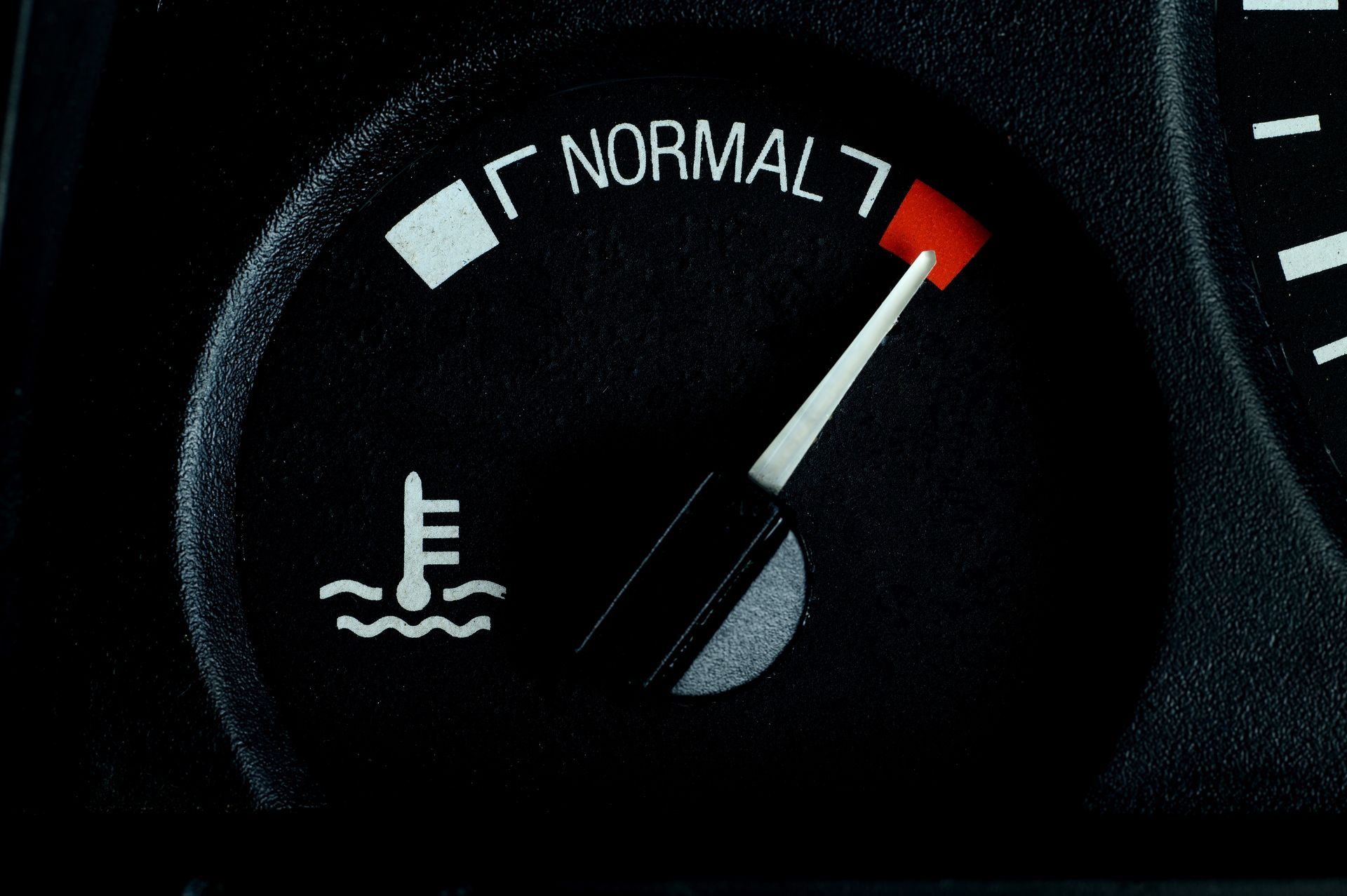
Learn common causes of engine overheating, what to do if your car overheats, and when to schedule cooling system repair in Cincinnati.

