
How to Know When Your Brakes Need Replaced (Before It Gets Dangerous)
If you have ever been driving and suddenly heard that awful squeal when you hit the brake pedal, you are not alone. Brakes are one of those systems we all depend on every single day, but most people do not think about them until they start acting up.
And the truth is, brake issues do not normally show up all at once. They build up over time. A small noise becomes a loud noise. A little vibration becomes shaking. A quick stop turns into a moment where your stomach drops because the car is not slowing down like it should.
If you are driving in the Cincinnati area, you are dealing with a mix of stop and go traffic, highways, hills, rain, and winter road conditions. That combination can wear brakes down faster than many drivers expect. In this guide, I am going to walk you through the clearest signs that your brakes might need replaced, what the symptoms usually mean, and when it is time to schedule brake service before it turns into a serious safety issue.
If you are looking for trusted brake repair in Cincinnati, this will also help you feel confident about what to ask for when you bring your vehicle in.
Why brake problems get serious so quickly
Your braking system is designed to stop a vehicle that weighs thousands of pounds, over and over, under heat and pressure. Every time you press the brake pedal, your brake pads clamp down on the rotors to create friction. That friction is what slows you down.
Over time, that friction wears material off the brake pads. When the pad material gets too thin, the system starts working harder, it creates excess heat, and it can damage other components like rotors and calipers.
That is why brakes are not a system you want to delay on. Catching the warning signs early can help you avoid larger repair bills and, more importantly, keep you safe on the road.
The biggest signs your brakes may need replaced
Most Cincinnati drivers do not need to memorize brake part names to know something is off. Your vehicle gives you signals. The key is paying attention and acting before it turns into a bigger issue.
Your brakes are squeaking or squealing
This is one of the most common brake complaints. If you hear a high pitched squeal when braking, it often means one of two things.
First, your brake pads may be getting low. Many pads are built with wear indicators that create noise when the pad material is thin. It is basically your car’s way of warning you.
Second, it could be related to moisture. Cincinnati weather can cause temporary squeaking first thing in the morning, especially after rain. If the squealing stops after a few brakes, it might not be urgent. But if the noise continues daily, it is time to get it checked.
You hear grinding when you brake
Grinding is the sound you do not want to ignore. If it feels like metal on metal, that is often exactly what it is.
It usually means the brake pads are worn completely down and the backing plate is now scraping the rotor. That can destroy rotors quickly and turn a simple pad replacement into a more expensive brake repair job.
If you hear grinding, stop driving the vehicle if possible and schedule brake service immediately.
Your steering wheel shakes when stopping
If your steering wheel or pedal vibrates when you brake, especially at higher speeds, it can mean warped rotors. Rotors can warp from heat, aggressive braking, or worn pads.
This is common for drivers who do a lot of highway driving or deal with repeated stop and go traffic, which is typical in and around Cincinnati. If the shaking gets worse over time, it will typically not fix itself.
Your car pulls to one side when braking
If you press the brake pedal and the vehicle pulls left or right, that could mean uneven brake pad wear, caliper issues, or even brake fluid problems.
Pulling is a safety issue because it can throw off your stopping control, especially in wet conditions or during emergency braking.
Your brake pedal feels soft or spongy
A soft brake pedal can mean air in the brake lines, brake fluid leaks, or deteriorating brake hoses. It can also be a sign of master cylinder problems.
If your pedal feels mushy, sinks toward the floor, or requires pumping, it is time for a brake inspection right away. This is not something to wait on.
Your brake pedal feels harder than normal
A hard brake pedal can be caused by booster issues, vacuum problems, or brake system restriction. It may feel like you have to press much harder than normal to slow down.
Hard pedals are just as concerning as soft pedals because they change stopping distance and driver control.
Your brake warning light comes on
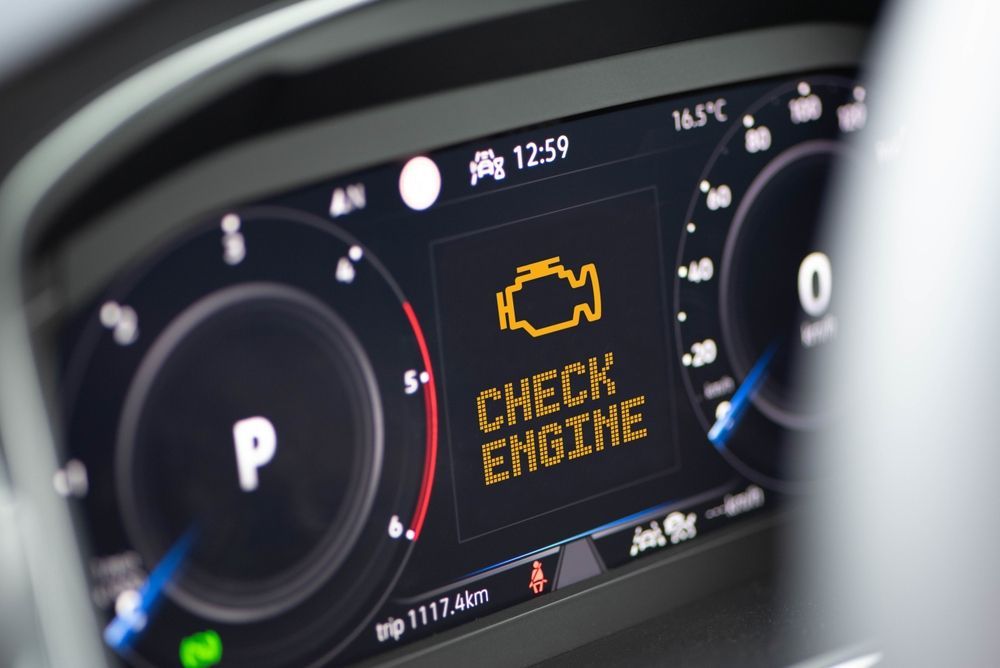
Modern vehicles have brake system warnings for a reason. Some lights indicate low brake fluid. Others indicate ABS issues. Either way, it is not a light to ignore.
Even if your brakes feel normal, a brake warning light means something in the system needs attention.
How long do brakes usually last in Cincinnati?
Brake pad life depends on your driving style, road conditions, and vehicle type, but most brake pads last somewhere between 30,000 and 70,000 miles.
In Cincinnati, there are a few factors that can shorten brake life.
Stop and go traffic around I-71, I-75, or city commuting puts constant wear on pads. Hills and frequent downhill braking add heat. Winter weather adds moisture and road salt, which can affect brake components and cause corrosion over time.
If you feel like you are replacing brakes more often than you should, that is not uncommon here, and it is something we can evaluate during an inspection.
What happens if you wait too long to replace your brakes?
A lot of people push brakes off because the car still stops. I get it. Life gets busy and repairs are never convenient.
But here is the important part. Brakes rarely fail suddenly without warning, but they absolutely can become unsafe faster than most people realize. And waiting usually makes everything more expensive.
When pads get too thin, they overheat. That can warp rotors. It can damage calipers. It can cause brake fluid to boil under heavy use. It can even impact wheel bearings over time if heat spreads through surrounding components.
That means a job that might have been a basic pad replacement can become rotors plus pads, or calipers, or a full brake system service.
How to know if you need brake pads, rotors, or both
This is one of the most common questions people ask when they come in for brake repair in Cincinnati.
Brake pads are the wear item. Rotors are the metal discs they clamp onto. Pads need replaced more often than rotors.
You might need only pads if the rotors are still in good condition and within spec.
You may need rotors too if the rotors are warped, deeply grooved, cracked, or below minimum thickness.
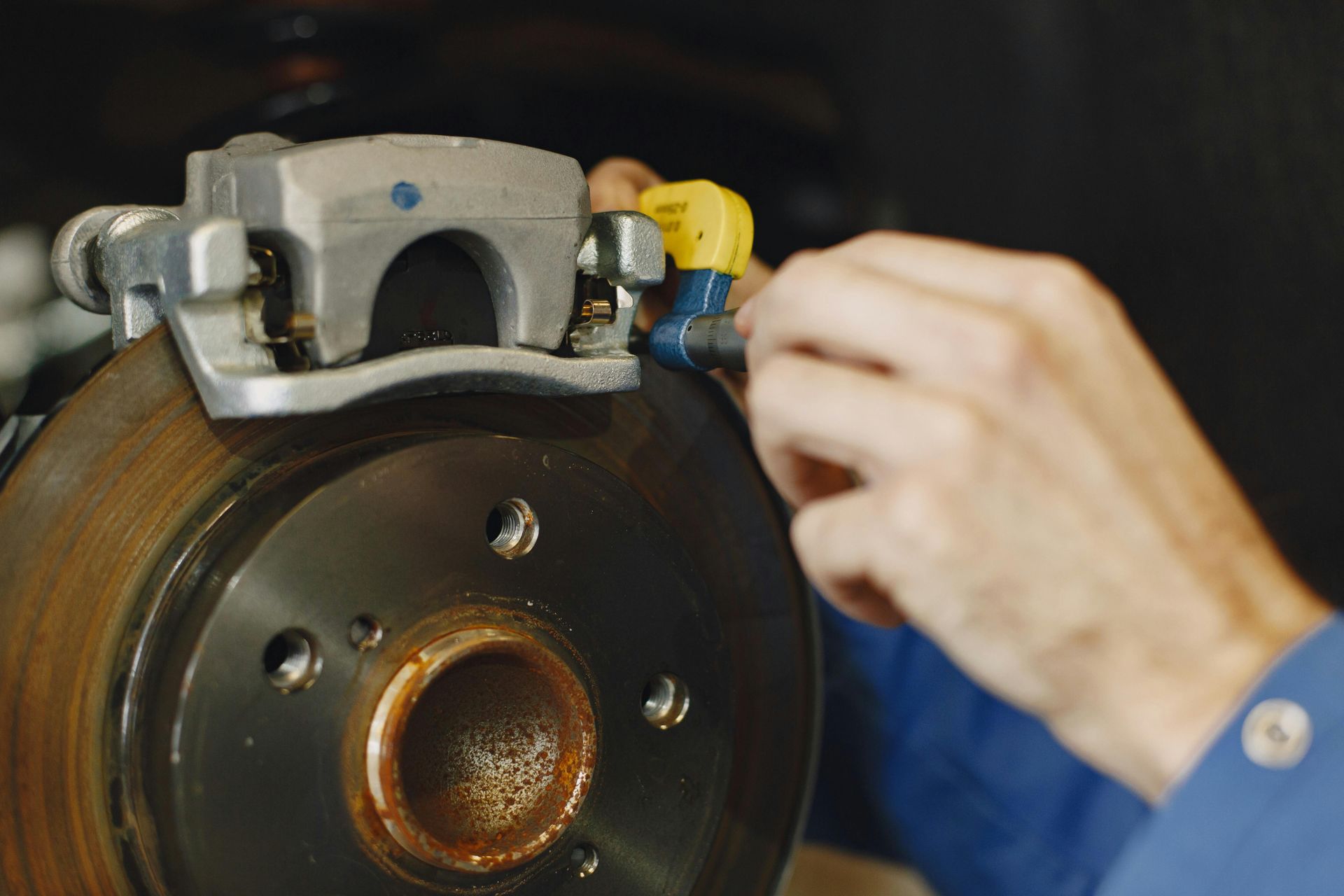
A good shop will not guess. They will measure rotor thickness, inspect wear patterns, and check braking performance to determine what your vehicle actually needs.
Why brake inspections are worth it
A brake inspection is one of the most valuable services because it gives you answers without committing to a full repair immediately.
During a brake inspection, we typically check brake pad thickness, rotor condition, caliper operation, brake fluid level and condition, and overall braking response. We also test drive if needed to verify the symptoms you are feeling.
If you are unsure whether a noise is serious, or if you are preparing for a road trip out of Cincinnati, a brake inspection is a smart move.
When should you schedule brake service?
Here is the simplest rule to follow.
If you are hearing noise, feeling vibration, seeing a warning light, or noticing your stopping distance change, schedule brake service immediately.
If you are not having symptoms, but you have not had your brakes checked in the last year, it is still a good idea to have them inspected. Many brake repairs are preventable if you catch the wear early.
Brake repair in Cincinnati, getting it fixed the right way
Not all brake repairs are the same. Brake work is not just replacing pads, it is making sure the entire system is safe.
That means looking at the condition of the hardware, cleaning and lubricating contact points, checking caliper performance, and verifying the brake system is operating properly after installation.
It also means making sure you are getting the right parts for your driving style. Some pads are better for quiet performance. Some are better for heavy duty use. Some handle heat better. A proper recommendation depends on the vehicle and how you drive around Cincinnati.
Schedule your Cincinnati brake inspection before it becomes an emergency
If your brakes are squeaking, grinding, pulling, shaking, or just not feeling right, do not wait for it to get worse. It is always easier and cheaper to fix brake problems early.
At Avid Auto Care, we help Cincinnati drivers stay safe with honest inspections, clear recommendations, and brake repairs you can trust.
If you are ready to schedule a brake inspection in Cincinnati, reach out today and we will get you taken care of.