
Why Cincinnati Drivers Should Stay Consistent With Their Oil Change Schedule
Keeping up with routine oil changes is one of the simplest ways to protect your vehicle, yet it is something many drivers put off longer than they should. At Avid Auto Care we see the impact that delayed oil changes have on engines every week. Fresh oil keeps your engine clean, cool, and properly lubricated. When oil gets old it breaks down and cannot protect your engine the way it should. The result is extra wear, reduced performance, and expensive repairs that could have been avoided. Cincinnati driving conditions make regular oil changes even more important because our mix of weather, traffic, and short trips can break down oil faster than most people realize.
When you stay on schedule with your oil changes you give your vehicle the best chance at a long and healthy life. In this article we explain why oil changes matter so much, how Cincinnati roads affect your oil life, and how to tell when your car is ready for service. Our goal is to help you understand what is best for your engine so you can make confident decisions about maintenance. When the time comes we are always here to handle your oil service quickly and correctly.
How clean oil protects your engine
Oil plays several important roles inside your engine. It reduces friction by coating moving parts, prevents metal on metal contact, carries heat away, traps contaminants, and helps keep seals and components in good condition. When the oil is fresh it flows easily and provides strong protection. As it ages it thickens, collects debris, and becomes less effective. If the oil breaks down too much it can no longer lubricate the engine properly. This is when problems start.
Cincinnati drivers deal with conditions that make oil break down faster. Cold starts in the winter cause oil to thicken and struggle to circulate. Hot summer days can cause the engine to run hotter which breaks oil down more quickly. Short trips in the city do not allow the engine to reach full operating temperature which prevents moisture from burning off. Stop and go traffic on Vine Street, Montgomery Road, or during the morning and afternoon rush on I 71 and I 75 puts extra strain on the engine. All of these factors mean that Cincinnati vehicles often need oil changes more frequently than expected.
Why delayed oil changes lead to costly repairs
When oil becomes old and dirty the engine experiences more friction and heat. This increases wear on internal components like bearings, camshafts, pistons, and timing chains. Over time this wear can lead to loss of performance, engine knocking, increased fuel consumption, and costly repairs. Severe neglect can even cause complete engine failure. Many engine problems that appear serious start with something as simple as overdue oil service.
At Avid Auto Care we frequently see sludge buildup in engines that go too long between oil changes. Sludge forms when old oil thickens and mixes with dirt and contaminants. It can block oil passages, reduce flow, and starve the engine of the lubrication it needs. Once sludge builds up it becomes a serious problem that often requires extensive cleaning or part replacement. Keeping up with routine oil changes is the best way to prevent this.
How often you should change your oil in Cincinnati
Your recommended oil change interval depends on your vehicle, the type of oil you use, and the kind of driving you do. Most modern vehicles that use synthetic oil can go longer between changes, but not all driving conditions are considered ideal. Cincinnati has many situations that qualify as severe driving conditions. These include frequent short trips, lots of stop and go traffic, driving in cold weather, making many starts and stops, hauling heavy loads, and driving in hot temperatures.
Because of these factors we usually recommend changing your oil more often than the maximum interval listed in your owner’s manual. Many drivers stick to five thousand mile intervals for synthetic oil or three thousand mile intervals for conventional oil. If you spend most of your time driving short distances in the city your oil may need to be changed even sooner. When you bring your vehicle to us we can help you determine the best schedule based on your driving habits.
Common signs your vehicle needs an oil change
Your car will usually give you several clues when the oil is ready to be replaced. Some signs are obvious while others are more subtle. Paying attention to these changes can help you stay ahead of problems. Here are the most common signs we see from Cincinnati drivers.
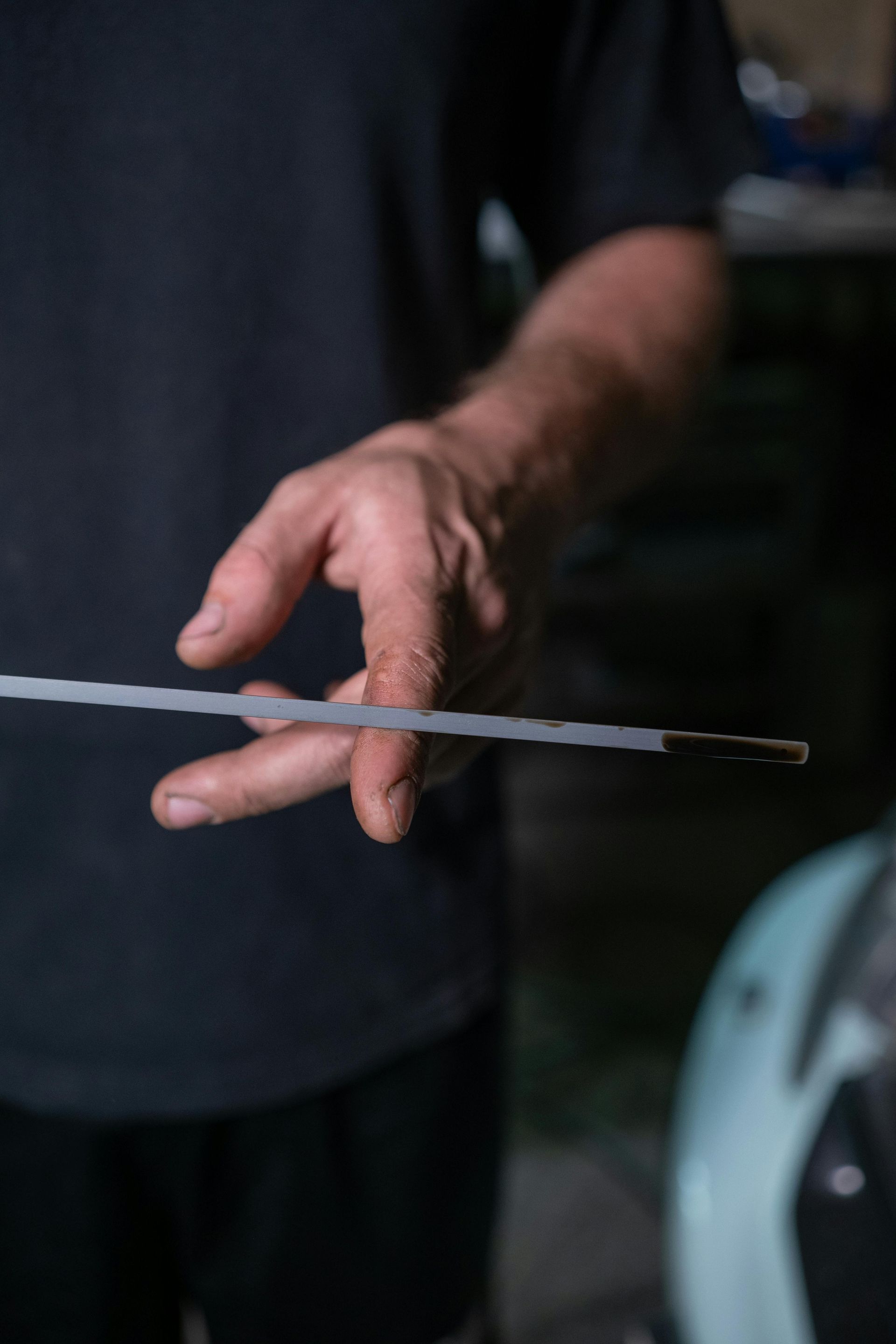
Your oil looks dark or gritty. Fresh oil is usually golden in color. Over time it becomes darker as it collects contaminants. If you check your oil and notice it is thick, black, or gritty it is time for a change.
Your engine sounds louder than normal. Oil reduces friction in the engine. When the oil breaks down you may hear tapping, ticking, or other unusual noises.
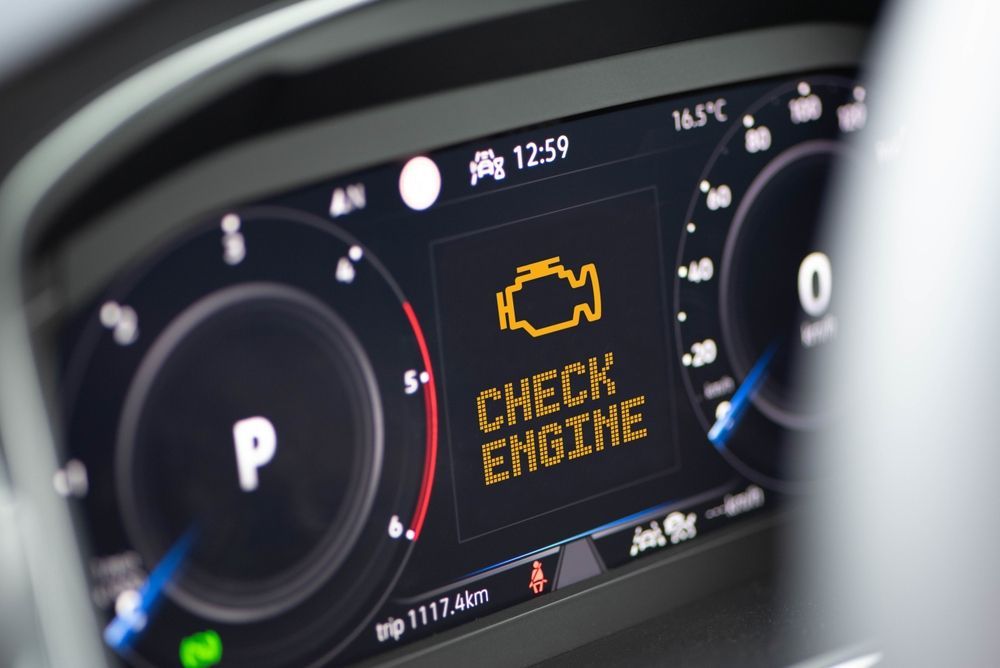
Your oil light comes on. This warning light should never be ignored. It often means oil pressure is low which can cause serious damage.
Your engine feels rough. If your vehicle hesitates, idles unevenly, or struggles during acceleration, old oil may be part of the issue.
Your fuel efficiency drops. Dirty oil forces the engine to work harder which leads to decreased gas mileage.
Your vehicle hits the mileage limit. If you cannot remember your last oil change there is a good chance it is overdue.
If any of these signs appear we recommend scheduling an oil change as soon as possible. Even if you are not sure we can check your oil for you during a visit and give you an honest recommendation.
Why oil changes are even more important in Cincinnati
Cincinnati has a unique blend of traffic patterns and weather conditions that affect vehicle maintenance. Winter temperatures often drop below freezing which makes engines harder to start and increases oil thickness. Summer days can get hot enough to stress the cooling system and accelerate oil breakdown. The city layout includes steep areas like Mount Adams, Clifton Heights, and parts of Price Hill which place additional pressure on engines and transmissions. Long commutes on I 71 or I 75 can involve sudden slowdowns that force your engine to work harder.
Short trips within the city are also a major factor. If you frequently drive only a few miles at a time, your engine may never reach full operating temperature. When this happens moisture stays in the oil instead of burning away. That moisture leads to faster oil wear and internal corrosion. Many Cincinnati drivers fall into this pattern without realizing it which makes staying on top of oil changes even more important.
Choosing the right oil for your vehicle
Not all oil is the same. There are different types, viscosities, and quality levels. Modern vehicles often recommend synthetic oil because it handles temperature changes better and offers stronger protection. Synthetic oil is especially useful in Cincinnati because of the cold winters and warm summers. It flows better at low temperatures and resists breakdown during hot weather.
When you bring your vehicle to Avid Auto Care we will make sure you get the correct oil for your engine. We follow manufacturer recommendations and consider how your vehicle is driven each day. Using the right oil improves performance, increases engine life, and ensures that your vehicle runs smoothly in Cincinnati’s mixed conditions.
Why professional oil changes matter
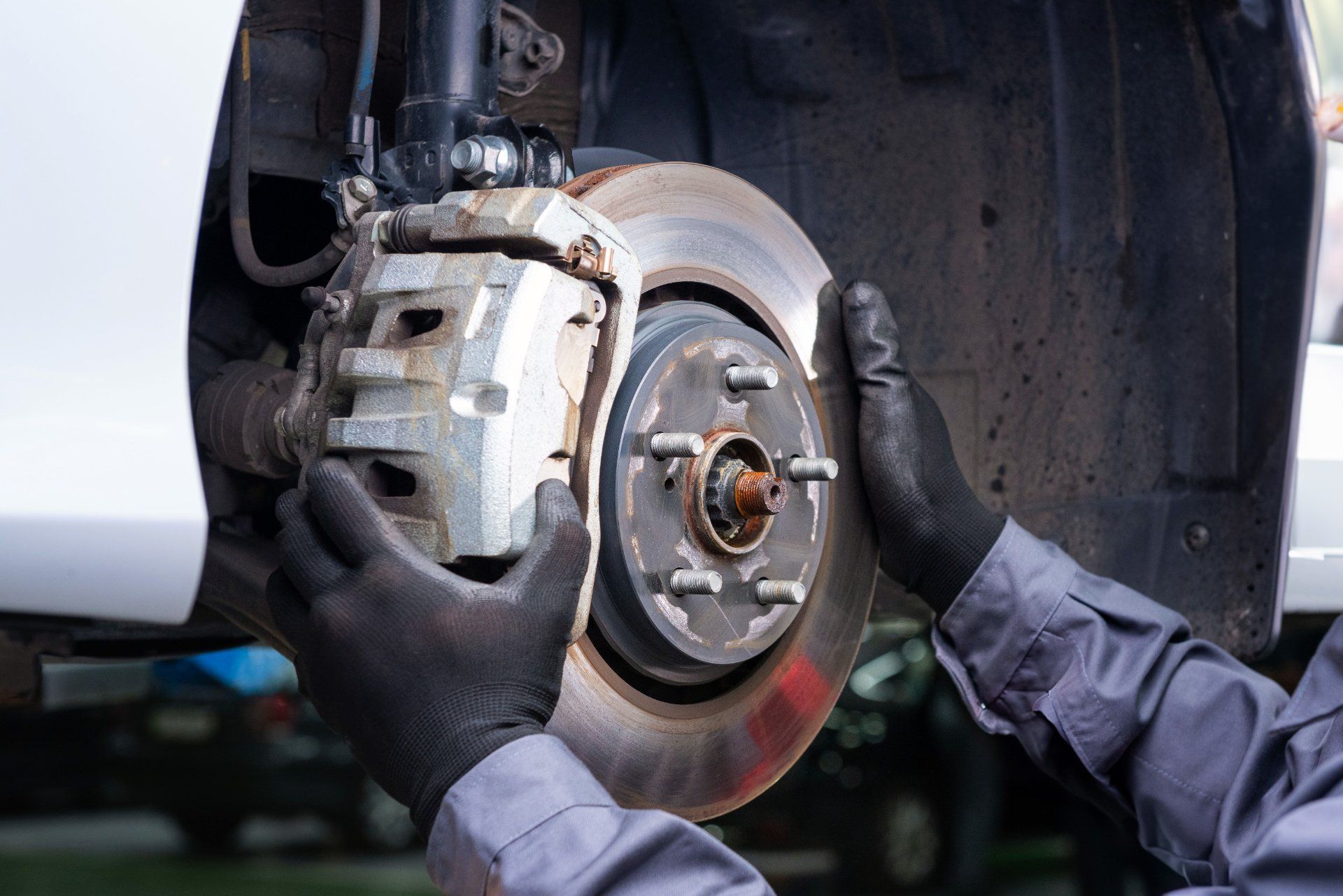
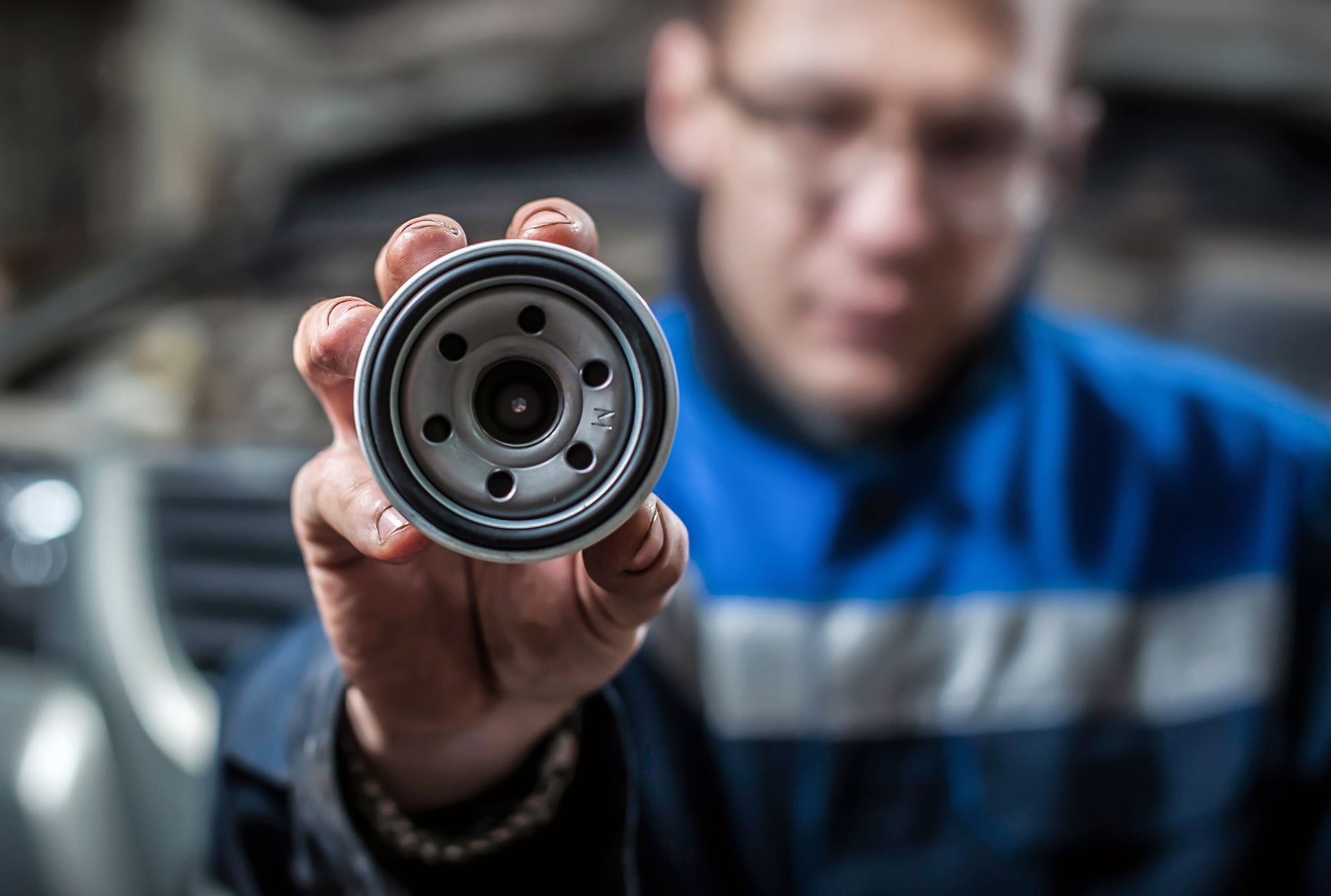
Some drivers like to change their own oil, but professional service has clear advantages. We can lift your vehicle safely, check for leaks, inspect filters, look for worn parts, and identify early signs of problems that may not be visible from the surface. Every oil change is a chance to keep your vehicle in good condition. When we service your car we also reset maintenance reminders, check tire pressure, look at fluid levels, and give you a complete overview of your vehicle’s health.
Many Cincinnati drivers come to us after trying to keep up with oil changes on their own and discovering leaks, stripped drain plugs, or incorrect oil types used during home maintenance. Our team is trained to handle everything correctly the first time so you can drive with confidence.
How routine oil changes save money long term
Regular oil changes are one of the most cost effective maintenance tasks you can invest in. The price of an oil change is small compared to the cost of engine repairs caused by neglected oil. When you keep your oil clean you reduce wear on expensive components and protect the overall value of your vehicle. You also avoid breakdowns that can leave you stranded on a Cincinnati highway or in city traffic.
Many long term engine issues are completely avoidable with consistent oil service. Cincinnati drivers who stay proactive with maintenance experience fewer repairs, better fuel economy, and smoother performance overall.
Stay ahead of engine problems with Avid Auto Care
Keeping a regular oil change schedule is one of the easiest ways to protect your vehicle. At Avid Auto Care we are proud to help Cincinnati drivers stay on the road with reliable service and honest guidance. If you are unsure about your last oil change or if your vehicle is showing any signs listed above, we welcome you to schedule a service with us.
We will check your oil, inspect your vehicle, and help you map out a maintenance schedule that fits your daily driving needs. Staying consistent with oil changes keeps your engine healthy, keeps your repair costs low, and gives you confidence every time you drive through Cincinnati.