
Why Cincinnati Winters Are Hard on Your Car and What to Check Before It Is Too Late
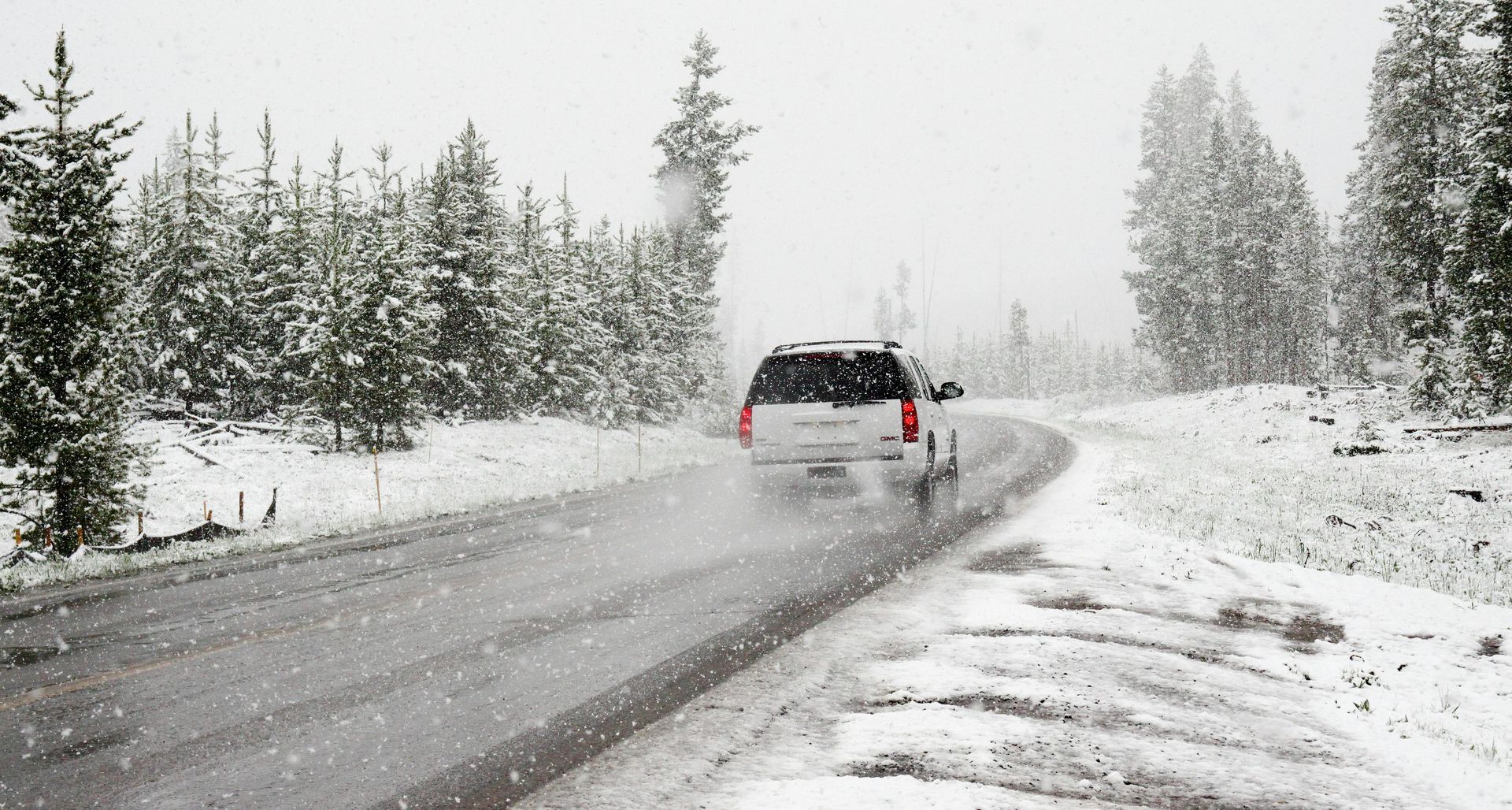
If you have lived in Cincinnati for any length of time, you already know that winter is not gentle. The freezing temperatures, snow, ice, and constant road treatment chemicals all take a toll on your vehicle. Even if your car seems fine on the surface, winter can quietly create wear and tear that shows up later as unexpected repairs. Understanding how cold weather affects your vehicle can help you stay ahead of problems and avoid being stranded when you least expect it.
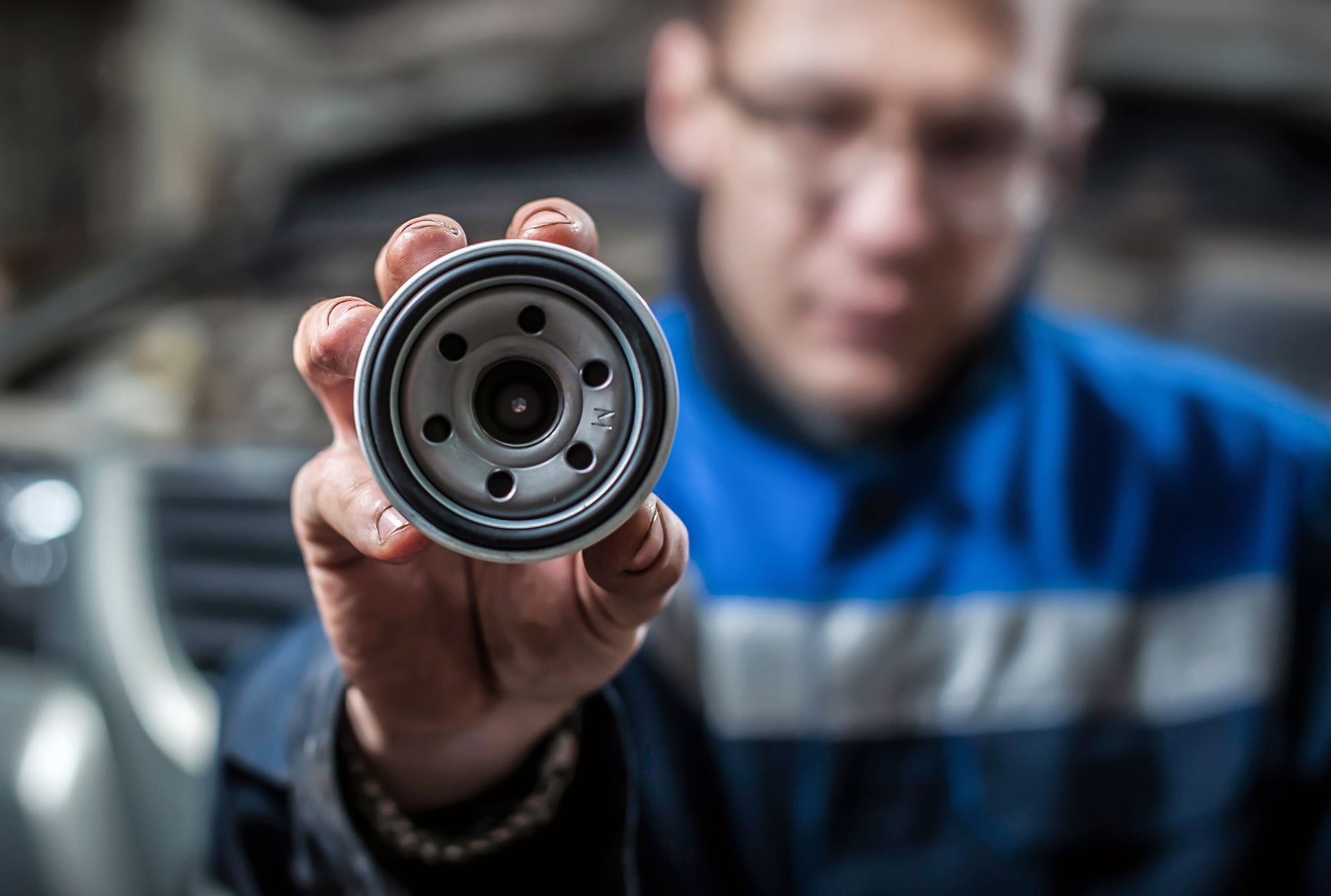
Cold temperatures alone can change how your car behaves. When the air gets colder, your engine oil thickens and moves more slowly through the system. That means your engine works harder during startup. If your oil is old or overdue for a change, the strain increases even more. Many Cincinnati drivers notice that their car sounds rougher in the morning during winter. That extra stress adds up over time. Keeping up with oil changes and making sure your vehicle is running the correct oil for the season can make a noticeable difference.
Your battery also feels the impact of winter immediately. Car batteries lose strength in colder weather. A battery that seemed fine in the fall may suddenly struggle when temperatures drop. If your vehicle cranks slowly when you start it, or if you need a jump start more than once, that is a sign your battery may be nearing the end of its life. Cincinnati winters are not forgiving when it comes to weak batteries. Having your battery tested before it fails completely can save you from being stuck in a parking lot on a freezing morning.
Road salt and deicing chemicals are another major factor. While they help keep roads safer, they are tough on your vehicle’s undercarriage. Salt can accelerate corrosion on metal components, including brake lines, suspension parts, and exhaust systems. Over time, that corrosion weakens parts that are critical to your safety. If you drive regularly on treated roads, which most Cincinnati drivers do, it is important to have your vehicle inspected for rust and corrosion, especially as winter comes to an end. Catching early signs of rust can prevent much larger repairs down the road.
Suspension systems also take a beating during winter. Snow and ice hide potholes that form as temperatures fluctuate. Hitting a pothole at speed can knock your alignment out of place, damage shocks and struts, or even bend wheels. You may notice your car pulling to one side, uneven tire wear, or a rougher ride than usual. These are not just comfort issues. They affect your vehicle’s handling and safety. If your car feels different after a harsh winter, it is worth having a Cincinnati auto repair shop check your suspension and alignment.
Your tires are another critical area to watch. Cold air causes tire pressure to drop. Even a small decrease in temperature can reduce pressure enough to affect traction and fuel efficiency. Underinflated tires wear unevenly and reduce your ability to stop quickly on icy roads. Throughout the winter months, it is important to monitor tire pressure and tread depth. If your tires are worn or aging, winter conditions will highlight those weaknesses quickly.
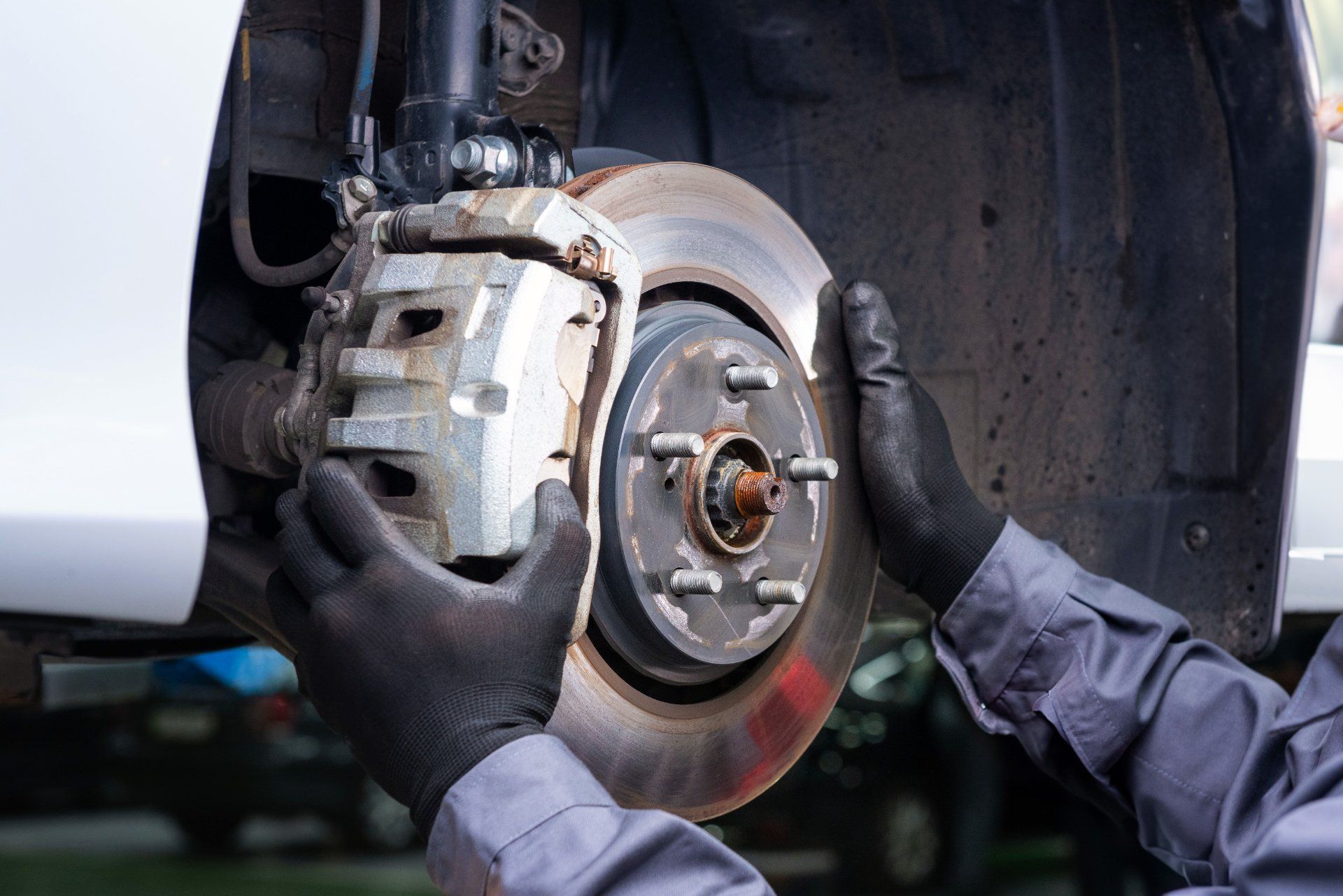
Brakes also face extra stress during winter driving. Slushy roads, stop and go traffic, and slick surfaces mean you rely on your brakes more frequently. If you hear squeaking or grinding, or if your brake pedal feels different, those are signs you should not ignore. Moisture from snow and ice can also contribute to corrosion in braking components. Addressing brake concerns early can keep you safer on unpredictable roads.
The heating and defrost systems inside your vehicle are essential during Cincinnati winters. If your heater is not blowing warm air or your defroster struggles to clear the windshield, that is more than an inconvenience. Proper visibility and cabin warmth are safety concerns. Heating issues can be linked to the cooling system, thermostat, or other engine components. If your interior comfort system is not working properly, it is time to have it inspected before the next cold snap hits.
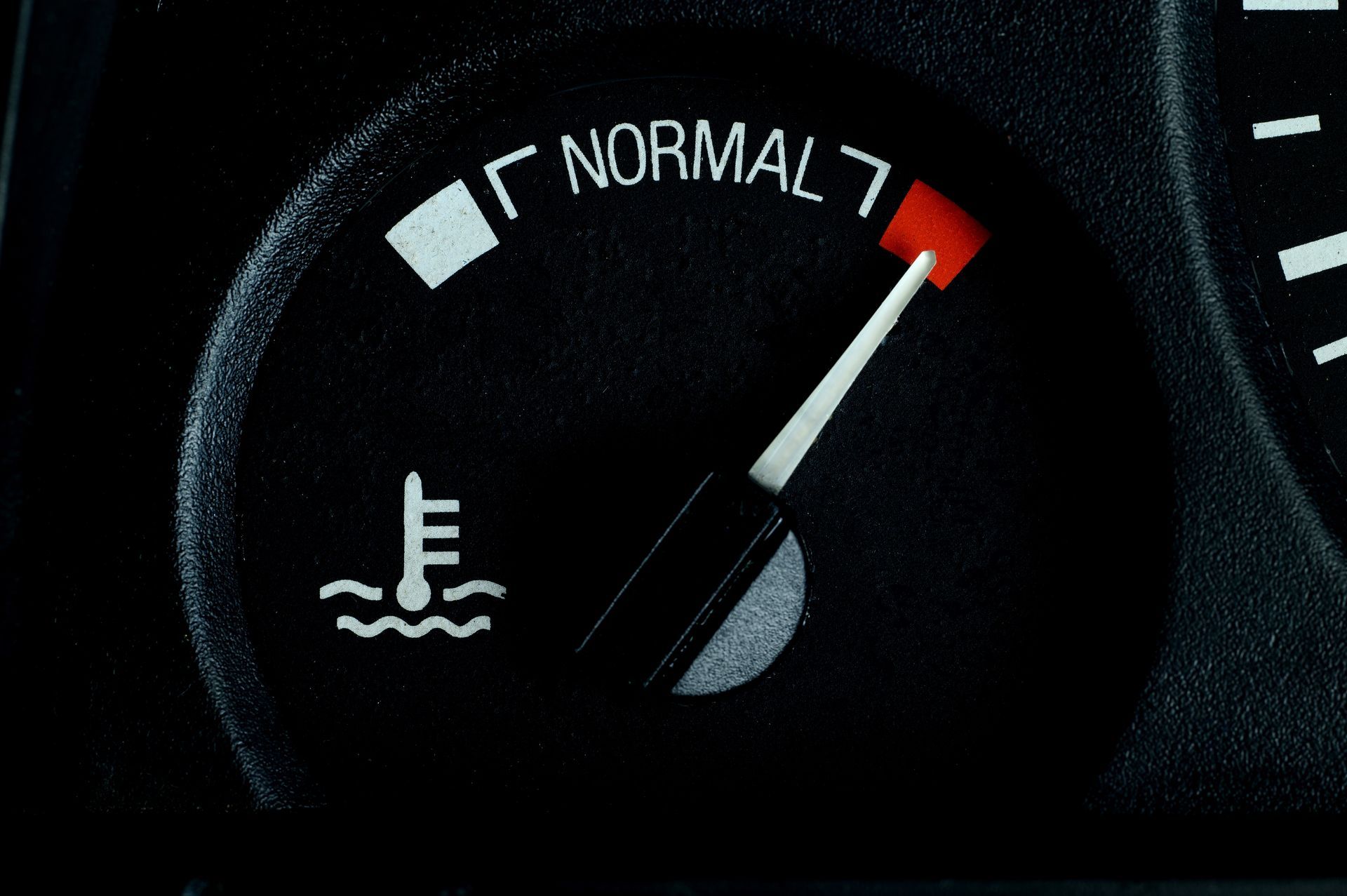
Fluid levels are another key area that winter affects. Coolant plays a major role in regulating engine temperature. If coolant levels are low or the mixture is incorrect, your engine can overheat or freeze in extreme cold. Windshield washer fluid designed for freezing temperatures is also important for maintaining visibility during snow and slush conditions. Ensuring all fluids are topped off and in good condition is part of preparing your vehicle for harsh weather.
Many winter related problems do not show up until temperatures start to rise again. That is why spring inspections are just as important as winter preparation. After months of exposure to salt, cold, and rough roads, your vehicle may need attention even if nothing seems obviously wrong. A professional inspection can uncover worn components before they lead to breakdowns.
Cincinnati drivers depend on their vehicles year round. Winter is simply one of the toughest seasons for your car. Taking a proactive approach to maintenance and repairs can reduce stress, improve safety, and extend the life of your vehicle. It is far easier to handle a battery replacement or suspension repair on your schedule than to deal with an unexpected failure in the middle of bad weather.
If you have noticed changes in how your car starts, drives, or stops this winter, or if you want to make sure everything is in good shape after months of harsh conditions, now is the time to schedule an inspection. At Avid Auto Care, helping Cincinnati drivers navigate winter related vehicle issues is part of the daily routine. A thorough checkup can give you confidence that your car is ready for whatever the next season brings.
Winter may be tough, but with the right attention and care, your vehicle does not have to suffer long term damage. If you want reliable auto repair in Cincinnati and honest answers about your vehicle’s condition, reach out and let Avid Auto Care help you stay ahead of the cold.