

Independent Auto Repair Shops vs. Dealership Service Centers
April 8, 2024

Independent auto repair shops offer several advantages over dealership service centers, making them a great alternative for many vehicle owners.
- Cost-effectiveness: Independent auto repair shops often have lower overhead costs compared to dealerships, allowing for more competitive pricing with services and repairs.
- Personalized Service: Independent auto repair shops typically have smaller teams which allows for a closer relationship with their customers. This can translate to more personalized services, with technicians who take the time to understand the specific needs of each vehicle and its owner.
- Flexibility and agility: Independent shops are generally more flexible in their scheduling and service offerings compared to dealerships, which may have more rigid procedures and timelines. This can also result in quicker turnaround times for repairs and maintenance, helping to minimize vehicle downtime.
- Expertise and specialization: Many independent shops are owned and operated by experienced technicians who have extensive knowledge of various makes and models. They may specialize in certain brands or types of vehicles, offering expertise that rivals or even surpasses dealership technicians.
- Quality of work: Despite common misconceptions, independent shops often provide high-quality service that meets or exceeds dealership standards. Many independent technicians have undergone rigorous training and certification programs, ensuring that they have the skills and expertise to perform even the most complex repairs and maintenance tasks.
- Honest recommendations: Independent shops rely heavily on their reputation and word-of-mouth referrals to attract new customers. This offers more transparency and honesty in their recommendations for repairs and services, which in turn avoid any unnecessary upselling or overcharging.
- Focus on customer satisfaction: Independent shops thrive on providing excellent customer service and building long-term relationships with their clients. They are more likely to go the extra mile to ensure customer satisfaction, whether it’s through warranty guarantees, follow-up support or accommodating special requests.
Overall, while dealership service centers offer certain conveniences and advantages, independent auto repair shops provide a compelling alternative for vehicle owners seeking cost-effective, personalized, and reliable maintenance and repair services.
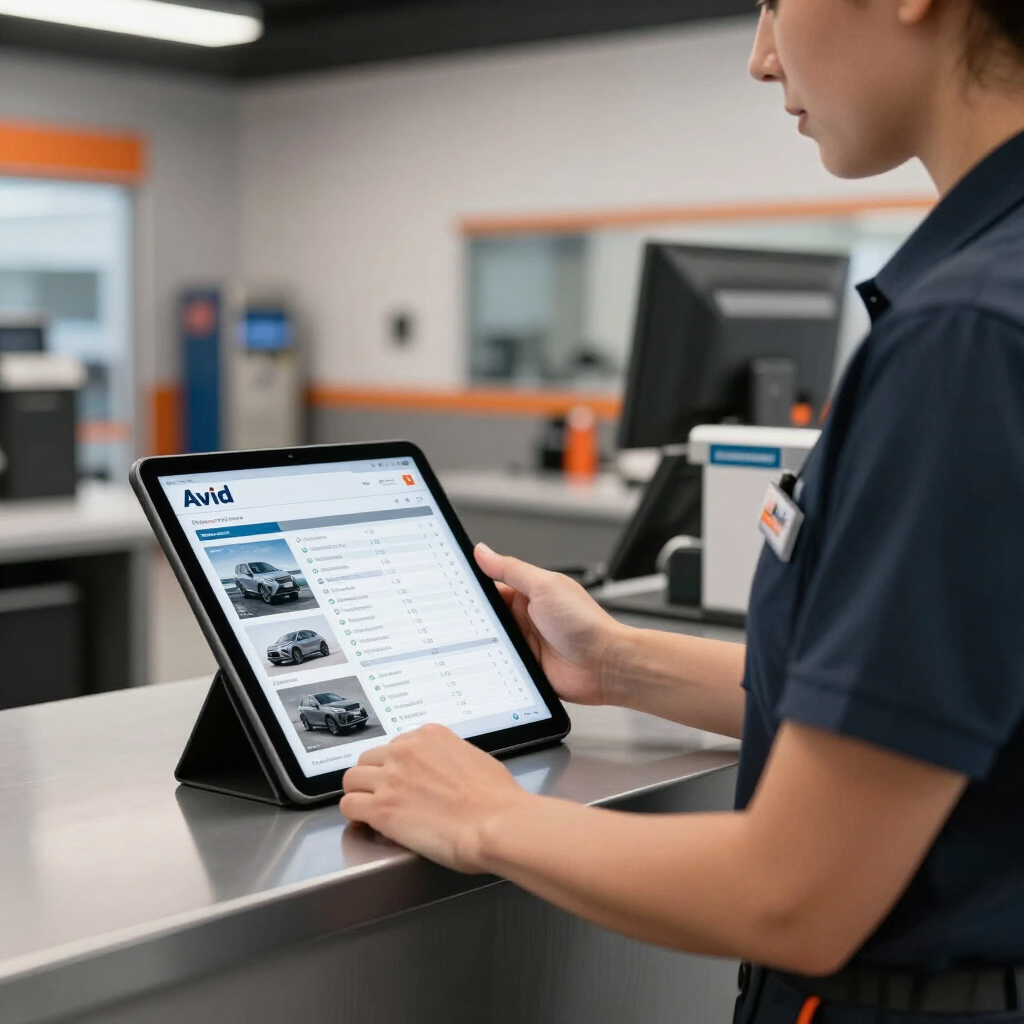
Need several repairs and a tight budget? Learn how affordable car repair in Cincinnati starts with sorting what's urgent from what can be planned.

Daylight saving time ends Nov. 1. Get headlight repair in Cincinnati sorted now, with after-hours drop-off and online booking from Avid Autocare.
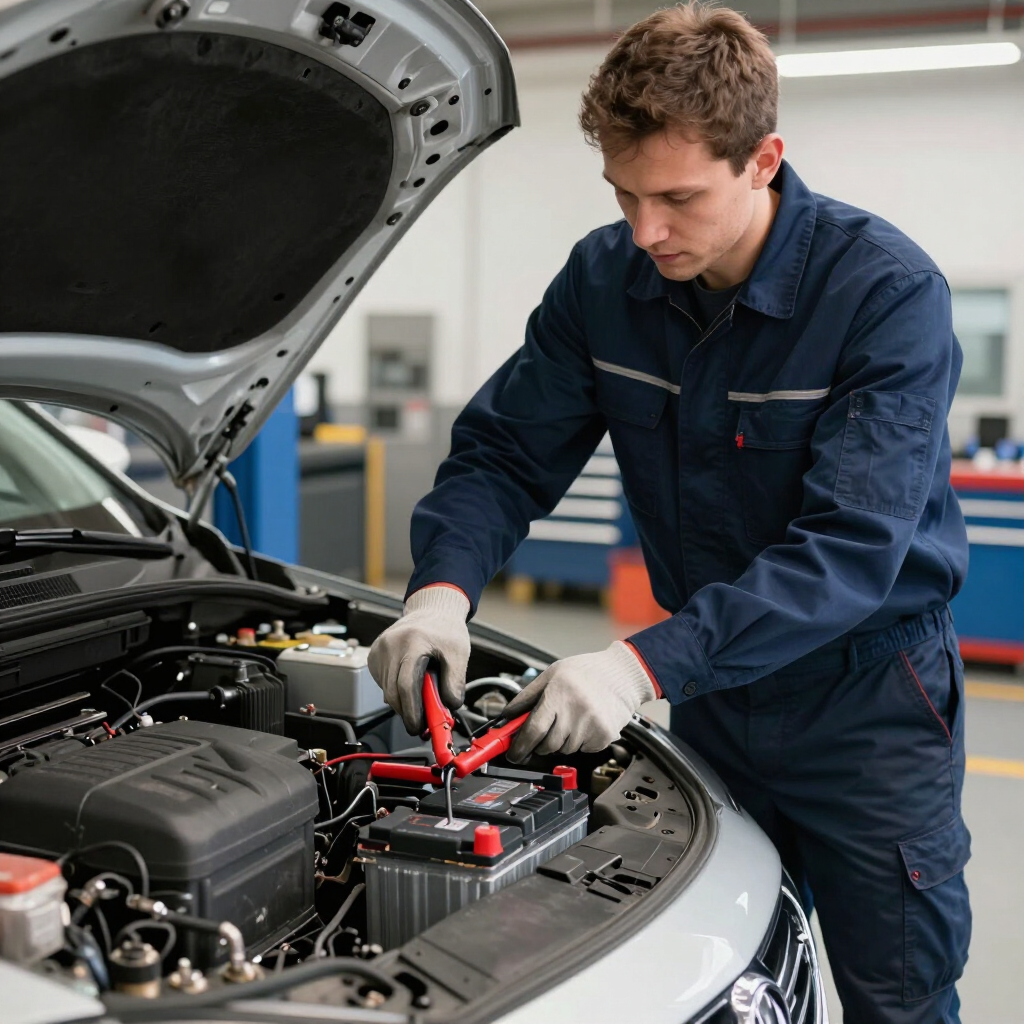
Cold mornings are hard on batteries and alternators. See what a charging system check covers before you need alternator repair in Cincinnati.
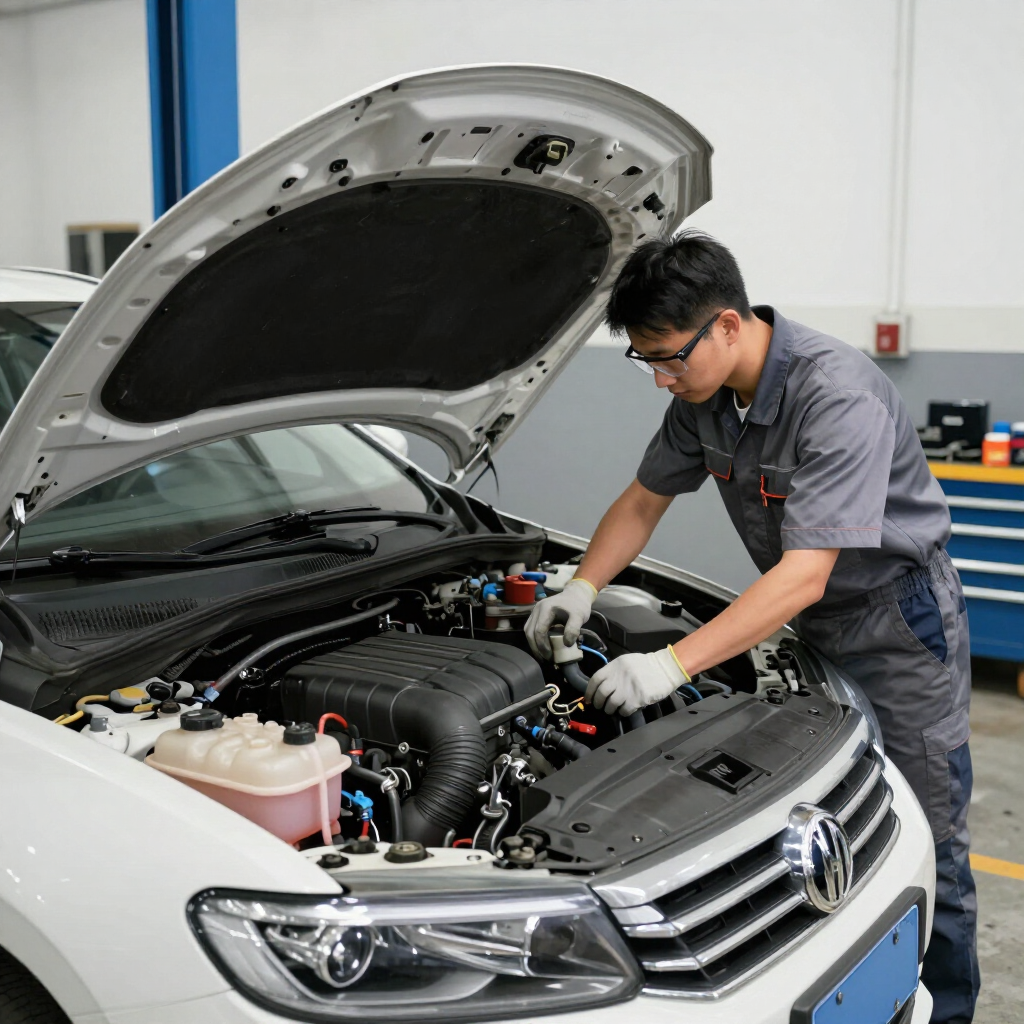
Car heater not working in Cincinnati? Learn what a cold-air heater can point to, when to stop driving, and how Avid Autocare tracks down the cause.
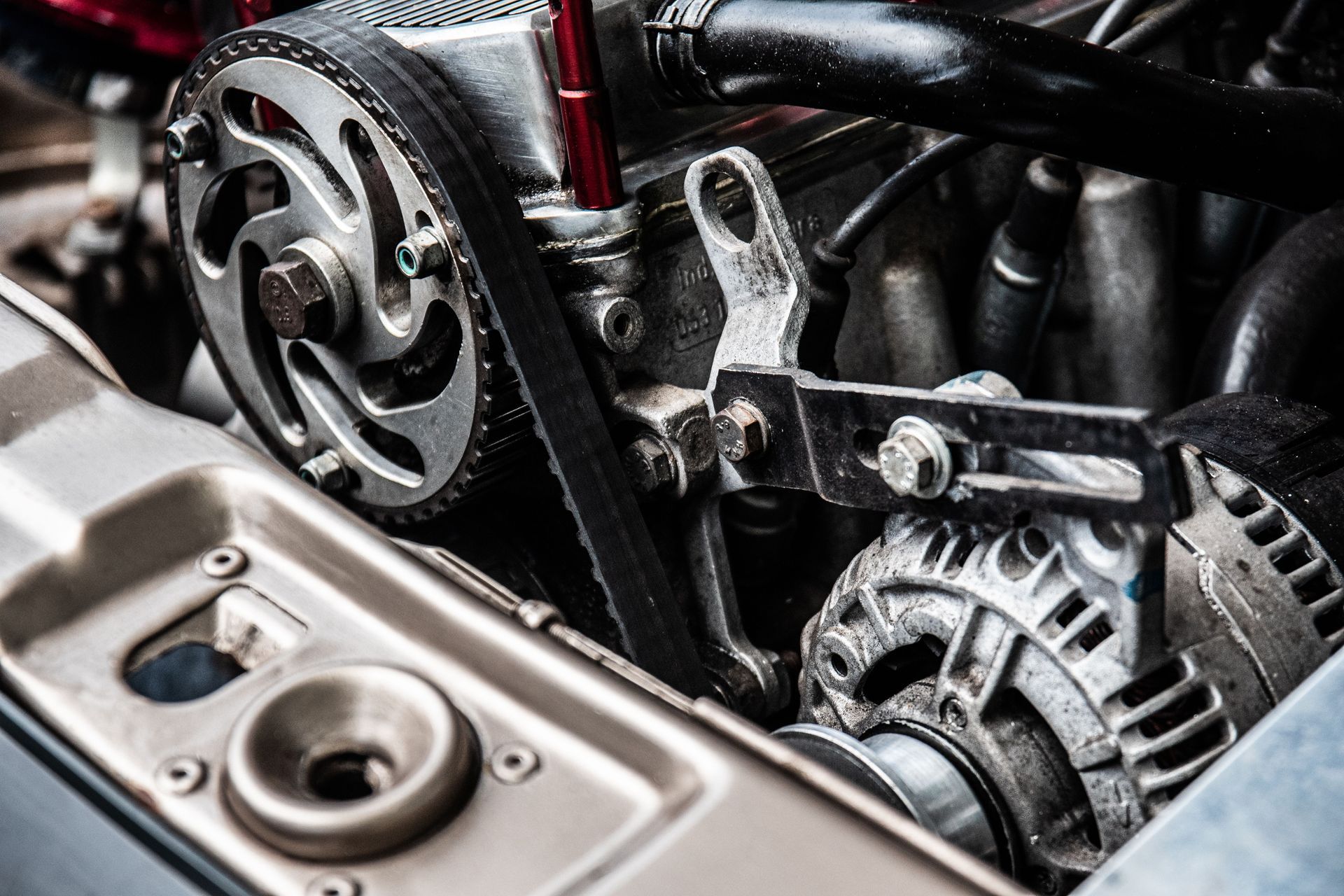
A timing belt is one of the few parts you replace before it fails. Here is how to plan for it instead of reacting to it.

Slipping, hard shifts, or a delay when you put it in gear. Here is what to do first and when to stop driving.

Toyota service in Cincinnati is easy to put off when nothing feels wrong. Here is what to watch for and when to schedule.

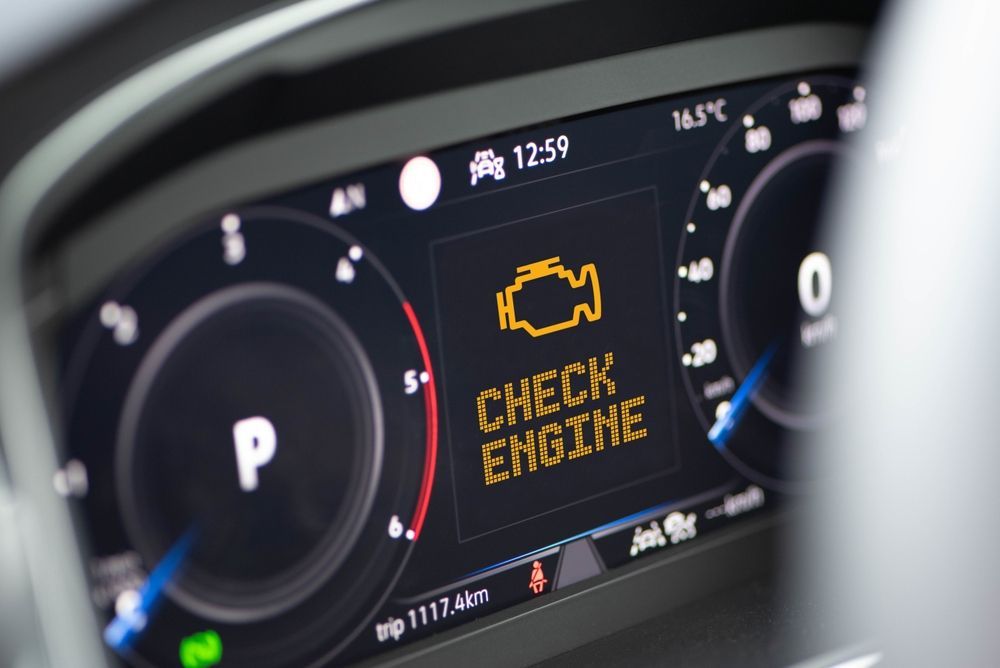
Transmission problems have a reputation for being expensive, which is one reason drivers sometimes avoid dealing with the early symptoms. The problem with that strategy is that transmission concerns rarely improve by themselves. A small leak, abnormal shift, fluid problem, electrical fault, or worn component can become a much larger issue when it is ignored. Your transmission is responsible for transferring engine power to the wheels while keeping the engine operating within an effective range. Modern transmissions are also highly computerized, which means a shifting problem can involve mechanical components, hydraulic pressure, fluid condition, sensors, control modules, or a combination of systems. That is why accurate diagnosis is important before assuming the transmission itself has failed. Pay Attention to Changes in the Way the Car Shifts One of the most common signs of trouble is a noticeable change in shifting behavior. You may feel the vehicle hesitate before moving into drive or reverse, shift much harder than it used to, hold a gear longer than expected, or seem to change gears at unusual times. Some drivers describe the vehicle as surging or jerking during acceleration. Another important symptom is slipping. If engine RPM rises but the vehicle does not accelerate at the same rate, the transmission may not be transferring power normally. Slipping can sometimes be intermittent at first, especially under heavier acceleration, but it deserves professional attention before it becomes more severe. Unusual noises can also provide clues. Whining, humming, clunking, or grinding that changes based on vehicle speed or transmission operation may indicate that something within the drivetrain needs to be inspected. Do Not Ignore Transmission Fluid Leaks Fluid underneath your vehicle should always be investigated, particularly when it may be transmission fluid. The transmission depends on the proper amount and condition of fluid for lubrication, cooling, hydraulic pressure, and normal operation. Driving with the fluid level too low can increase heat and wear and potentially create additional damage. Transmission fluid service requirements also vary significantly by vehicle. There is no single interval or fluid that applies to every make and model. The appropriate approach is to follow the manufacturer's specifications and evaluate the vehicle based on its mileage, service history, operating conditions, and transmission design. A Warning Light Does Not Automatically Mean a New Transmission Modern vehicles monitor transmission operation through electronic control systems. A warning light or stored diagnostic trouble code may indicate a transmission-related concern, but the code itself does not necessarily mean the entire transmission requires replacement. Sensors, wiring, fluid pressure problems, control components, and other faults can create symptoms that feel like a major mechanical failure. Proper diagnosis gives you the information needed to make a rational repair decision instead of assuming the worst. If your vehicle has started shifting differently, hesitating, slipping, leaking fluid, or displaying a transmission-related warning, Avid Autocare can inspect and diagnose the problem. Addressing a change early gives you a better opportunity to understand what is happening before the vehicle becomes difficult or impossible to drive.
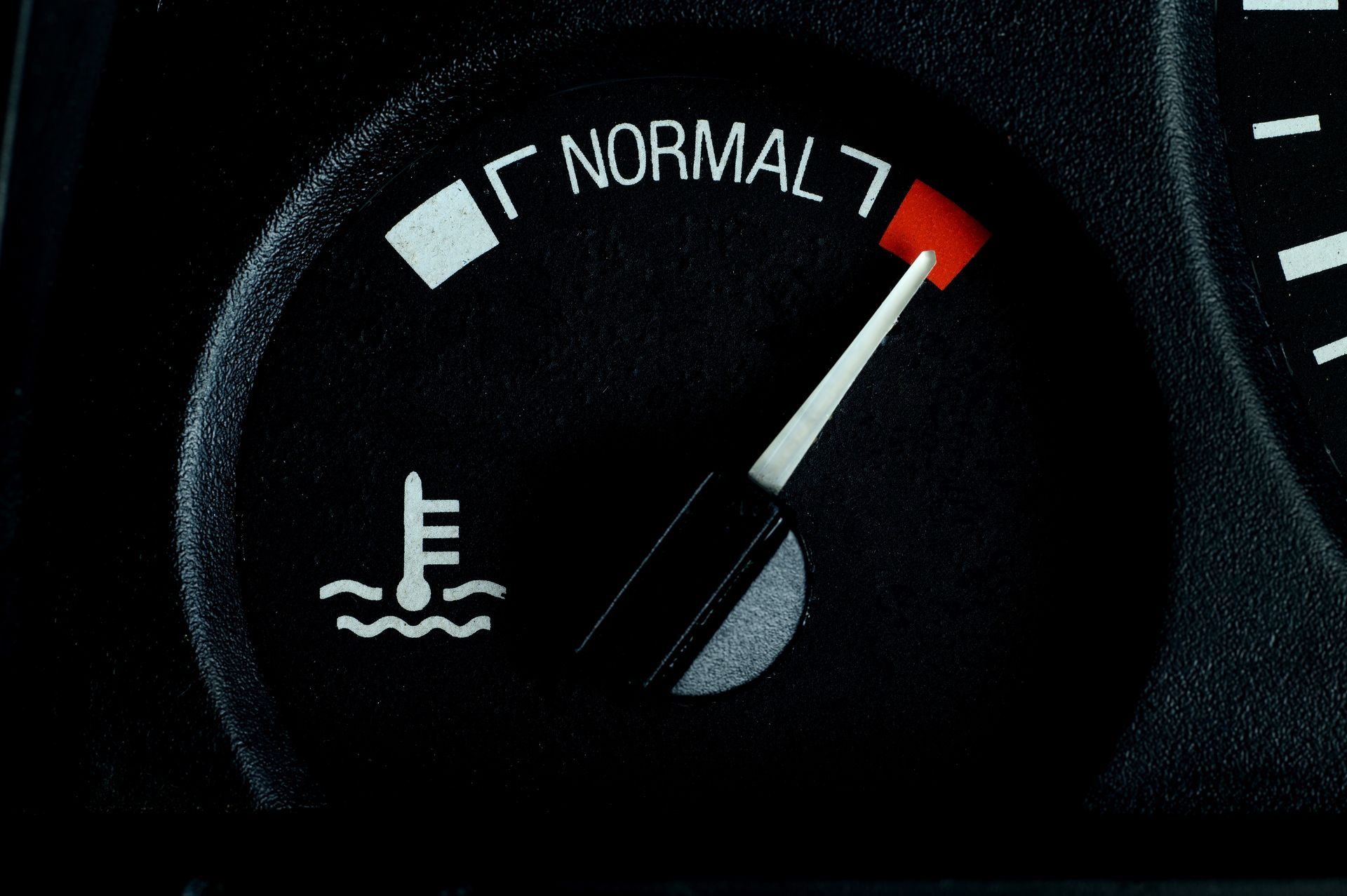
Learn common causes of engine overheating, what to do if your car overheats, and when to schedule cooling system repair in Cincinnati.

