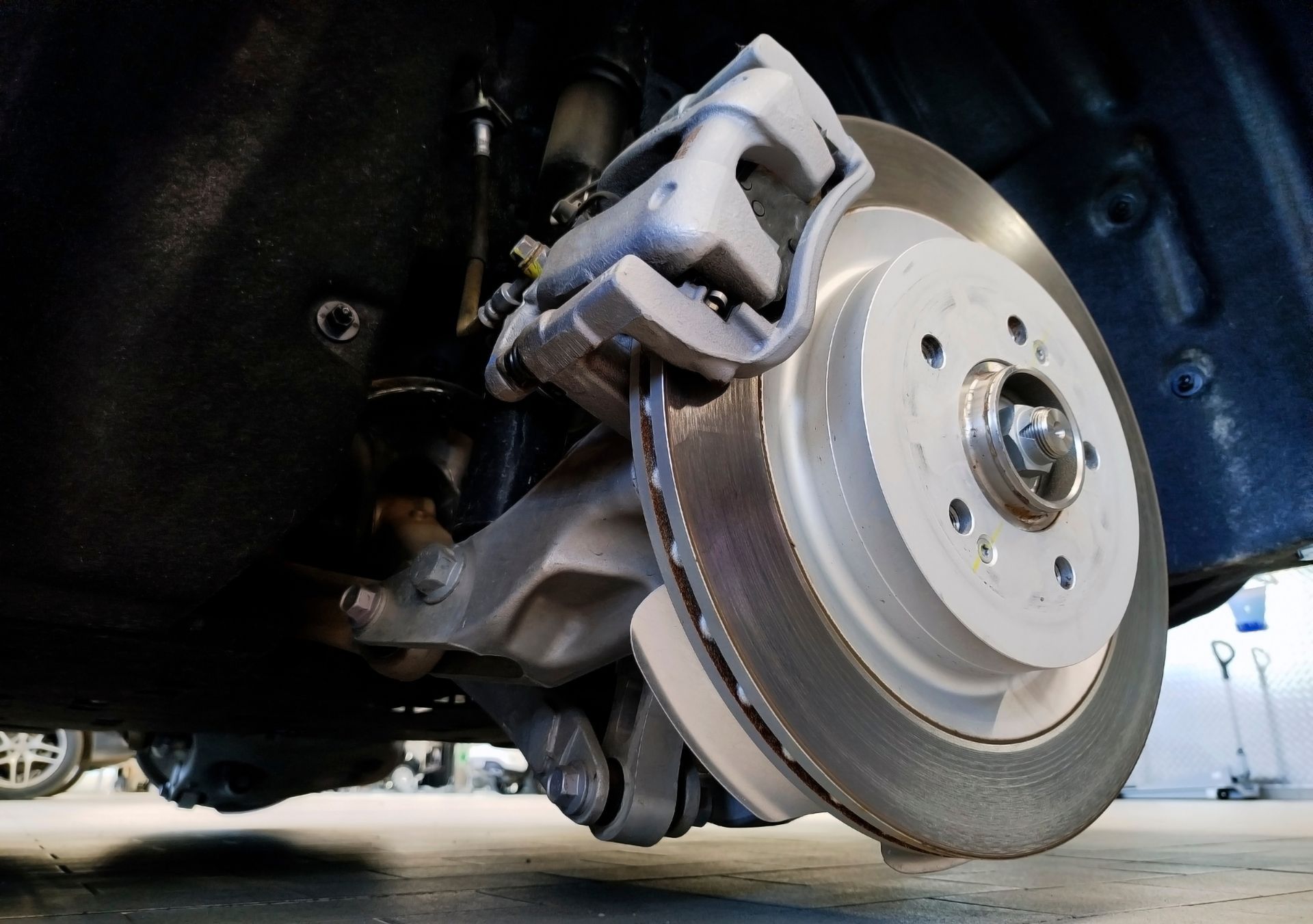

Not Taking Care of Your Car is the Scariest Thing Around
It’s October, now, and Avid Autowerx wants to know: are you taking proper care of your automobile? Are you regularly getting tune-ups with auto mechanics, and inspections to keep you knowledgeable about what your car needs to extend its life? Are you getting ticks, noises and worries checked out? Are you getting auto repair for the issues found in your inspections?
October is a season of harvest, and then decay. The leaves are beginning to turn, and soon, they will fall in great numbers, leaving the trees bare and frightening. The days are getting shorter; soon it will be darker earlier. Spiders are in the peak months of their invasion, creeping into your home.
But you, and your car? This is just another season to weather. Sure, you watch horror movies in the run-up to Halloween and enjoy Pumpkin Spice Everything. Otherwise, your routine just goes on. You get up for work, run your errands, feed the pets, and get the kids where they need to be. Life goes on, as it does in any season.
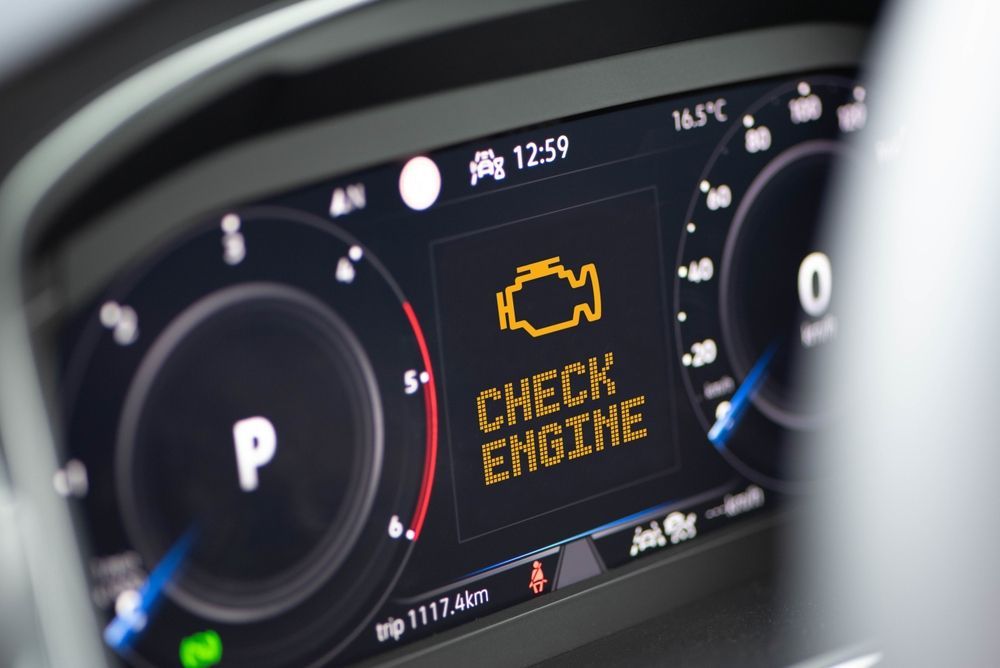
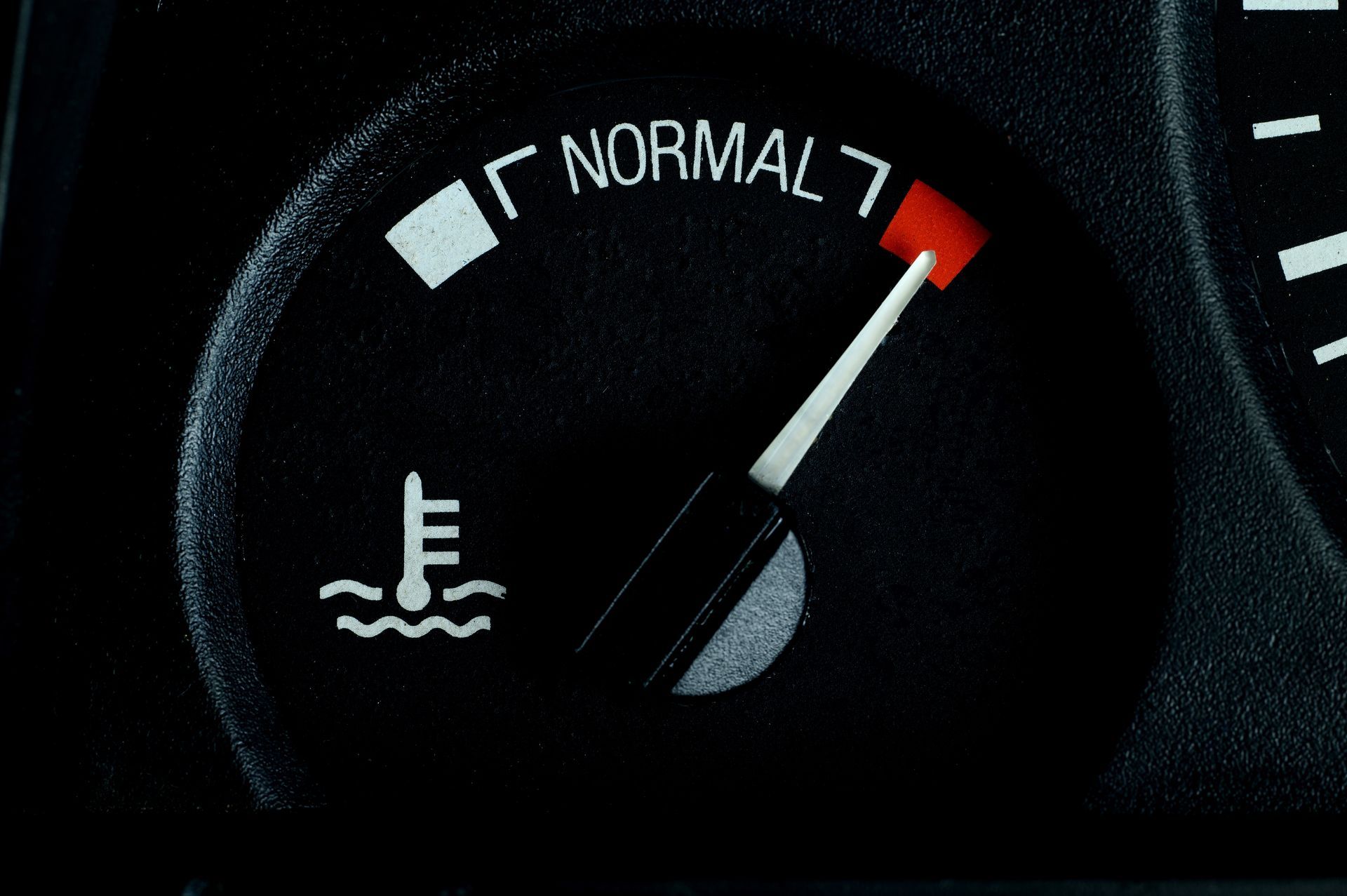
But danger is lurking all around you on your commute. Your car is trying to forewarn you of troubles to come with noises, lights, and disruptions. Will you heed those warnings and take action, or will you ignore them until they terrorize you? You are depending on your car to come through for you. But what are you doing to make sure of that?
We’re here to make the case that ignoring the warnings your car gives you and waiting until your car is damaged to seek an auto mechanic is scarier than anything in a horror movie.
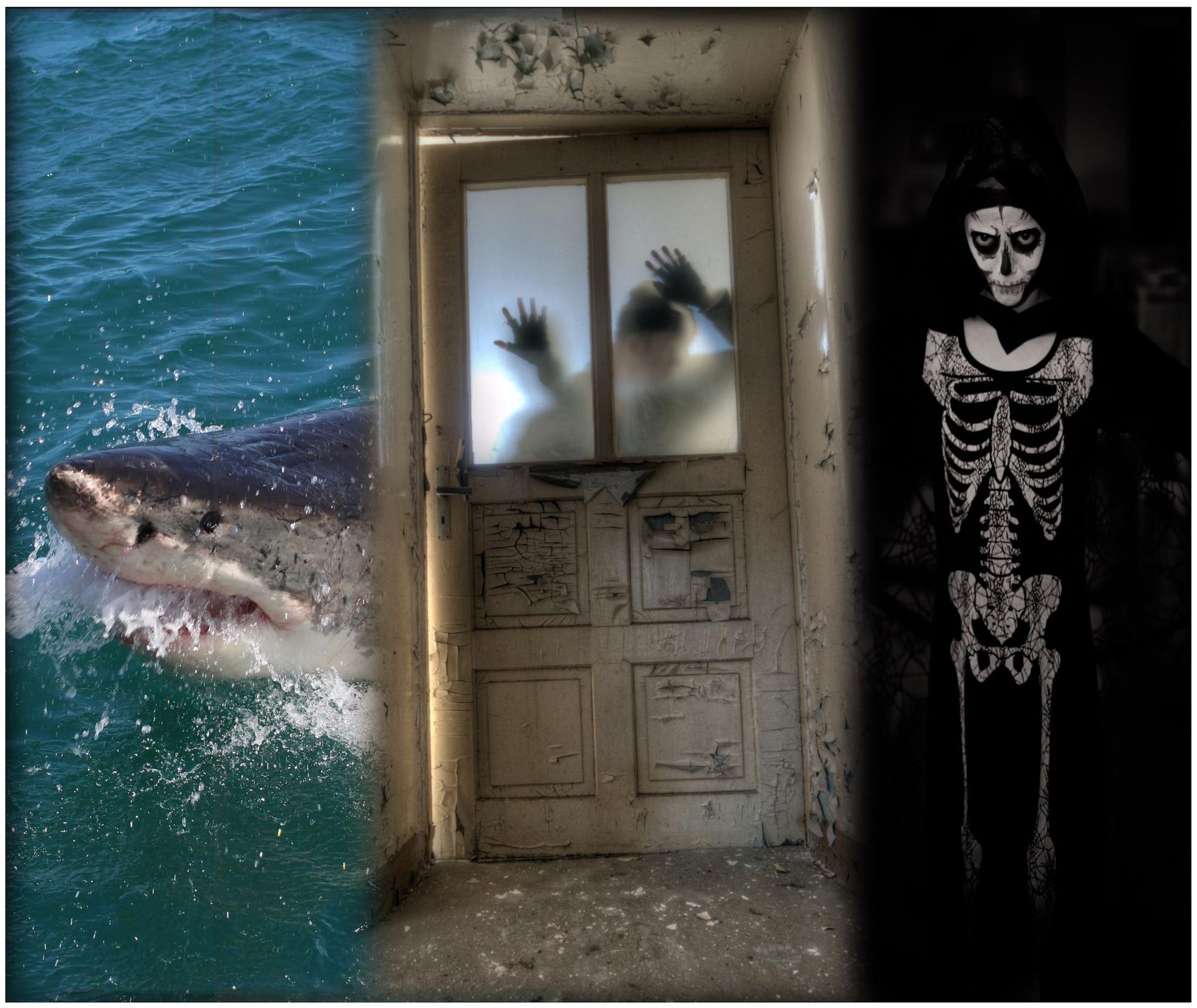
Neglecting your car can produce a number of effects, subtle and gross, that will eventually lead you to costly repairs. Just like tropes in a horror movie, these three tropes of terror will progressively cost you more to repair and replace, if you don’t take the steps to address them when the warning omens appear: The Jump Scare, The Escalating Doom, and The Slow-Creeping Death
The Jump Scare
The
Jump-Scare in a movie is that moment where something leaps out with no warning from the music and frightens you, making your heart jump from your chest to your mouth, and potentially causing you to jump out of your seat in a quiet theater. With your car, a jump-scare is that sudden disaster that could have been prevented, but sadly, wasn’t, and now has put your car in sudden jeopardy, or potentially caused it (or you) serious damage). One well-known Jump Scare in JAWS is when Chief Brody is chumming the water and the great white shark jumps up to scare him (and us):
It’s the little things that can create sudden, horrible events. Like driving on old, worn-out, or treadless tires. Or driving with the Check Tire Pressure light on and not pulling over.
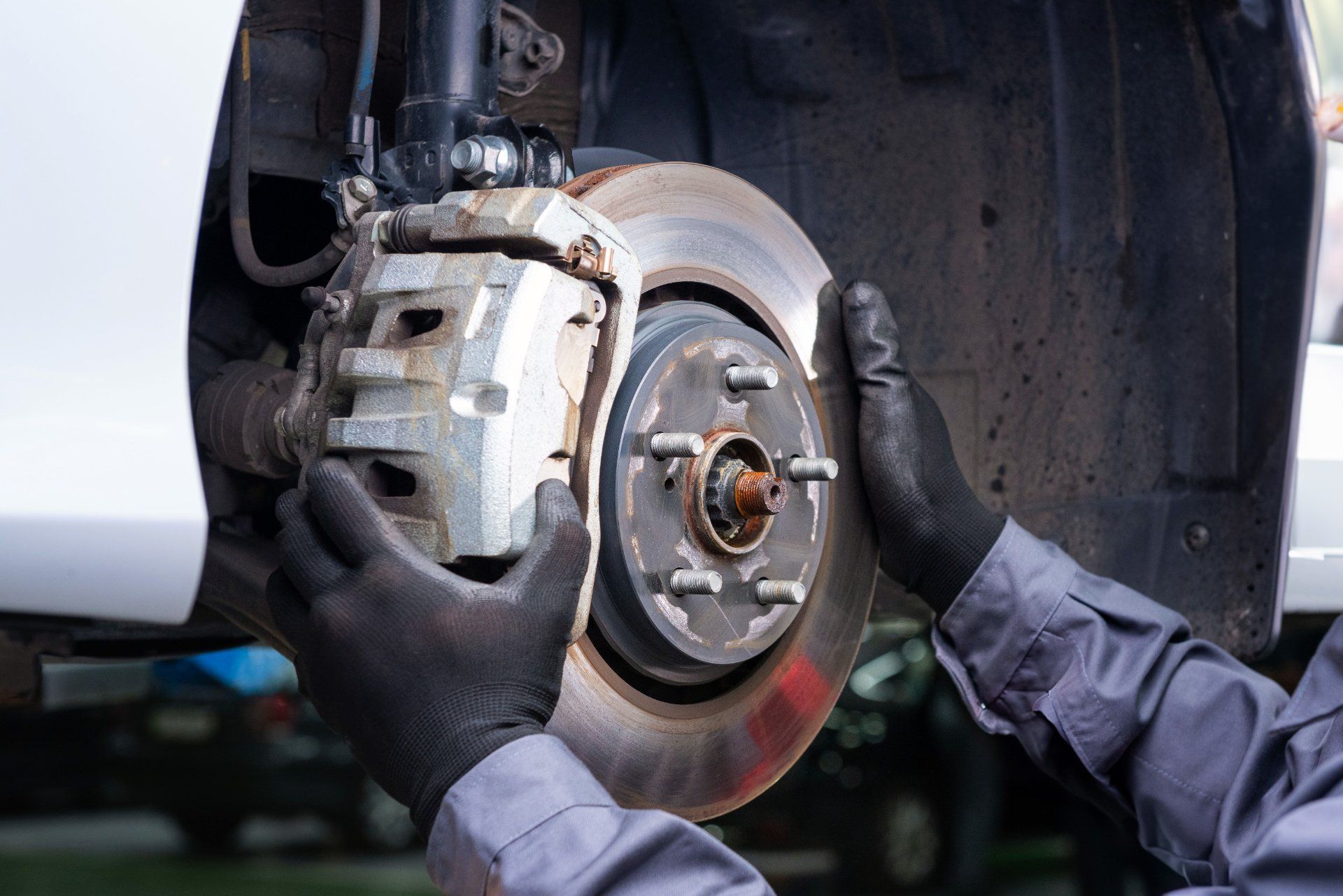
Another Jump Scare in your car would be the car not starting after you’ve ignored signs of battery corrosion on the terminal posts (foaming). Or losing braking power as you rush towards a stoplight with cars ahead of you, after ignoring the squealing of your brakes for weeks. You don’t need that kind of scare to know you are on a wrong path, but when it happens, you will never forget the damage you might have prevented,and the cost you might have curtailed.
The Escalating Doom
The
Escalating Doom is like being caught in the nightmare of George Romero’s NIGHT OF THE LIVING DEAD. You see a zombie, and you run. You find a house to shelter in, but there’s tension in the house from other survivors not getting along and things are volatile. While everyone argues, the house becomes surrounded by hundreds of hungry zombies and they try to break in to eat you. And while you deal with all of these horrors, one of the survivors turns, and suddenly, you’ve got a zombie in the house you're barricaded inside of. You’ve walled yourself in with the monster and now, you will have to fight it.
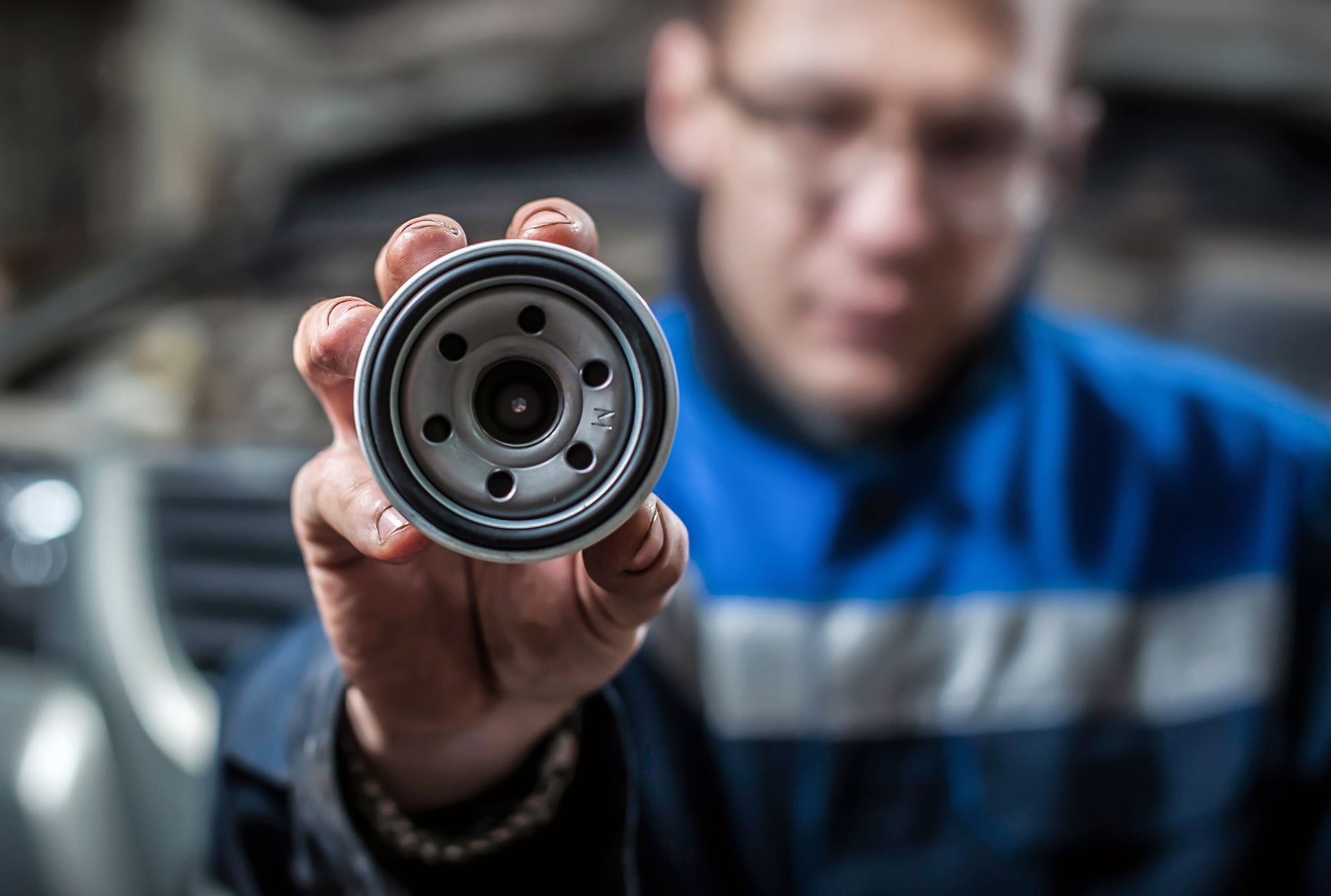
In your car, the escalating Doom is about you facing a fight or flight situation earlier with a problem that comes up, and choosing flight, until you have nowhere to run and you’re trapped. Neglected transmissions and oil changes can be like this. You know you need to do them but you’re on the run, and running from problems instead of planting your feet and dealing with them. An ignored vibration becomes a damaged fuel filter ruining the engine. You ignore the oil and filter until the engine is smoking and you can’t move. Or you ignore the sound of grinding gears until your car will no longer shift gears. This is a larger problem, and it will take a major expense to set it right.
The Slow-Creeping Death
The
Slow-Creeping Death is that problem that you see coming from a long way off to kill your car, but fear of the cost and desperation paralyze you into inaction. It’s like poor Lambert in Ridley Scott’s ALIEN, who suddenly realizes the monster is right behind her but can’t bring herself to move, and it comes closer and closer, arms outstretched, welcoming her into death...
These signs are serious, indications that the problem has been ignored for such a time that it may take a lot of work to save the car at this point:
- A small cloud of smoke at the beginning that has drifted into a cloud in your wake of toxic fumes.
- The transmission is slipping and it is a challenge to get the car in gear.
- The engine makes knocking noises
- Jerky starting and stopping
- Leaking fluids beneath your car when you park it
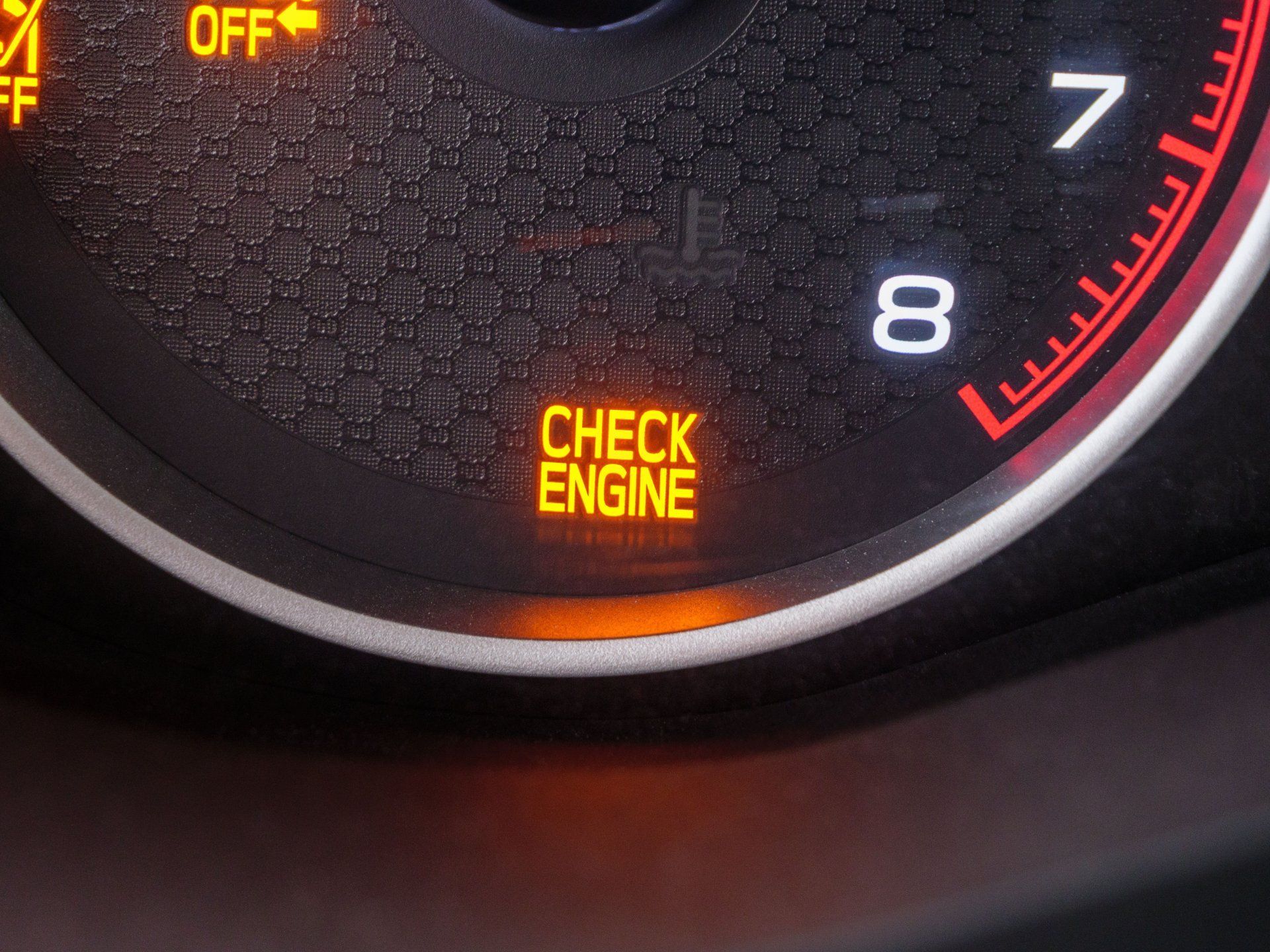
- Engine error lights are lit up.
- You’ve been ignoring multiple recall notices
- Rust is beginning to show
- You’ve just hit a century (100,000 miles) with minimal auto repair visits
Be a Survivor
Who survives a horror film? Traditionally, it’s the Final Girls. They’re virtuous underdogs who make their beds, eat their vegetables, stay faithful to their true loves, and do their homework. And those virtues usually turn out to be their life-saving advantage against the killer. They are the ones who pay attention and heed the signs. They hope for the best, prepare for the worst, and have the mental presence to respond in ways the killer can’t anticipate.
In our analogy, the Final Girl is just like preventative care. When you bring your car in for checkups, you’re arming your car against the hobgoblins of neglect and the gremlins that work their way into your engine block. You’re accepting knowledge of how to defeat your enemy just by being a responsible citizen, the kind of person who brings their car in for regular maintenance and checks out any symptoms of potential problems. And in doing so, you protect both your car, your wallet, and other drivers on the road.
Survive with Avid Autowerx!
If you’re ready for your car to transition from being another victim of circumstance, to being a qualified survivor of road horror,
click this link to schedule an appointment with the auto mechanics at Avid Autowerx today! We’re at 5591 Wooster Pike, Cincinnati, OH 45227. You can call us at (513) 657-2386.