
Oh No! Not the Dreaded Check Engine Light!
September 1, 2020

Imagine this scenario…


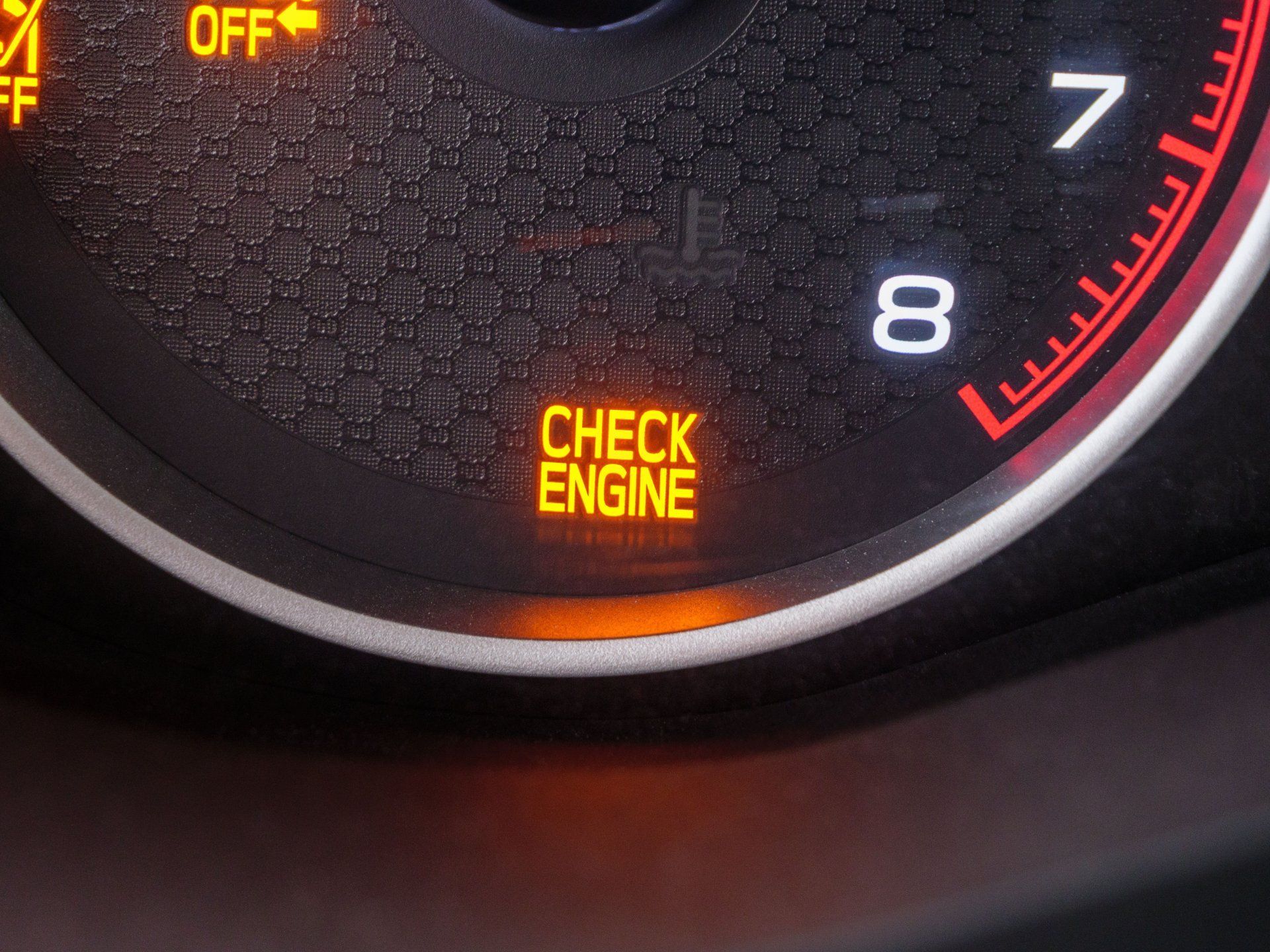
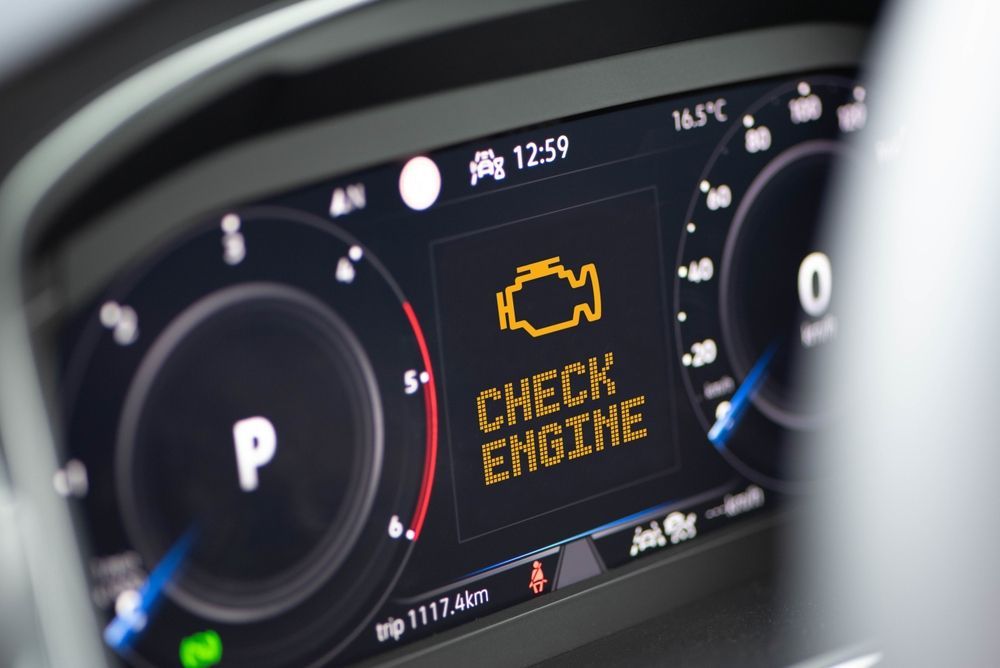
You’re driving in your car and the Check Engine Light comes on. What do you do?


Panic?  No…

Pull over?  Not unless you hear some odd noise or your car starts losing power.

Blow it off?  Well, as tempting as it is...no, you shouldn’t blow it off either.


When many drivers see the Check Engine Light, they will often consider the options listed above. We understand, you’re living a busy life and you don’t have time to deal with the dreaded Check Engine light.


But, here’s what you should do. Contact your favorite auto mechanic, or the Avid Autowerx team, and set an appointment for an inspection.


It’s kind of like scheduling an appointment with your doctor when you have a fever. Something in your body doesn’t feel right. You might put off calling the doctor’s office for a while. But over time, the fever doesn’t go away and you start to show other symptoms. If you keep blowing it off, what could have been healed in a short period of time becomes a bigger illness than you bargained for. The doctor brings you in for a medical examination and you get thorough testing. Then, you get the results that tell you what’s wrong and how to treat it. Hopefully, you reacted in time and you can catch the illness early enough, right?


Well, the Check Engine light is your car trying to tell you something’s wrong. But, the Check Engine light is just one little indicator. The reason you take your vehicle to an auto repair shop when the Check Engine light turns on is because the mechanics will perform a series of tests to diagnose the issue and recommend how to repair it.


Here are some of the various things that trigger the illumination of the Check Engine light:

  1. Loose gas cap -- which is the first thing you should examine when you see the Check Engine light.
  2. Oxygen sensor malfunction.
  3. Catalytic converter malfunction.
  4. Ignition coil malfunction.
  5. Faulty spark plug.
  6. Faulty mass air flow sensor.
  7. Incompatible alarm system.
  8. Leaky hoses and valves.
  9. Bad battery.
  10. Faulty computer modules.


These ten items may seem inconsequential to you at first, but we encourage you to bring your vehicle in for a safety inspection. The truth is this: there could be more reasons the Check Engine light is on, besides these. But, it takes a knowledgeable team of automotive technicians to pinpoint the problem.


Could you, or should you, run to your local auto parts store and have them diagnose the Check Engine light for you? Well, it all depends on your end goal. If you plan to do the work yourself and you have the patience to dive into a multi-faceted diagnostic issue, go for it. If you love to problem-solve, like working with your hands, and don’t mind investing in the equipment to work on your own vehicle, you might enjoy doing the detective work yourself.


However, if you don’t have time or desire to figure out the problem yourself, give it to the experts who are equipped to diagnose the issue efficiently and effectively. Some of our diagnostics tool costs run in the five- and six-figures. Some of the testing results we perform here at Avid Autowerx are a result of our long history of mechanical repair, lessons we’ve learned in technical classes, and tapping into our professional network of problem-solving gurus. After all, if a diagnostic issue is difficult for our professionals to resolve, how are you going to address it without the tools, equipment, and know-how? It may take you much longer than you thought.


In summary, you should bring your vehicle into Avid Autowerx in Cincinnati as soon as possible when your Check Engine light comes on. The chances of it being resolved in short order are high the sooner you bring it in. If we find that the problem behind your Check Engine light is a bigger issue, we will inform you so you can make your car safer, make intelligent decisions, and help your car last longer. The last thing we ever want is for our customers to be broken down on the side of the road, or on a tow truck.


When your vehicle requires maintenance service, the Avid Autowerx team can help. We specialize in high-quality auto repair and will guide you towards options that will help protect your investment. Clients choose us over other shops because of our dedication to always operating with the utmost integrity. When your Check Engine light illuminates your dashboard, contact Avid Autowerx and schedule your
appointment today!

September 21, 2026
Slipping, hard shifts, or a delay when you put it in gear. Here is what to do first and when to stop driving.
September 7, 2026
Toyota service in Cincinnati is easy to put off when nothing feels wrong. Here is what to watch for and when to schedule.
August 24, 2026
Transmission problems have a reputation for being expensive, which is one reason drivers sometimes avoid dealing with the early symptoms. The problem with that strategy is that transmission concerns rarely improve by themselves. A small leak, abnormal shift, fluid problem, electrical fault, or worn component can become a much larger issue when it is ignored. Your transmission is responsible for transferring engine power to the wheels while keeping the engine operating within an effective range. Modern transmissions are also highly computerized, which means a shifting problem can involve mechanical components, hydraulic pressure, fluid condition, sensors, control modules, or a combination of systems. That is why accurate diagnosis is important before assuming the transmission itself has failed. Pay Attention to Changes in the Way the Car Shifts One of the most common signs of trouble is a noticeable change in shifting behavior. You may feel the vehicle hesitate before moving into drive or reverse, shift much harder than it used to, hold a gear longer than expected, or seem to change gears at unusual times. Some drivers describe the vehicle as surging or jerking during acceleration. Another important symptom is slipping. If engine RPM rises but the vehicle does not accelerate at the same rate, the transmission may not be transferring power normally. Slipping can sometimes be intermittent at first, especially under heavier acceleration, but it deserves professional attention before it becomes more severe. Unusual noises can also provide clues. Whining, humming, clunking, or grinding that changes based on vehicle speed or transmission operation may indicate that something within the drivetrain needs to be inspected. Do Not Ignore Transmission Fluid Leaks Fluid underneath your vehicle should always be investigated, particularly when it may be transmission fluid. The transmission depends on the proper amount and condition of fluid for lubrication, cooling, hydraulic pressure, and normal operation. Driving with the fluid level too low can increase heat and wear and potentially create additional damage. Transmission fluid service requirements also vary significantly by vehicle. There is no single interval or fluid that applies to every make and model. The appropriate approach is to follow the manufacturer's specifications and evaluate the vehicle based on its mileage, service history, operating conditions, and transmission design. A Warning Light Does Not Automatically Mean a New Transmission Modern vehicles monitor transmission operation through electronic control systems. A warning light or stored diagnostic trouble code may indicate a transmission-related concern, but the code itself does not necessarily mean the entire transmission requires replacement. Sensors, wiring, fluid pressure problems, control components, and other faults can create symptoms that feel like a major mechanical failure. Proper diagnosis gives you the information needed to make a rational repair decision instead of assuming the worst. If your vehicle has started shifting differently, hesitating, slipping, leaking fluid, or displaying a transmission-related warning, Avid Autocare can inspect and diagnose the problem. Addressing a change early gives you a better opportunity to understand what is happening before the vehicle becomes difficult or impossible to drive.
By VIV Builder August 17, 2026
Learn common causes of engine overheating, what to do if your car overheats, and when to schedule cooling system repair in Cincinnati.
By VIV Builder August 10, 2026
Prepare for your next road trip with a pre-trip vehicle inspection. Learn what to check before traveling from Cincinnati.
By Admin August 3, 2026
Your vehicle’s braking system is one of its most important safety systems. However, brake pads and other braking components wear gradually, which can make it difficult to recognize when service is needed.
By Admin July 27, 2026
Check engine light on? Learn common causes, when it's safe to drive, and when to schedule diagnostics at Avid Autocare in Cincinnati.
By VIV Builder July 23, 2026
Learn how preventive maintenance helps Cincinnati drivers avoid breakdowns, reduce repair costs, and keep vehicles reliable longer.
By VIV Builder July 20, 2026
Learn the warning signs of brake problems and when Cincinnati drivers should schedule a brake inspection or repair to stay safe.