
Brake Pads vs. Rotors: What Cincinnati Drivers Need to Know
When most people think about brake service, they usually think about brake pads. That makes sense because brake pads are one of the most common brake parts to replace, and they are designed to wear down over time. But your brake pads are only one part of the braking system. Your rotors are just as important, and if they are worn, warped, or damaged, replacing the pads alone may not fully solve the problem. That is why it helps to understand the difference between brake pads and rotors before you schedule brake service or try to figure out why your vehicle is making noise, shaking, or not stopping the way it should.
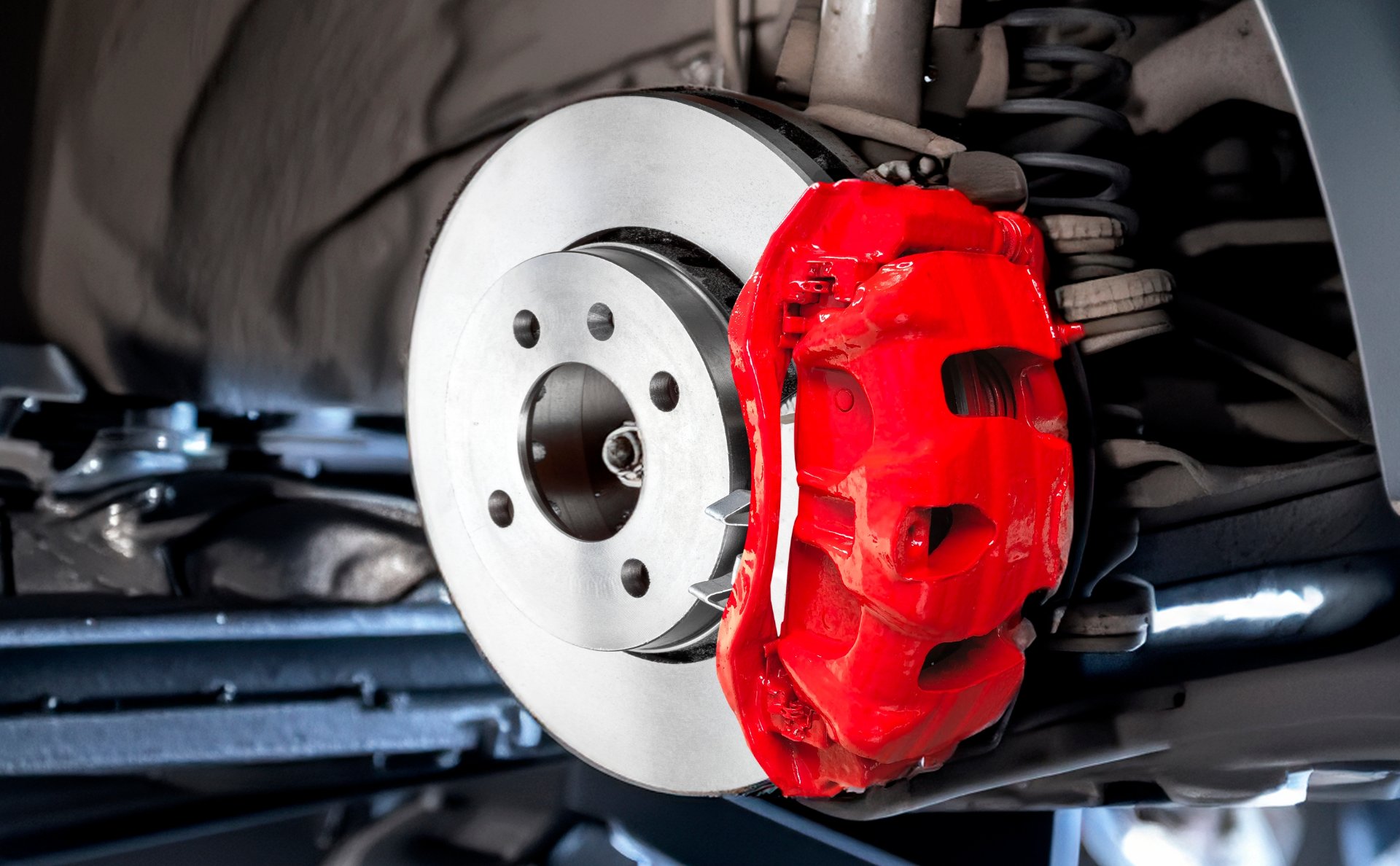
Your brake pads are the parts that press against the rotors when you hit the brake pedal. That friction is what slows your vehicle down and eventually brings it to a stop. Every time you brake, the pads give up a little bit of material. Over time, they get thinner and eventually need to be replaced. This is normal maintenance, not a sign that anything is wrong. The key is replacing them before they wear down too far, because once the pad material is gone, other parts of the braking system can start taking damage.
Your rotors are the metal discs that the brake pads clamp down on. If you look through the wheel on many vehicles, you can usually see the rotor sitting behind it. Rotors have to stay smooth, even, and thick enough to handle heat and friction. When they are in good shape, braking feels steady and controlled. When they are worn or warped, you may feel vibration, hear grinding, or notice that the vehicle does not stop as smoothly as it used to. Since the pads and rotors work together, one worn part can affect the other.
A lot of drivers ask whether they can replace brake pads without replacing the rotors. Sometimes the answer is yes. If the rotors are still thick enough, smooth enough, and not damaged, new pads may be all the vehicle needs. But if the rotors are grooved, warped, too thin, rusted, or uneven, putting new pads on old rotors can lead to noise, vibration, poor braking, and faster pad wear. In other words, the cheapest brake job upfront is not always the best long-term decision. The right repair depends on what the parts actually look like during inspection.
One of the clearest signs that your brake pads may be worn is a squeaking or squealing sound. Many brake pads are designed with a small wear indicator that makes noise when the pad material gets low. This sound is basically an early warning that it is time to have your brakes checked. If you catch it early, you may be able to replace the pads before the rotors are damaged. If you ignore it and keep driving, the noise can turn into grinding, and grinding usually means the repair is becoming more serious.
Grinding is a sign you should take seriously. If your brakes grind when you stop, there may not be much pad material left. At that point, metal may be contacting metal, which can damage the rotors quickly. Once rotors are deeply scored or worn beyond safe limits, they may need to be replaced. This is one of the main reasons brake inspections matter. Replacing pads on time can help protect the rotors, but waiting too long can turn a simple brake pad replacement into a larger brake repair.
Vibration when braking is another common rotor-related symptom. If your steering wheel shakes or the brake pedal pulses when you slow down, especially at higher speeds, your rotors may be warped or uneven. This can happen because of heat, heavy braking, worn brake components, or normal wear over time. Sometimes drivers describe it as a shaking feeling when coming off the highway or braking downhill. If that sounds familiar, it is a good idea to have the brakes inspected before the issue gets worse.
Brake pulsation can also make the vehicle feel less controlled. You want your brakes to feel smooth and predictable every time you press the pedal. If the pedal pulses, the steering wheel shakes, or the vehicle feels like it is shuddering, that is your sign that something is not right. It may be the rotors, it may be uneven pad wear, or it may be another brake or suspension issue. The important thing is to get a clear diagnosis instead of guessing.
Another thing to understand is that rotors wear down too. Even though they are metal, they do not last forever. Every time the pads press against them, heat and friction wear away a small amount of rotor material. Over time, rotors can become too thin to safely reuse. If a rotor is below its minimum thickness, it should be replaced. A shop should not simply put new pads on rotors that are too thin, because the braking system needs the right amount of material to handle heat and stop the vehicle safely.
Rust can also affect rotors, especially in areas with rain, humidity, road salt, and changing weather. A little surface rust can be normal if the vehicle sits for a while, and it may clean off after driving. But deeper rust, pitting, or uneven rotor surfaces can create noise, vibration, and poor brake performance. If your vehicle has been sitting, or if you notice scraping or grinding after it has not been driven for a while, it is worth having the brakes checked.
Brake pads also come in different quality levels. Cheaper pads may save money upfront, but they can create more noise, wear faster, produce more brake dust, or not perform as well under heat. Quality brake pads are important because they affect how the vehicle feels every time you stop. The same is true for rotors. A good brake repair is not just about replacing parts. It is about using the right parts, installing them correctly, and making sure the full braking system is working the way it should.
This is where a proper brake inspection makes all the difference. At Avid Autocare in Cincinnati, the goal is not to guess or sell you parts you do not need. The goal is to inspect the brake pads, rotors, fluid, calipers, and related components so you know exactly what is going on. If your pads are worn but your rotors are still in good shape, you can make a confident decision. If the rotors are warped, damaged, or too thin, you will know why replacing them matters. That kind of clarity helps you avoid both under-repairing and overspending.
It is also helpful to think about brake service as part of your overall vehicle safety, not just another maintenance item. Good brakes affect more than stopping at a red light. They matter when someone cuts you off, when traffic suddenly slows down, when roads are wet, and when you are driving with family in the vehicle. You do not want to find out your brakes are worn when you need them most. Catching brake issues early gives you more control and more peace of mind.
If you are hearing squeaking, grinding, scraping, or feeling vibration when you brake, do not wait for the problem to become obvious. Brake issues usually become more expensive the longer they are ignored. What starts as worn pads can turn into damaged rotors. What starts as a small vibration can turn into a rougher, less predictable stop. A quick inspection can help you figure out whether you need pads, rotors, both, or something else entirely.
If you are not sure what your vehicle needs, that is exactly when it makes sense to bring it in. Avid Autocare can take a look, explain what they find, and help you make the right call based on the condition of your brakes. You do not have to know whether it is the pads, rotors, calipers, or fluid before scheduling. You just need to know that something feels or sounds different.
Your brake pads and rotors work together every time you drive. When both are in good condition, your vehicle stops smoothly, safely, and consistently. When one part is worn or damaged, the whole system can be affected. If your brakes are making noise, shaking, or not feeling as strong as they used to, schedule a brake inspection with Avid Autocare in Cincinnati. It is a simple way to protect your vehicle, avoid bigger repairs, and feel more confident every time you press the brake pedal.