
How to Know When Your Brakes Need Replaced Before They Become Unsafe
Most drivers do not think about their brakes until something feels wrong. Maybe you hear a squeak when you pull into your driveway, or the brake pedal feels a little softer than it used to. Maybe your steering wheel shakes when you slow down on the highway, or your car just does not stop as smoothly as it once did. It is easy to ignore these signs for a few days or weeks, especially when the vehicle still technically stops. The problem is that brake issues usually do not fix themselves. They tend to get worse over time, and the longer you wait, the more likely a small repair can turn into a bigger safety concern or a more expensive job.
Your braking system is one of the most important safety systems on your vehicle. Every time you drive through Cincinnati traffic, stop at a light, pull into a parking lot, drive in the rain, or slow down on a hill, your brakes are doing a lot of work. Because they wear down gradually, it can be hard to notice the difference from one day to the next. You may not realize how much stopping power you have lost until you need to stop quickly. That is why knowing the early warning signs of worn brakes is so important. If you can catch brake problems before they become serious, you can protect yourself, your passengers, and your vehicle.
One of the most common signs that your brakes may need attention is a squeaking or squealing sound. This noise often happens when the brake pads are wearing down and the built-in wear indicator starts making contact. In simple terms, your vehicle is trying to tell you it is time to have the brakes checked. Some brake noise can happen because of moisture, dust, or temperature changes, but if the sound keeps coming back, it is worth taking seriously. A quick brake inspection can tell you whether you still have life left in the pads or whether it is time for replacement.
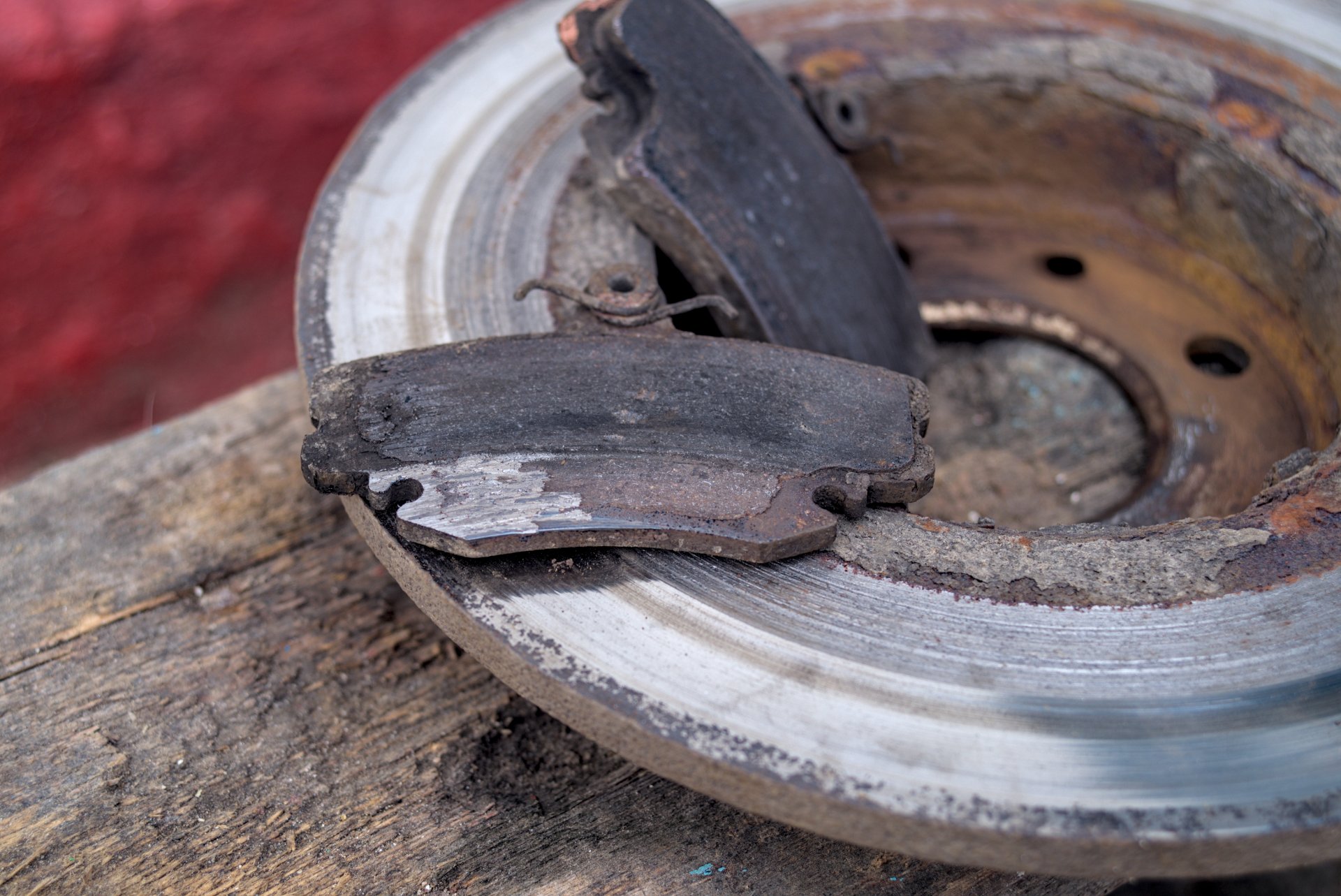
Grinding is a much bigger warning sign. If you hear a grinding sound when you press the brake pedal, you should not put it off. Grinding can mean the brake pads have worn down so far that metal is contacting metal. At that point, the rotors may be getting damaged, which can make the repair more expensive than it needed to be. A brake pad replacement is one thing. Replacing pads, rotors, and other damaged components is another. If your brakes are grinding, it is a good idea to schedule service as soon as possible and avoid unnecessary driving until the issue is inspected.
Another sign to watch for is vibration when braking. If your steering wheel shakes, your brake pedal pulses, or the vehicle feels like it is shuddering when you slow down, your rotors may be warped or unevenly worn. This can happen over time from heat, heavy braking, worn brake components, or normal wear and tear. Vibration is not just annoying. It can affect how smoothly and consistently your vehicle stops. If you notice shaking when braking, especially at higher speeds, it is time to have your brake system looked at by a professional.
Your brake pedal can also tell you a lot. If the pedal feels soft, spongy, or sinks closer to the floor than normal, there may be an issue with brake fluid, air in the brake lines, worn components, or another hydraulic problem. On the other hand, if the pedal feels unusually hard or you have to press much more firmly than usual, that is also something that should be inspected. Any major change in how your brake pedal feels is worth paying attention to because it directly affects your ability to stop safely.
You may also notice your vehicle pulling to one side when you brake. This can happen for a few different reasons, including uneven brake pad wear, a sticking caliper, tire issues, suspension problems, or alignment concerns. The important thing is not to guess. If your car pulls left or right while braking, that means something is not working evenly. Brakes should feel controlled and predictable. When they do not, an inspection can help find the real cause before it creates more wear or becomes a safety issue.
Longer stopping distance is another sign that can sneak up on you. You may start to feel like you need more room to stop than you used to, or you may find yourself pressing the brake pedal earlier than normal. This can happen when brake pads are worn, rotors are damaged, tires are worn, or the overall braking system is not performing as it should. Since tires and brakes work together to stop your vehicle, it is often smart to have both checked at the same time. If your vehicle does not feel as responsive when stopping, do not wait until you have a close call to get it inspected.
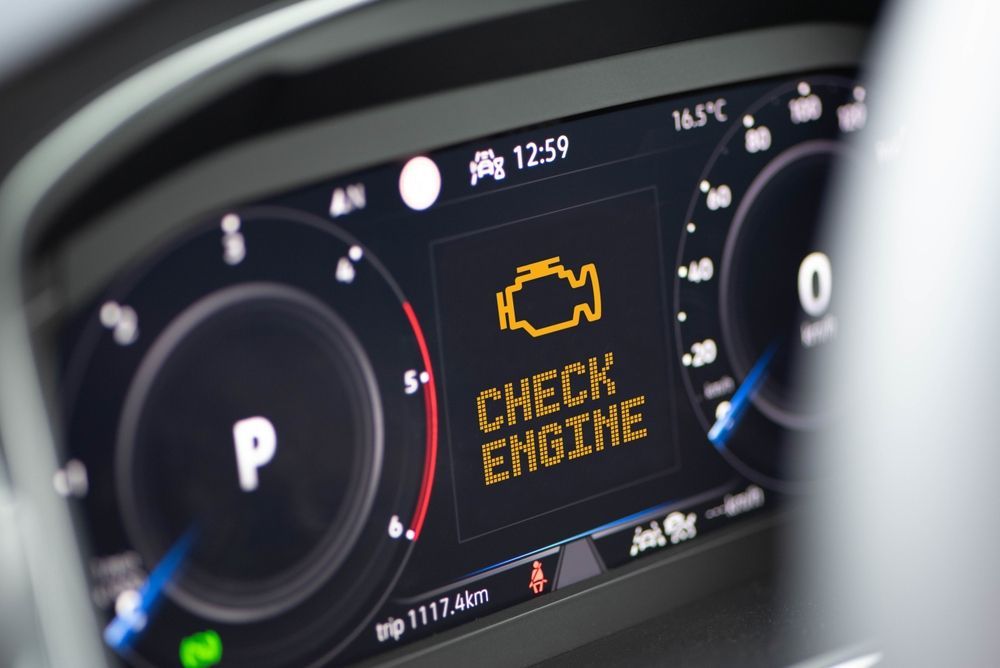
Brake warning lights should never be ignored either. If your brake light, ABS light, or another warning light appears on the dashboard, your vehicle is alerting you that something needs attention. Sometimes it may be a simple sensor or fluid issue. Other times it may point to a more serious problem with the braking system. Either way, warning lights are there for a reason. Getting the vehicle scanned and inspected can help you avoid guessing and give you a clear answer on what needs to happen next.
One of the biggest mistakes drivers make is assuming that brake problems can wait because the vehicle still stops. While that may be true today, worn brakes can become unpredictable. Wet roads, sudden stops, heavy traffic, and highway driving all put more pressure on the braking system. If your brakes are already worn or damaged, those moments can become more dangerous than they need to be. Taking care of brake issues early is not about overreacting. It is about keeping your vehicle dependable and preventing a small issue from becoming a bigger one.
It is also important to remember that brake service is not always the same for every vehicle. Some cars may only need new brake pads. Others may need rotors replaced or resurfaced. Some may have caliper issues, fluid problems, or uneven wear caused by another part of the vehicle. That is why a proper inspection matters. You do not want to replace parts blindly, and you also do not want to ignore something important. A good shop will look at the full braking system, explain what they found, and help you understand what is urgent and what can be planned for later.
At Avid Autocare in Cincinnati, the goal is to help drivers make confident decisions about their vehicles. If your brakes are making noise, vibrating, pulling, feeling soft, or simply not stopping the way they used to, it is worth having them checked. You do not have to wait until something feels dangerous. A brake inspection can give you peace of mind and help you understand exactly what your vehicle needs.
If you are not sure whether your brakes need replaced, that is exactly the right time to bring your vehicle in. Avid Autocare can inspect your brake pads, rotors, fluid, and related components so you know where things stand. If everything looks good, you can drive away with confidence. If something needs attention, you can take care of it before it turns into a bigger repair. Either way, you get a clear answer instead of guessing every time you press the brake pedal.
Your brakes are too important to ignore. If something feels off, sounds different, or has been bothering you for a while, schedule a brake inspection with Avid Autocare in Cincinnati. It is a simple step that can make your vehicle safer, smoother, and more dependable every time you get behind the wheel.