
Do I Need New Tires or Just an Alignment?
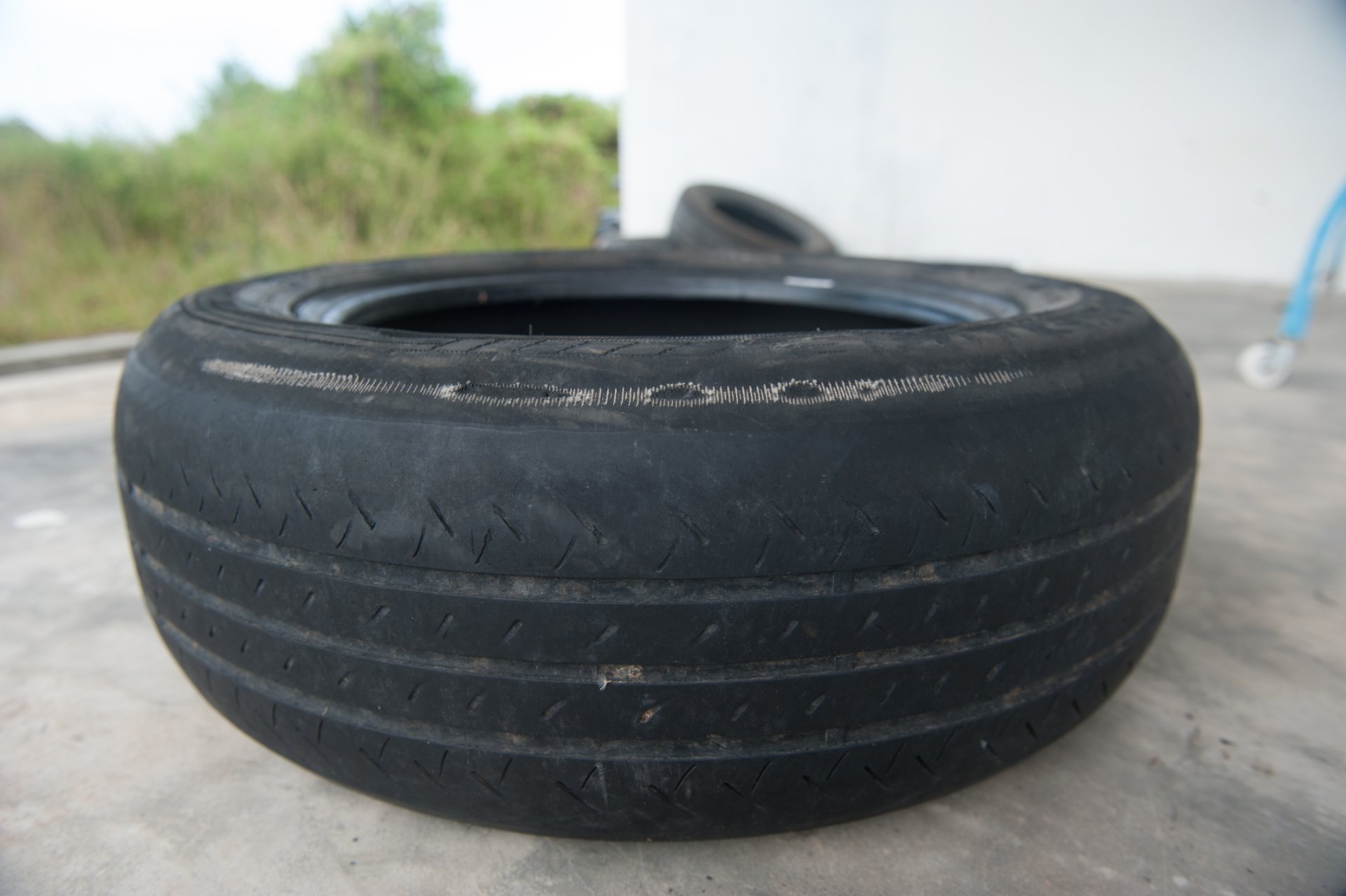
If your vehicle is pulling to one side, your steering wheel is not centered, or your tires look like they are wearing unevenly, it is easy to assume you need a new set of tires. Sometimes that is true, but not always. In many cases, the real issue may be your alignment, suspension, tire rotation schedule, or a combination of all three. The tricky part is that tire problems and alignment problems can feel very similar from the driver’s seat. That is why it is always a good idea to have the vehicle inspected before spending money on tires you may not need yet, or before ignoring an alignment issue that could ruin a new set of tires too quickly.
Your tires are the only part of your vehicle that actually touches the road, so they play a major role in safety, handling, braking, fuel economy, and ride comfort. When your tires are in good shape, your vehicle feels smoother, more controlled, and more predictable. When they are worn, damaged, underinflated, or uneven, you may notice your car does not handle the way it should. You may feel vibration, pulling, reduced traction in the rain, or a rougher ride than usual. These are not things you want to overlook, especially when Cincinnati roads, potholes, hills, changing weather, and daily stop-and-go driving can be hard on tires.
One of the biggest signs you may need new tires is low tread depth. Tread is what helps your tires grip the road, especially when the pavement is wet. As the tread wears down, your vehicle has less traction, which can increase stopping distance and make it easier to hydroplane in heavy rain. If your tires look smooth, bald, or close to the wear bars, it is time to have them checked. Even if the vehicle still drives normally on dry roads, worn tires can become a much bigger concern when the weather changes or when you need to stop quickly.
Uneven tread wear is another major clue, but it does not always mean the tire itself is the only problem. If one edge of the tire is wearing faster than the other, or if one tire looks much more worn than the rest, your vehicle may have an alignment issue. Alignment refers to the angle of your wheels and how they sit against the road. When alignment is off, your tires can scrub against the pavement instead of rolling evenly. Over time, that can wear down perfectly good tires much faster than normal. This is why replacing tires without checking the alignment can be a mistake. If the alignment is still off, your new tires may start wearing unevenly almost right away.
A vehicle that pulls to the left or right is another common sign of an alignment problem. You may notice this when you let go of the steering wheel for a moment on a straight road and the vehicle drifts to one side. You may also feel like you are constantly correcting the steering just to keep the car driving straight. Sometimes pulling can be caused by tire pressure, tire wear, brake issues, or suspension problems, but alignment is one of the most common reasons. If your vehicle is pulling, it is worth having it looked at before it causes more tire wear or makes the vehicle harder to control.
Your steering wheel can also tell you when something is off. If the steering wheel sits crooked when you are driving straight, that usually points to an alignment concern. It may not feel like an emergency, but it should not be ignored. A crooked steering wheel often means your wheels are not pointed exactly where they should be. That can affect tire wear, handling, and overall driving comfort. It is one of those issues that can seem minor at first, but over time it can cost you more if it wears through your tires faster than expected.
Vibration while driving can be another sign that your tires need attention, although it may not always be alignment-related. Vibration can come from tires that are out of balance, tires with internal damage, bent wheels, uneven tread wear, or suspension issues. If the vibration gets worse at certain speeds, that is especially worth checking. A smooth ride should feel steady and controlled. If your vehicle shakes, bounces, or vibrates, an inspection can help determine whether the problem is the tires, alignment, wheel balance, or something else.
Sometimes the issue is as simple as tire pressure. Low tire pressure can cause poor handling, uneven wear, reduced fuel economy, and extra heat buildup in the tire. Overinflated tires can also cause uneven wear and a rougher ride. Since tire pressure can change with temperature, Cincinnati drivers may notice the tire pressure light more often during seasonal weather swings. If your tire pressure light keeps coming on, do not just keep adding air without finding out why. A tire may have a slow leak, a damaged valve stem, a bead leak, or another issue that needs attention.
Age matters too. Tires can become unsafe even if they still have tread left. Rubber breaks down over time, especially when exposed to heat, cold, sunlight, road salt, and daily driving conditions. Cracks in the sidewall, dry rot, bulges, or visible damage are signs that a tire may need to be replaced. A bulge or bubble in the tire is especially serious because it may mean the internal structure of the tire has been weakened. If you see that, it is best to have the tire inspected right away and avoid unnecessary driving until you know whether it is safe.
So how do you know whether you need new tires or just an alignment? The honest answer is that you usually need a proper inspection to know for sure. If your tires are worn evenly but the vehicle pulls or the steering wheel is off-center, an alignment may solve the issue. If your tires are already bald, cracked, damaged, or too worn to safely keep driving, new tires may be needed. If the tires are wearing unevenly, you may need both tire replacement and an alignment to keep the same problem from happening again. The right answer depends on the condition of the tires and what is causing the wear.
This is where Avid Autocare can help. Instead of guessing, the team can inspect your tires, check for uneven wear, look at your alignment concerns, and help you understand what your vehicle actually needs. That is important because nobody wants to replace tires too early, but nobody wants to drive on unsafe tires either. A good inspection gives you a clear answer. If your tires still have life left and an alignment can help protect them, you will know that. If the tires are worn out and need to be replaced, you will know that too.
It is also smart to think about tire and alignment service as part of your overall maintenance routine. Rotating your tires regularly can help them wear more evenly. Keeping them properly inflated can help them last longer. Getting an alignment when needed can protect your investment and improve how the vehicle drives. These are simple steps, but they can make a big difference in how much life you get out of your tires and how safe your vehicle feels on the road.
If your car is pulling, vibrating, wearing tires unevenly, or just not driving as smoothly as it used to, do not wait until the tires are completely worn out. Bring your vehicle to Avid Autocare in Cincinnati for a tire and alignment inspection. You may need new tires, you may need an alignment, or you may need a smaller fix than you expected. Either way, you will have a better answer than guessing from the driver’s seat.
Your tires are too important to ignore. They affect how your vehicle stops, turns, handles, and grips the road every time you drive. If something feels off, or if you are not sure whether your tires are still safe, schedule a visit with Avid Autocare. A quick inspection now can help you avoid wasted money, uneven tire wear, and bigger problems later.