
Why Your Tires Keep Losing Air and What It Means
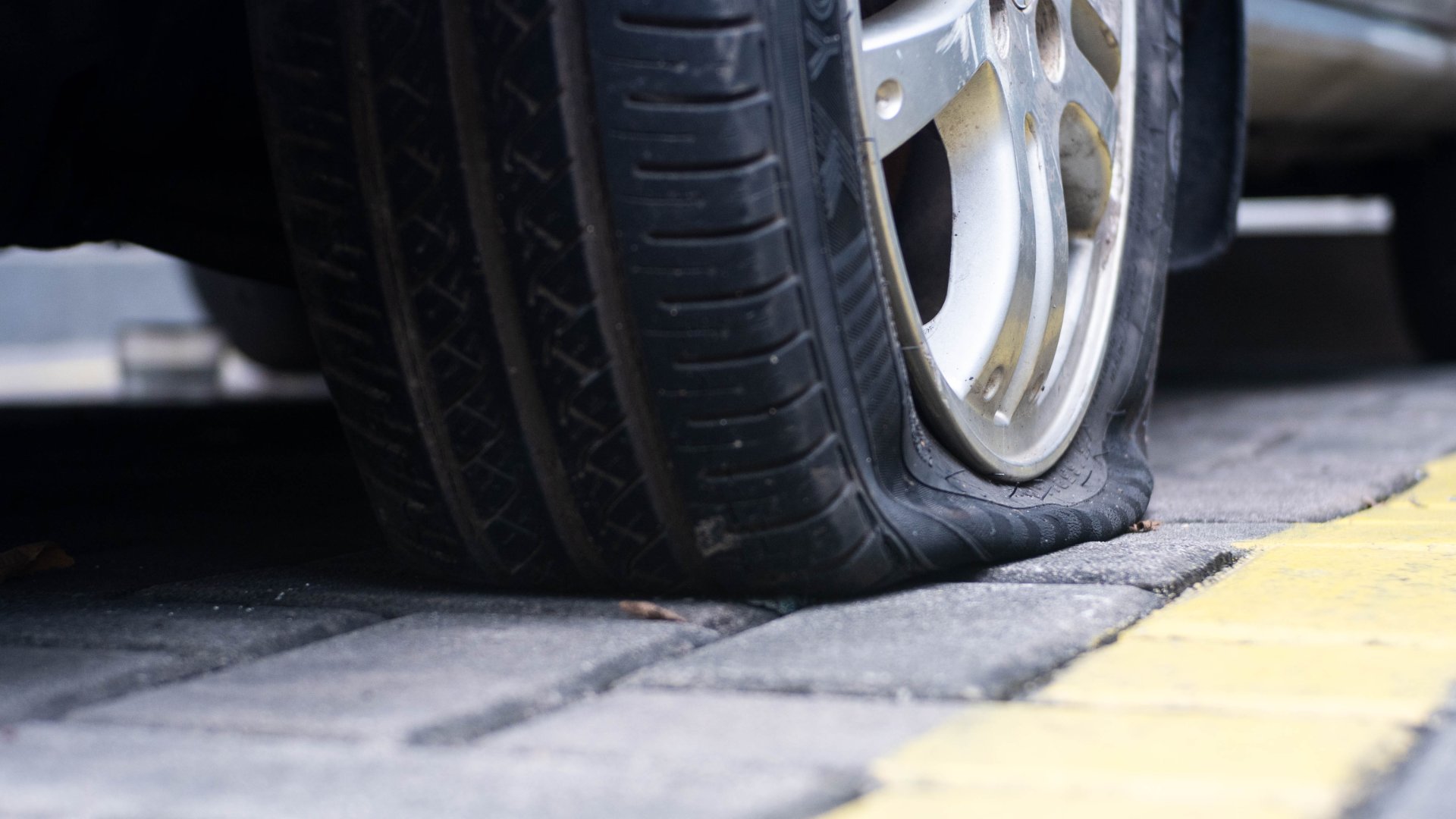
If your tire pressure light keeps coming on, it can be tempting to just add air and move on with your day. A lot of drivers do this for weeks or even months without thinking much of it. The tire looks fine, the car still drives, and adding air seems like an easy fix. But if the same tire keeps losing pressure over and over again, something is causing it. It may be a small puncture, a leaking valve stem, an issue where the tire meets the wheel, or a tire that is simply getting too old or damaged to hold air properly. Whatever the reason, a tire that keeps losing air is worth checking before it turns into a flat tire, uneven tire wear, or a bigger safety concern.
Your tires do a lot more than hold up the vehicle. They affect how your car handles, how smoothly it rides, how quickly it stops, and how well it grips the road in rain or rough conditions. When a tire is underinflated, it does not make proper contact with the road. That can cause the tire to wear unevenly, build up extra heat, reduce fuel economy, and make the vehicle feel less stable. You may not notice a major difference at first, but over time, low tire pressure can shorten the life of the tire and make your vehicle less safe to drive.
One of the most common reasons a tire loses air is a small nail, screw, or piece of metal in the tread. This happens all the time, especially with daily driving through parking lots, construction areas, side streets, and busy roads. Sometimes the object stays lodged in the tire and creates a slow leak instead of an immediate flat. That is why you might be able to drive normally for a few days, only to have the tire pressure light come back on again later. In some cases, a puncture in the tread area can be repaired. In other cases, the tire may need to be replaced, especially if the puncture is too close to the sidewall or the tire has been driven on while very low.
A leaking valve stem is another common cause of slow air loss. The valve stem is the small piece where you add air to the tire. Over time, it can crack, loosen, corrode, or stop sealing properly. When that happens, air can slowly escape even if the tire itself is not punctured. This is one reason it is helpful to have the tire inspected instead of assuming the tire needs to be replaced right away. Sometimes the fix may be simpler than expected, but you will not know until the source of the leak is found.
The area where the tire seals against the wheel can also cause air loss. This is called the bead area. If there is corrosion, dirt, damage, or an imperfect seal between the tire and the wheel, air can slowly leak out around the edge. This can happen more often as wheels age or after years of exposure to moisture, road salt, temperature changes, and normal wear. A bead leak can be frustrating because the tire may not have an obvious hole, yet it still keeps losing pressure. A proper inspection can help identify whether the leak is coming from the tread, valve stem, bead area, or somewhere else.
Temperature changes can also affect tire pressure. When the weather gets colder, tire pressure usually drops. When it gets hotter, pressure can rise. This is one reason drivers often notice their tire pressure light more during seasonal changes. A small pressure drop from weather may not mean something is wrong, but if one tire is consistently lower than the others, or the light keeps coming back after you add air, there is probably more going on than temperature alone. It is always better to check than to keep guessing.
Aging tires can also struggle to hold air. Rubber does not last forever. Over time, tires can dry out, crack, or develop weak spots. You may see small cracks in the sidewall, dry rot, uneven wear, or bulges. Even if the tire still has some tread left, age and condition matter. A tire with cracks or structural damage may not be safe to keep driving on. If your tires are older, or if you are not sure how old they are, it is a good idea to have them inspected by a shop that can look at both tread depth and overall tire condition.
One thing drivers should avoid is repeatedly driving on a tire that is low on air. When a tire is underinflated, the sidewall has to flex more than it should. That creates heat and stress inside the tire. If this goes on long enough, it can weaken the tire from the inside, even if it looks okay from the outside. In some cases, a tire that could have been repaired may become unsafe because it was driven on while too low. That is why catching a slow leak early can save money and help prevent a dangerous blowout.
Low tire pressure can also affect braking. This is something many drivers do not think about. Your brakes may be working properly, but if your tires are underinflated or worn, your vehicle may not stop as well as it should. Tires and brakes work together every time you slow down. If the tires are not making proper contact with the road, stopping distance can increase, traction can decrease, and the vehicle may feel less controlled in wet conditions. So when your tire pressure light keeps coming on, it is not just a tire issue. It can become a safety issue too.
Uneven tire wear is another sign that low pressure has been a problem for a while. Underinflated tires often wear more on the outer edges. Overinflated tires can wear more in the center. Alignment issues can cause one side of the tire to wear faster than the other. If you are constantly adding air and also noticing uneven tread wear, your tires should be inspected before the problem gets worse. Sometimes you may need a tire repair. Sometimes you may need new tires. Sometimes the tire issue may point to an alignment or suspension problem that also needs attention.
It is also important to know when a tire can be repaired and when it should be replaced. A repair may be possible if the puncture is in the main tread area, the hole is not too large, and the tire has not been driven on while severely underinflated. A tire usually should not be repaired if the damage is on the sidewall, near the shoulder, too large, or if the tire has internal damage. This is why professional inspection matters. From the outside, a tire may look repairable, but the inside can tell a different story.
At Avid Autocare in Cincinnati, the team can help you figure out why your tire keeps losing air instead of making you guess. They can inspect the tread, valve stem, bead seal, wheel condition, tire age, and overall wear pattern. If the tire can be safely repaired, they can let you know. If it needs to be replaced, they can explain why. If the tire issue is connected to alignment or another maintenance concern, they can help you understand that too. The goal is to give you a clear answer and help you avoid wasting time constantly refilling the same tire.
If your tire pressure light comes on once after a cold night, it may just need a quick pressure adjustment. But if it keeps coming back, especially on the same tire, it is time to have it checked. Slow leaks are easy to ignore because they do not always feel urgent. But they can lead to uneven wear, poor handling, reduced fuel economy, and bigger tire damage if they are left alone too long. A quick inspection can help you catch the issue while it is still manageable.
You should also schedule service if you notice a tire looks lower than the others, you hear a hissing sound, you find a nail or screw in the tread, or the vehicle feels like it is pulling or riding rough. These are all signs that your tires need attention. Even if the fix turns out to be simple, it is better to know than to keep driving and hope the light does not come back.
Your tires are too important to treat like an afterthought. If one of them keeps losing air, bring your vehicle to Avid Autocare in Cincinnati and have it inspected. You may only need a repair, or you may find out the tire is no longer safe. Either way, you will get a clear answer and a safer vehicle. The next time your tire pressure light comes on, do not just fill it and forget it. Let Avid Autocare help you find the reason behind the leak so you can drive with more confidence.