
When Should You Replace Your Brakes? Signs Cincinnati Drivers Should Watch For
VIV Builder • July 20, 2026

Your brakes are one of the most important safety systems on your vehicle. When they are working properly, you probably do not think much about them. But when something starts to feel, sound, or smell different, it is important to pay attention.

Brake problems usually do not fix themselves. In most cases, they get worse over time. The sooner you have your brakes inspected, the better chance you have of avoiding more expensive repairs and keeping your vehicle safe on the road.

At Avid Autocare in Cincinnati, we help drivers understand what their vehicles need without making car care feel complicated. If you are wondering whether it is time for brake service, here are the signs to watch for.

Squeaking or Squealing Brakes

One of the most common signs of worn brakes is a squeaking or squealing noise when you press the brake pedal. This can happen when the brake pads are getting low.

Many brake pads are designed with wear indicators that make noise when the pads are nearing the end of their life. This sound is your vehicle’s way of warning you that it is time for an inspection.

Not every squeak means you need new brakes immediately. Moisture, dust, or certain brake pad materials can sometimes cause noise. But if the sound continues, gets louder, or happens every time you brake, it is worth having your brakes checked.

Grinding Sounds

Grinding is more serious than squeaking. If you hear a grinding noise when braking, your brake pads may be worn down far enough that metal is contacting metal.

This can damage your rotors and increase the cost of the repair. It can also reduce braking performance, which affects safety.

If your brakes are grinding, schedule service as soon as possible. Waiting too long can turn a basic brake pad replacement into a larger brake repair.

Vibration When Braking

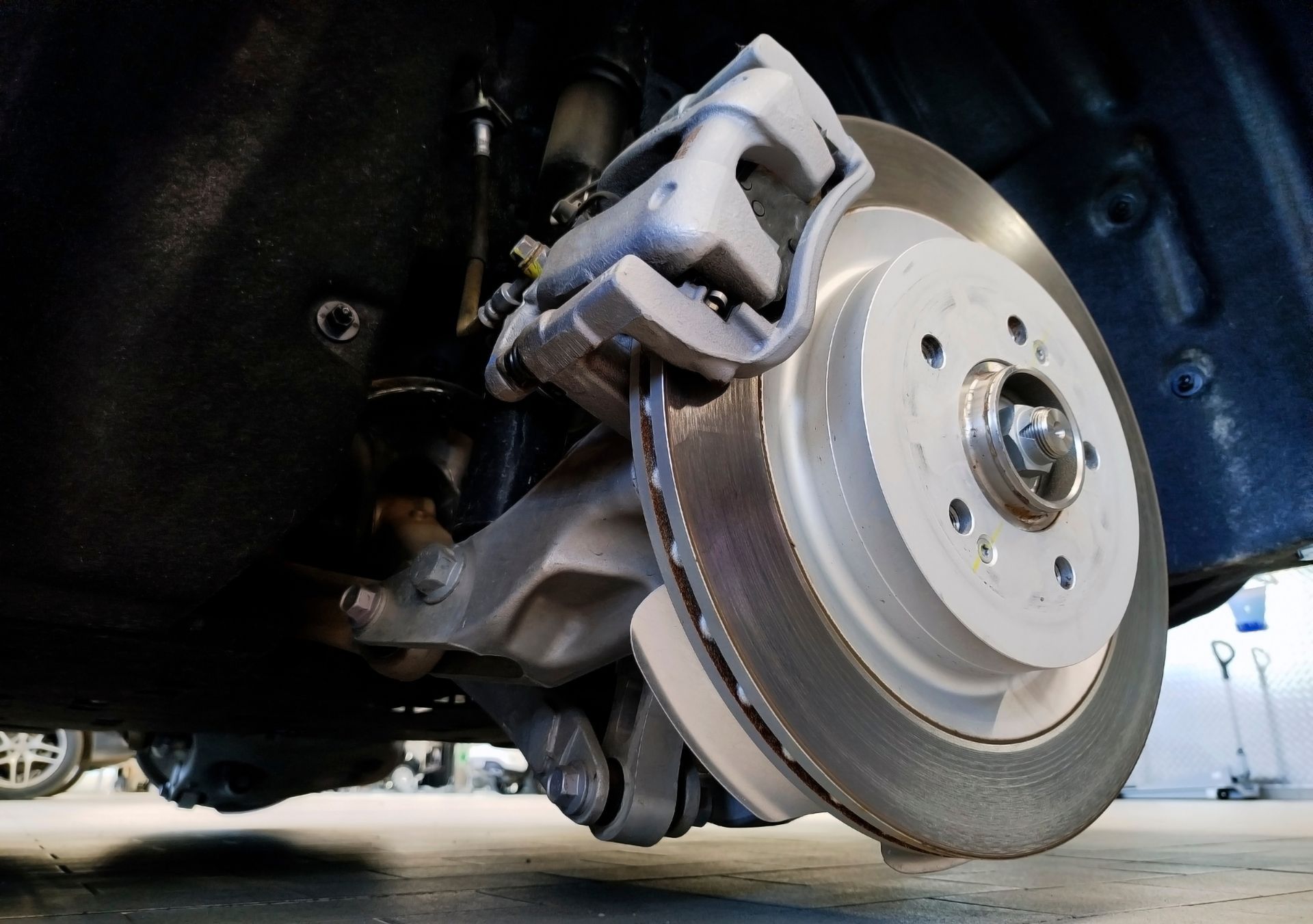
If your steering wheel or brake pedal shakes when you slow down, your rotors may be warped or uneven. Rotors are the discs that your brake pads press against to stop the vehicle.

Vibration can happen from heat, wear, uneven surfaces, or other brake system issues. It may be more noticeable at higher speeds or when braking downhill.

Cincinnati roads, hills, traffic, and stop-and-go driving can all create extra brake wear. If your vehicle vibrates when braking, it is time for an inspection.

Longer Stopping Distance

If your vehicle does not stop as quickly as it used to, do not ignore it. Longer stopping distance can be caused by worn brake pads, old brake fluid, brake system leaks, rotor issues, or other concerns.

This is one of the most important warning signs because it directly affects your ability to avoid an accident. If your brakes feel weak, soft, or delayed, have them checked right away.

A Soft or Spongy Brake Pedal

Your brake pedal should feel firm and responsive. If it feels soft, spongy, or sinks closer to the floor than normal, there may be air in the brake lines, a fluid issue, or a hydraulic problem.

Brake fluid plays a major role in helping your braking system work properly. If there is a leak or the fluid is contaminated, braking performance can suffer.

A soft brake pedal should always be inspected quickly.

Pulling to One Side When Braking

If your car pulls left or right when you brake, there may be uneven brake wear, a sticking caliper, tire issues, suspension problems, or another concern.

Pulling while braking can make the vehicle harder to control. It can also cause uneven tire and brake wear. A technician can inspect the braking system and related components to determine what is causing the problem.

Brake Warning Light

If your brake warning light comes on, your vehicle is alerting you to a possible brake system issue. This could be related to low brake fluid, the parking brake, sensor problems, or other concerns.

Do not confuse the brake warning light with the ABS light. Both are important, but they may point to different systems. If either light appears, it is best to schedule an inspection.

Burning Smell After Braking

A sharp burning smell after heavy braking may mean your brakes are overheating. This can happen after long downhill driving, aggressive braking, or a sticking brake component.

If you smell burning near your wheels, pull over safely and allow the brakes to cool. Do not continue driving if the brake pedal feels soft or braking performance changes.

How Often Should Brakes Be Replaced?

There is no single mileage number that applies to every vehicle. Brake life depends on your driving habits, vehicle type, brake pad material, road conditions, and maintenance history.

City driving usually wears brakes faster than highway driving because you stop more often. Hills and traffic can also shorten brake pad life. Cincinnati drivers who spend a lot of time in stop-and-go traffic may need brake service sooner than someone who mostly drives long highway routes.

The best approach is to have your brakes inspected regularly, especially during oil changes, tire service, or routine maintenance visits.

Brake Pads, Rotors, and Fluid All Matter

Brake service is not just about pads. Your braking system includes pads, rotors, calipers, brake fluid, hoses, lines, and related hardware.

Sometimes you may only need pads. Other times, rotors may need resurfacing or replacement. Brake fluid may also need service if it is old or contaminated.

A proper brake inspection looks at the whole system, not just one part.

Schedule Brake Repair in Cincinnati

If your brakes are making noise, vibrating, feeling soft, or not stopping like they used to, Avid Autocare in Cincinnati is here to help.

Our team can inspect your braking system, explain what we find, and help you understand what needs attention now versus what can be monitored. Schedule your brake service today and keep your vehicle safe, reliable, and ready for the road.

By VIV Builder July 16, 2026
Check engine light on? Learn common causes, when it's safe to drive, and when Cincinnati drivers should schedule diagnostics.
By VIV Builder July 13, 2026
Learn how digital vehicle inspections help Cincinnati drivers understand repairs, catch problems early, and make informed decisions.
By VIV Builder June 18, 2026
Fall rain and wet roads can affect how your car stops. Learn the warning signs and schedule a brake inspection with Avid Autocare in Cincinnati today.
Aerial view of a city highway interchange at dusk, with tall buildings and a skyline in the background
June 9, 2026
Ensure vehicle safety with regular tire & brake maintenance. Schedule your inspection today!
Car tire parked on a curb beside a yellow road line, close-up view.
June 9, 2026
Learn why your tires lose air, from punctures to valve leaks. Ensure safety with regular inspections. Contact us for tire maintenance!
Close-up of a red brake caliper and silver disc rotor on a car wheel assembly
June 9, 2026
Understand brake pads vs. rotors, maintenance tips, & wear signs. Ensure your vehicle's safety. Contact Avid Autocare for expert service!
Flat black tire sitting on a concrete surface outdoors.
June 9, 2026
Unsure if you need new tires or an alignment? Get an inspection to ensure safety & performance. Contact Avid Autocare today!
Charred brake pad fragments resting in a worn metal brake rotor on a wooden surface
June 9, 2026
Identify signs your brakes need replacement to ensure safety. Schedule a brake inspection with Avid Autocare today!
May 18, 2026
Your tires are the only part of your vehicle that touches the road, which makes them one of the most important parts of everyday driving. They affect how your car handles, how smoothly it rides, how well it stops, how it performs in wet conditions, and how confident you feel behind the wheel. When your tires are in good condition and your alignment is correct, your vehicle feels more stable and predictable. When tires are worn, uneven, underinflated, or out of alignment, driving can become less comfortable, less efficient, and less safe. For Cincinnati drivers, tire care matters even more because local roads can be tough on vehicles. Potholes, hills, uneven pavement, construction zones, wet weather, winter conditions, and daily stop-and-go driving can all affect your tires and alignment. Even one hard hit from a pothole or curb can change the way your vehicle drives. Over time, small alignment issues can lead to uneven tire wear, pulling, vibration, and reduced tire life. At Avid Autocare, we help drivers understand what their vehicles need and make car care simpler. Tire inspections, rotations, balancing, alignment checks, and suspension inspections are all part of keeping your vehicle driving the way it should. If your car is pulling to one side, your steering wheel feels off-center, your tires are wearing unevenly, or your ride feels rougher than normal, it may be time to have your tires and alignment checked. Tire Condition Affects Safety Tires play a major role in how your vehicle grips the road. Good traction helps your vehicle accelerate, turn, and stop properly. When tires are worn or damaged, that traction can be reduced, especially in rain, snow, or slick conditions. This can make it harder for your vehicle to respond the way you expect. Tread depth is one of the most important things to monitor. As tire tread wears down, the tire becomes less effective at moving water away from the contact patch. This can increase the risk of hydroplaning in wet conditions and reduce control during sudden stops or turns. Cincinnati weather can change quickly, so having tires with proper tread is important for year-round driving. Tire damage is also worth watching. Cuts, bulges, cracks, punctures, and sidewall damage can all create concerns. Some tire issues are obvious, but others are easy to miss if you are not inspecting the tires regularly. A professional tire inspection can help identify problems before they lead to a flat tire, blowout, or unexpected roadside issue. Uneven Tire Wear Is a Warning Sign Tires should wear evenly when everything is working properly. If one tire is wearing faster than the others, or if the inside or outside edge of a tire is wearing more than the center, something may be wrong. Uneven wear can be caused by alignment problems, suspension issues, improper inflation, lack of rotation, worn steering components, or other concerns. Many drivers do not notice uneven tire wear until the tire is already in poor condition. By then, the tire may need to be replaced sooner than expected. Regular tire inspections and rotations can help catch uneven wear earlier. This gives you a chance to correct the underlying issue and protect the remaining life of your tires. Ignoring uneven wear can cost more over time. Tires are not cheap, and replacing them early because of an alignment or suspension issue can be frustrating. If the root cause is not fixed, the same pattern may happen again with the next set of tires. That is why it is important to look beyond the tire itself and understand what caused the wear in the first place. Alignment Helps Your Vehicle Drive Straight Wheel alignment refers to the angles of your wheels and how they meet the road. When your alignment is correct, your vehicle should drive straight, handle properly, and allow your tires to wear more evenly. When alignment is off, the vehicle may pull to one side, the steering wheel may sit crooked, or the tires may wear unevenly. Alignment can be affected by everyday driving, especially on rough roads. Hitting potholes, curbs, road debris, or uneven pavement can knock your wheels out of alignment. Over time, normal wear in suspension and steering components can also affect alignment. Cincinnati roads can make this a common issue for local drivers. A vehicle that is out of alignment may still be drivable, but that does not mean it should be ignored. Poor alignment can make the car harder to control, reduce tire life, and create extra stress on steering and suspension parts. If your vehicle does not feel centered or stable, an alignment check is a smart step. Tire Rotations Help Tires Last Longer Tire rotations are an important part of routine maintenance. Because tires do not always wear at the same rate, rotating them helps spread wear more evenly across the full set. Front tires often wear differently than rear tires because of steering, braking, weight distribution, and drivetrain setup. Without regular rotations, some tires may wear out faster than others. Rotating tires on schedule can help extend tire life and improve overall performance. It can also give technicians a chance to inspect the tires for damage, uneven wear, low tread, improper inflation, or other concerns. This makes tire rotation more than a simple maintenance task. It is also a chance to catch problems early. If you are not sure how often your tires should be rotated, your owner’s manual can provide guidance, and a trusted repair shop can help you build a maintenance schedule based on your vehicle and driving habits. Staying consistent with rotations is one of the easiest ways to protect your tire investment. Tire Pressure Makes a Big Difference Proper tire pressure is another important part of tire care. When tires are underinflated, they can wear faster, reduce fuel efficiency, affect handling, and generate excess heat. When tires are overinflated, they may wear unevenly and provide less comfortable road contact. Either condition can affect how your vehicle drives. Tire pressure can change with temperature, which is especially important in a place like Cincinnati where seasons can shift dramatically. Cold weather can cause tire pressure to drop. Hot weather and long drives can affect pressure as well. That is why it is important to check tire pressure regularly instead of waiting for the tire pressure warning light to come on. A tire pressure warning light should never be ignored. Sometimes it means one tire is slightly low. Other times, it may point to a puncture, leak, damaged valve stem, or sensor issue. If the light comes on repeatedly, it is worth having the tires inspected. Balancing Helps Reduce Vibration If your vehicle vibrates at certain speeds, tire balance may be part of the problem. Tire balancing helps make sure the weight of each tire and wheel assembly is evenly distributed. When a tire is out of balance, it can cause vibration in the steering wheel, seat, or floorboard. This can make driving uncomfortable and may contribute to uneven tire wear. Vibration can also be caused by other issues, including alignment problems, damaged tires, bent wheels, worn suspension parts, or brake concerns. That is why it is important to have the vehicle inspected rather than guessing. A technician can help determine whether the problem is related to tire balance or something else. A smooth ride is not just about comfort. It can also be a sign that the tires, wheels, steering, and suspension are working together properly. If something feels different, it is better to have it checked before the issue gets worse. Suspension and Steering Problems Can Affect Tires Tire wear is often connected to the condition of your suspension and steering systems. Shocks, struts, ball joints, tie rods, control arms, bushings, and other components all help keep your vehicle stable and controlled. When these parts wear down, they can affect alignment, handling, ride comfort, and tire wear. If your vehicle feels loose, bouncy, noisy, unstable, or rough over bumps, there may be more going on than a tire issue. Worn suspension parts can cause tires to wear unevenly and may make the vehicle less predictable on the road. Addressing the tire without checking the suspension can leave the real issue unresolved. This is why a full inspection matters. At Avid Autocare, our team can look at the tires, alignment, steering, and suspension together to help identify what is causing the problem. That gives you a better understanding of your vehicle and helps prevent repeat issues. Tire Care Can Improve Fuel Efficiency Tires also affect fuel efficiency. Underinflated tires create more rolling resistance, which means your engine has to work harder to move the vehicle. Poor alignment can also create drag because the tires are not rolling as efficiently as they should. Over time, these issues can affect how much fuel your vehicle uses. While tire care is not the only factor in fuel efficiency, it is one of the easier areas to maintain. Keeping tires properly inflated, aligned, rotated, and balanced can help your vehicle operate more efficiently. It can also reduce unnecessary strain on other parts of the vehicle. For drivers who spend a lot of time commuting around Cincinnati, small improvements in efficiency can add up. Taking care of your tires is a practical way to support both performance and long-term value. Do Not Wait Until Tires Are Bald It can be tempting to wait as long as possible before replacing tires, but driving on tires with very low tread is not worth the risk. Bald or severely worn tires can reduce traction, increase stopping distance, and make the vehicle harder to control in wet conditions. They are also more vulnerable to damage. The better approach is to monitor tire condition before it becomes urgent. Regular inspections help you know when tires are getting close to replacement. This gives you time to plan, compare options, and replace tires before they become a safety concern. If your tires are wearing faster than expected, Avid Autocare can help determine whether alignment, suspension, inflation, or rotation habits are contributing to the problem. Replacing tires is important, but protecting the next set is just as important. Tire and Alignment Service Makes Driving More Confident A vehicle should feel steady, smooth, and predictable. You should not have to fight the steering wheel, worry about vibration, or wonder whether your tires can handle the next rainstorm. Tire care and alignment service help keep your vehicle feeling the way it should. When your tires are properly maintained, your vehicle can handle better, stop more confidently, ride more comfortably, and use tires more evenly. When alignment is correct, the vehicle feels more centered and stable. These benefits make everyday driving less stressful and help protect one of the most important parts of your vehicle. If something feels off while driving, trust that feeling. Pulling, vibration, uneven tire wear, rough handling, low tire pressure warnings, or a crooked steering wheel are all reasons to schedule an inspection. Schedule Tire and Alignment Service With Avid Autocare Your tires and alignment have a direct impact on safety, comfort, performance, and long-term vehicle costs. For Cincinnati drivers dealing with potholes, hills, changing weather, traffic, and rough roads, staying ahead of tire care is one of the smartest ways to protect your vehicle. Avid Autocare helps drivers with tire inspections, rotations, balancing, alignment checks, suspension inspections, and general auto repair for all makes and models. Our team is here to explain what we find, help you understand your options, and make car care simple.  If your vehicle is pulling, vibrating, wearing tires unevenly, or simply due for routine tire service, schedule your visit with Avid Autocare today.
May 18, 2026
Oil changes are one of the most familiar auto services, but they are also one of the easiest to overlook. Many drivers know their vehicle needs regular oil service, but it can be tempting to wait a little longer when the car seems to be running fine. Life gets busy, the mileage reminder gets pushed off, and the oil change becomes something to handle later. The problem is that engine oil plays a major role in protecting your vehicle every time you drive. When oil service is delayed too long, your engine may be working harder than it should. Your engine has many moving parts that operate under heat, pressure, and friction. Engine oil helps keep those parts lubricated so they can move properly. It also helps manage heat, reduce wear, and carry away contaminants that build up through normal driving. Over time, oil breaks down and becomes less effective. It can become dirty, thick, or unable to protect the engine the way it should. That is why regular oil changes are such an important part of preventative maintenance. At Avid Autocare, we help Cincinnati drivers stay ahead of routine maintenance with clear communication and dependable service for all makes and models. An oil change may seem simple, but it is also a valuable opportunity to check the overall condition of your vehicle. When paired with an inspection, oil service can help identify concerns before they turn into larger problems. That makes it one of the best ways to protect your vehicle and keep car care simple. Engine Oil Protects Critical Parts Your engine depends on oil to reduce friction between moving parts. Without proper lubrication, metal components can create excessive heat and wear. Even with oil in the engine, the quality and condition of that oil matters. Clean oil is better able to flow through the engine, protect internal parts, and support proper performance. As oil ages, it becomes contaminated with dirt, debris, fuel residue, and other byproducts of normal engine operation. The oil filter helps capture some of those contaminants, but it also needs to be replaced regularly. If the oil and filter are not changed on time, the engine may not receive the same level of protection. This is why oil changes should not be treated as optional. They are one of the most basic and important ways to help protect the engine. Since the engine is one of the most expensive parts of your vehicle, staying current on oil service is a smart investment in long-term reliability. Delaying Oil Changes Can Create Bigger Problems Skipping or delaying oil changes may not cause an immediate issue that you notice from the driver’s seat. Your vehicle may still start, accelerate, and drive normally for a while. That is part of what makes delayed oil service risky. Damage from poor lubrication or dirty oil can build gradually before it becomes obvious. Over time, old oil can lead to increased engine wear, reduced performance, poor fuel economy, overheating concerns, sludge buildup, and more serious engine problems. If oil levels get too low, the risk becomes even greater. Low oil can prevent the engine from receiving the lubrication it needs, which can lead to severe damage. Many costly repairs can be tied back to maintenance that was ignored for too long. A regular oil change is much easier and more affordable than dealing with major engine trouble. Staying on schedule helps reduce risk and gives your technician a chance to spot warning signs before they become emergencies. Cincinnati Driving Conditions Can Affect Oil Life Not every driver uses their vehicle the same way. Some people mostly drive on highways. Others spend more time in stop-and-go traffic. Some make frequent short trips. Others deal with hills, potholes, weather changes, or long commutes around Cincinnati. These driving habits can affect how hard your engine works and how quickly oil breaks down. Short trips can be harder on a vehicle than many people realize. If the engine does not run long enough to fully warm up, moisture and contaminants may not burn off as effectively. Stop-and-go driving also makes the engine work differently than steady highway driving. Hot summers, cold winters, and changing seasonal conditions can add more stress. Because of this, your oil change schedule should be based on your vehicle, mileage, oil type, manufacturer recommendations, and driving habits. If you are not sure when your vehicle should be serviced, Avid Autocare can help you understand the right plan for your specific situation. Oil Changes Are a Good Time for an Inspection One of the biggest benefits of routine oil service is that it gives a technician a chance to inspect the vehicle. An oil change appointment is not only about draining old oil and adding new oil. It can also be a chance to check fluid levels, look for leaks, inspect tires, review belts and hoses, check filters, look at visible wear, and identify concerns that may need attention. This is important because many vehicle issues start small. A minor leak, worn belt, weak battery, dirty filter, or tire concern may not be obvious while driving. During routine service, these issues may be noticed early enough to plan for them before they become more serious. At Avid Autocare, we want drivers to understand the condition of their vehicles. When maintenance includes inspection and clear communication, it helps remove some of the guesswork from car care. You can leave with a better idea of what is working well, what may need attention soon, and what should be monitored over time. Synthetic Oil Service Can Be a Smart Choice Many modern vehicles require or benefit from synthetic oil. Synthetic oil is designed to provide strong protection under a range of driving conditions. It can perform well in temperature changes, support engine cleanliness, and help protect internal components. However, the right oil for your vehicle depends on the manufacturer’s specifications. Using the correct oil type matters. The wrong oil may not provide the protection your engine needs. It may also affect performance or long-term reliability. That is why oil service should be handled with attention to the vehicle’s requirements, not treated as a one-size-fits-all service. Avid Autocare can help make sure your vehicle receives the right oil and filter based on its needs. If you are unsure whether your vehicle needs full synthetic, synthetic blend, or another oil type, our team can help explain the recommendation and perform the service correctly. Oil Filters Matter Too The oil filter plays a major role in keeping your engine oil cleaner as it circulates through the engine. It helps capture contaminants that build up during normal operation. Over time, the filter becomes less effective and needs to be replaced. Changing the oil without replacing the filter can reduce the value of the service. A quality oil change should include the right oil and the right filter. Both work together to help protect the engine. If the filter is clogged or poor quality, oil flow and filtration may be affected. That can place unnecessary stress on the engine and reduce the effectiveness of fresh oil. This is another reason to work with a trusted repair shop instead of treating oil service as a quick transaction. The details matter. The right product, the right process, and the right inspection can make a difference in how well the service protects your vehicle. Regular Oil Service Helps With Long-Term Vehicle Value If you plan to keep your vehicle for years, regular oil changes are one of the most important habits you can build. A well-maintained vehicle is more likely to remain dependable, perform better, and avoid unnecessary wear. Maintenance history can also matter if you decide to sell or trade the vehicle later. Buyers and dealerships often care about whether a vehicle has been maintained properly. A history of regular oil changes and routine service can show that the vehicle has been cared for. Even if you are not thinking about selling anytime soon, maintenance helps protect the value of what you already own. For many Cincinnati drivers, replacing a vehicle is a major expense. Keeping your current vehicle in good condition can be the smarter financial choice, especially when maintenance is handled consistently. Oil changes are one of the simplest ways to support that goal. Warning Signs Should Not Be Ignored While regular oil changes should happen before problems appear, there are warning signs that may point to oil-related concerns. If you see an oil pressure warning light, smell burning oil, notice oil spots under your vehicle, hear unusual engine noise, see smoke, or notice that the engine seems to be running differently, it is time to have the vehicle checked. Low oil levels can be especially serious. Some vehicles may burn oil as they age. Others may develop leaks. If the oil level drops too low, the engine may not be properly protected. Waiting too long can increase the risk of damage. If you are between oil changes and something feels off, do not assume it can wait. A quick inspection can help determine whether the vehicle is safe to drive and what needs to happen next. It is always better to check early than to ignore a possible engine concern. Oil Changes Support Better Everyday Driving A properly maintained engine can help your vehicle feel smoother and more dependable. While an oil change is not a magic fix for every performance issue, clean oil and proper lubrication help the engine operate the way it was designed to. Drivers may notice better consistency, smoother operation, and more confidence knowing the vehicle is being maintained. Routine service also reduces the stress of wondering whether you are overdue. When your oil changes are handled on schedule, you can drive with more peace of mind. You know one of the most important maintenance items has been taken care of, and you have had the opportunity to catch other issues through inspection. For busy drivers, that peace of mind matters. Your vehicle is part of your daily life, and keeping it maintained helps prevent unnecessary interruptions. Make Oil Changes Part of a Complete Maintenance Plan Oil changes are important, but they are only one part of keeping your vehicle reliable. Your car also needs brake inspections, tire care, fluid checks, battery testing, filter replacement, belt and hose inspections, steering and suspension checks, and other routine services depending on mileage and condition. The best approach is to treat oil changes as part of a complete preventative maintenance plan. Each visit gives you a chance to stay informed and make decisions before problems become urgent. Over time, this helps you take better care of the vehicle and avoid the cycle of only visiting a shop when something breaks. At Avid Autocare, our team can help you understand what your vehicle needs now and what may be coming up later. We want maintenance to feel simple and clear, not confusing or overwhelming. Schedule Your Next Oil Change With Avid Autocare An oil change may be one of the most common auto services, but it is also one of the most important. Clean oil, the right filter, and regular inspections all help protect your engine, support reliability, and give you a better understanding of your vehicle’s condition. If it has been a while since your last oil change, or if you are not sure when your vehicle is due, now is a good time to schedule service. Avid Autocare helps Cincinnati drivers with routine maintenance, inspections, diagnostics, and repairs for all makes and models. Our team is here to help make car care simple, so you can feel more confident every time you get behind the wheel.  Schedule your oil change with Avid Autocare today and let our team help keep your vehicle running the way it should.