
Common Reasons Your Check Engine Light Comes On in Cincinnati Traffic
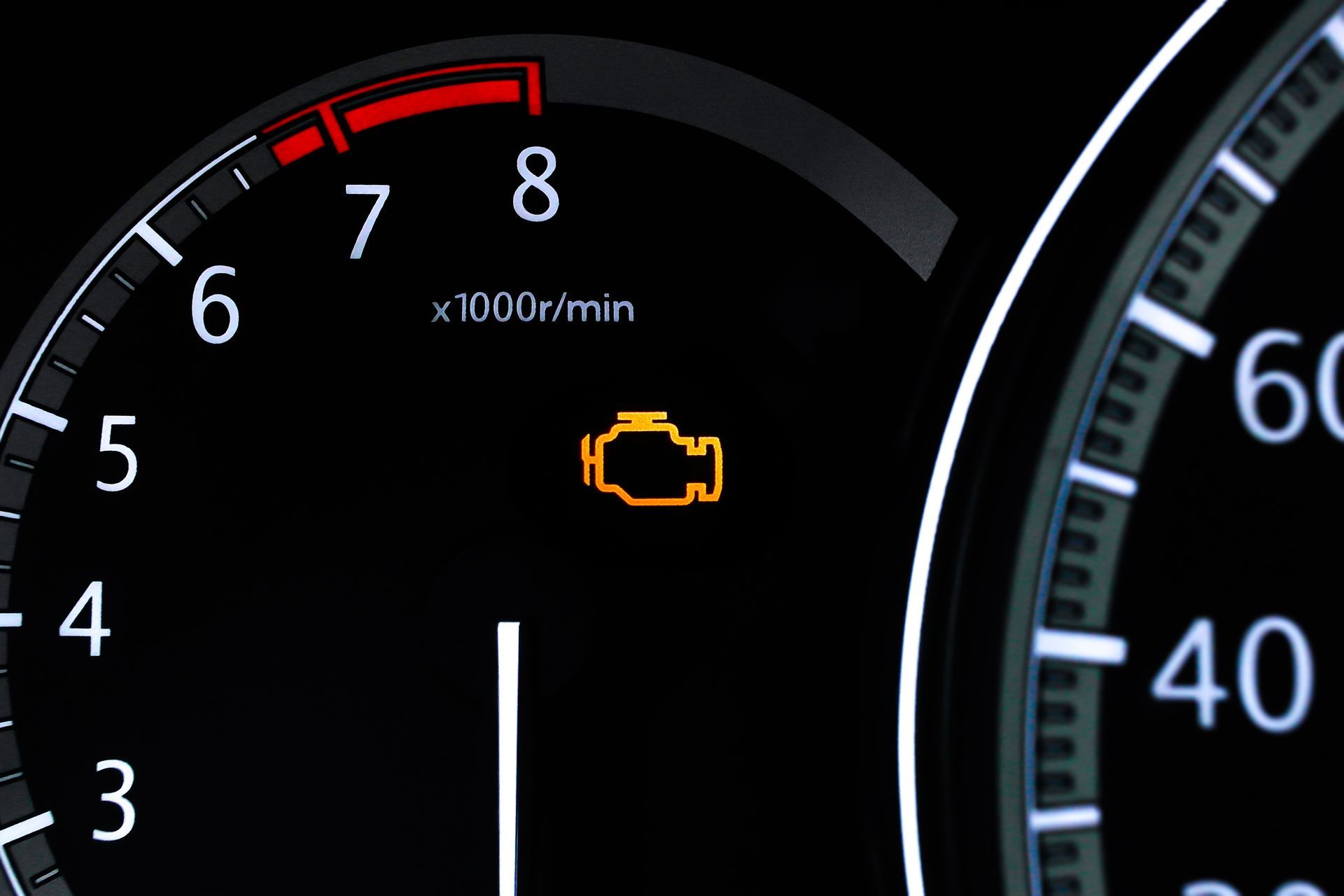
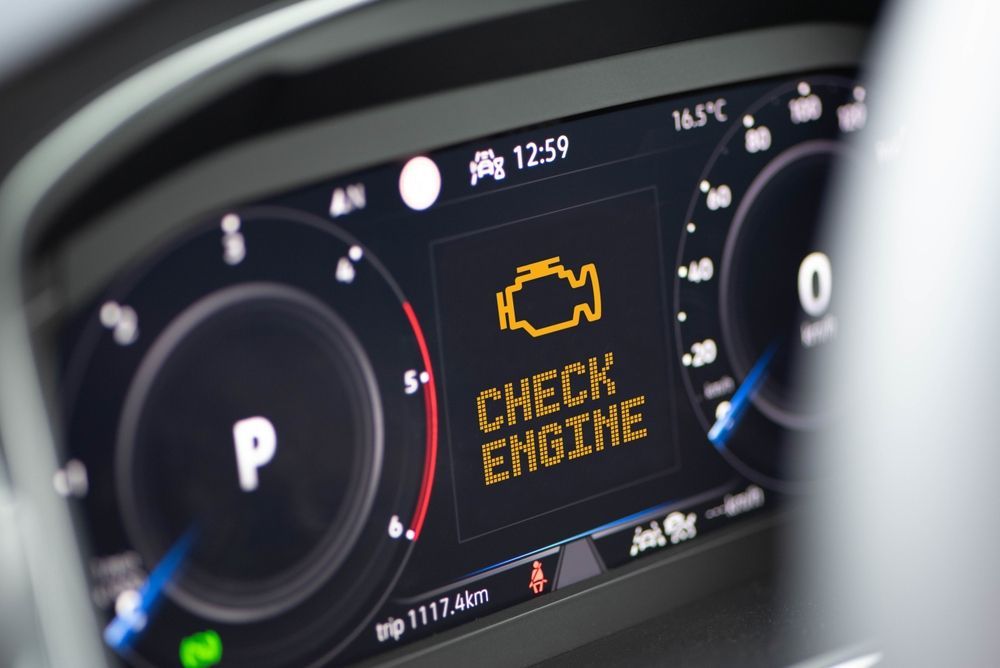
Few dashboard lights cause more stress than the check engine light. One minute your vehicle seems fine, and the next you are wondering if it is safe to drive, how serious the issue is, and how much it might cost to fix.
The good news is that a check engine light does not always mean something major has failed. The bad news is that you should not ignore it. Your vehicle turns that light on because the onboard computer has detected a problem. The sooner you have it checked, the easier it usually is to prevent additional damage.
At Avid Autocare in Cincinnati, our goal is to make car care simple. If your check engine light is on, the first step is finding out what your vehicle is trying to tell you.
What Does the Check Engine Light Mean?
Your check engine light is part of your vehicle’s diagnostic system. It monitors many engine and emissions-related components. When the system detects something outside of normal operating conditions, it stores a diagnostic trouble code and turns on the light.
That code does not automatically tell the full story. It gives a technician a starting point. From there, proper testing and diagnostics help determine the real cause of the problem.
That is why simply reading a code is not the same thing as repairing the vehicle. The code points to a system or condition, but an experienced technician still needs to verify the issue.
A Loose or Damaged Gas Cap
One of the simplest reasons your check engine light may come on is a loose, missing, or damaged gas cap. Your fuel system is designed to stay sealed. If the cap is not tight or the seal is damaged, the system may detect a vapor leak.
This is usually not a major repair, but it is still worth addressing. Try tightening your gas cap and see if the light turns off after a few drive cycles. If it stays on, the problem may be somewhere else in the evaporative emissions system.
Oxygen Sensor Problems
Your oxygen sensors help monitor the air and fuel mixture in your engine. If an oxygen sensor starts failing, your vehicle may use more fuel than necessary, run poorly, or create additional stress on other components.
A bad oxygen sensor can also affect emissions and fuel economy. If ignored long enough, it may contribute to catalytic converter damage, which can be much more expensive than replacing the sensor.
Spark Plug or Ignition Coil Issues
If your engine is misfiring, the check engine light may come on or even flash. A misfire can be caused by worn spark plugs, failing ignition coils, fuel delivery issues, or other problems.
Common symptoms include rough idling, shaking, hesitation, poor acceleration, or a noticeable drop in performance. If your check engine light is flashing, you should avoid driving the vehicle and have it inspected as soon as possible. A flashing light can mean the issue is severe enough to damage the catalytic converter.
Catalytic Converter Concerns
The catalytic converter is part of your emissions system. It helps reduce harmful exhaust gases before they leave your vehicle.
Catalytic converter problems can happen for several reasons, including age, internal failure, or damage caused by other engine issues. Misfires, oil consumption, or fuel mixture problems can all put extra stress on the converter.
Because catalytic converters can be expensive, it is important to address engine performance problems early.
Mass Air Flow Sensor Issues
Your mass air flow sensor helps measure how much air is entering the engine. The vehicle uses that information to determine the correct amount of fuel to use.
If the sensor is dirty or failing, your vehicle may run rough, hesitate, stall, or lose fuel efficiency. Sometimes the issue can be related to a dirty air filter or intake problem, so a proper diagnosis is important.
Battery or Electrical Problems
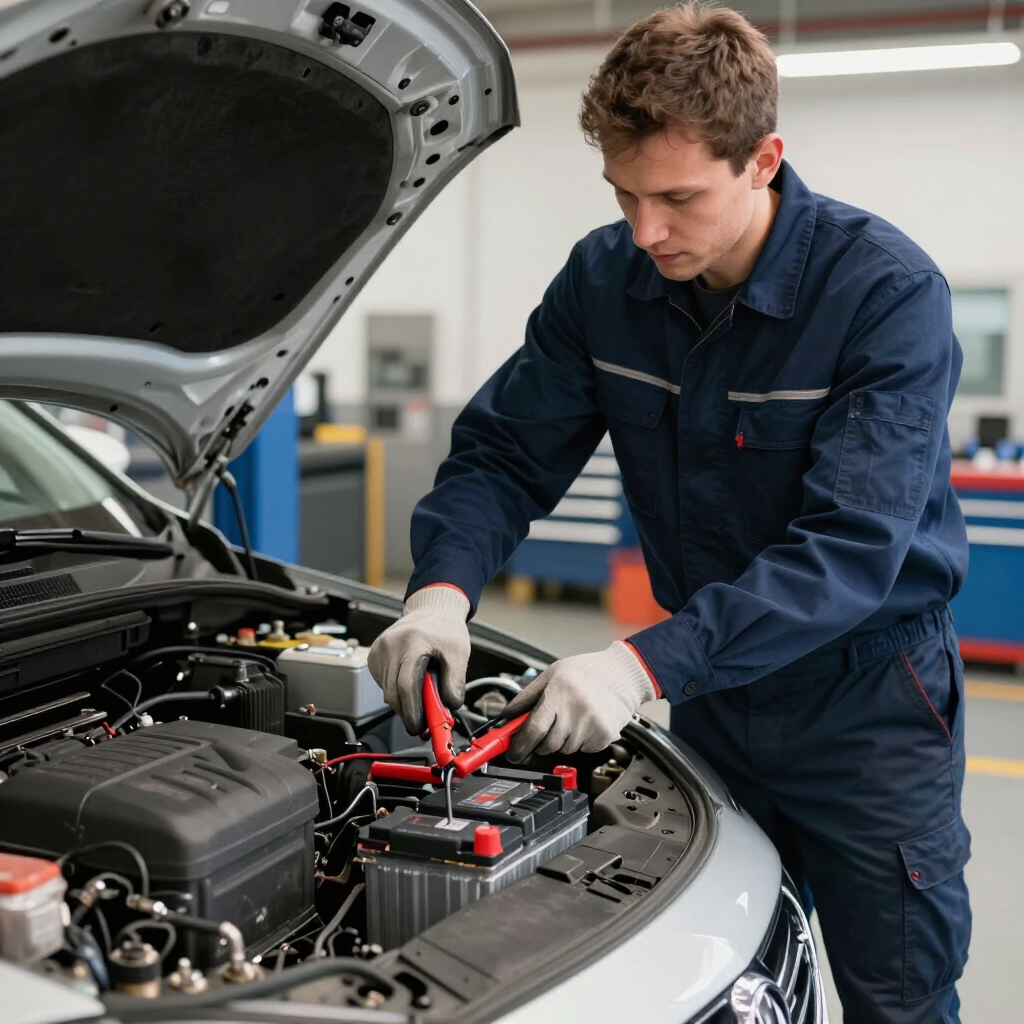
Modern vehicles rely heavily on electrical systems. A weak battery, charging system issue, wiring problem, or sensor communication fault can sometimes trigger warning lights.
Cincinnati weather can be tough on batteries, especially during hot summers and cold winters. If your check engine light appears along with slow starts, dim lights, or other electrical symptoms, it is worth having your battery and charging system checked.
Is It Safe to Drive With the Check Engine Light On?
It depends on the situation.
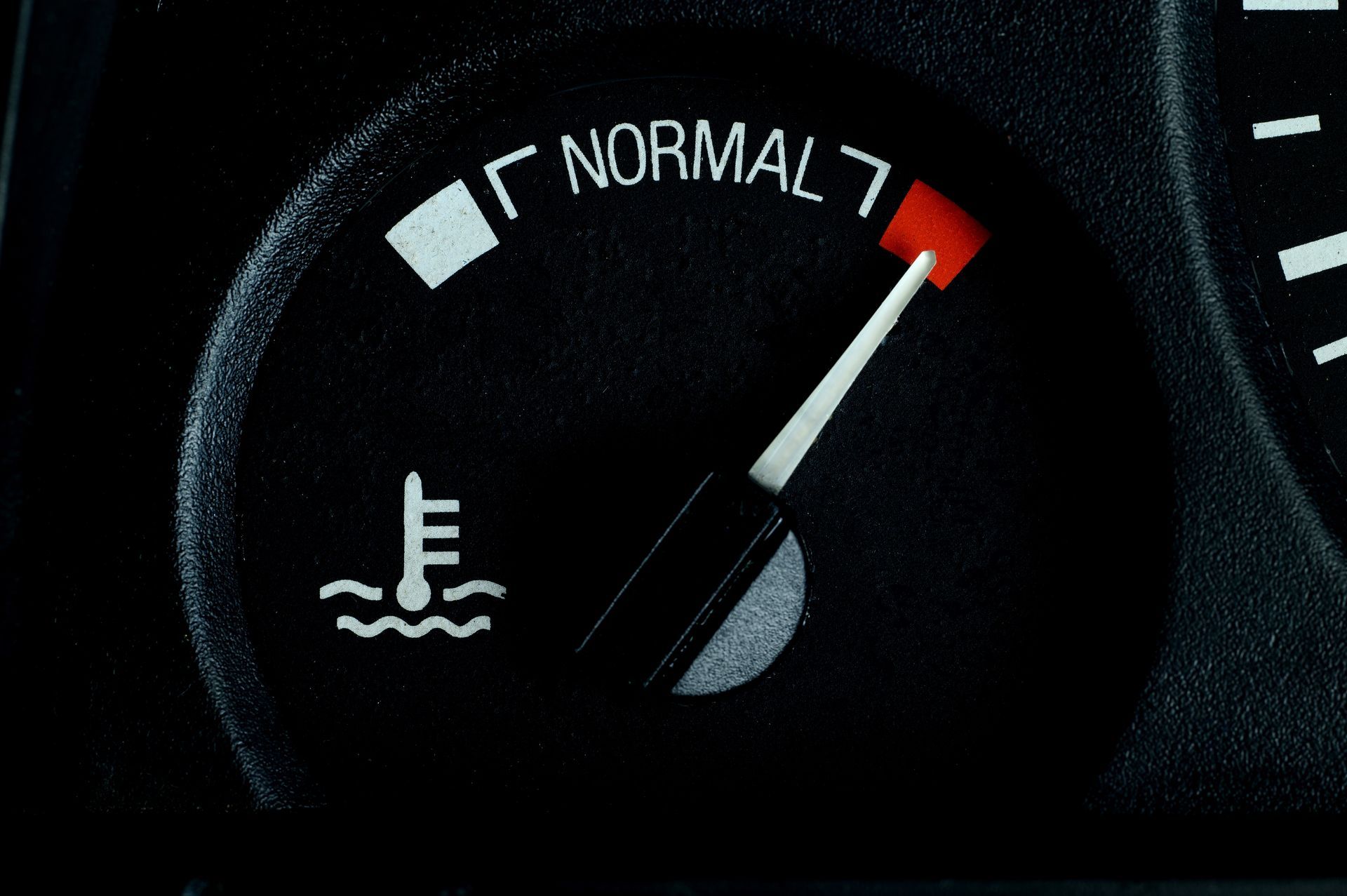
If the light is solid and the vehicle seems to be driving normally, you may be able to drive a short distance, but you should schedule a diagnostic check soon. If the light is flashing, the vehicle is running rough, or you notice smoke, overheating, poor acceleration, or strange noises, stop driving and get help right away.
Ignoring the light can turn a small problem into a larger repair. It can also affect fuel economy, emissions, and long-term engine health.
Why Cincinnati Driving Can Make Problems Show Up Faster
Stop-and-go traffic, short trips, hills, and changing weather can all put extra stress on your vehicle. Short trips are especially hard on engines because the vehicle may not always reach full operating temperature long enough to burn off moisture and keep systems working efficiently.
If you drive around Mariemont, Madisonville, Hyde Park, Oakley, downtown Cincinnati, or surrounding areas, your vehicle deals with a mix of traffic, hills, weather changes, and road conditions. Regular maintenance and quick attention to warning lights can help keep your car reliable.
Schedule a Check Engine Light Scan in Cincinnati
If your check engine light is on, do not guess and do not wait until the problem gets worse. Avid Autocare in Cincinnati can help identify what is going on and explain your options clearly.
Whether it is something simple or a more involved repair, our team is here to make the process easier to understand. Schedule your visit today and let us help get your vehicle back on track.