
How Seasonal Weather in Cincinnati Affects Your Vehicle
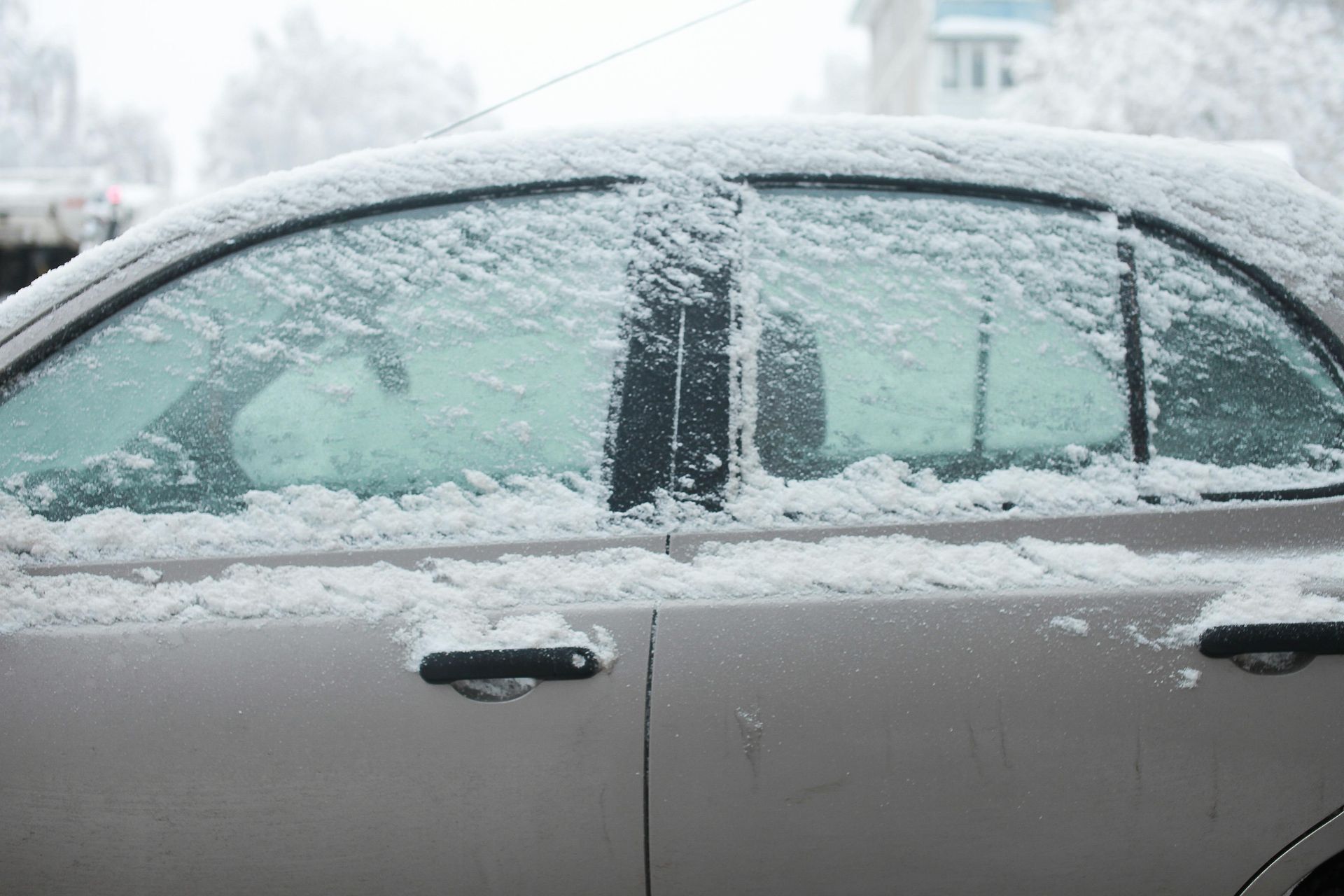
Weather plays a bigger role in vehicle performance than many drivers realize. Temperature changes, humidity, road conditions, and seasonal driving habits all affect how different parts of your vehicle wear over time. In a place like Cincinnati, Ohio, where drivers experience hot summers, cold winters, and everything in between, seasonal changes can put extra stress on important vehicle systems.
Understanding how weather affects your vehicle can help you stay ahead of potential problems and keep your car running reliably throughout the year. Drivers who stay proactive with auto repair and maintenance in Cincinnati often avoid many of the issues that come with changing seasons.
Cold Weather and Battery Performance
Cold temperatures are one of the biggest challenges for vehicle batteries. When temperatures drop, the battery has to work harder to produce the power needed to start your engine. At the same time, the chemical reactions inside the battery slow down in colder conditions, reducing overall performance.
Drivers in Cincinnati often experience battery problems during the winter months, especially if the battery is already a few years old. If your vehicle cranks slowly or struggles to start on cold mornings, it may be time to have the battery inspected.
Scheduling auto repair in Cincinnati for a battery test can help determine whether the battery is still operating properly before winter weather creates a starting problem.
Summer Heat and Engine Stress
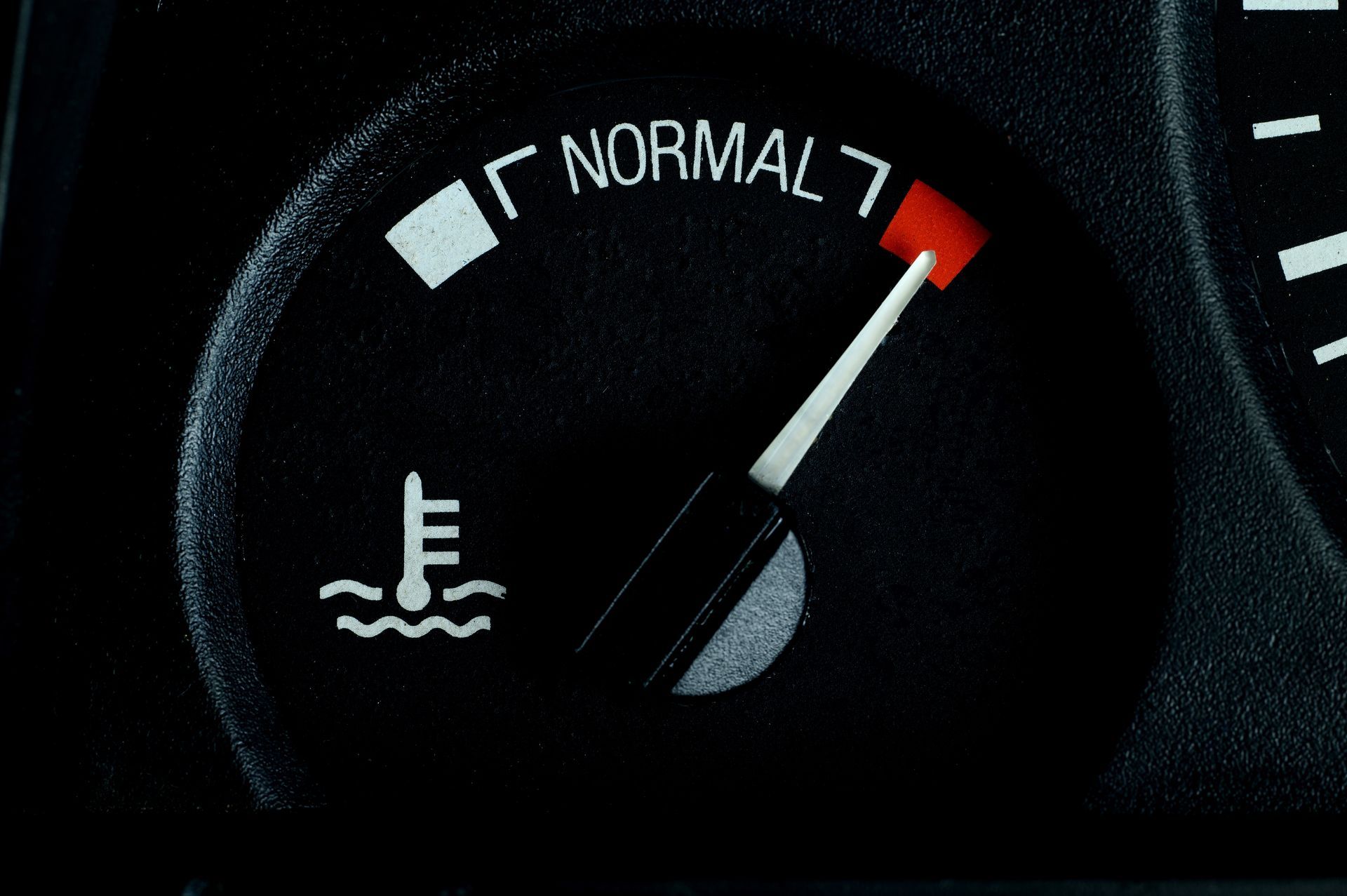
While winter gets a lot of attention, summer heat can be just as hard on vehicles. High temperatures place additional stress on the engine and cooling system. Your vehicle relies on coolant, hoses, and the radiator to keep engine temperatures under control.
If any part of the cooling system is not working properly, the engine can overheat quickly during hot weather. Drivers searching for engine repair in Cincinnati often discover that cooling system problems were developing long before the temperature started climbing.
Routine inspections of coolant levels, hoses, and radiators help prevent overheating and keep your engine protected during the warmer months.
Tire Pressure and Temperature Changes
Temperature changes also affect tire pressure. When temperatures drop, the air inside your tires contracts, which lowers tire pressure. When temperatures rise, the air expands and increases pressure.
Improper tire pressure can affect vehicle handling, tire wear, and fuel efficiency. Drivers in Cincinnati often notice tire pressure warning lights during seasonal temperature swings.
Regular tire pressure checks and routine tire maintenance help ensure safe driving conditions. Drivers experiencing uneven wear or vibration may benefit from tire service in Cincinnati to inspect alignment, balance, and tire condition.
Road Conditions and Suspension Wear
Seasonal road conditions can also impact suspension components. Potholes, rough pavement, and uneven road surfaces place stress on parts such as shocks, struts, and steering components.
Drivers may begin noticing symptoms such as clunking noises, a rough ride, or changes in steering response. These signs can indicate that suspension components are wearing down.
When drivers search for auto repair in Cincinnati, suspension issues are a common reason for scheduling an inspection. Addressing suspension wear early helps maintain ride comfort and vehicle stability.
Seasonal Driving Habits
Seasonal driving patterns can also affect vehicle performance. Many drivers take longer trips during warmer months or drive more frequently for vacations and outdoor activities. Additional mileage increases wear on components like brakes, tires, and engine systems.
Routine inspections and maintenance help ensure that your vehicle is ready for increased driving demands. Drivers who stay consistent with vehicle maintenance in Cincinnati often experience fewer unexpected problems during busy travel seasons.
Fluid Performance in Changing Temperatures
Vehicle fluids are designed to operate within certain temperature ranges. Extreme temperatures can affect how these fluids perform, which may impact vehicle operation.
Engine oil, transmission fluid, coolant, and brake fluid all play critical roles in protecting mechanical systems. Regular fluid inspections help ensure that these systems continue operating properly regardless of seasonal temperature changes.
Drivers who schedule routine maintenance often prevent fluid related problems before they affect vehicle performance.
Preparing Your Vehicle for Seasonal Changes
The best way to prepare your vehicle for changing weather conditions is through regular inspections and preventative maintenance. Professional technicians can evaluate important systems such as the battery, cooling system, tires, brakes, and fluids to ensure everything is operating properly.
Drivers who stay proactive with maintenance often experience fewer breakdowns and better overall vehicle reliability.
Seasonal inspections are especially helpful for drivers who rely heavily on their vehicles for commuting or travel around Cincinnati.
Schedule Seasonal Vehicle Service at Avid Autocare in Cincinnati
Keeping your vehicle prepared for changing weather conditions is an important part of protecting its performance and reliability. Seasonal inspections and preventative maintenance help identify potential issues before they become serious problems.
At Avid Autocare in Cincinnati, our technicians work with drivers throughout the area to keep vehicles operating safely in every season. Whether your vehicle needs routine maintenance, diagnostics, tire service, or general auto repair, our team is here to help.
If you want to keep your vehicle ready for the changing weather in Cincinnati, scheduling auto repair and maintenance in Cincinnati today can help ensure your car stays dependable throughout the year.