
Why Your Check Engine Light Is On and What Cincinnati Drivers Should Do Next
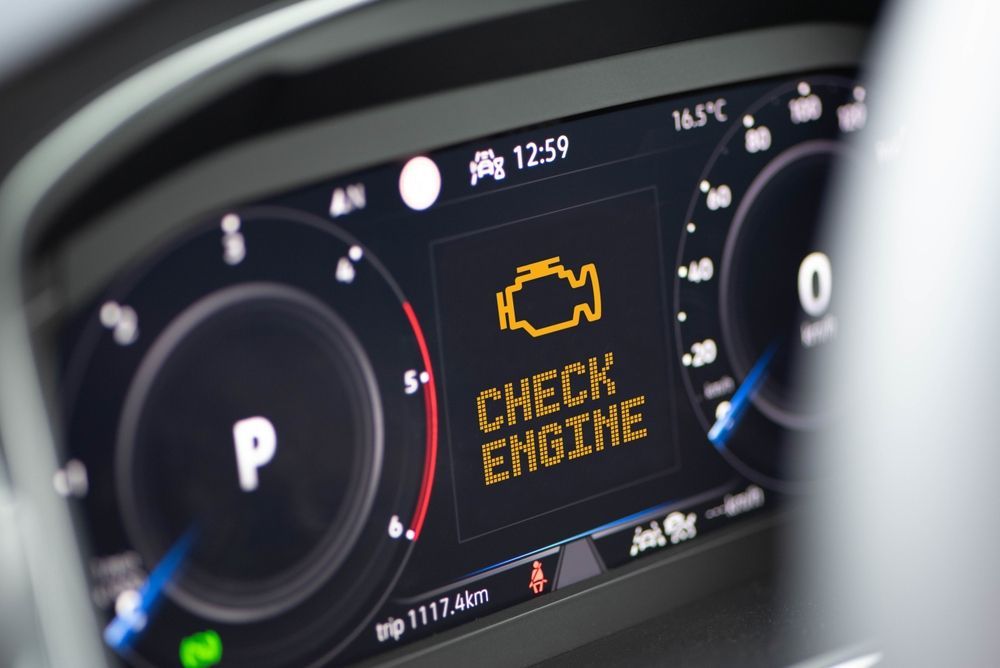
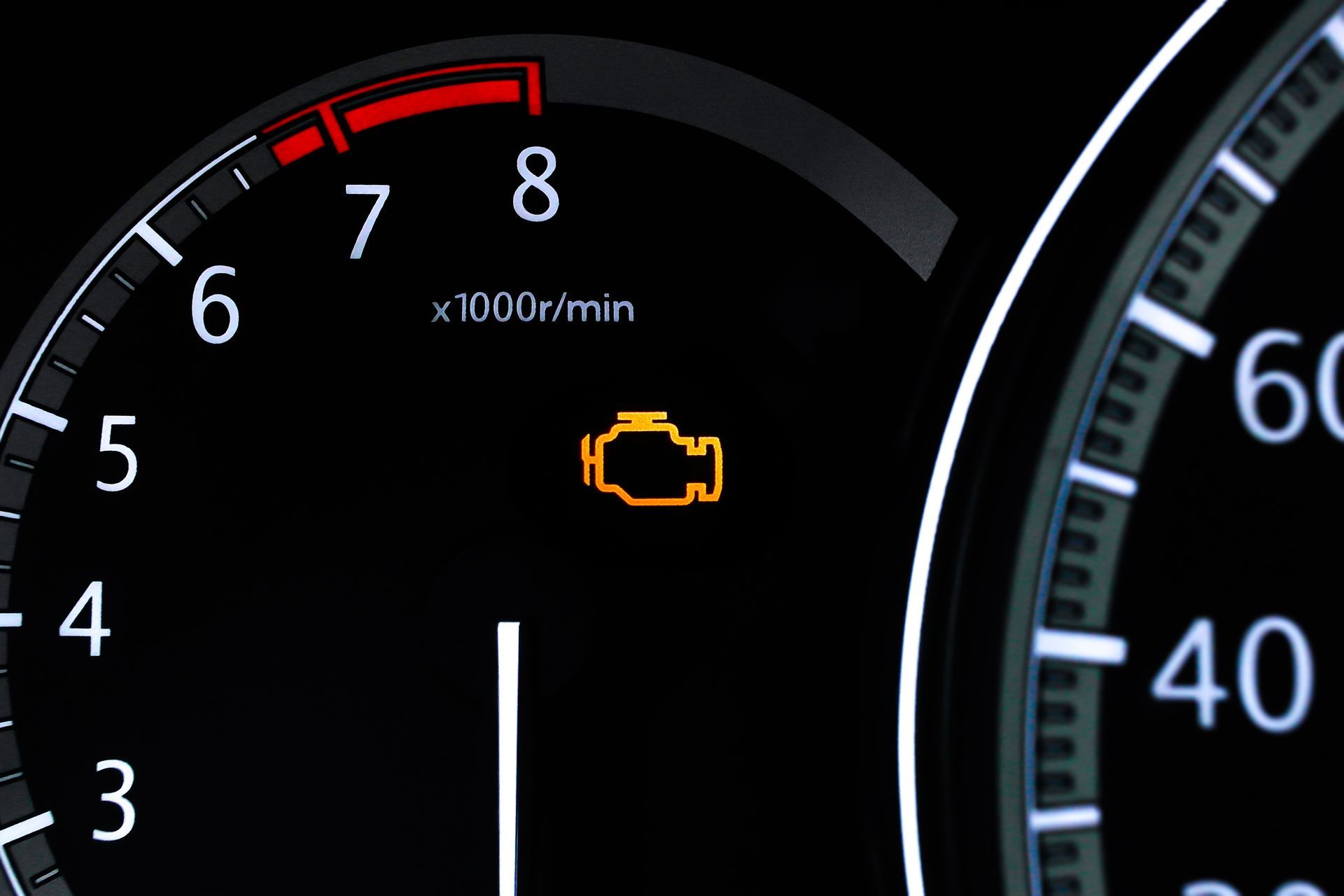
Seeing the check engine light appear on your dashboard can make any driver uneasy. Some people panic and assume the worst, while others ignore it and keep driving. The truth is that the check engine light is simply your vehicle’s way of telling you that something needs attention.
Modern vehicles use sensors and onboard computers to monitor engine performance, emissions systems, fuel delivery, and many other components. When the system detects something outside normal operating conditions, it turns on the check engine light. If you drive in Cincinnati, Ohio, understanding what this warning means can help you decide when it is time to schedule auto repair in Cincinnati.
What the Check Engine Light Means
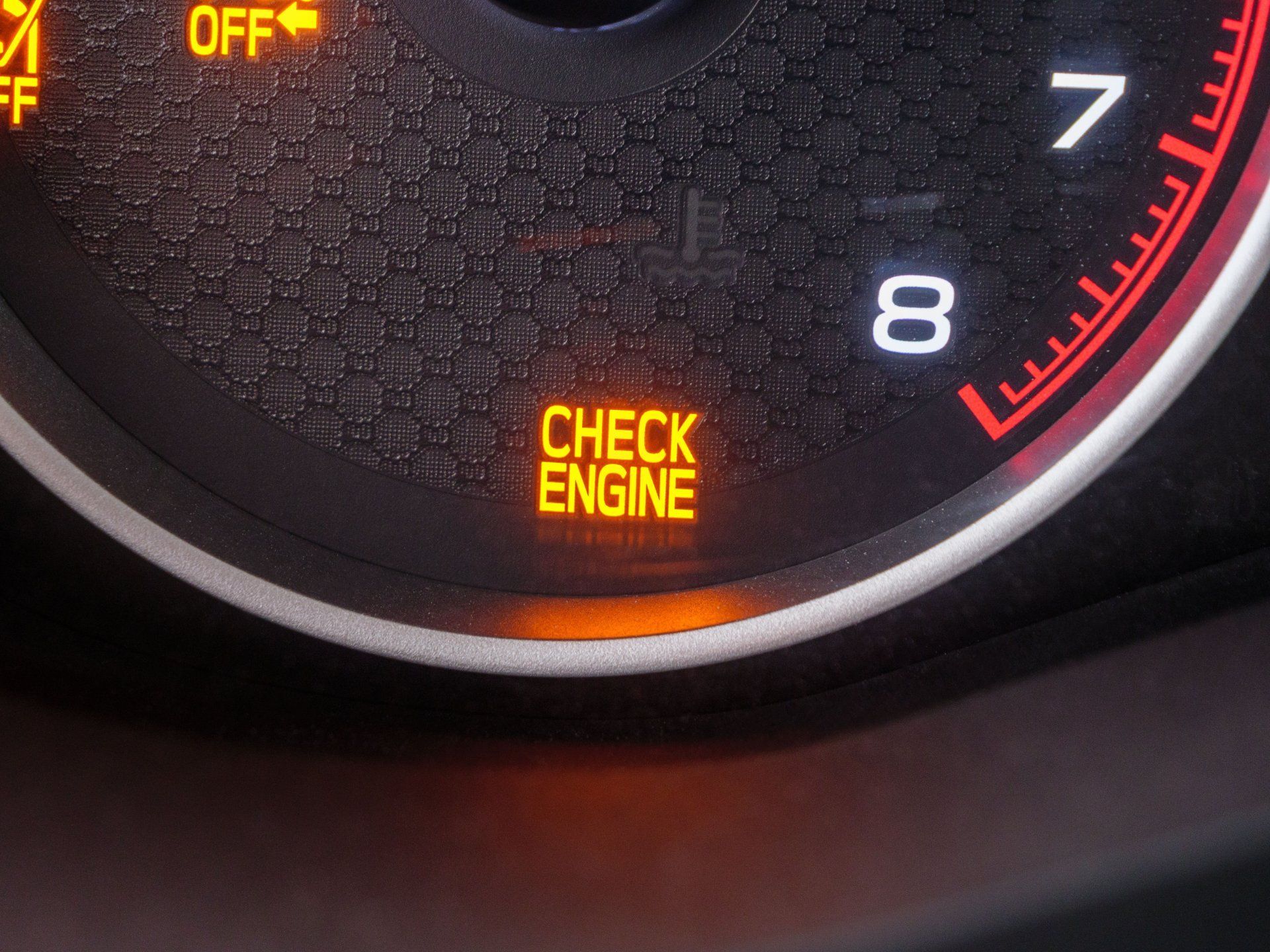
The check engine light is part of your vehicle’s onboard diagnostic system. This system constantly monitors how the engine and emissions components are performing. When it detects a problem, it stores a diagnostic code and triggers the warning light on the dashboard.
The light does not always mean there is a serious problem. In many cases the issue can be relatively small. However, ignoring the light can allow the problem to worsen over time.
Drivers searching for check engine light repair in Cincinnati often want to know whether the issue is urgent. The best way to determine the cause is to have the vehicle scanned using professional diagnostic equipment.
Common Reasons the Check Engine Light Appears
There are many different reasons the check engine light can turn on. Some of the most common causes include issues with sensors, fuel system components, ignition systems, or emissions equipment.
One simple cause is a loose or damaged gas cap. The fuel system must remain sealed to maintain proper pressure, and a loose cap can trigger a warning code. Other common causes include worn spark plugs, faulty oxygen sensors, or issues with the catalytic converter.
Because there are so many possible causes, drivers often schedule auto diagnostics in Cincinnati to determine exactly what is triggering the warning.
Flashing vs Steady Check Engine Light
Not all check engine lights indicate the same level of urgency. In most cases the light will appear and remain steady. This usually means the vehicle should be inspected soon but may still be safe to drive in the short term.
A flashing check engine light is different. A flashing light typically indicates a more serious issue that could cause damage if the vehicle continues operating. When drivers see a flashing warning light, it is best to reduce driving and schedule engine repair in Cincinnati as soon as possible.
Understanding this difference helps drivers know when the situation may require more immediate attention.
Why Ignoring the Check Engine Light Can Lead to Bigger Problems
One of the biggest mistakes drivers make is ignoring the check engine light. Because the vehicle may still appear to run normally, it is easy to postpone an inspection.
The problem is that many engine and emissions issues gradually worsen over time. A faulty sensor may affect fuel efficiency. A misfire may place additional stress on engine components. Small issues can slowly develop into larger repairs if they are not addressed.
Drivers searching for auto repair near me in Cincinnati often discover that diagnosing the issue early could have prevented additional damage.
How Diagnostic Testing Identifies the Problem
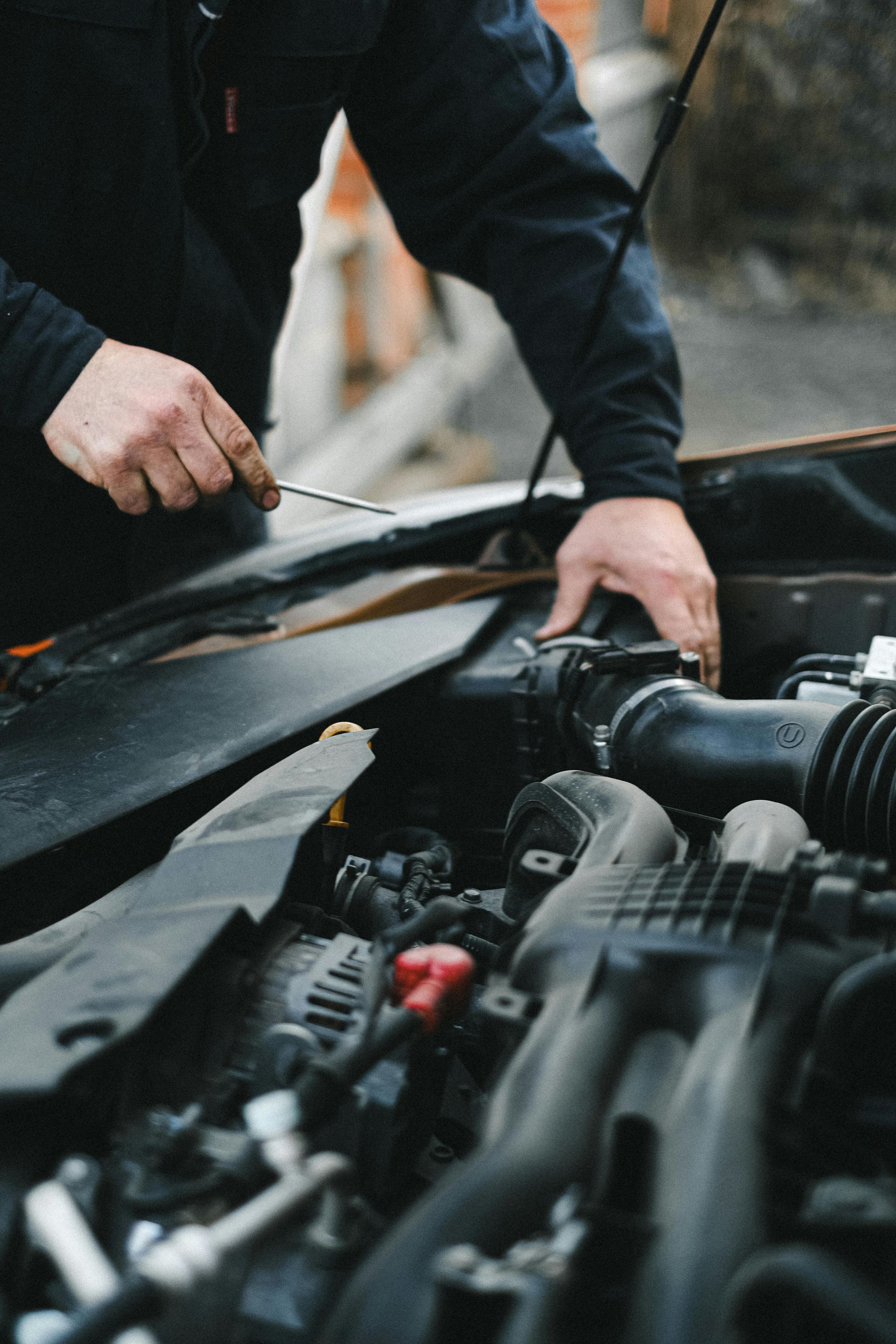
When you bring your vehicle to a professional repair shop, technicians use diagnostic tools to read the codes stored in the vehicle’s computer. These codes provide valuable information about which system is experiencing a problem.
However, the code itself is only the starting point. Technicians must also perform inspections and testing to confirm the root cause. Once the issue is identified, they can recommend the appropriate repair.
Professional vehicle diagnostics in Cincinnati help ensure that repairs address the actual problem rather than simply replacing parts unnecessarily.
Performance Changes That May Appear With the Warning Light
Sometimes the check engine light appears before any noticeable performance problems occur. In other situations drivers may notice symptoms such as rough idling, reduced acceleration, poor fuel efficiency, or difficulty starting the vehicle.
These changes often indicate that the engine is not operating as efficiently as it should. Scheduling service at a Cincinnati auto repair shop can help restore proper performance and prevent additional wear on engine components.
Even if the vehicle still drives normally, having the warning light inspected is the best way to ensure the problem does not worsen.
The Importance of Regular Vehicle Maintenance
Routine maintenance plays an important role in preventing many of the issues that trigger the check engine light. Services such as oil changes, spark plug replacement, air filter inspections, and fuel system maintenance help keep engine systems operating properly.
Drivers who stay consistent with vehicle maintenance in Cincinnati often experience fewer warning lights and fewer unexpected repairs.
Regular inspections also allow technicians to identify developing issues before they trigger warning indicators.
Schedule Check Engine Diagnostics at Avid Autocare in Cincinnati
If your check engine light has appeared, the best step is to have the vehicle inspected by experienced technicians who can determine the cause. Addressing the issue early helps protect engine performance and prevents small problems from turning into larger repairs.
At Avid Autocare in Cincinnati, our team works with drivers throughout the area to diagnose check engine light warnings and provide reliable repair solutions. Whether the issue involves sensors, ignition components, or emissions systems, our technicians can identify the problem and recommend the proper repair.
If your dashboard warning light has appeared, scheduling auto diagnostics and repair in Cincinnati today can help keep your vehicle running smoothly and safely on the road.